Advertisement
Advertisement

Topic

Researchers

Health

Ancient DNA reveals how plague kept returning for 400 years after the Black Death

Ancient DNA reveals that plague repeatedly returned to Europe for more than 400 years after the Black Death, evolving into new lineages and spreading through trade, migration, and war. Researchers also developed a method to date ancient plague genomes more precisely, linking many of them to specific outbreaks recorded in historical sources.

Science

Scientists may have solved a 2,000-year-old Dead Sea Scrolls mystery

Researchers may have solved a long-running mystery surrounding the Dead Sea Scrolls by proposing that the Qumran sect really did use its distinctive 364-day calendar. Its perfectly ordered 52-week system kept holidays on the same weekdays, but it slowly drifted out of sync with the seasons because it was shorter than the true solar year.

Health

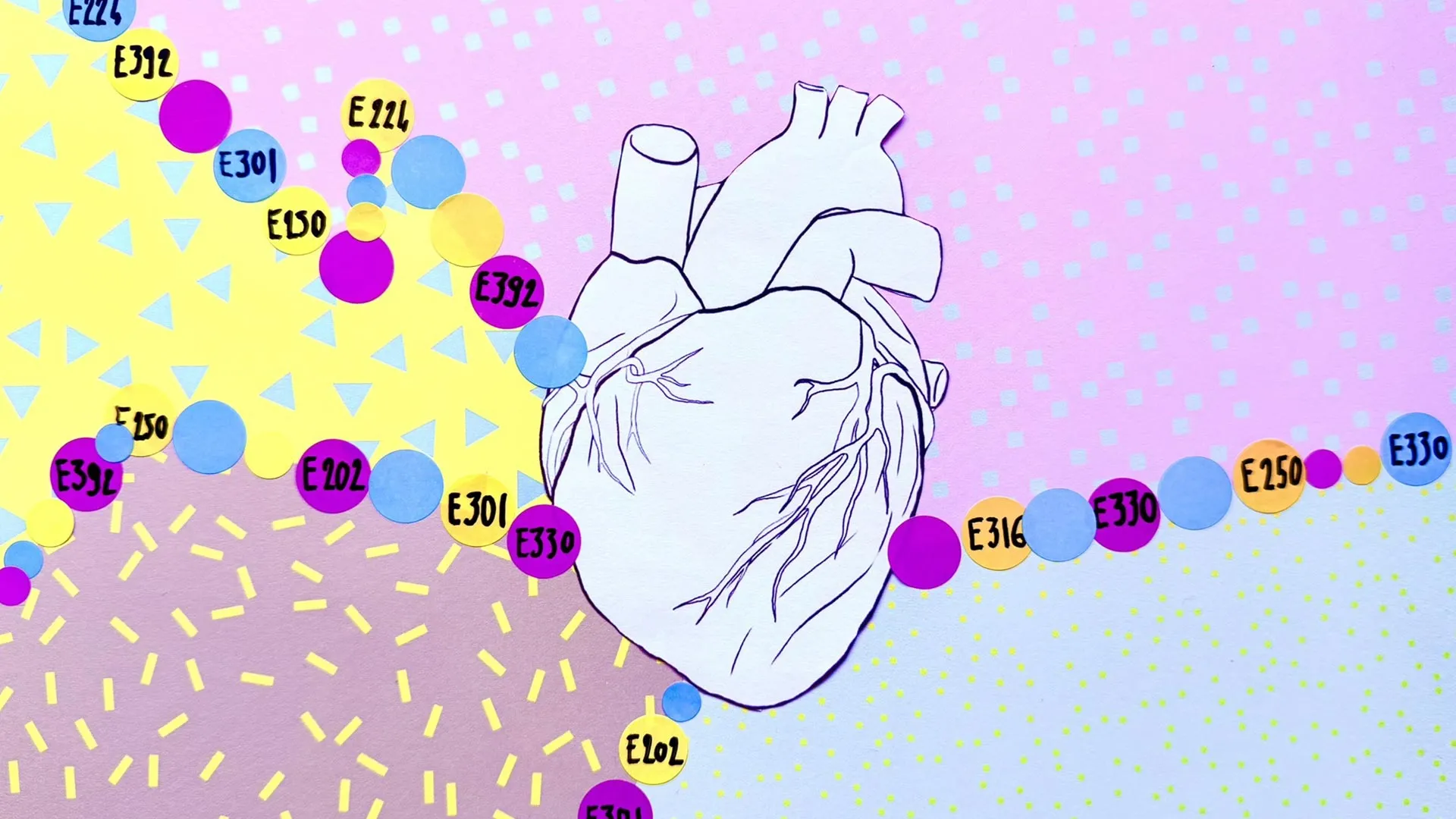
8 common food additives linked to high blood pressure and heart disease

Common preservatives hiding in processed foods may carry unexpected heart risks, with heavy consumption linked to substantially higher rates of high blood pressure and cardiovascular disease. Researchers identified eight widely used preservatives associated with hypertension, although the observational study cannot prove they were directly responsible.

Health

Hidden gut defect that may explain why IBD keeps coming back

Researchers have uncovered a hidden molecular warning sign of inflammatory bowel disease (IBD) that can linger even when patients feel well and appear to be in remission. By studying around 900 human gut biopsies and patient-derived mini-intestines, the team found that intestinal cells can remain unusually primed to die, creating a “smoldering” defect that may help drive future flare-ups.

Weather

Weatherwatch: Cleaner clouds may slow rate of global heating

Study shows falling dust levels are making clouds more reflective, an effect not taken into account in climate models Cleaner clouds are helping to slow the rate of global heating, a study shows. Falling levels of dust in the atmosphere are making clouds more reflective. This previously unidentified effect is not being taken into account by current climate models, which may mean they are slightly overestimating the projected rate of global heating. Researchers analysed satellite observations of high clouds in the northern hemisphere and assessed the ratio of ice crystals to liquid droplets ove

Science

Physicists can’t agree on how the Universe works

A massive worldwide survey of physicists has revealed surprisingly little agreement about some of the universe’s biggest mysteries. No majority backed the standard cosmological model, a leading explanation for dark matter, or any single theory of quantum gravity. One area of stronger agreement stood out: 68% said the Big Bang does not necessarily represent the beginning of time. Researchers say the divisions show just how alive and unsettled the frontiers of physics remain.

Advertisement
Science

AI uncovers hidden Ozempic side effects across 400,000 Reddit posts

AI analysis of 400,000 Reddit posts found that users of drugs such as Ozempic, Wegovy, Mounjaro, and Zepbound reported unexpected symptoms including menstrual changes, chills, hot flashes, and fatigue. Researchers cannot say the medications caused these problems, but the patterns may reveal overlooked signals worth studying.

Science

Chemistry textbooks have been getting this wrong for nearly 100 years

A foundational chemistry concept found in textbooks for almost 100 years may have been taught incorrectly. Researchers say the inductive effect in neutral molecules appears to extend only across one chemical bond, rather than gradually weakening over three or four bonds as traditionally taught. The team argues that updating this explanation could make organic chemistry easier to understand and provide a stronger foundation for future research and innovation.

Science

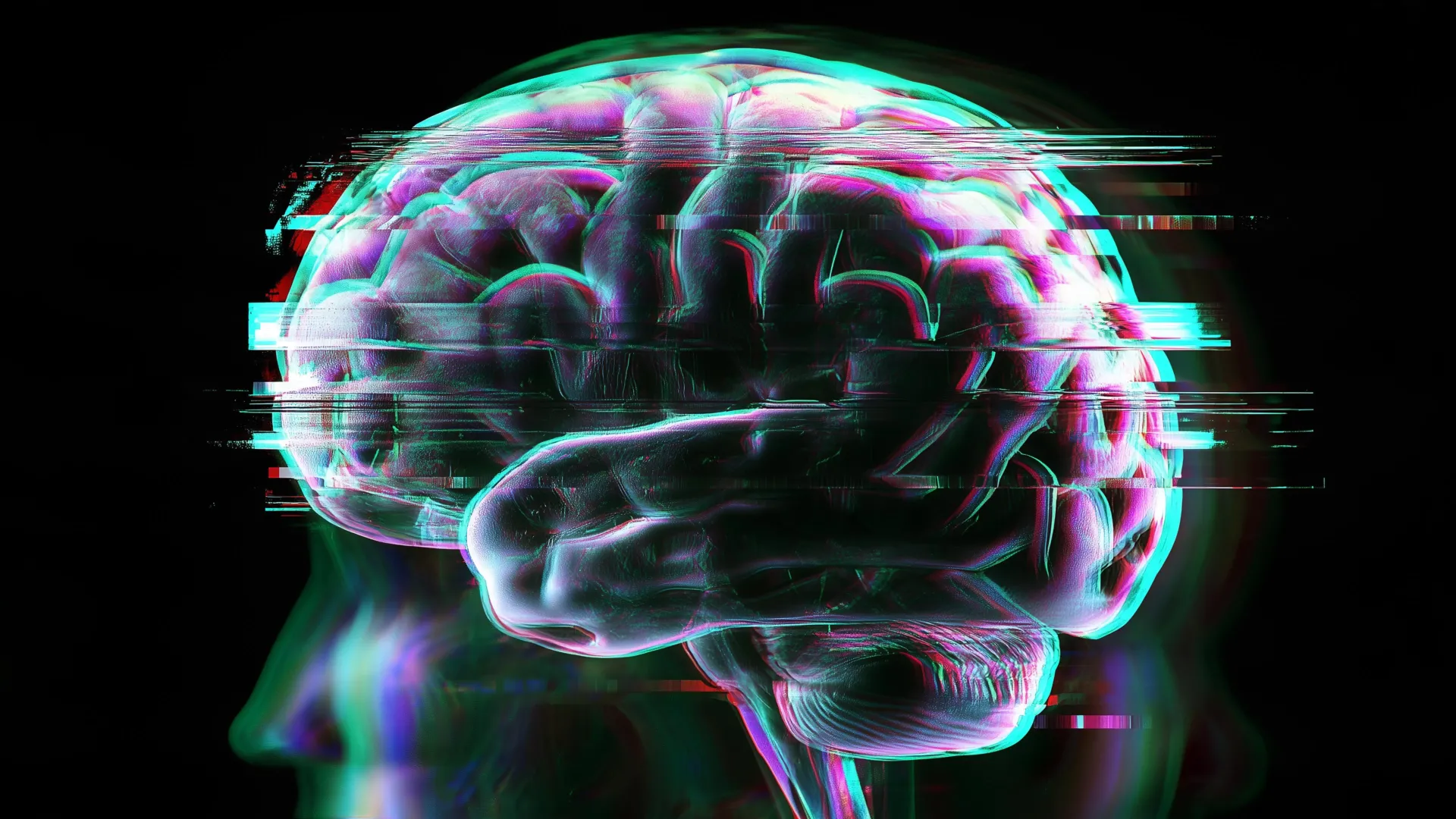
Scientists discover a major brain shift between ages 50 and 75

Scientists have uncovered sweeping changes in how the human brain controls and organizes its genome beginning in midlife, offering new clues to why aging sharply increases the risk of Alzheimer’s and other neurodegenerative diseases. One of the biggest shifts occurred between about ages 50 and 75, when many of the brain’s original immune cells declined and were replaced by cells with more inflammatory characteristics. Researchers also found weakening of cells that help maintain the blood-brain barrier, along with widespread deterioration in the genome’s three-dimensional organization.

Science

Scientists find the whole grain “sweet spot” for better heart health

Eating four to six servings of whole grains a day may deliver meaningful benefits for heart health, according to a large review of 87 clinical trials. Researchers found improvements in body weight, waist size, blood pressure, cholesterol, blood sugar, triglycerides, and some markers of inflammation.

Health

These blood thinners may have an unexpected benefit for Alzheimer’s patients

Newer blood thinners may do more than prevent strokes in people with Alzheimer’s disease and atrial fibrillation. Researchers found that patients taking NOACs experienced a slower decline in cognitive function than those using warfarin or no blood thinners. The effect was modest each year but could add up over time.

Advertisement