Weather
Five ways El Niño is affecting the weather around the world
As the strongest El Niño on record continues to intensify, what impacts on weather patterns are already being felt across the globe? Sarah Keith-Lucas looks at the evidence.
International news in seven languages
Topic
As the strongest El Niño on record continues to intensify, what impacts on weather patterns are already being felt across the globe? Sarah Keith-Lucas looks at the evidence.
The Philippine central bank is running policy scenarios for a severe El Niño on top of the oil shock, with inflation at a three-year high.
El Niño has continued to strengthen, with several key measures now in record territory. Simon King explores how it compares to previous events.
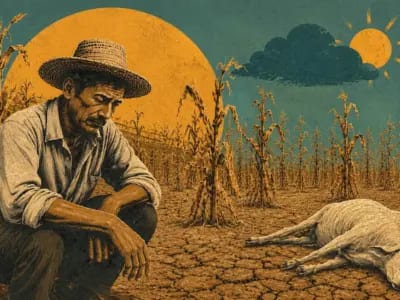
From droughts to floods and fires, El Niño is revealing the vulnerabilities of Latin American food systems, as it puts increasing pressure on farmers, food supply and family budgets throughout the region.
The developing El Niño may impact the UK's weather prospects this autumn and winter but cold conditions are far from guaranteed.
The El Niño phenomenon will continue to intensify before reaching its "peak" in December, the UN warned this Thursday, warning that it could be one of the strongest recorded since at least 1950.
Since June, the World Meteorological Organization (WMO) has been closely monitoring this episode of El Niño, which is already expected to be exceptional in its scale and duration. After peaking in December, this recurrent weather phenomenon, which worsens the consequences of global warming, could last until February 2027.
From droughts to floods and fires, El Niño is exposing vulnerabilities in Latin America’s food systems by putting farmers, food supplies and household budgets under growing pressure across the region.
Alvaro Del Cristo Godoy reveals, before being subjected to euthanasia, the abuses he suffered in his childhood in the San Juan de Dios boarding school in the Canary Islands
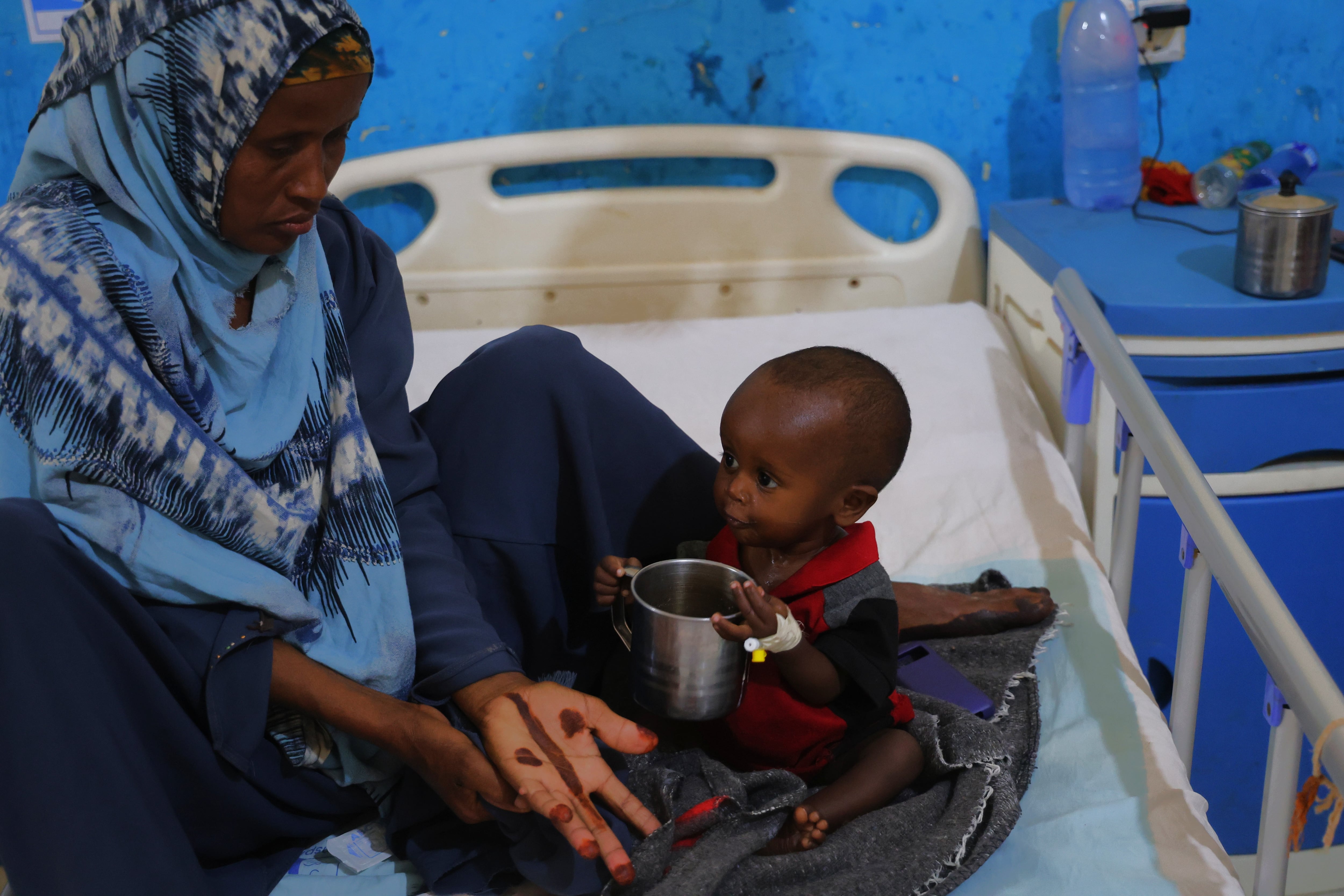
The climate phenomenon, which some experts consider to be the most intense since the mid-20th century, could push about 50 million more people into acute food insecurity, in a context of conflict, debt, humanitarian aid cuts and geopolitical tensions
For the first time in three decades there has not been a single Atlantic hurricane in September, normally the most active month.
"The already dire hunger crisis in South Sudan is becoming increasingly critical as violence, extreme weather and dwindling aid leave millions without enough food" says UN.
The El Niño episode could cause up to 451,000 additional heat-related deaths in the world between June 2026 and February 2027, according to projections from the Climate Impact Lab of the University of Chicago. The estimates, still to be reviewed by other experts, point to a greater impact on developing countries.
The weather pattern is associated with extreme, stormy weather, but authorities predict a quiet year in one ocean at least ‘Supersizing before our eyes’: UN warns of record El Niño approaching One significant effect of the stronger El Niño is fewer hurricanes in the Atlantic. In the 30 years to 2020, on average the first hurricane arrived by 11 August, the second by 26 August and the third by 7 September. This year the total so far has been zero. At the start of the season, the National Oceanic and Atmospheric Administration (NOAA) predicted a quiet year, anticipating between three and six hur
The BBC's Courtney Sargent explains how El Niño could have rapidly turned Hurricane Polo into one of the Pacific season's most powerful storms.
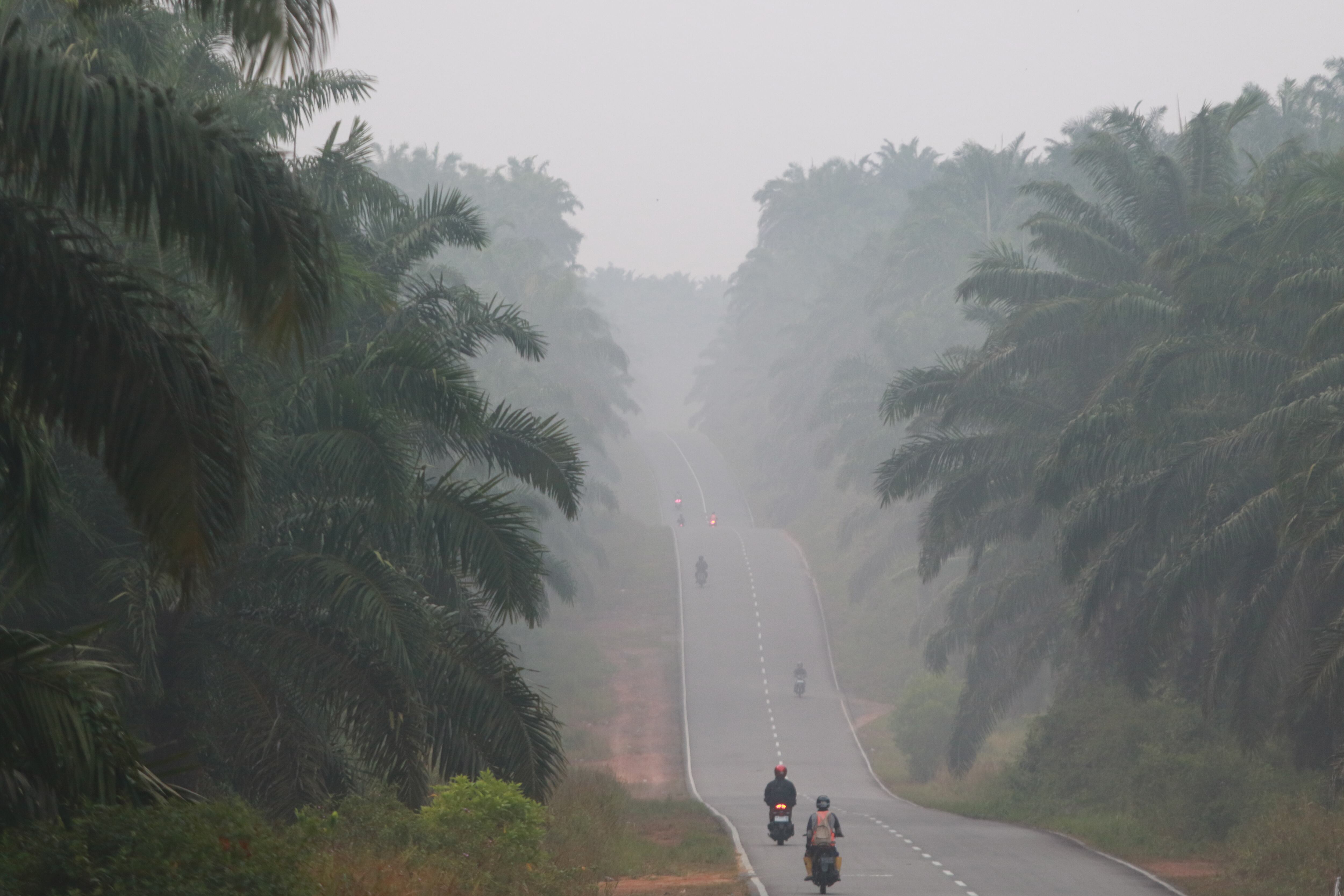
Extreme heat linked to this year’s “super El Niño” could cause up to 451,000 excess deaths worldwide in the six months to February 2027, according to researchers at the University of Chicago’s Climate Impact Lab. The number of extremely hot days is expected to rise by 44%, with Nigeria, Indonesia and Sudan among the countries likely to be most affected. Researchers warn that the impact could extend well beyond the six-month period studied. Chloe Brimicombe, a climate scientist from the University of Oxford, shares further details about this climate phenomenon.
A study warns of the global impacts of the phenomenon while the zero zone, the tropical Pacific, continues to warm up at full speed
The fire continues to destroy hectares of fields and forests on the outskirts of Quito, which has raised the concerns of Ecuadorians. Although forest fires are common at this time of year, they have been more intense due to weather conditions related to the El Niño phenomenon. The population has been confronted with drought, forest fires and food shortages.
From December 2025, the waters of the Central Pacific Ocean were more heated than usual. Therefore, scientists are alerted to a Super El Niño that could affect the climate around the planet between 2026 and 2027.
Scientists say the developing El Niño is now the strongest on record with weather impacts already being felt around the world.