The good news for travel companies: Chinese travelers have more time to spend abroad this Golden Week. The less-good news for hotels: they have more places to spend it.
Every travel operator is weighing where to use AI first: to chase growth or to optimize profitability. The question for any travel company: can you use this economic wave to gain margins, or will you wait for a "normal" economic cycle?
Banyan is betting on conservation action rather than beating the sustainability drum. The test is whether contributions to the environment will make a meaningful change, or whether it will just become the newest buzzword.
It's shaping up to be Airbnb's biggest new business. Hotel operators who've joined are liking the new customer pool so far. But how long can it stay exclusive?
AI Hospitality Group (AIHG) wants to run full-service hotels with more tech and fewer managers, plus a fee tied to profit growth instead of the usual top-line revenue.
Beautifully situated refuges with superlative views offering sanctuary to intrepid hikers and climbers A good mountain hut, I reckon, should be small and only accessible on foot after considerable effort. Throw in a bit of historical interest and I’m bound to be happy. In which case, Cabaña Verónica in the Picos de Europa is a fine start to this list. It sleeps six, and at 2,325 metres requires a two-hour trek from the nearest cable car station, never mind road. It has incredible views and a friendly custodian who keeps things in good order. Yet the real attraction is that this place was forme
Saudi Arabia’s luxury hotel boom is mostly built. Hilton’s bet on what comes next is mid-market brands and franchises — and it has Turkey as proof the playbook works.
Grand Ji Hotel, the new premium hotel brand from H World Group, brings a distinctly Chinese design philosophy and aesthetic to the guest experience, shaped by ideas around privacy, calm, and hospitality. Behind it are the technology, supply chain, and operating capabilities needed to carry that vision across a growing brand.
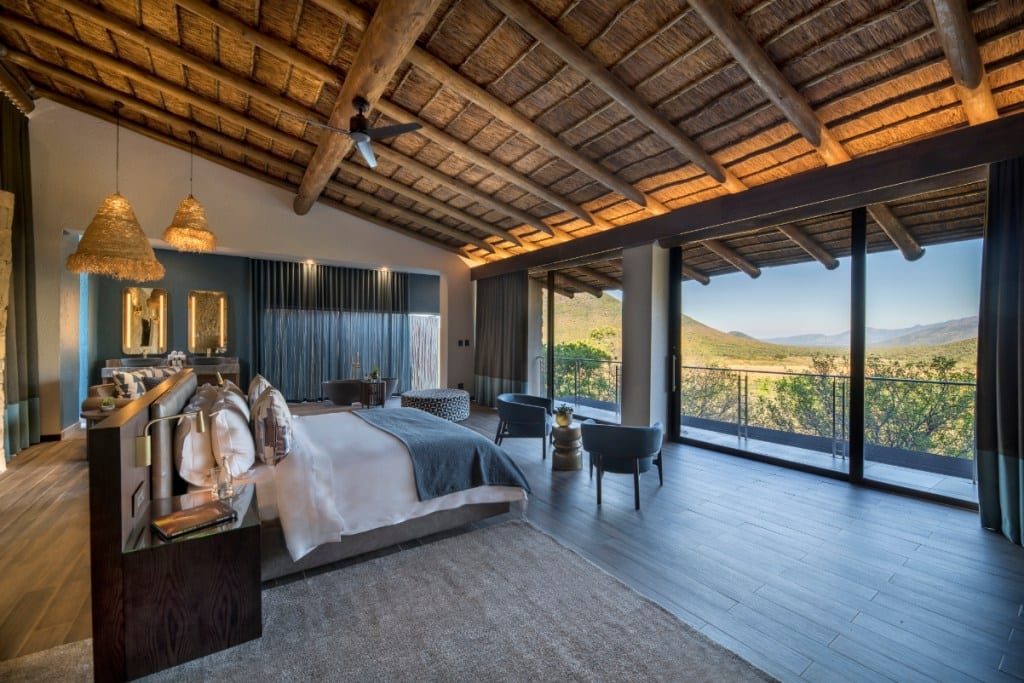
The owner of the Banyan Tree brand has taken a majority stake in a Cape Town safari and lodge operator. The deal is asset-light, adding fee income instead of bricks, and gives Banyan a foothold in safari and nature hospitality.
Socialist Hotels is the first photography book to focus solely on the architecture of hospitality in Eastern Europe and the post-Soviet landscape. These state-constructed buildings were used by visiting government workers and ordinary citizens. Today they are a fascinating legacy of a social and cultural idiosyncrasy. Socialist Hotels by Elena Amabili is published by FUEL Continue reading...