World
Living in the shadow of LA's hidden oil wells
Many lifelong residents of Los Angeles have health impacts from growing up close to oil extraction. Now, the city is trying to close down the worst offenders, but it's an enormous task.
International news in seven languages
Topic
Many lifelong residents of Los Angeles have health impacts from growing up close to oil extraction. Now, the city is trying to close down the worst offenders, but it's an enormous task.
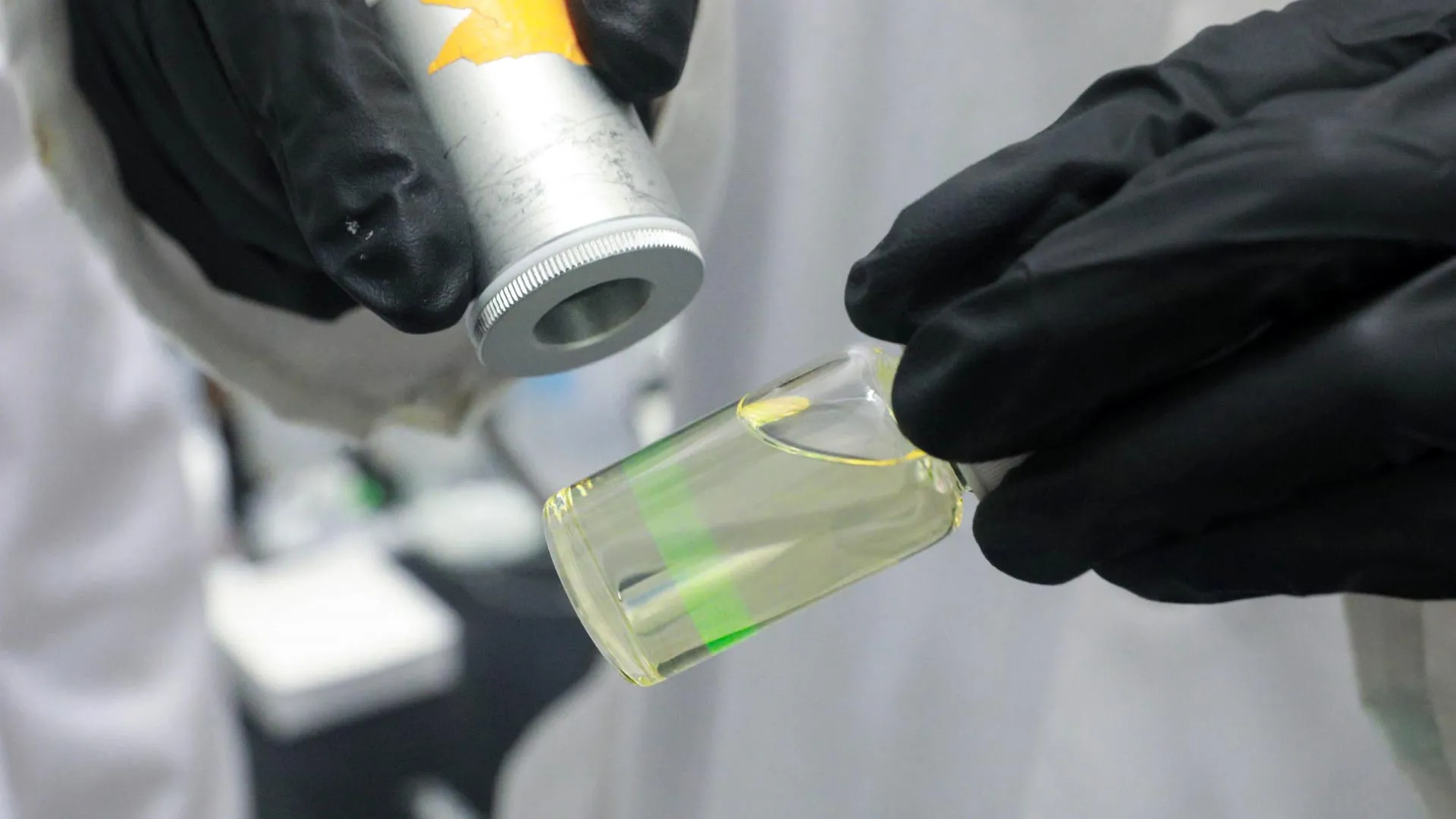
Scientists have developed ultra-bright nanoparticles that can detect tiny amounts of chemicals and distinguish between molecules that look almost identical. The technology could one day provide a cheaper way to catch dangerous drug impurities or trace pollutants using simple low-cost lasers.
Cats may identify one another through a surprisingly durable chemical “calling card” made from 13 unusual fatty acids in their urine. The compounds appear linked to mysterious fat droplets in the kidneys and may represent a scent-recognition system shared across the cat family.
Maya, 13, from Hythe in Kent, was diagnosed with neuroblastoma when she was three.
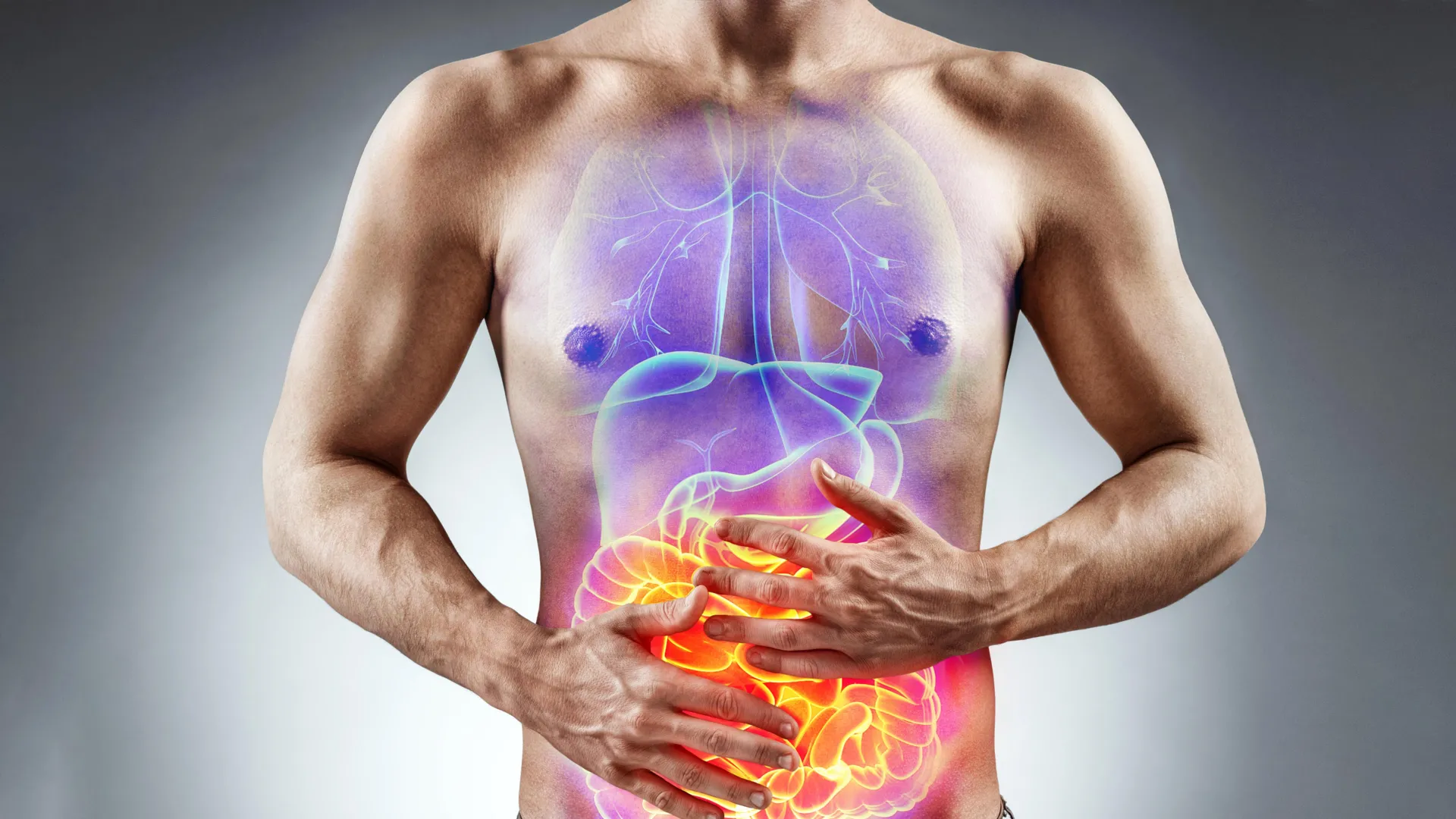
Researchers have uncovered a hidden molecular warning sign of inflammatory bowel disease (IBD) that can linger even when patients feel well and appear to be in remission. By studying around 900 human gut biopsies and patient-derived mini-intestines, the team found that intestinal cells can remain unusually primed to die, creating a “smoldering” defect that may help drive future flare-ups.
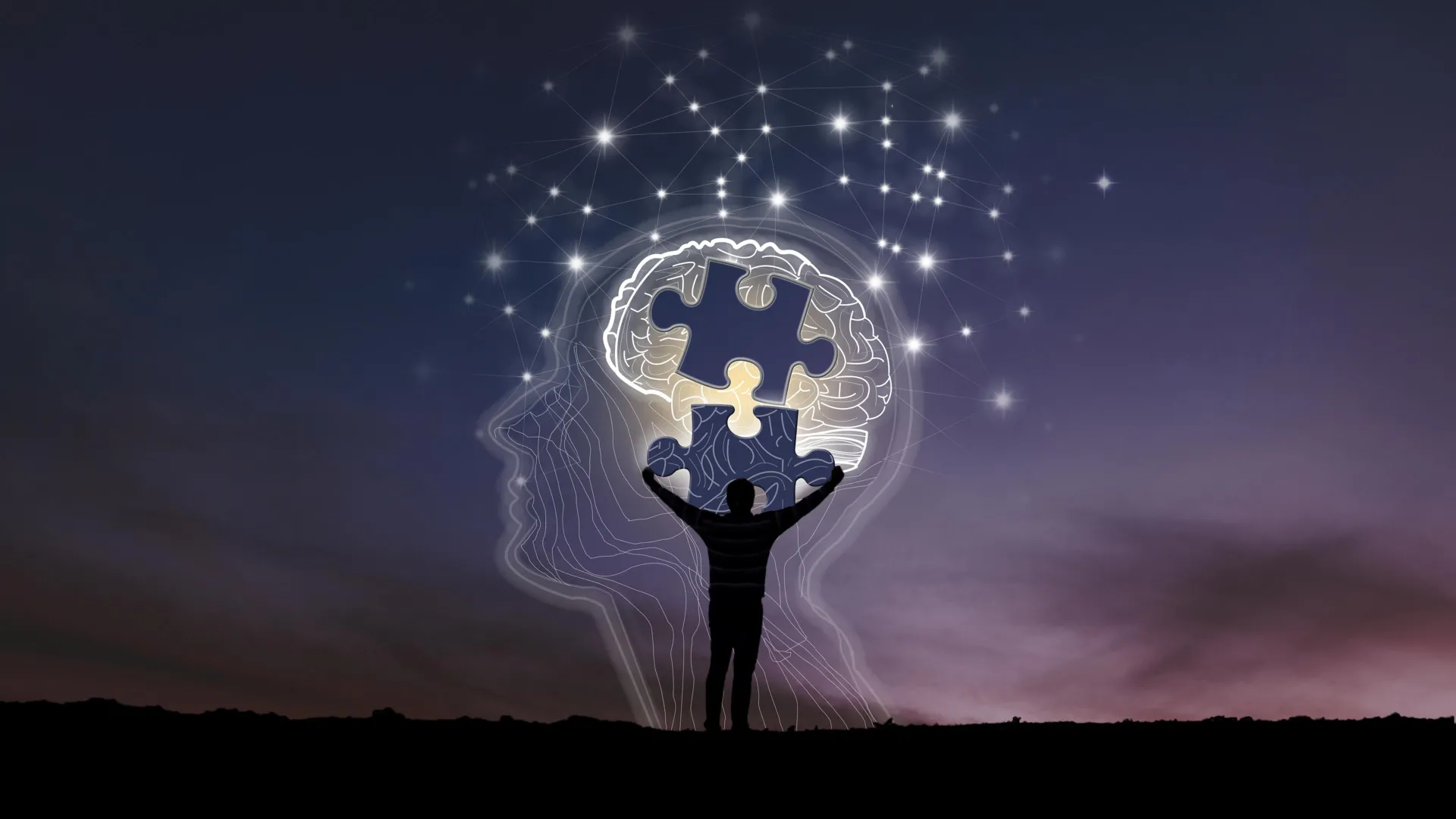
Scientists found that the 3D organization of DNA is disrupted in several types of brain cells affected by Alzheimer’s disease, altering how important genes are switched on and off. The discovery reveals a previously underexplored layer of the disease that could open new paths for understanding and eventually treating Alzheimer’s.
AI analysis of 400,000 Reddit posts found that users of drugs such as Ozempic, Wegovy, Mounjaro, and Zepbound reported unexpected symptoms including menstrual changes, chills, hot flashes, and fatigue. Researchers cannot say the medications caused these problems, but the patterns may reveal overlooked signals worth studying.
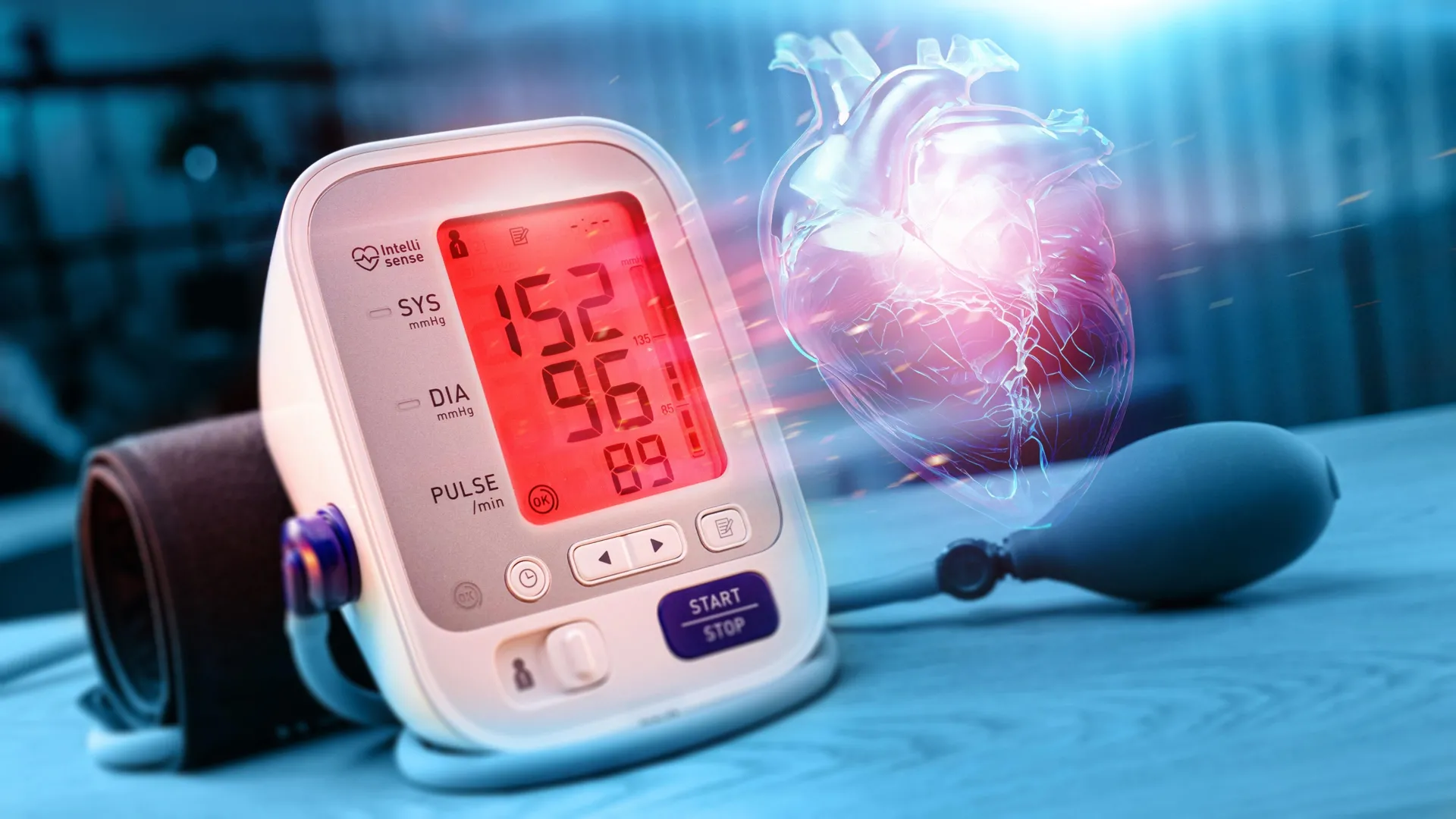
A wearable device has revealed nighttime hormone surges that may expose a frequently missed cause of high blood pressure. The discovery could help explain why primary aldosteronism often escapes standard blood tests and point toward a more accurate way to diagnose it.
Scientists have discovered that the brain’s short-range wiring may help protect cognition even as gray matter shrinks with age. Healthier connections just beneath the brain’s surface were linked to better language skills and appeared to weaken the impact of gray matter loss.
As data centers multiply to meet AI demand, they're straining power grids, draining water supplies and reshaping the land and air around them.
A naturally occurring molecule called erucamide may help the retina fight back against diseases that cause progressive vision loss. Restoring the molecule activated protective immune responses that helped stabilize retinal tissue and slow aspects of degeneration in preclinical models.
Eating more ultra-processed foods was linked to greater fat buildup inside thigh muscles, according to MRI scans of 615 adults at risk for knee osteoarthritis. Surprisingly, the association remained even after researchers accounted for calorie intake, physical activity, and other factors. Fatty changes in these muscles may weaken support around the knee and potentially increase osteoarthritis risk.
Scientists discovered a hidden “immune organ” inside the skull that acts as a rapid first responder against brain cancer in mice. Strengthening this local immune defense improved tumor rejection and survival, raising the possibility of new treatments that target the skull directly.
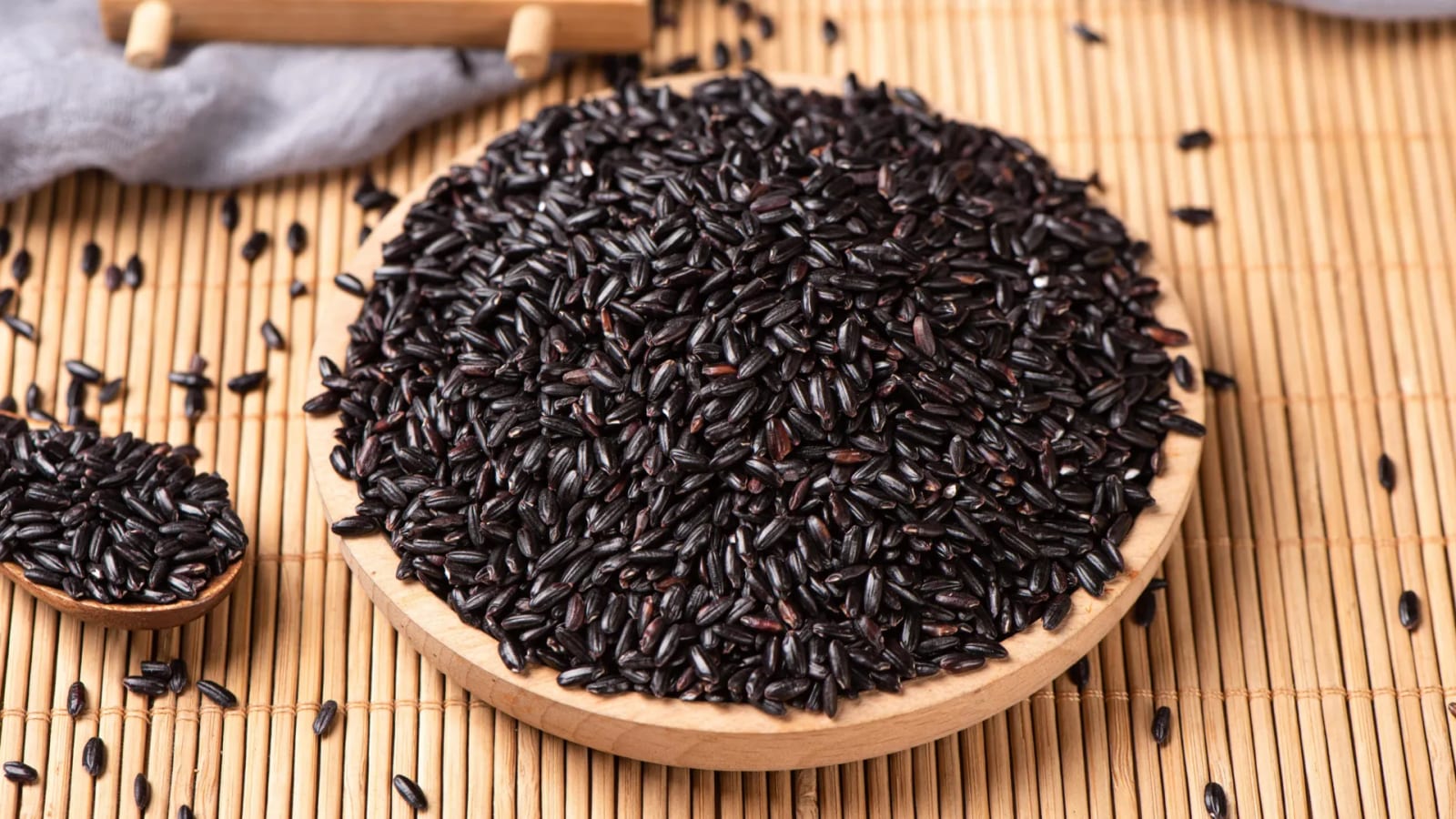
Scientists found that black and green Japanese rice contain unusual, potentially beneficial fats and may be digested more slowly than ordinary white rice. The combination could make these colorful varieties promising ingredients for foods designed to support blood sugar and metabolic health.
More than three million people in the UK work night shifts, which can greatly impact their health. What can be done to help them?
Bangor University researchers say the scale of damage is far greater than what is immediately visible.