Advertisement
Advertisement

Topic

hidden

Science

AI reveals a hidden chemical shortcut that could turn CO2 into fuel

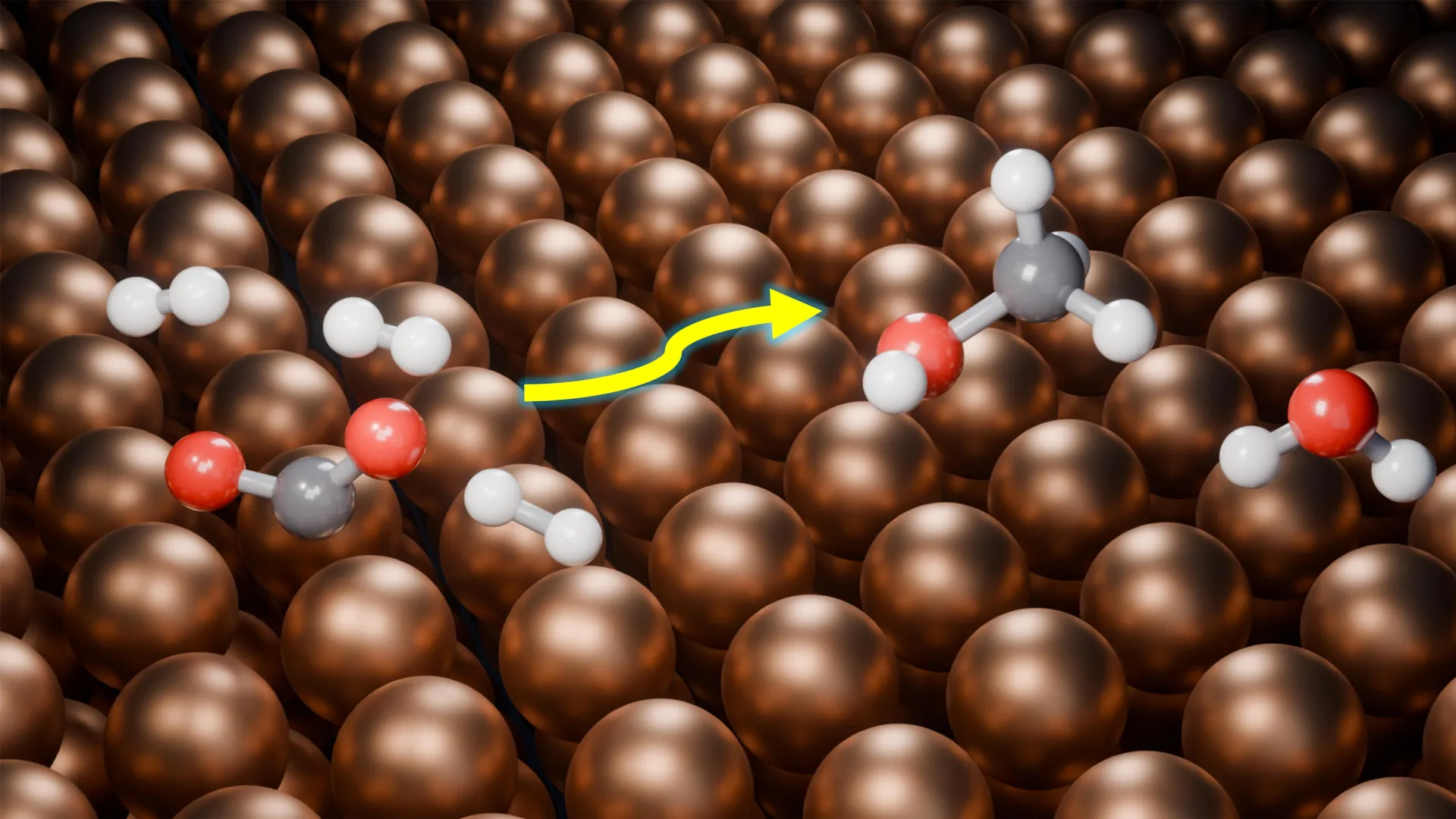
Scientists used artificial intelligence to uncover nearly 10,000 chemical reactions involved in transforming carbon dioxide into fuels and chemicals, revealing crucial pathways that traditional models had missed. The discovery dramatically improved predictions of CO2 conversion and uncovered a surprising hydrogen reaction that could inspire more efficient catalysts.

Science

Scientists find a hidden problem with endless smartphone scrolling

Excessive smartphone use may be taking a hidden toll on the brain and body, with heavy scrolling linked to poorer memory, reduced attention, disrupted sleep, and potential balance problems. Researchers found that weak self-control and fear of missing out, rather than personality alone, are key factors behind problematic phone use.

Science

Scientists uncover a hidden map of the brain with 539 distinct regions

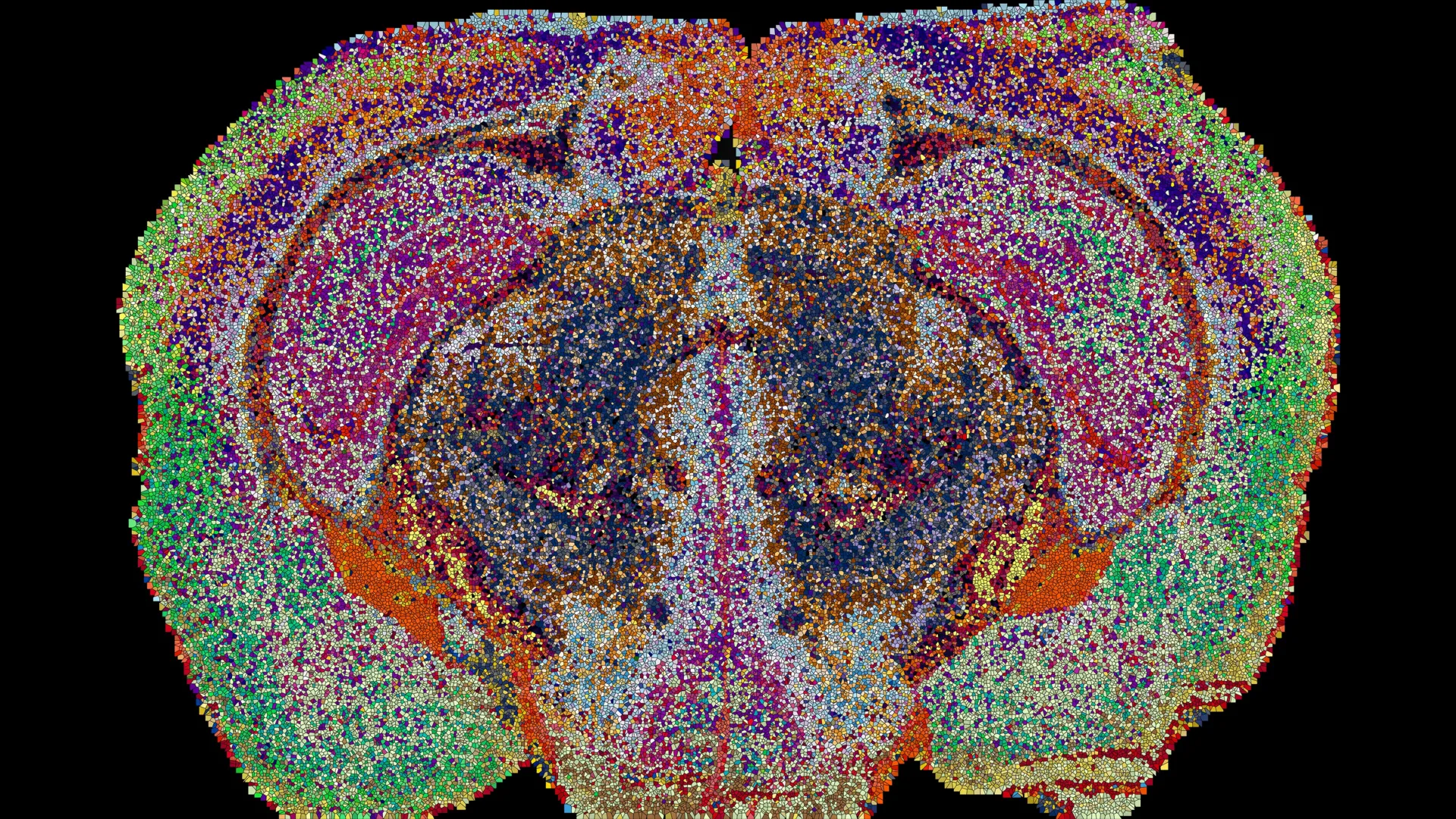
Scientists have uncovered a hidden layer of organization in the brain by creating the first detailed 3D map of its lipids, the fatty molecules essential for brain structure and communication. By analyzing millions of measurements from mouse brains, researchers identified 539 distinct chemical zones, revealing patterns and boundaries that traditional brain maps have missed. Surprisingly, even white matter, once thought to be relatively uniform, contains a complex patchwork of chemically distinct regions.

Science

Scientists discover a hidden factor that can make or break chemical reactions

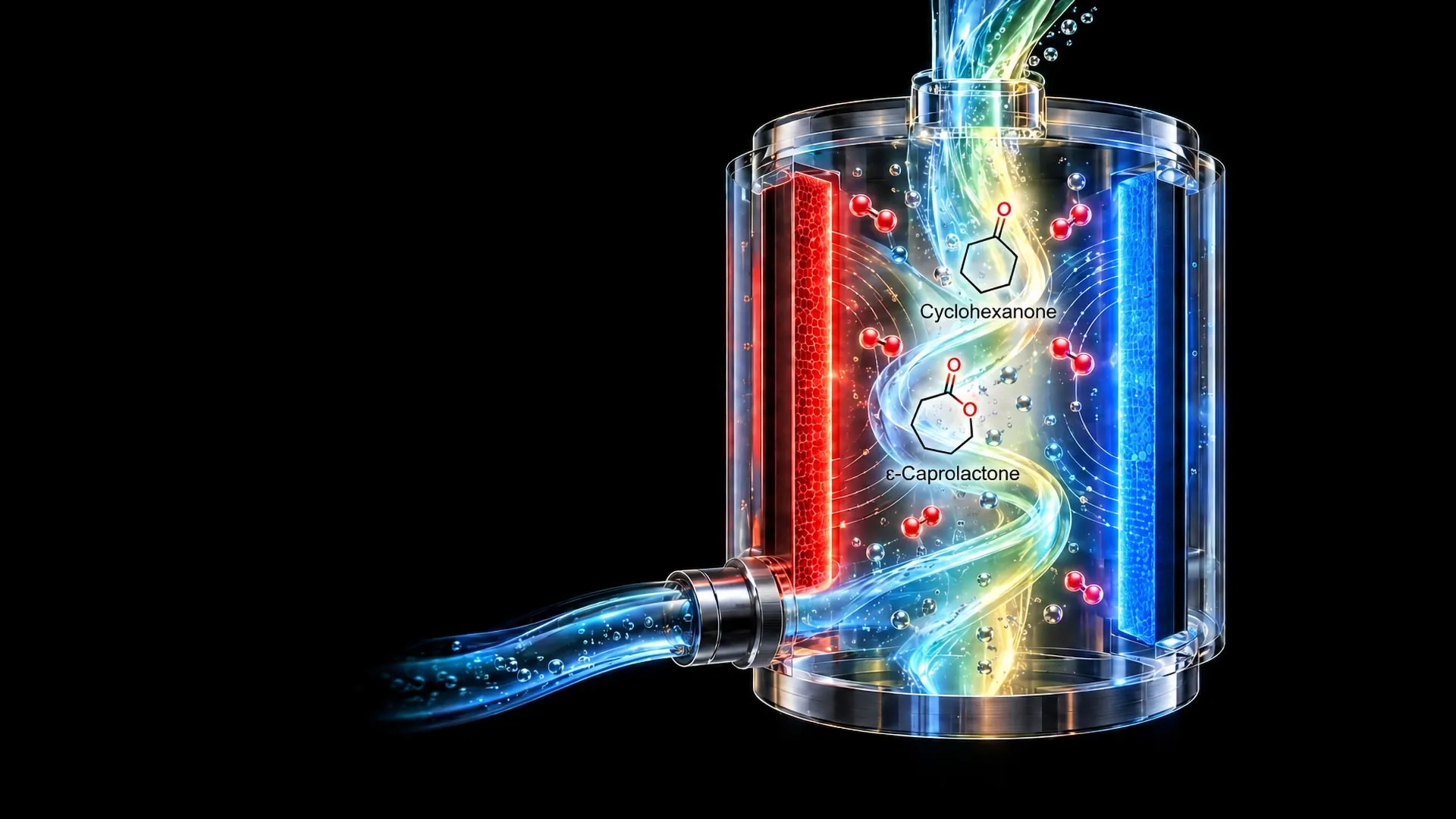
Researchers discovered a hidden factor that can determine whether chemical reactions succeed or fail, and then used it to boost the proportion of the desired product from 16% to 97%. By controlling acidity near electrodes, they developed a promising way to manufacture chemicals for plastics, medicines, and other products using oxygen and electricity instead of hazardous added oxidants.

Science

The hidden math of Alzheimer's could point to new treatments

Mathematics may hold unexpected clues to understanding Alzheimer’s disease. Scientists have developed a model showing how common metals like copper and zinc may influence the buildup of proteins associated with the disease, while also exploring possible ways to stop the process. The findings could help researchers identify promising strategies for preventing harmful plaque formation.

Science

Scientists discover vanilla’s hidden healing potential

Scientists have discovered that vanillin, the compound that gives vanilla its distinctive flavor, has powerful properties that could help fight infections, reduce inflammation, and promote wound healing. The inexpensive, widely available ingredient could one day become an important component of advanced wound treatments and regenerative medicine.

Advertisement
Science

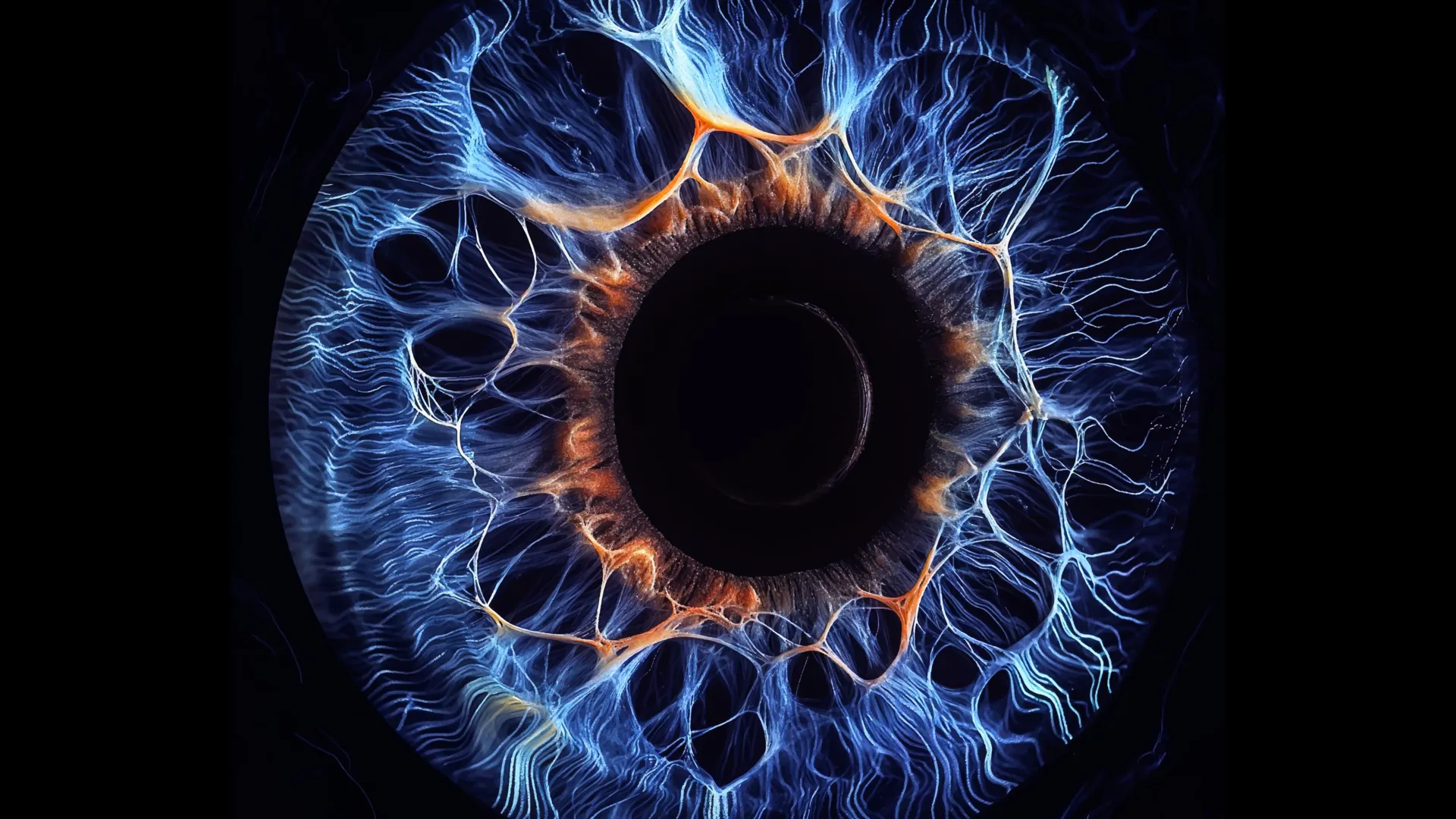
The eye has a hidden cleanup system scientists never knew existed

Scientists have discovered a hidden cleanup system at the back of the eye that drains fluid and waste through a previously unknown pathway. The surprising finding, demonstrated in mice, could open the door to new treatments for glaucoma, macular degeneration, and other causes of blindness.

Science

Scientists discover 5 hidden brain patterns behind depression

Depression may not be one biological condition, but several distinct patterns of brain activity hiding under the same diagnosis. Researchers studying 263 people with depression identified five brain profiles, each showing different patterns of communication between brain regions and associations with symptoms such as anxiety, trauma, and substance abuse.

Science

Scientists find hidden materials that could improve batteries and solar fuels

Scientists have uncovered a hidden world of “in-between” materials that briefly form as chemical ingredients are heated, revealing structures that conventional methods can miss. Among the discoveries is a previously unknown form of bismuth vanadate, a material widely studied for using sunlight to help produce clean hydrogen. The new version has a different atomic structure and interacts with light in a strikingly different way, potentially opening new possibilities for solar fuels, catalysts, and electronics.

Science

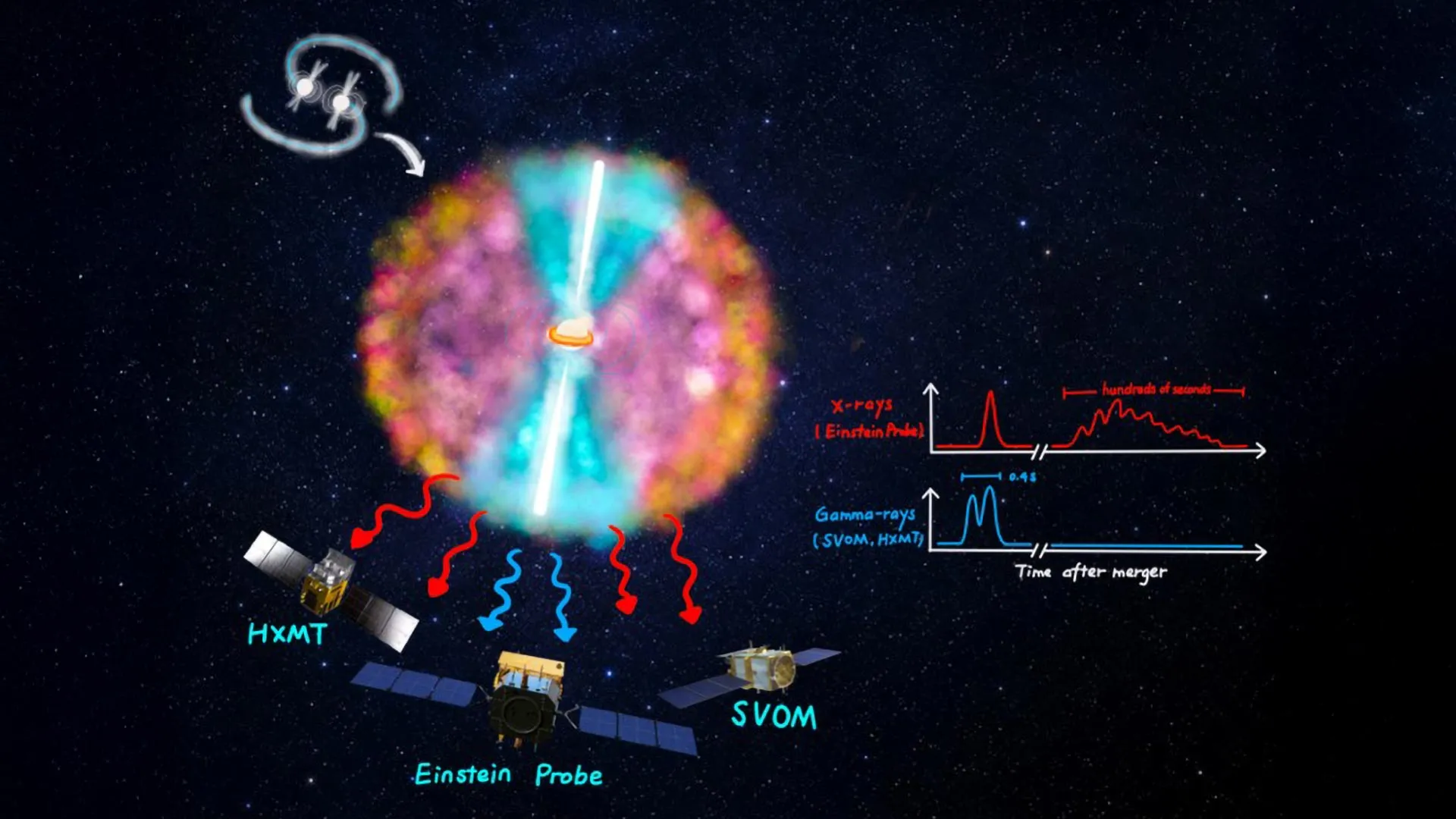
Einstein Probe reveals a hidden phase of neutron star collisions

Einstein Probe revealed nearly 10 minutes of soft X-ray activity following a short gamma-ray burst, exposing a phase of neutron star mergers that previous missions may have missed. The prolonged emission could have been powered by a newly formed magnetar and may provide a valuable new counterpart to gravitational-wave signals.

Science

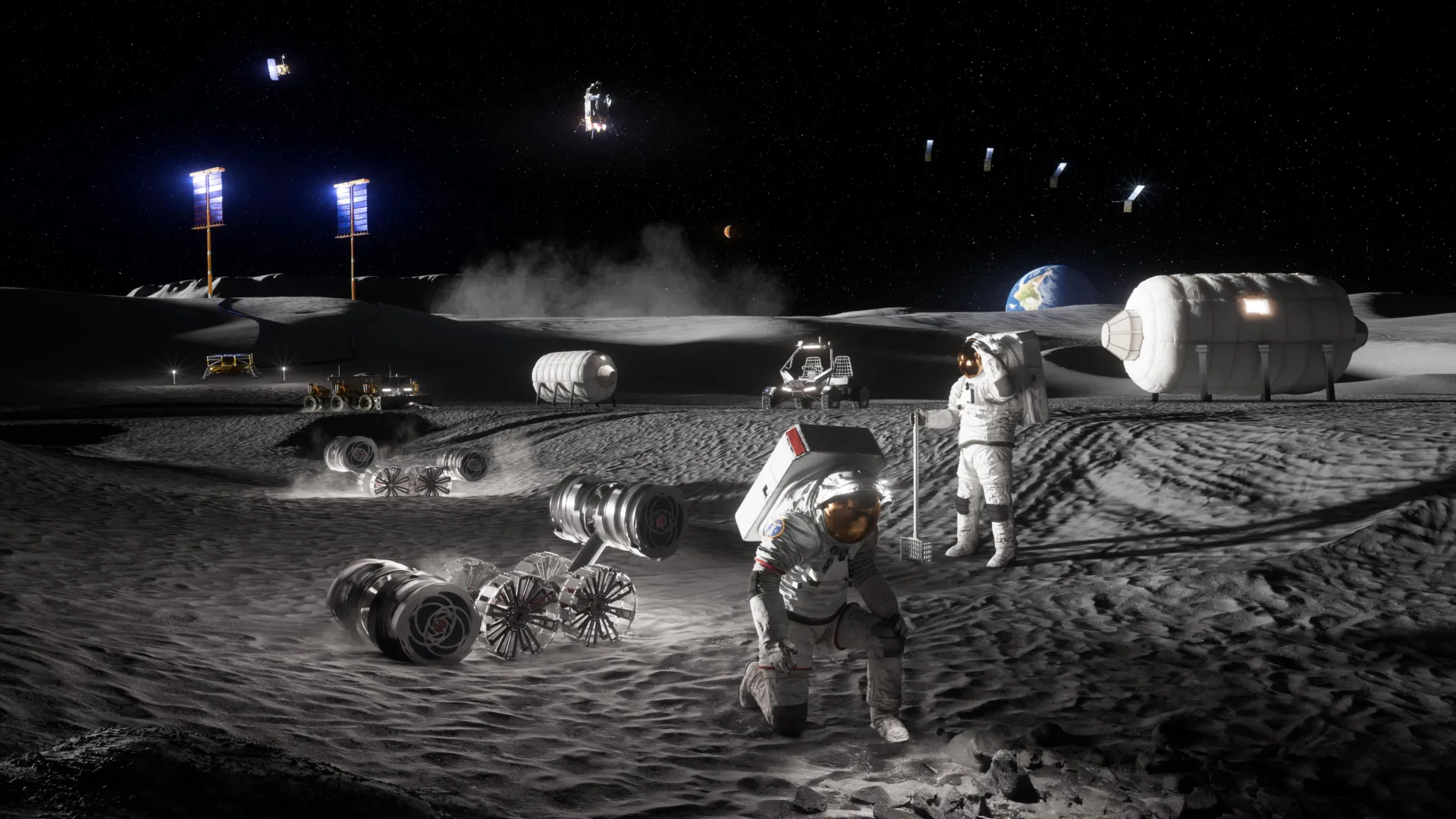
NASA is searching for hidden caves to build its first Moon base

NASA is preparing for humanity’s first Moon base with three investigations that will hunt for underground shelters, uncover hidden ice, and track dangerous conditions on the lunar surface. The findings could reveal how astronauts can survive and thrive on the Moon while laying the groundwork for future journeys to Mars.

Science

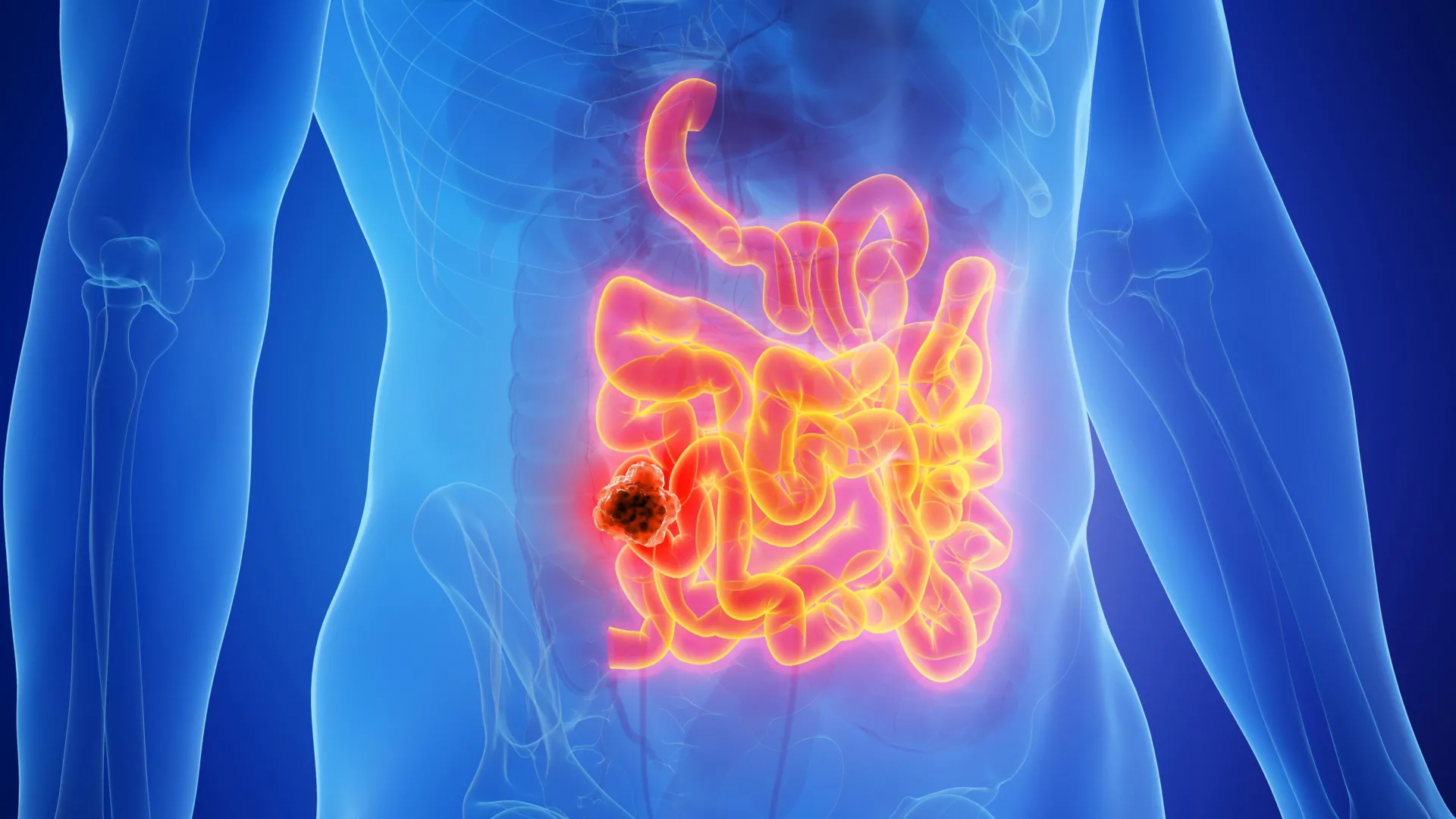
MIT scientists find a hidden cancer risk of the keto diet

A ketogenic diet increased small-intestinal tumors in cancer-prone mice while reducing tumors in the colon, revealing a strikingly different response within neighboring parts of the gut. Researchers traced the increased risk not to ketones, but to the way intestinal stem cells processed the diet’s high levels of fat. That fat-burning activity pushed the cells to multiply more rapidly, potentially raising the chance of cancerous changes.

Advertisement
Health

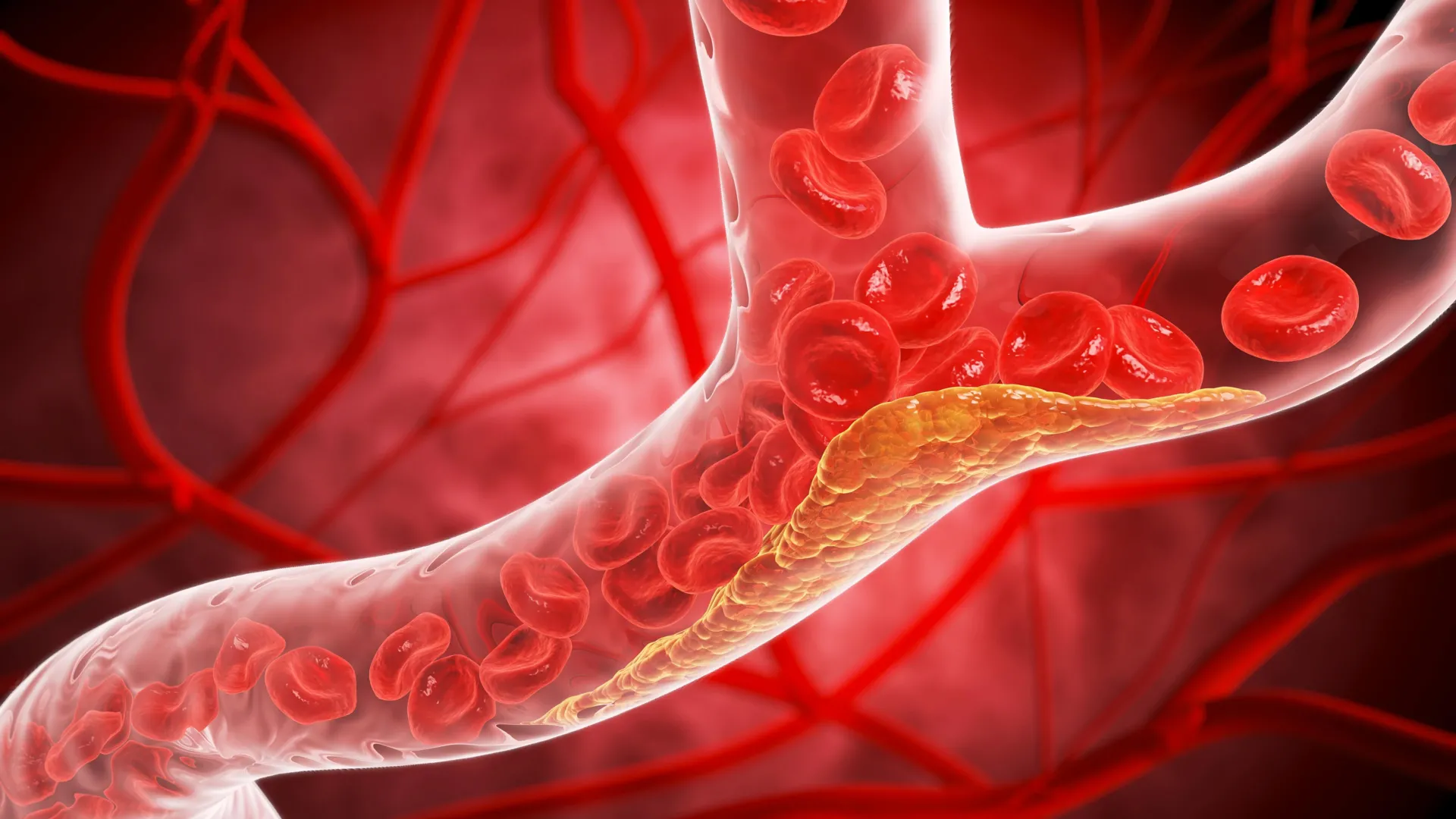
1 in 13 adults under 30 already had hidden artery plaque

More than half of 16,000 apparently healthy adults had signs of atherosclerosis, with arterial plaques already detectable in about 1 in 13 people ages 18 to 29. Researchers say directly imaging the arteries could reveal hidden cardiovascular disease years or even decades before symptoms appear.

Science

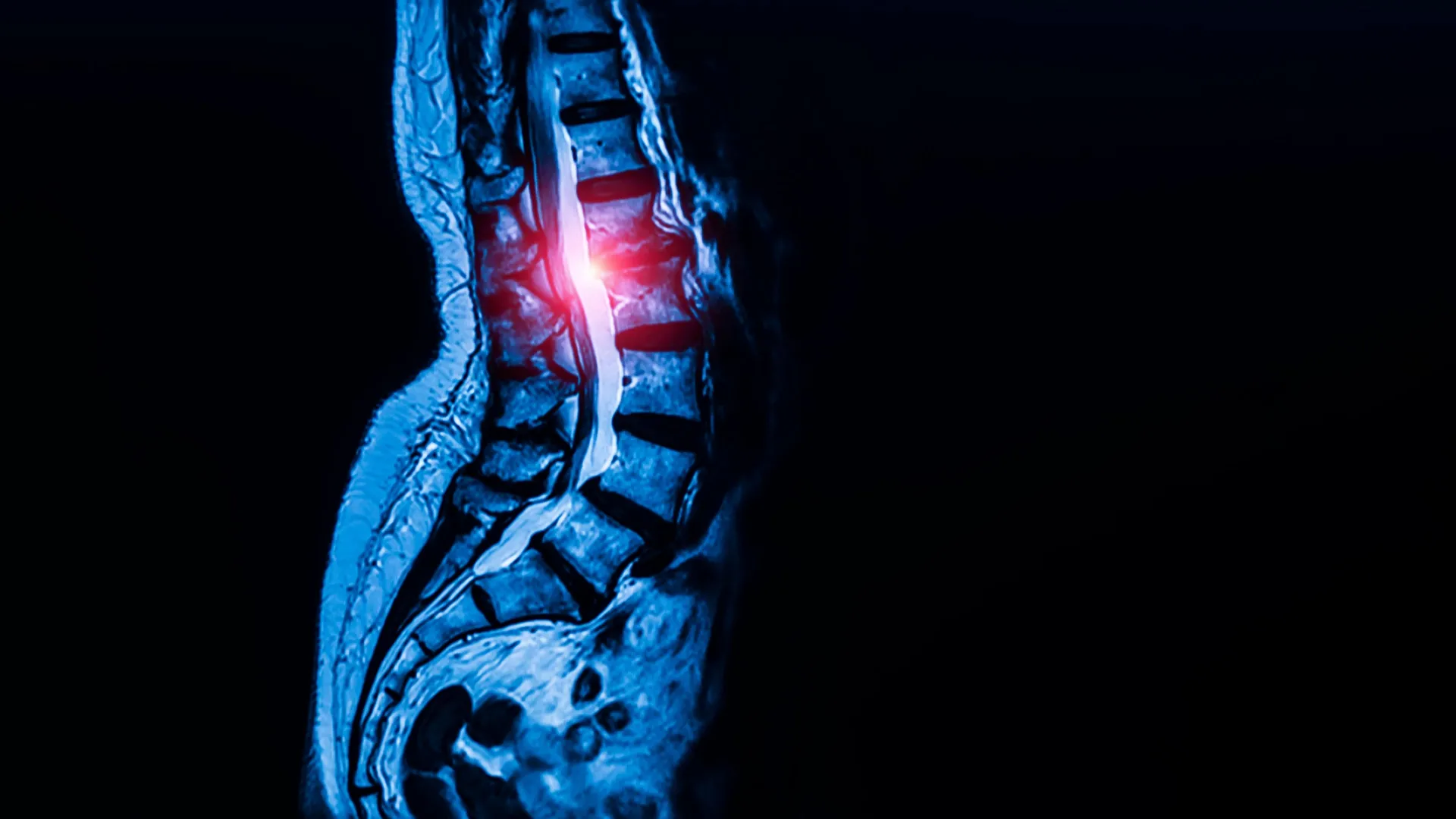
Hidden stem cells may be fueling spinal stenosis

Scientists have discovered a stem cell that appears to serve as a master source for tendon and ligament cells throughout the body. In lumbar spinal stenosis, these cells become unusually active and may drive the ligament overgrowth that squeezes spinal nerves and causes pain, numbness, and difficulty walking. Researchers found that reducing calcium signaling stopped this abnormal growth in mice.

Topic: hidden | RocksNews