Advertisement
Advertisement

Topic

Find

Science

Scientists find hidden materials that could improve batteries and solar fuels

Scientists have uncovered a hidden world of “in-between” materials that briefly form as chemical ingredients are heated, revealing structures that conventional methods can miss. Among the discoveries is a previously unknown form of bismuth vanadate, a material widely studied for using sunlight to help produce clean hydrogen. The new version has a different atomic structure and interacts with light in a strikingly different way, potentially opening new possibilities for solar fuels, catalysts, and electronics.
Science

MIT scientists find a hidden cancer risk of the keto diet

A ketogenic diet increased small-intestinal tumors in cancer-prone mice while reducing tumors in the colon, revealing a strikingly different response within neighboring parts of the gut. Researchers traced the increased risk not to ketones, but to the way intestinal stem cells processed the diet’s high levels of fat. That fat-burning activity pushed the cells to multiply more rapidly, potentially raising the chance of cancerous changes.

Science

Scientists find a surprising clue to why the universe’s expansion doesn’t add up

Tiny magnetic fields created shortly after the Big Bang may help explain the long-running disagreement over how fast the universe is expanding. Detailed simulations show that these primordial fields could have changed the formation of hydrogen in the early universe, affecting the cosmic microwave background and the expansion rate inferred from it.

Science

Scientists find an “earthquake gate” as California fault stress hits a 1,000-year high

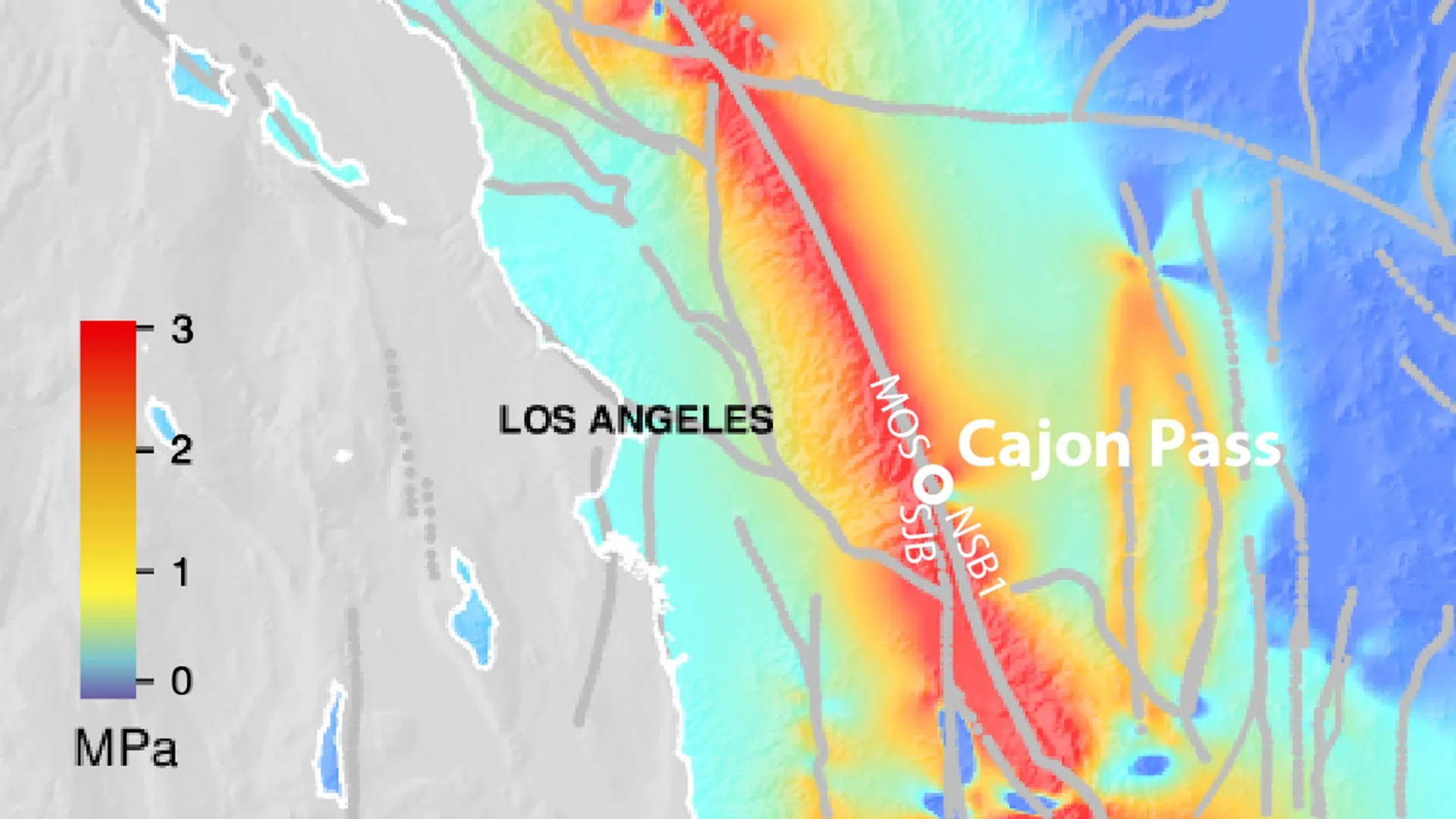
Researchers say stress on Southern California’s San Andreas and San Jacinto faults has reached some of the highest levels seen in a 1,000-year simulation. Because both faults are highly stressed at the same time, the Cajon Pass junction may be increasingly primed for a rupture that could cross both systems, although the study does not predict when an earthquake will happen.

Entertainment

Banijay Entertainment’s Scripted Secret: Find the Talent, Then Back the Ideas

With 170 labels across 25 territories, Banijay Entertainment has plenty of scale. But at Iberseries & Platino Industria, Steve Matthews, head of scripted, creative, made clear that the company’s global strategy doesn’t begin with scale, platforms or market trends. It begins with writers. “Good writers, I mean, it really boils down to that,” said Maria […]

Science

Scientists find new virus behind mysterious tick illness

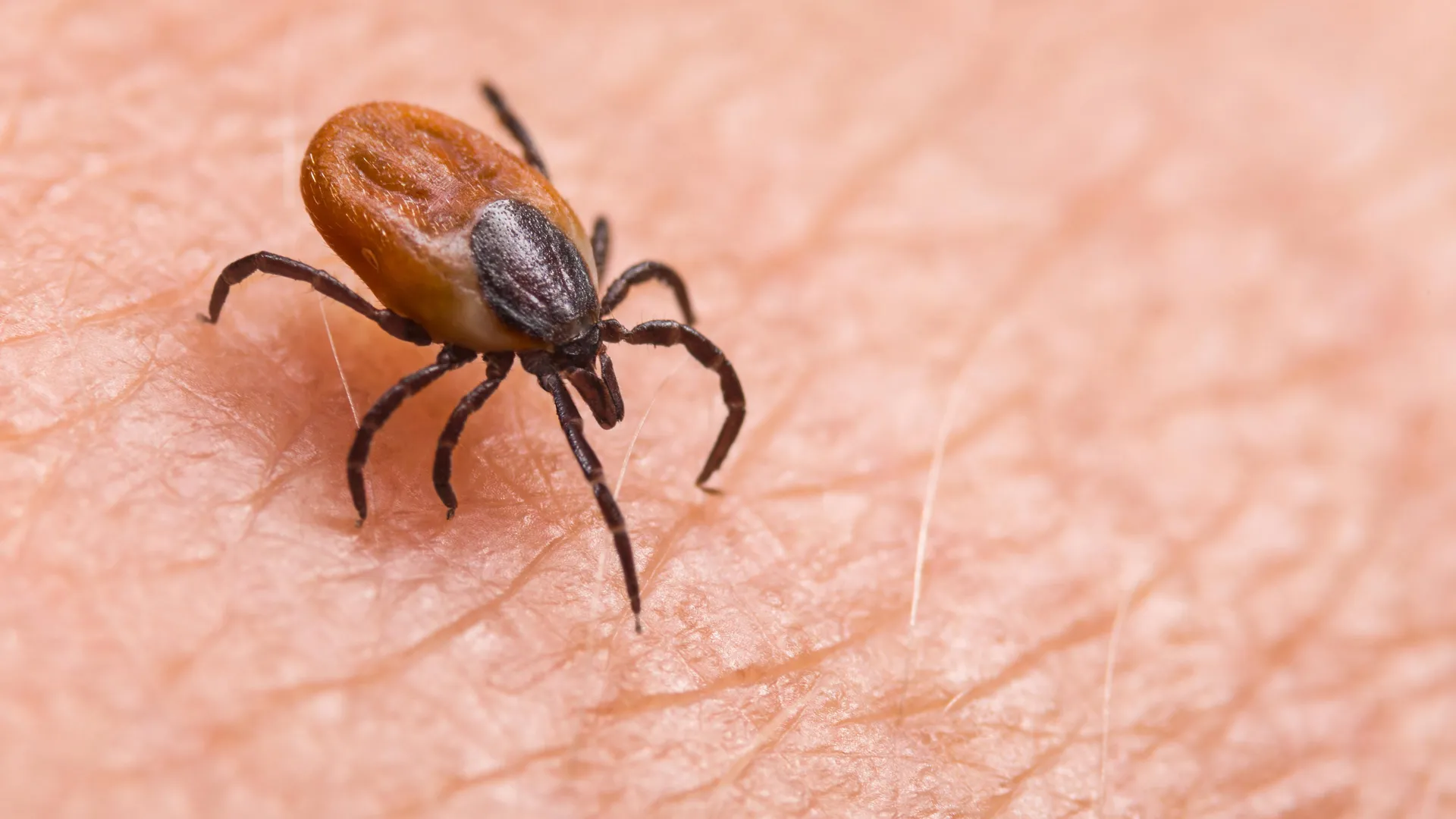
Scientists have discovered a new tick-borne virus in China that causes flu-like illness and may account for previously unexplained cases of fever, fatigue, digestive problems, and low platelet counts. Most patients with ALTNV alone recovered, but coinfections with another dangerous tick-borne virus were linked to more serious complications.

Advertisement
Science

Scientists find that “perfect” systems may be surprisingly fragile

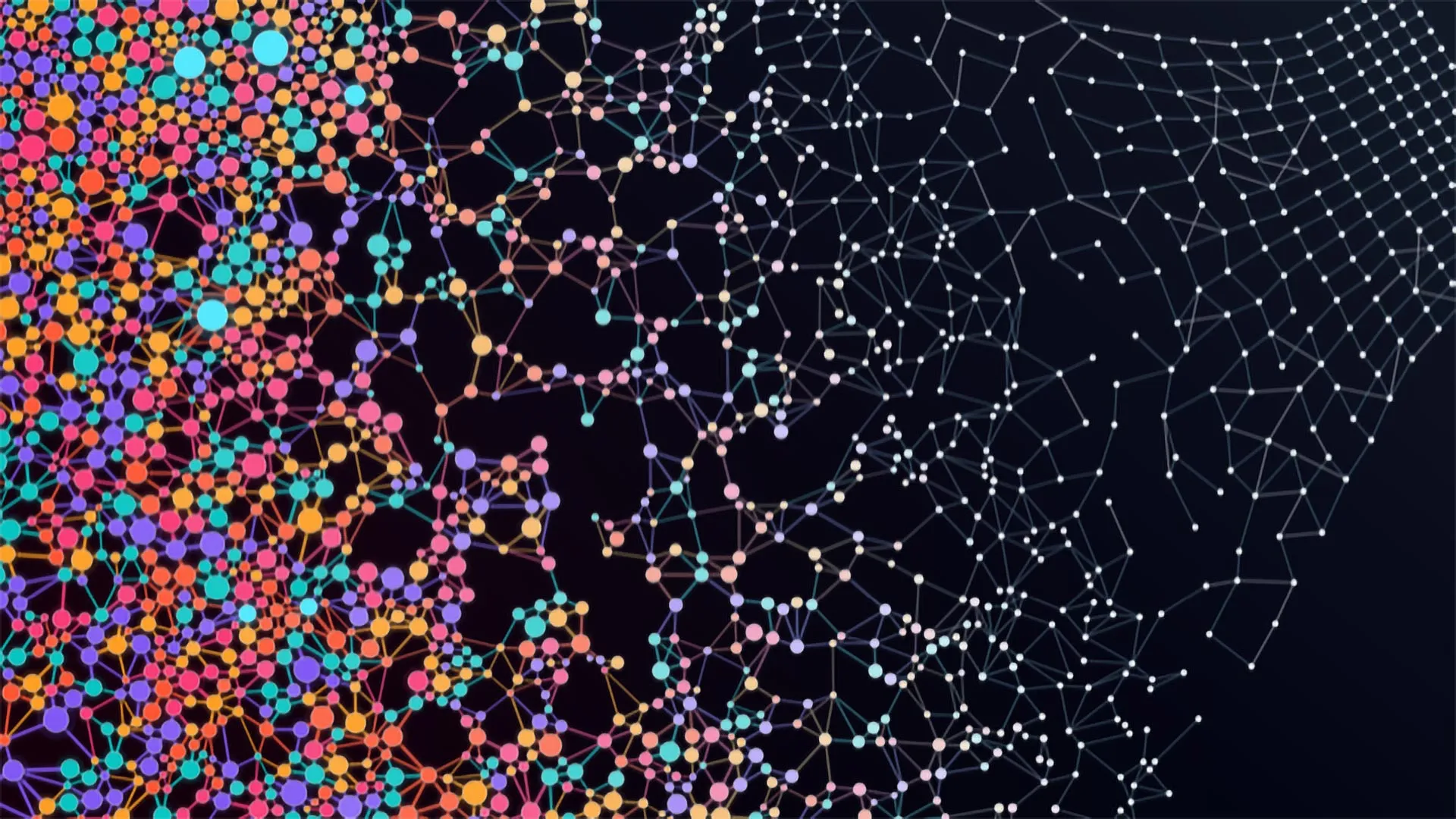
Complex systems may work better when their parts are not perfectly alike. Northwestern physicists found that carefully balanced variation, or “disorder,” can make networks such as power grids, ecosystems, neurons, and materials more stable. Even random differences sometimes improved stability compared with completely uniform systems. The discovery could help researchers design more resilient technologies and explain why natural systems are so rarely perfectly uniform.

Advertisement
Style

‘I wanted to find the slowest fashion imaginable’: the woman growing her own dress

Looking for an alternative to fast fashion, Eve Ogden Schaub decided to create a garment from homegrown flax From crop tops to shorts and brightly patterned dresses, many of today’s clothes are the result of fast fashion. But one woman is taking a radical approach to challenging this trend by growing her own dress. Eve Ogden Schaub is in the midst of a project to create a linen garment made from flax she is growing at home, documenting the process in videos shared on her Instagram account. Continue reading...

Health

Scientists find a new layer of Alzheimer’s hidden in the genome

Scientists found that the 3D organization of DNA is disrupted in several types of brain cells affected by Alzheimer’s disease, altering how important genes are switched on and off. The discovery reveals a previously underexplored layer of the disease that could open new paths for understanding and eventually treating Alzheimer’s.