Advertisement
Advertisement

Topic

Find

Science

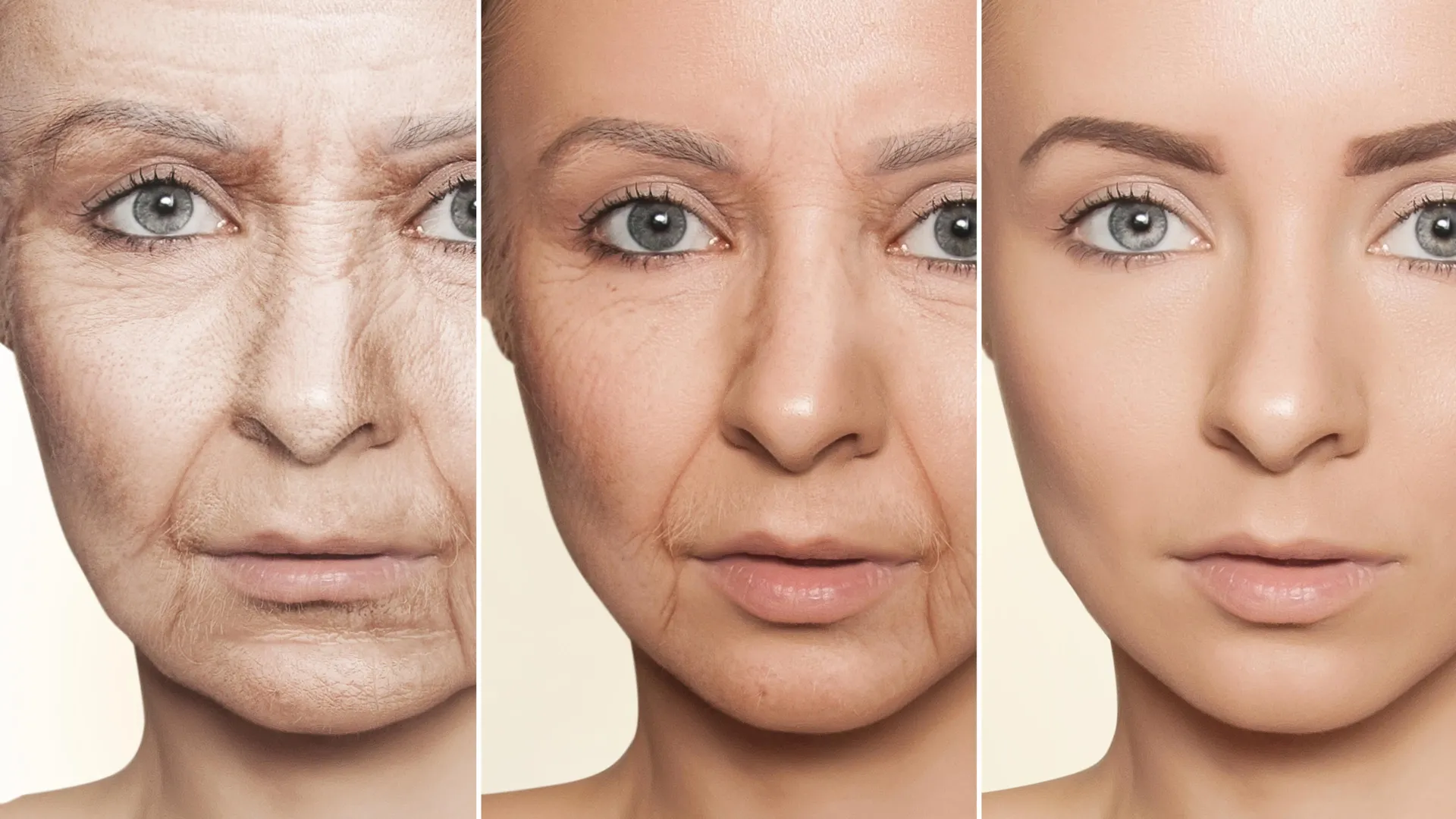
Scientists find 10 different diets linked to slower aging

A study by DZNE finds that healthy eating is associated with slower biological aging—and that there is more than one way to eat healthily. The researchers examined ten dietary patterns considered healthy, including the Mediterranean, Nordic, and a plant-based diet, as well as the DASH diet, which is designed to help lower blood pressure. The findings are published in the journal Nature Communications.

Health

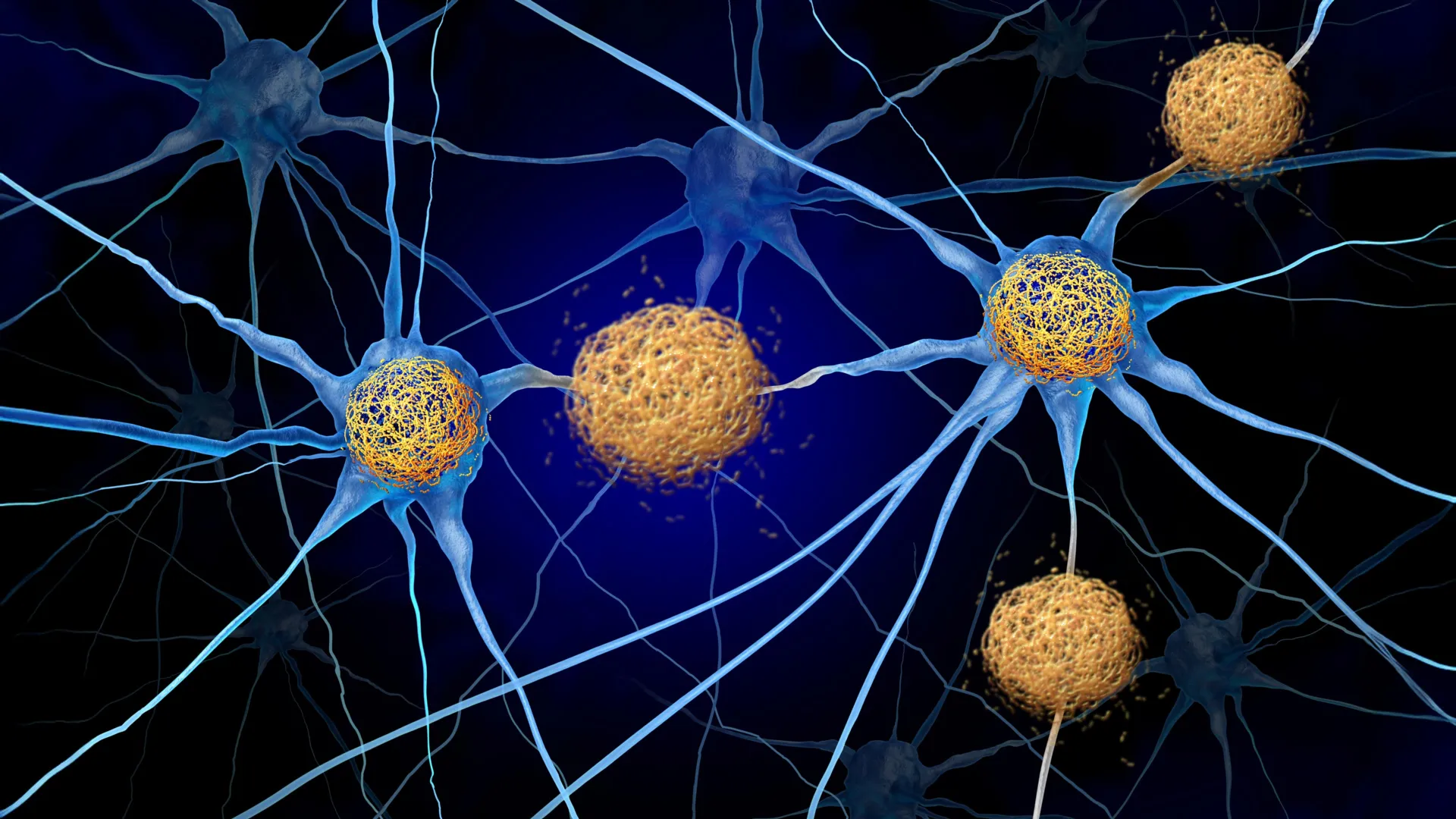
Scientists find a youth protein that helps aging brain cells act young again

Scientists have discovered that a protein linked to youth helps protect the brain’s immune cells from age-related decline. Restoring the protein in older mice improved the cells’ ability to clear debris and reduced signs of inflammation, raising hopes for future treatments targeting brain aging and Alzheimer’s disease.

Advertisement
World

FRANCE 24 report: India’s Gen Z protesters find gaps in security clampdown

India’s capital New Delhi faced a near lockdown situation on Saturday, following a call of protest by Gen Z led Cockroach Janata Party. More than 30,000 security forces were deployed and over 50 metro stations were shut. Authorities imposed an internet blackout for 24 hours to suppress the movement but the protesters managed to slip through the loopholes. FRANCE 24’s team on the ground reports.

Science

Scientists find a surprising genetic twist behind octopus intelligence

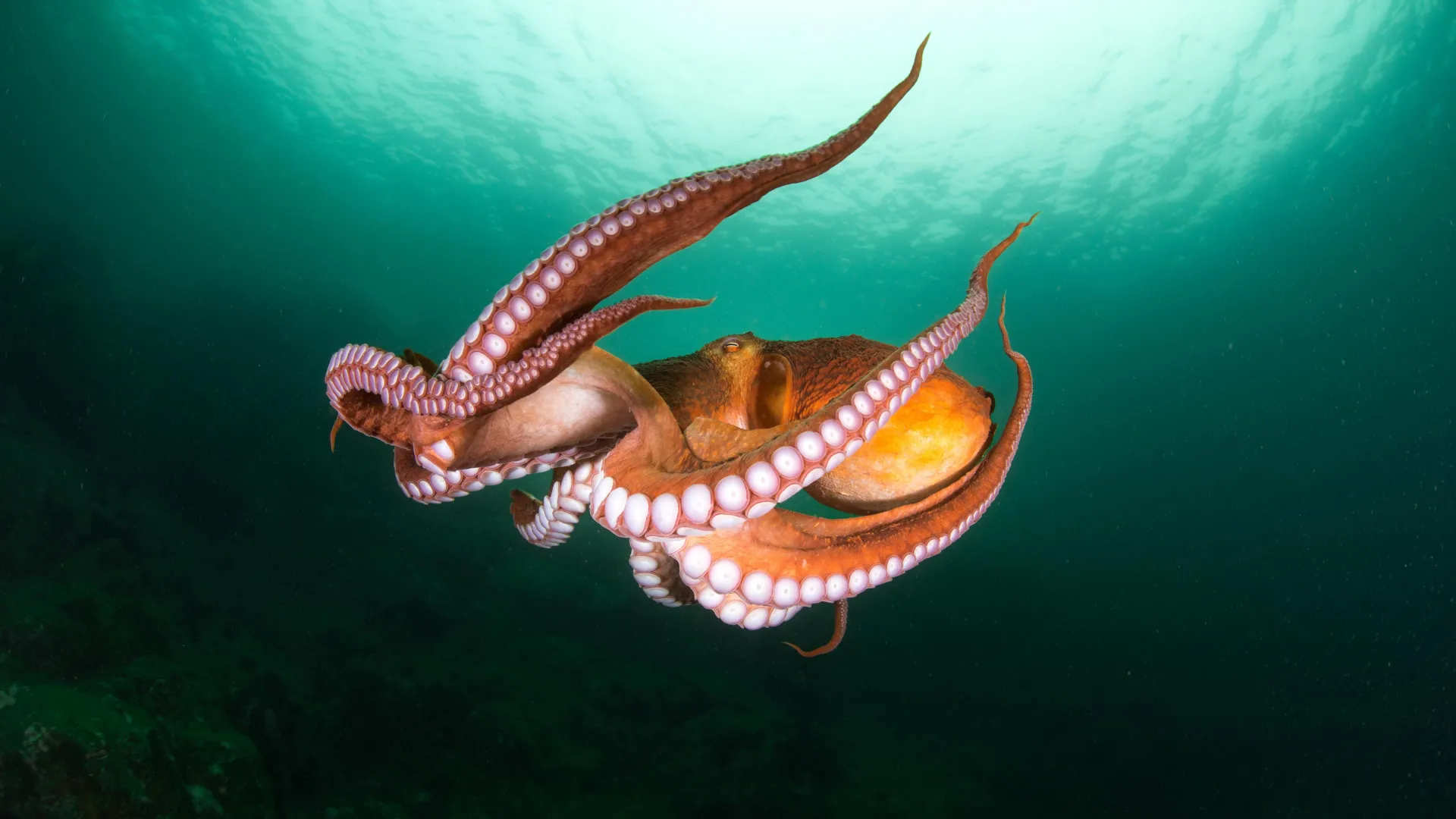
The remarkable intelligence of octopuses, squid, and cuttlefish may trace back to an ancient reshuffling of their DNA that created new connections between genes. Scientists discovered that these changes in the genome's 3D structure may have helped drive the evolution of their unusually complex nervous systems.

Science

Scientists find a hidden problem with endless smartphone scrolling

Excessive smartphone use may be taking a hidden toll on the brain and body, with heavy scrolling linked to poorer memory, reduced attention, disrupted sleep, and potential balance problems. Researchers found that weak self-control and fear of missing out, rather than personality alone, are key factors behind problematic phone use.

Advertisement
Science

Scientists find hidden materials that could improve batteries and solar fuels

Scientists have uncovered a hidden world of “in-between” materials that briefly form as chemical ingredients are heated, revealing structures that conventional methods can miss. Among the discoveries is a previously unknown form of bismuth vanadate, a material widely studied for using sunlight to help produce clean hydrogen. The new version has a different atomic structure and interacts with light in a strikingly different way, potentially opening new possibilities for solar fuels, catalysts, and electronics.

Science

MIT scientists find a hidden cancer risk of the keto diet

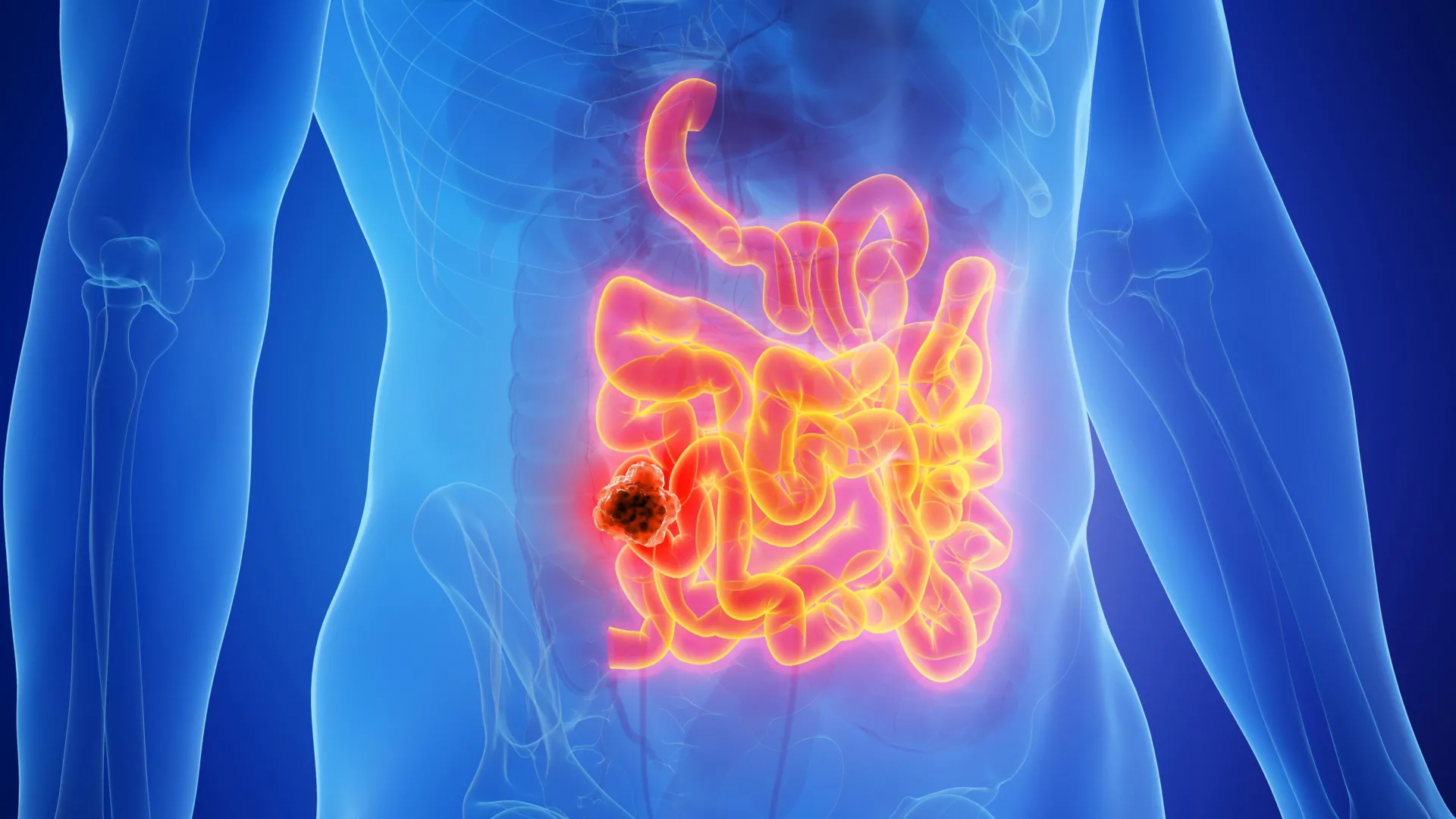
A ketogenic diet increased small-intestinal tumors in cancer-prone mice while reducing tumors in the colon, revealing a strikingly different response within neighboring parts of the gut. Researchers traced the increased risk not to ketones, but to the way intestinal stem cells processed the diet’s high levels of fat. That fat-burning activity pushed the cells to multiply more rapidly, potentially raising the chance of cancerous changes.