Sports
Russell to have 'deep, deep look in mirror'
Mercedes' George Russell speaks about his season after team-mate Kimi Antonelli won the championship
International news in seven languages
Topic
Mercedes' George Russell speaks about his season after team-mate Kimi Antonelli won the championship
Two Senate races that a year ago were thought to be battlegrounds turned out to be slam-dunks for the Democrats.
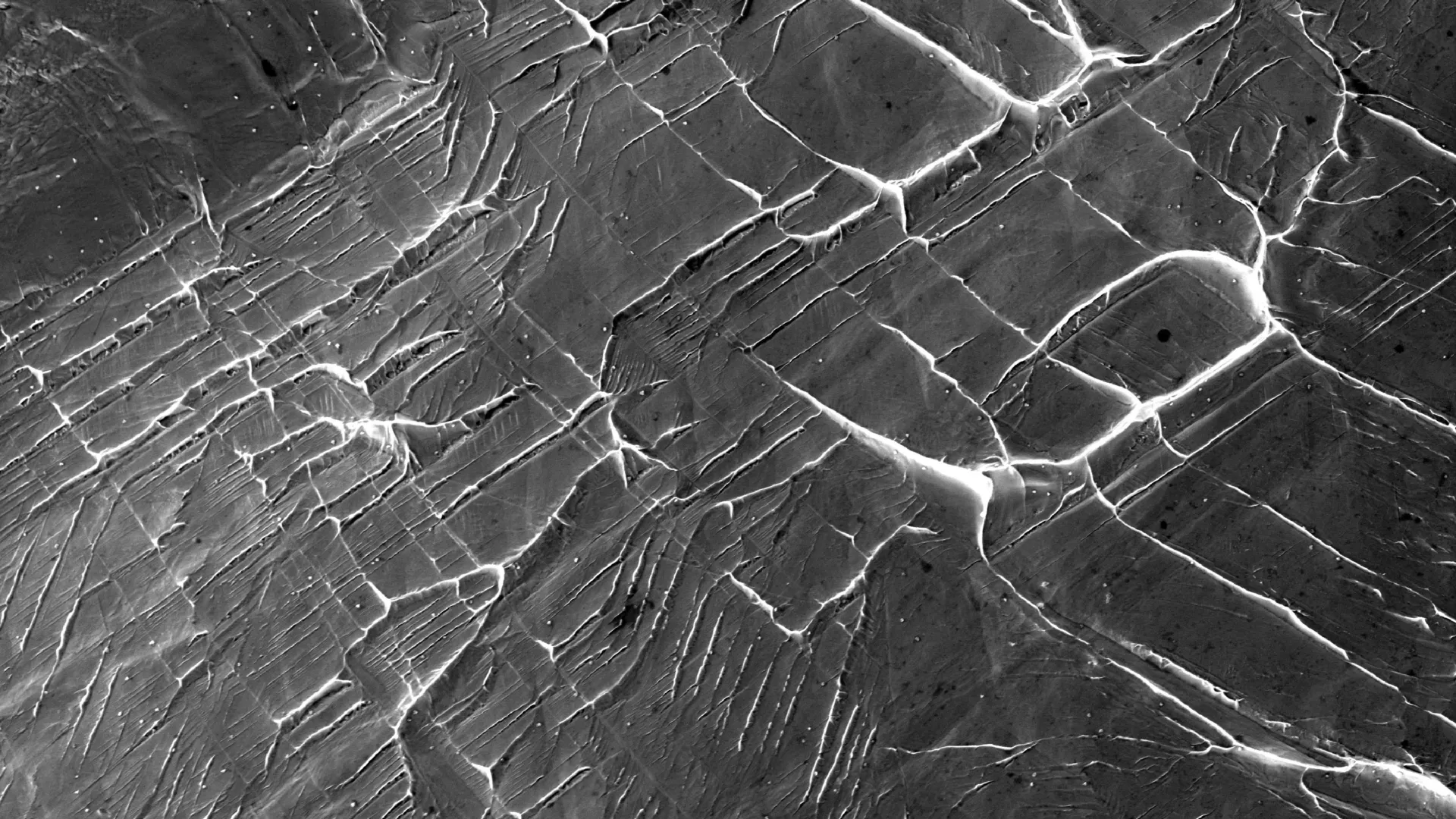
Scientists have discovered a surprising mechanism that allows certain metals to resist cracking at temperatures as low as -253°C (-424°F), when similar materials typically become dangerously brittle. Instead of breaking, two experimental alloys reorganize their internal structures, creating new ways to absorb stress and remain flexible.
With the US approaching a potentially consequential midterm election, the political landscape appears to be shifting. Alison Sargent is pleased to welcome Dr Richard Johnson, Senior Lecturer in US Politics & Policy at Queen Mary University of London, who examines the prospect of a sweeping Democratic victory. He argues that the party could achieve gains of a magnitude not seen since Barack Obama's historic presidential election in 2008. Johnson sees a combination of Democratic enthusiasm, and growing support among independents, white college-educated voters and Latinos, and signs of defect
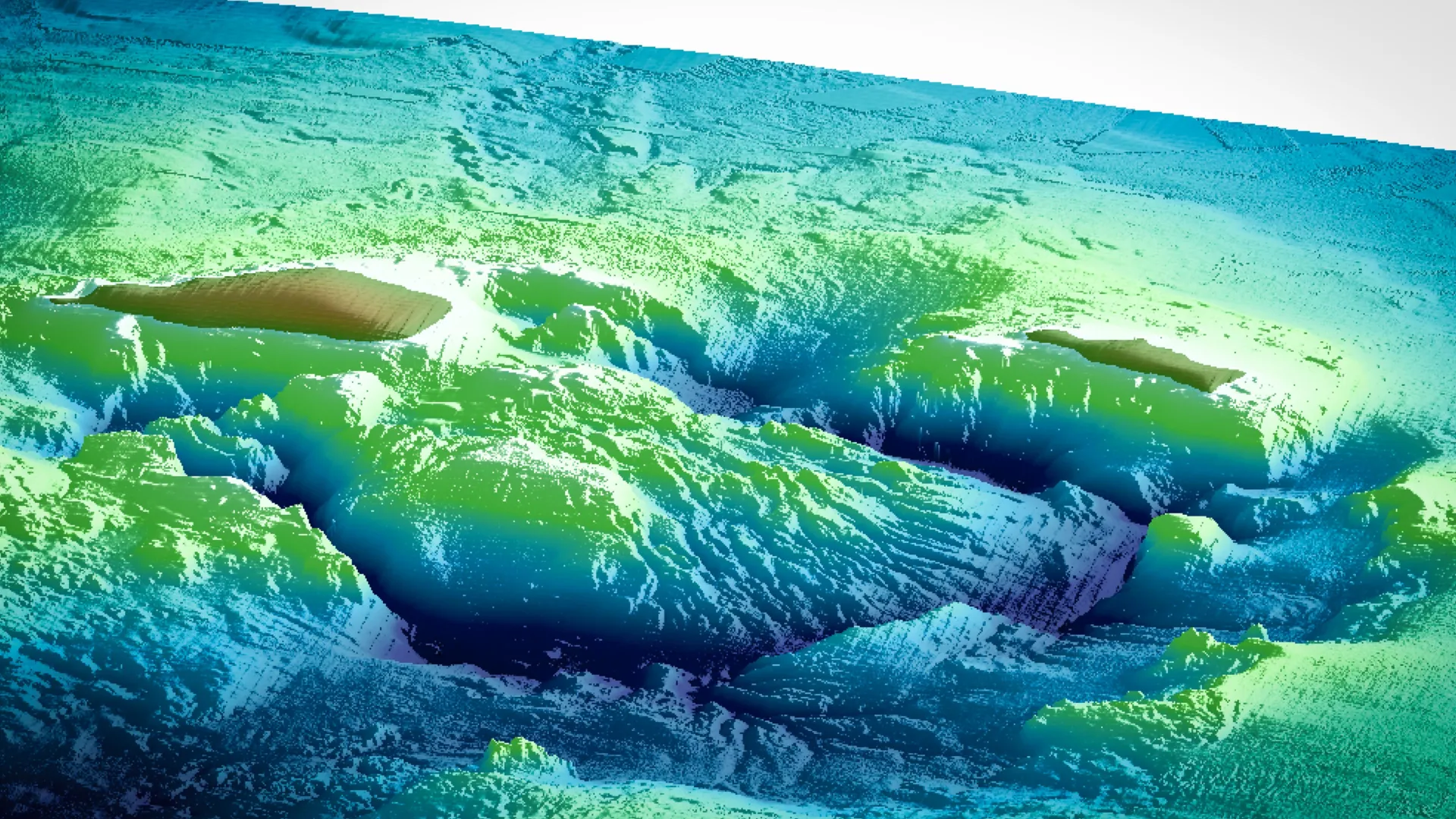
Deep beneath Japan’s Kikai caldera, a massive magma reservoir is refilling 7,300 years after one of the most powerful volcanic eruptions in Earth's recent geological history. Scientists used underwater seismic surveys to reveal a vast store of magma that appears to have accumulated since the ancient catastrophe. The discovery could help explain how supervolcanoes like Yellowstone and Toba rebuild their magma supplies.
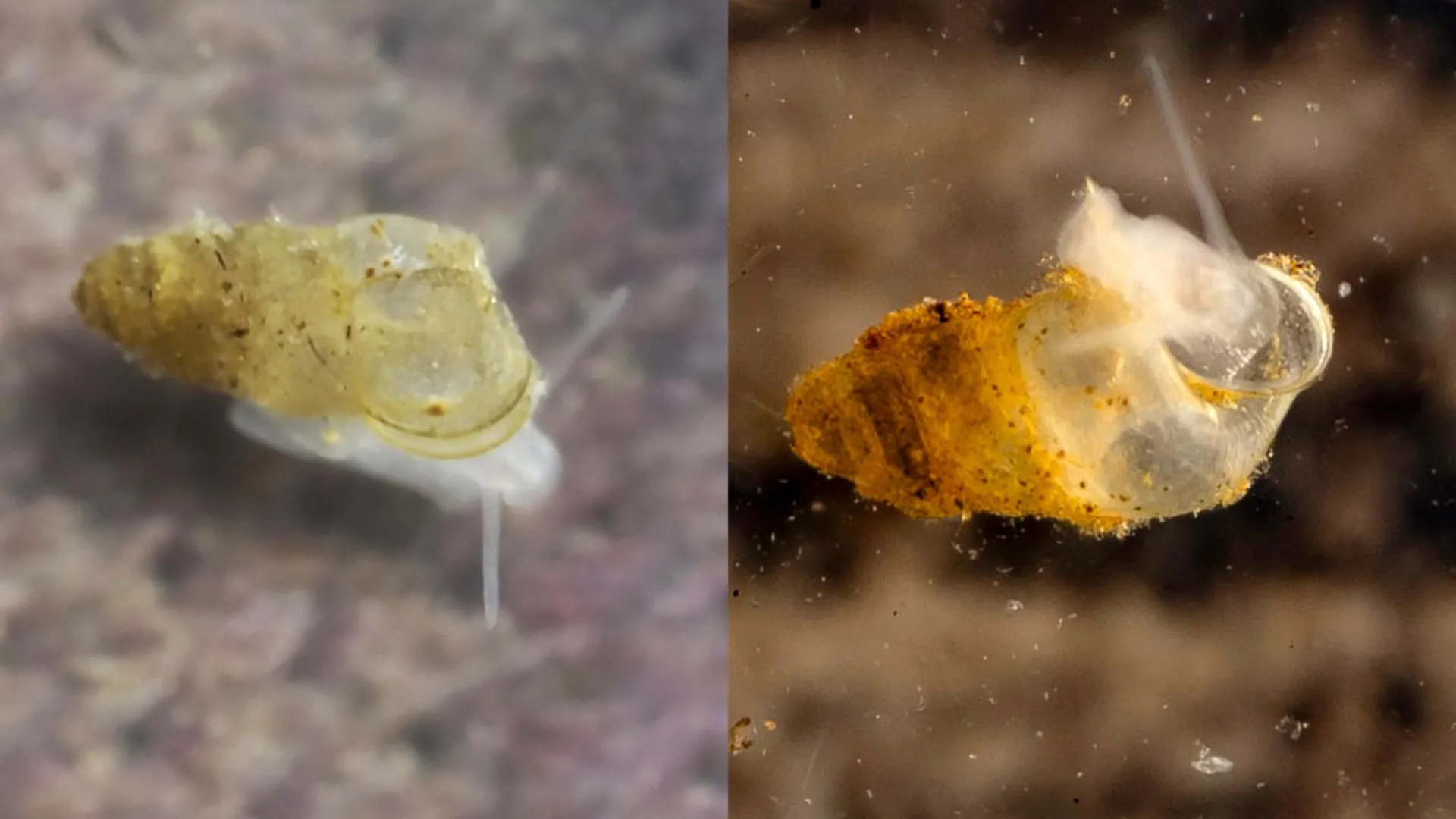
Deep inside a high-altitude Chinese cave, scientists discovered a ghostly, eyeless freshwater snail that has evolved to live entirely in darkness, marking the first recorded discovery of its kind in China. Named after a faceless mythical creature, the rare species may already be in danger, with researchers finding only three living adults.
Scientists have discovered a surprising two-way relationship between sleep and growth hormone, revealing how the brain carefully balances physical recovery with wakefulness. The findings could help explain why poor sleep harms metabolism and brain health, potentially opening the door to new treatments for sleep and neurological disorders.
All over the globe – from the Mexican border to Syria to the Sahel – companies are renting out planes equipped with powerful sensors to armies and intelligence services for political missions. The market may be discreet, but it isn’t invisible.
Residents of Adigrat tell the BBC they have seen truck loads of soldiers from Eritrea moving south.
A combination of local, national and international events has contributed to making the Kansas Senate race one to watch.
In a bid to cut its reliance on foreign tech, India tries to catch up with China and the U.S. by readying an investment of $25 billion in Deep Tech startups.
Swedish Social Democratic Party leader Magdalena Andersson has abandoned efforts to form a four-party government. Deep divisions within the election-winning bloc have left Sweden in political deadlock.
Under the Finnish capital lies a world of swimming pools, go-karting tracks, playgrounds – and even an art gallery The moon is an impostor. Swimming backstroke beneath its surface, I look up at craggy hollows in close relief. White rock undulates in all directions, a forest of peaks rising next to a desert of craters. Every time I trick myself into thinking I’m somewhere celestial, the sound of children splashing brings me back to earth. This is no lunar landscape but Helsinki’s underground swimming hall, excavated from granite bedrock and officially opened in 1993. These days, Itäkeskus uimah
Deep-sea mining may generate sediment plumes, destroy habitats and reduce the biodiversity that cascades through the food chain, placing fisherfolk in the middle of an uncertain ocean economy.
Physicists have put a decades-old idea about why the strange rules of quantum mechanics disappear in our everyday world to one of its toughest experimental tests yet. Deep beneath Italy’s Gran Sasso mountain, researchers searched for an extremely faint radiation signal predicted by a theory suggesting that tiny fluctuations in spacetime, caused by gravity, gradually destroy quantum superpositions. After 62 days of measurements with a highly shielded germanium detector, they found no such signal.
A deep-sea microbe uses an exceptionally heat-resistant enzyme to turn atmospheric nitrogen into ammonia at temperatures that would destroy most proteins. Its unusual structure and a newly observed reaction state may reveal an ancient, shared mechanism behind nitrogen fixation and could eventually inspire cleaner biotechnology and fertilizer production.