Advertisement
Advertisement

Topic

climate

World

Wars, AI and climate on agenda as world leaders meet at UN

In the face of an unrelenting succession of global crises, this year's United Nations General Assembly has chosen as its theme “Restoring trust, managing transformation: A United Nations that delivers for all”. From AI to climate change and ongoing wars, France 24 takes a look at what’s on the agenda.

World

Climate change, overfishing: Lake Chad sees fish stocks dwindle

People living in Chad’s Lake Province are bearing the brunt of climate change. The region and the communities that have developed there have historically depended on this vast body of water. Fishing, first and foremost, but also farming, are the pillars of local livelihoods. Yet both are increasingly disrupted by erratic weather patterns: dwindling fish stocks, damaged farmland and a rising cost of living.

World

Who are the 100 world-leading environmentalists, according to The Independent?

PRESS REVIEW – Monday, September 21: The Independent's climate 100 list for 2026 is out, featuring names like Pope Leo and Sir David Attenborough. Climate change is having an undeniable effect on animals across the world, some of which are seeking human help. And finally: are people's dating patterns shifting?

Health

WHO and the Netherlands renew their partnership on climate change and health

The World Health Organization (WHO) and the Kingdom of the Netherlands have renewed their strategic partnership in addressing the growing impacts of climate change on global health. The Netherlands is providing a new allocation of €500 000 for 2024 to WHO, reinforcing its commitment to climate resilience and sustainable healthcare systems worldwide. This allocation supports WHO’s ongoing efforts to strengthen the Alliance for Transformative Action on Climate and Health Secretariat and advance climate change and health programmes globally. This contribution builds on the partnership established

Weather

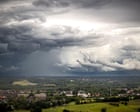
Weatherwatch: rainclouds are travelling farther in warmer world

Climate crisis affects not only the amount of rain that falls but where, with implications for land use and water security Have you ever wondered how far a raindrop has travelled before it lands on you? It may have journeyed thousands of kilometres from the ocean, sea or lake it evaporated from – and now research shows raindrops are travelling even farther than they used to. Warmer air can hold more water vapour, and that is changing not only how much rain we receive but also where it falls. Travis Aerenson, of the University of Wyoming, and his colleagues modelled atmospheric moisture movemen

Advertisement
Science

Irrigation’s climate benefit could equal 363 years of its own emissions

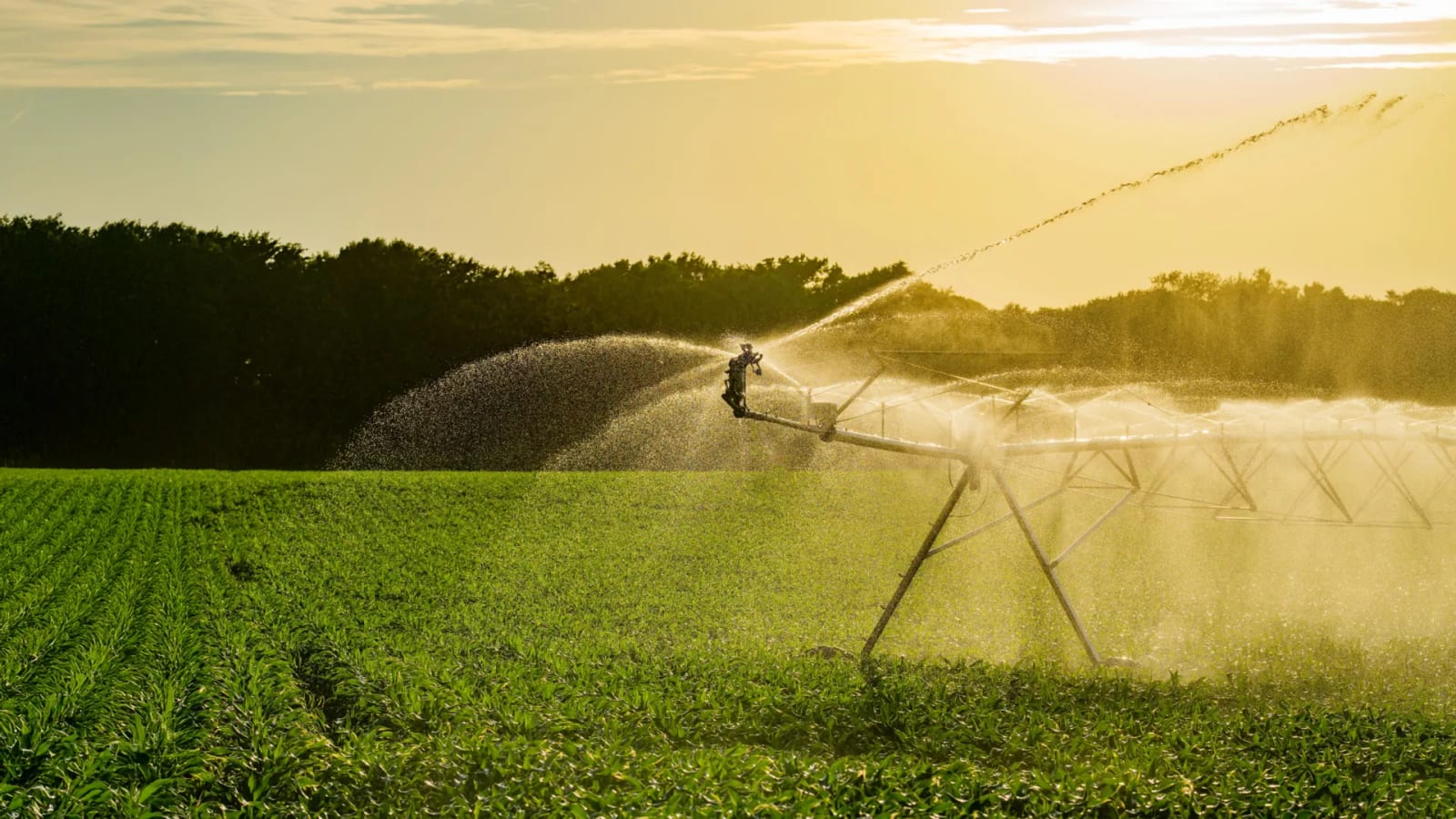
U.S. irrigation produces some greenhouse gas emissions, but new research suggests it prevents vastly more by allowing farmers to grow more food on less land. Without irrigation, replacing lost crop yields could require converting natural ecosystems into farmland, releasing an estimated 6.86 gigatons of greenhouse gases. That is equivalent to about 363 years of current annual U.S. irrigation emissions.

Weather

Weatherwatch: Climate crisis fuelling steep fall in migratory bird numbers

Many species under threat use the African-Eurasian flyway, one of the planet’s largest mass-migration systems It may still feel like summer, but in the world of birds, autumn migration is already well under way. Cuckoos and swifts have already left us, and while swallows and many species of warbler will not depart our shores until September, many species of Arctic-breeding waders have begun to stop off at our coastal marshes to refuel for their long journey south. This year, however, there could be fewer than usual. A review by the British Trust for Ornithology, working with other internationa