Records show that El Nino events have been frequent and often extreme over the past few decades. Is this normal? Or is it the result of climate change? Corals can give us a clear indication.
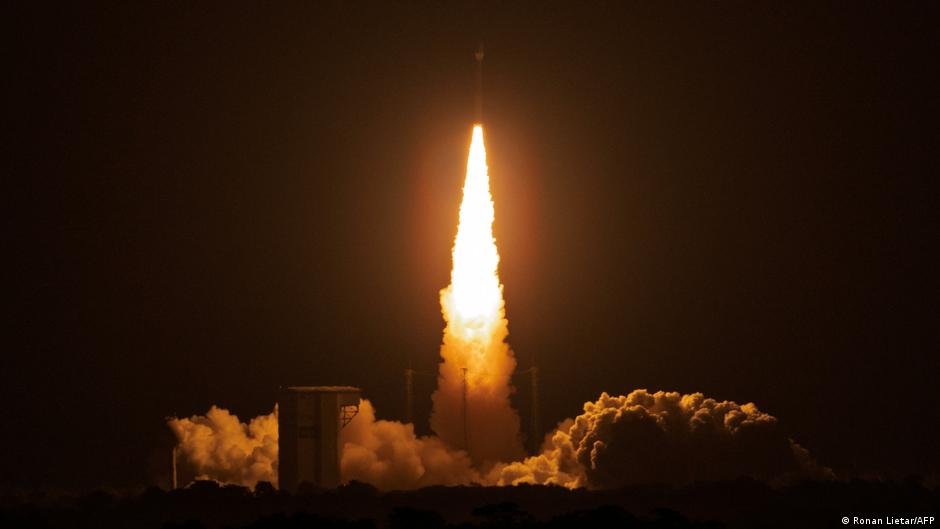
The European Space Agency has put two satellites into orbit to take a closer look at the impact of climate change. One of them will focus particularly on plant life.
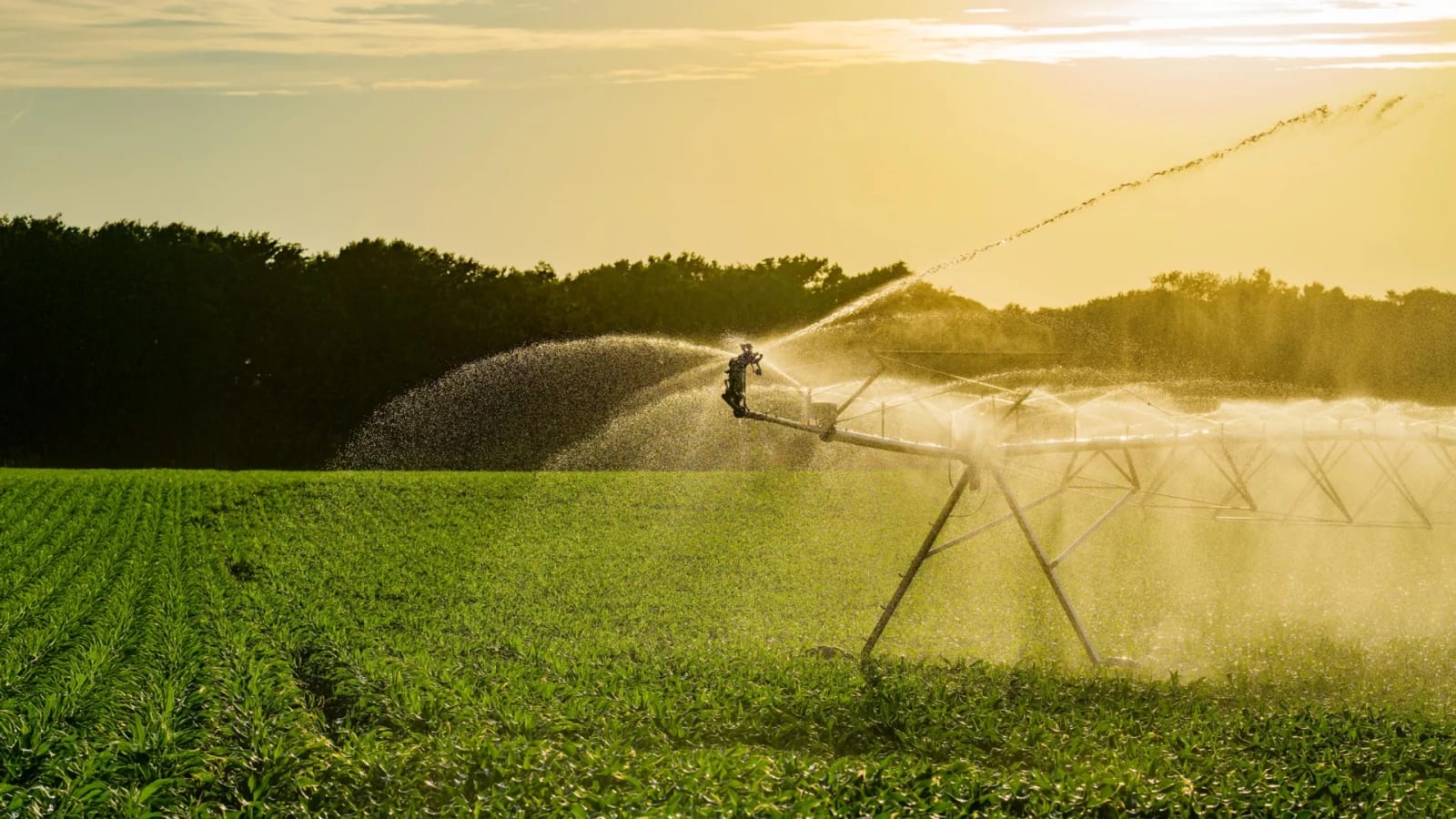
U.S. irrigation produces some greenhouse gas emissions, but new research suggests it prevents vastly more by allowing farmers to grow more food on less land. Without irrigation, replacing lost crop yields could require converting natural ecosystems into farmland, releasing an estimated 6.86 gigatons of greenhouse gases. That is equivalent to about 363 years of current annual U.S. irrigation emissions.
Many species under threat use the African-Eurasian flyway, one of the planet’s largest mass-migration systems It may still feel like summer, but in the world of birds, autumn migration is already well under way. Cuckoos and swifts have already left us, and while swallows and many species of warbler will not depart our shores until September, many species of Arctic-breeding waders have begun to stop off at our coastal marshes to refuel for their long journey south. This year, however, there could be fewer than usual. A review by the British Trust for Ornithology, working with other internationa
A glacier and rock collapse in Nepal killed nearly 1,400 people and left thousands missing. Scientists say decades of warming helped set the disaster in motion.