World
Doomsday AI: panic, regulation and the China fear
When tech CEOs warn AI could end humanity, does the media get the story right?
International news in seven languages
Topic
When tech CEOs warn AI could end humanity, does the media get the story right?
Danish Prime Minister Mette Frederiksen has described a deal for the US to develop a significant military presence on Greenland, as 'a good agreement'. US President Donald Trump announced the deal on Friday, after he spent months seeking to acquire Greenland, citing threats from Russia and China, and even raised the possibility of military action. Story by Charlotte Hughes.
Formed in Beijing and Harvard, the Chinese projector began in the contemporary vanguard and then questioned her and bet on her country's rural tradition. Between two worlds - East and West - he has received recognition from both for his defense of shared knowledge
China's only daughters were educated to study, be independent and take advantage of opportunities. These same qualities are now seen as obstacles to marriage and motherhood.
Dimon and Fraser join OpenAI CEO Sam Altman, Nvidia chief Jensen Huang and others who are reportedly planning to attend the Trump-Xi state dinner.
A spate of warnings in recent days about the dangers of AI have sparked mixed reactions: from Donald Trump dismissing the fears as a hoax, to Beijing criticising calls for the US to block its advancement as fearmongering. As President Xi Jinping heads to Washington for talks, FRANCE 24's technology correspondent Peter O'Brien explains why the two superpowers are unlikely to forge binding agreements on AI regulation.
Philippine Coast Guard accuses China of dangerous military manoeuvres near Palawan province.
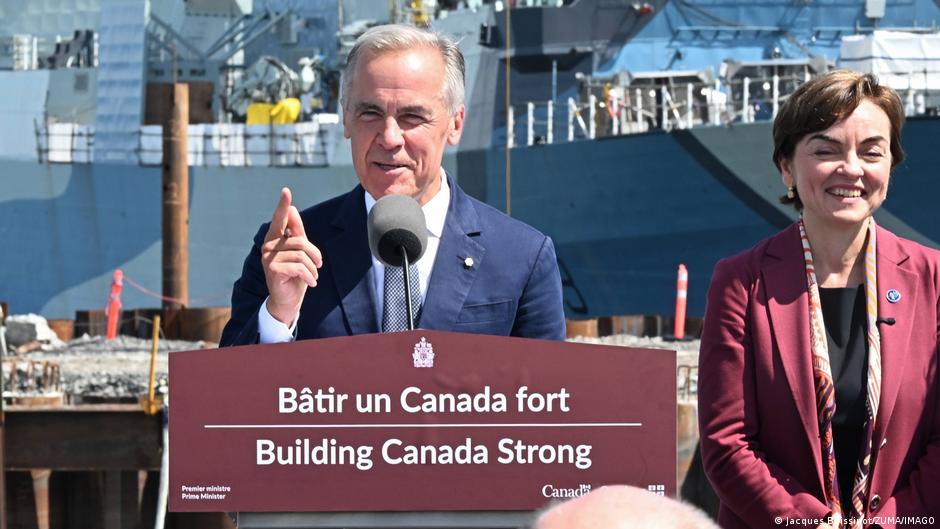
Canada is facing new US import penalties after Prime Minister Mark Carney refused to match US tariffs on China. Other countries are watching as the Trump trade clash turns into a fight over economic sovereignty.
Katy Watson explores Australia's relationship with China - partner, rival or 'frenemy'?
U.S. House has paved the way for a legislation that will allow Trump to impose up to 100% tariffs on countries buying Russian oil, giving him leverage against India and China.
Sylvia Zin is among the family members of people imprisoned in China who are seeking Trump's help when he hosts the country's leader next week.
As I read through the pieces Global Voices’ authors contributed to the August 2026 Spotlight series, “Indigenous Rights,” one common question stands out for me: Who gets to decide?
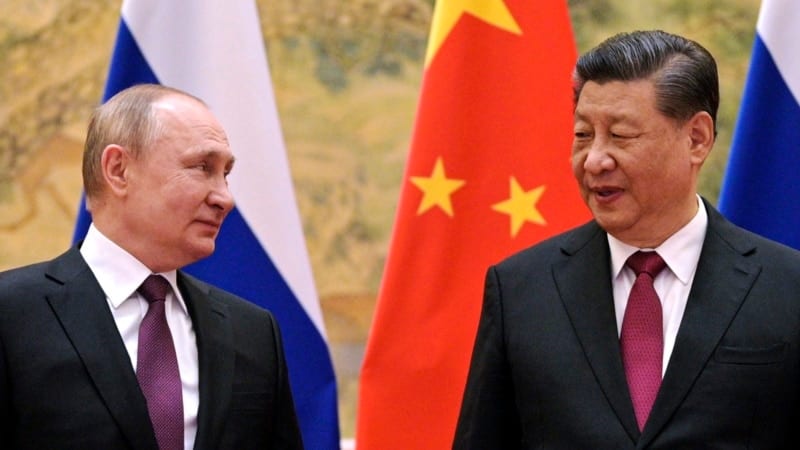
Western politicians have repeatedly called on China to limit or cease tacit support for Russia’s bloody war against Ukraine. In response, China’s leadership insists it is committed to peace and respect for the territorial integrity of other nations. But unlike most United Nations member states, China has never condemned Russia's full-scale invasion of Ukraine, and their military-diplomatic partnership — from joint bomber flights near the U.S. state of Alaska to votes in the U.N. Security Council — has only helped the Kremlin overcome its international isolation. While President Donald Trump ha