Advertisement
Advertisement

Science

Billions in rare earth elements may be hiding in America’s coal ash

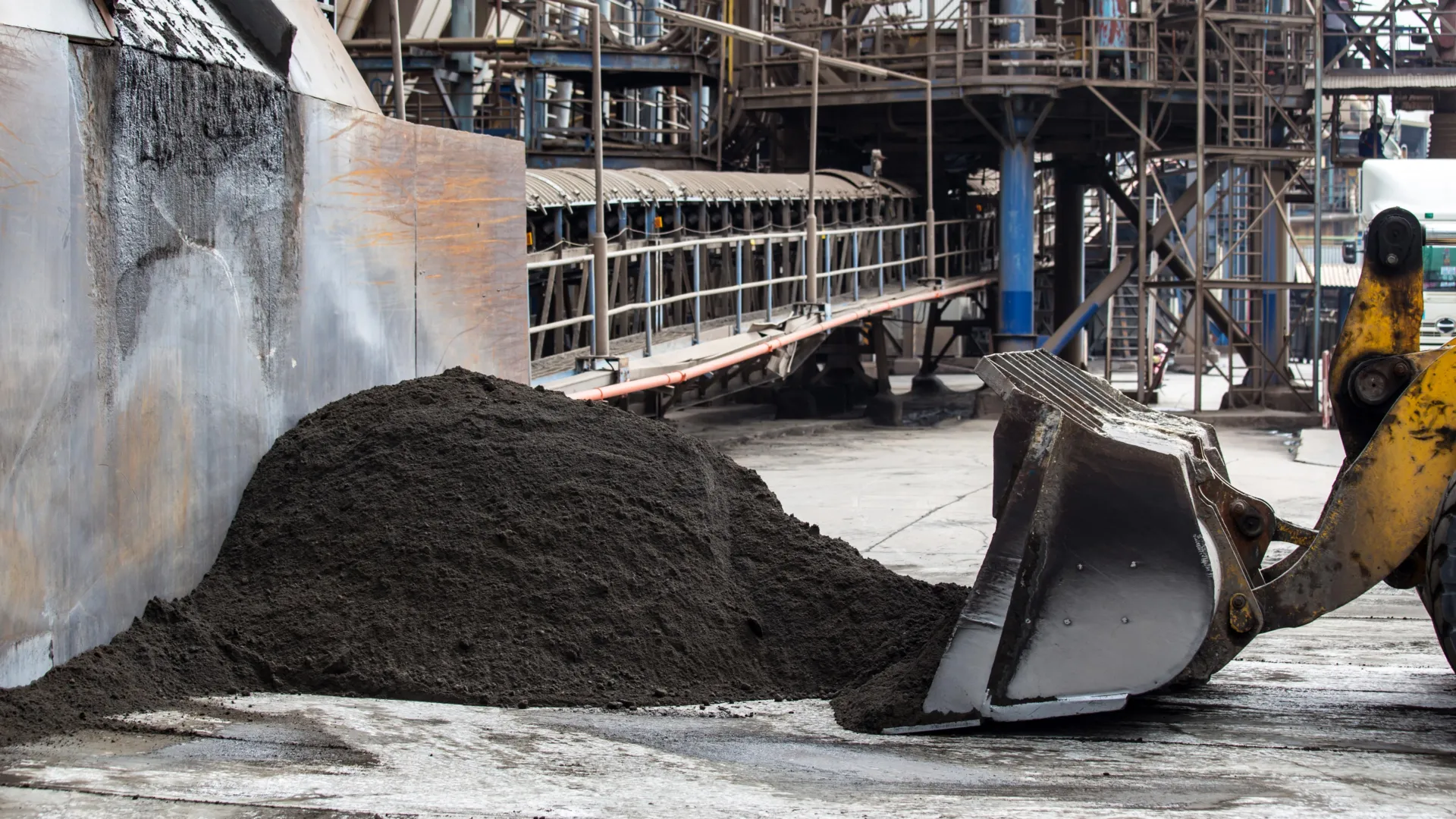
Scientists are looking to diatoms, sea sponges, and plants for a cleaner way to recover rare earth elements and other valuable minerals hidden inside coal ash, red mud, and mine tailings. The bio-inspired approach could turn massive industrial waste piles into useful materials while reducing energy use, harsh chemicals, and reliance on new mining.

Scientists discover the first diplodocus ever found outside North America

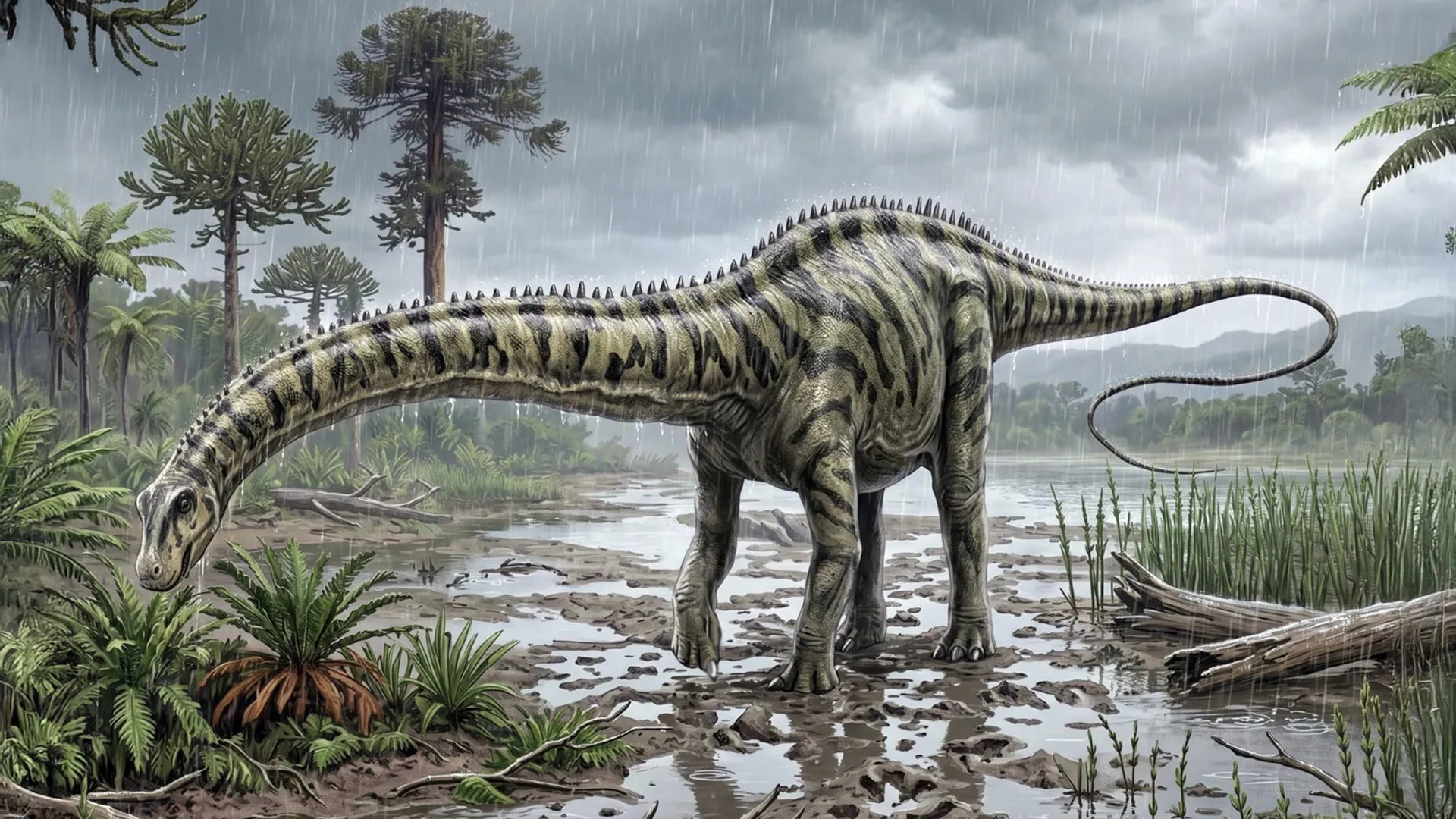
A 150-million-year-old dinosaur fossil from Spain has been identified as the first confirmed Diplodocus ever found outside North America. The giant sauropod measured about 25 meters long and was preserved well enough for researchers to match distinctive features in its tail bones to the famous genus. Its unexpected appearance in Europe suggests dinosaurs were moving between the continents during the Late Jurassic, possibly across temporary land connections.

Advertisement

This deep-sea enzyme survives heat that destroys most proteins

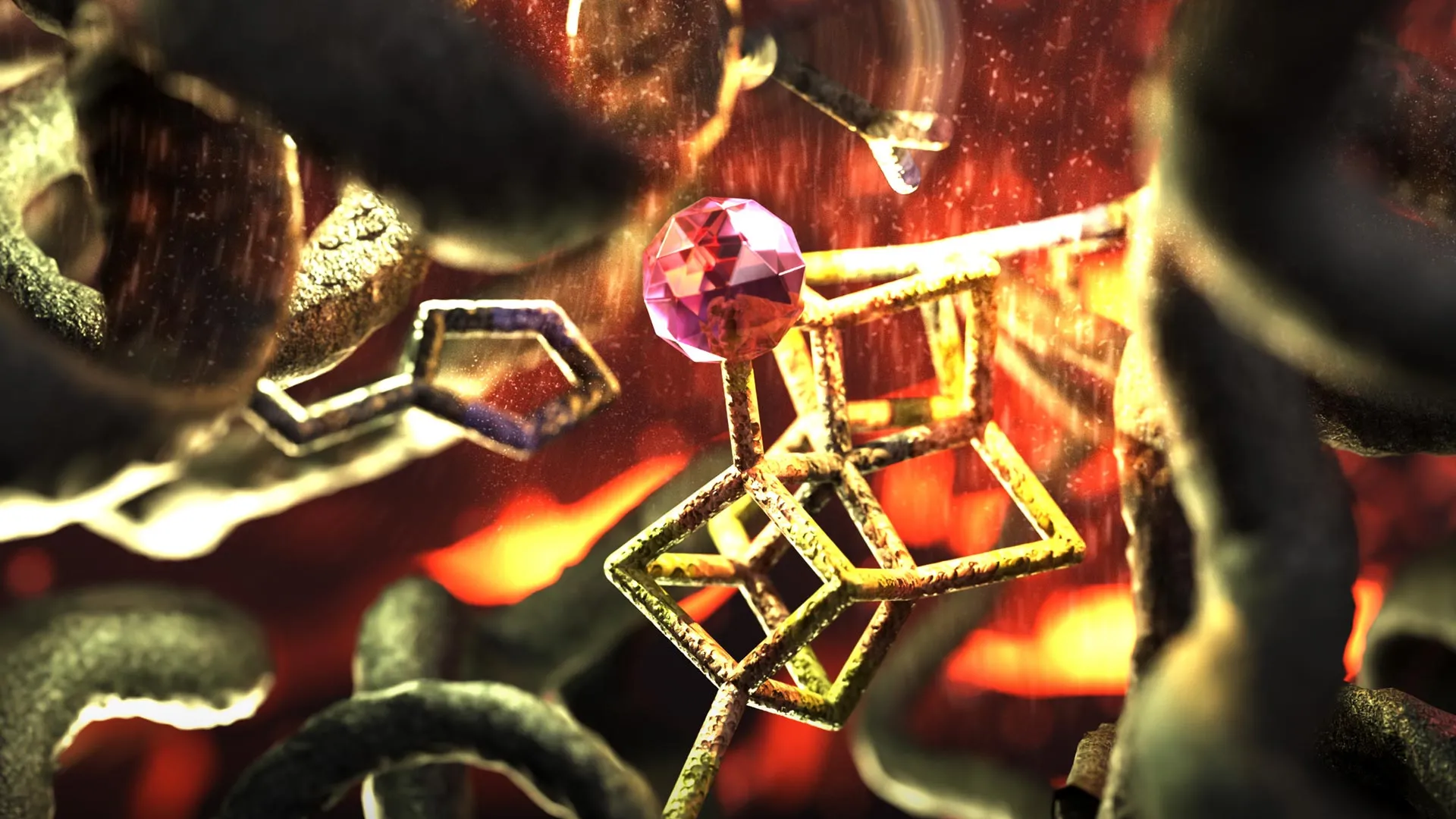
A deep-sea microbe uses an exceptionally heat-resistant enzyme to turn atmospheric nitrogen into ammonia at temperatures that would destroy most proteins. Its unusual structure and a newly observed reaction state may reveal an ancient, shared mechanism behind nitrogen fixation and could eventually inspire cleaner biotechnology and fertilizer production.

This tiny organism can shrink to one quarter its size in milliseconds

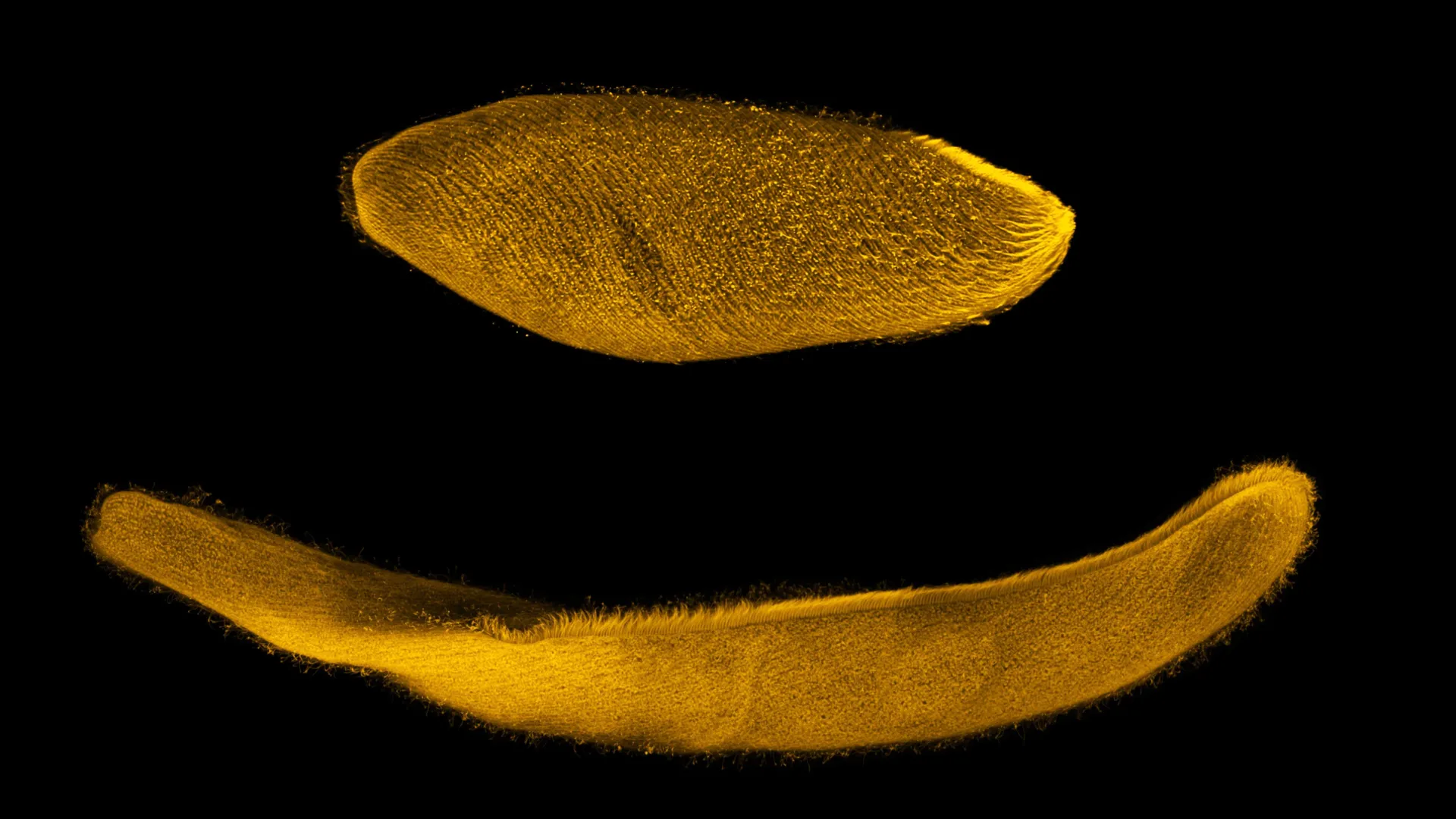
A single-celled organism can shrink to one-quarter of its length in milliseconds using a remarkable calcium-powered protein “fishnet.” Scientists hope its unusual machinery could inspire artificial muscles capable of moving far faster than today’s designs.

Scientists solve a 50-year mystery and discover a new human blood group

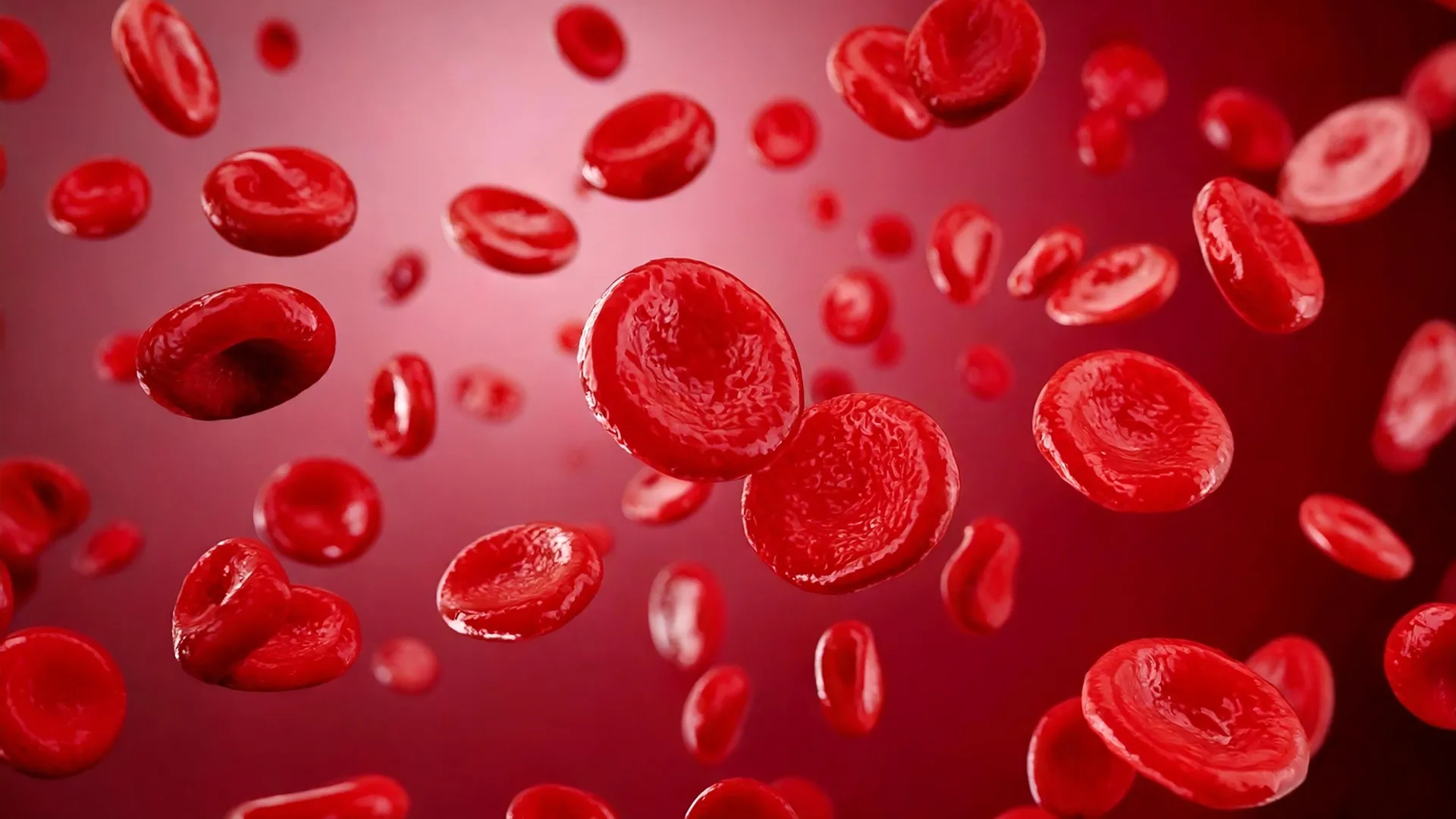
Scientists have identified the genetic cause behind the mysterious AnWj blood group antigen, solving a puzzle that began in 1972 and establishing a new blood group system called MAL. The discovery could make it much easier to find extremely rare AnWj-negative patients and donors and protect them from potentially dangerous transfusion reactions.

New chemical wipes out 95% of termites without harming humans

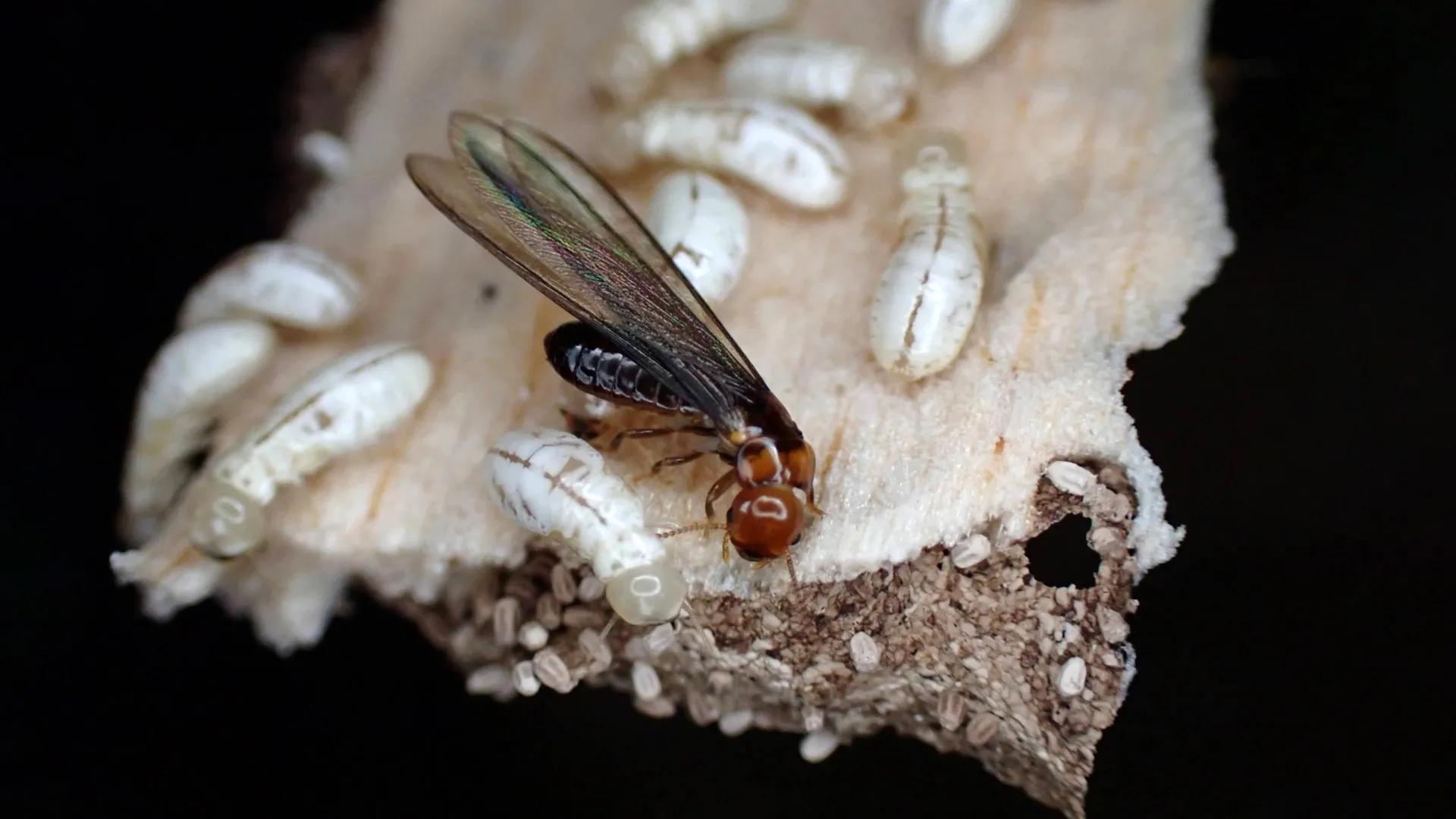
A chemical that stops drywood termites from building new exoskeletons killed about 95% of colonies in testing, offering a potentially safer alternative to traditional fumigation. Because termites eventually have no choice but to molt, the treatment turns a normal stage of their life cycle into a fatal weakness.

Scientists find that “perfect” systems may be surprisingly fragile

Complex systems may work better when their parts are not perfectly alike. Northwestern physicists found that carefully balanced variation, or “disorder,” can make networks such as power grids, ecosystems, neurons, and materials more stable. Even random differences sometimes improved stability compared with completely uniform systems. The discovery could help researchers design more resilient technologies and explain why natural systems are so rarely perfectly uniform.

Hurricane Hunters reveal 4 warning signs that a storm is about to strengthen

Nearly three decades of Hurricane Hunter data reveal four features that can help a tilted tropical cyclone straighten its circulation and become capable of intensifying. The findings could give forecasters an earlier warning that a seemingly disorganized storm is becoming primed to strengthen.

A giant crater may reveal the origin of Mars’ doomed moon

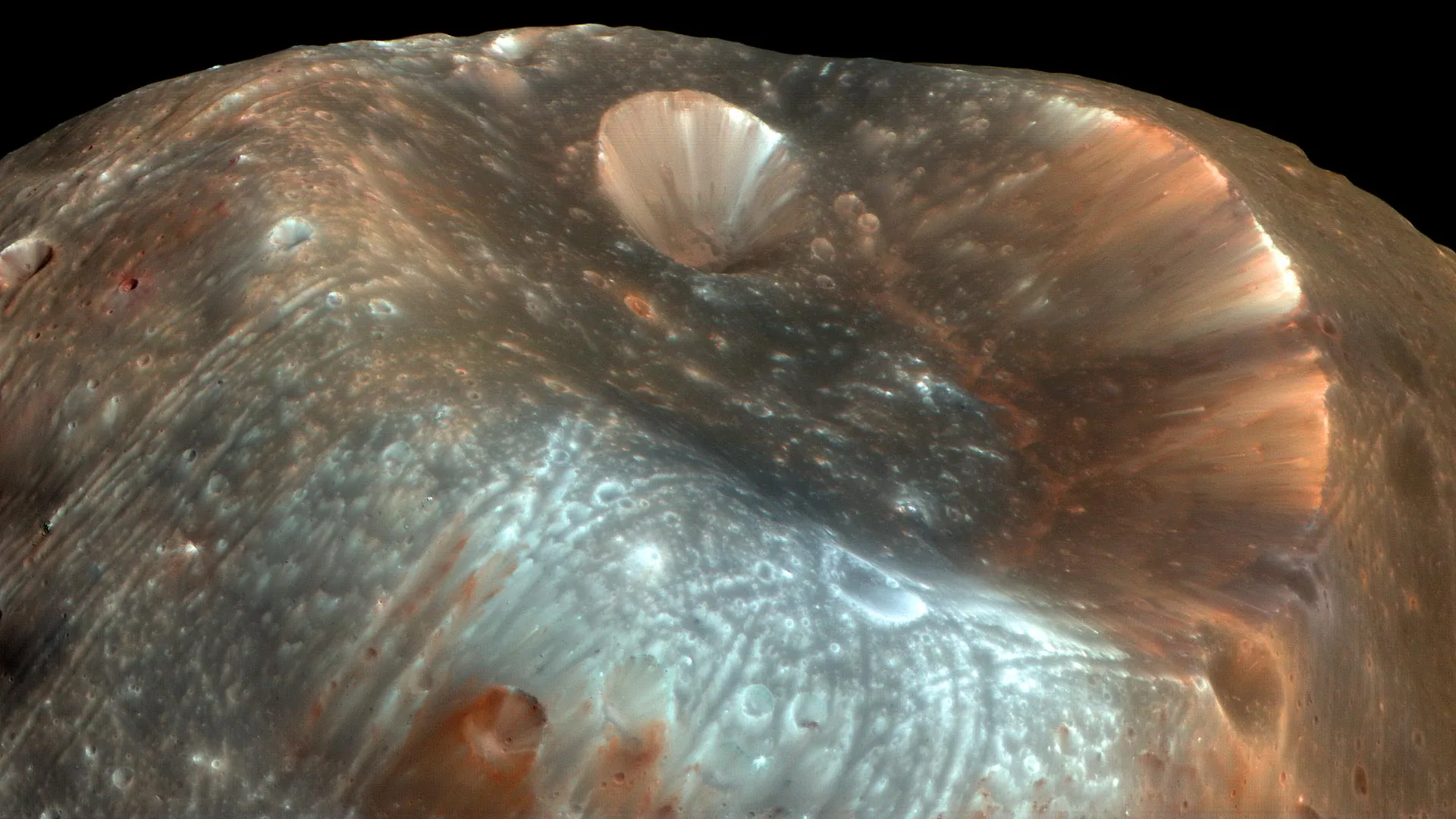
A massive crater on Mars’ moon Phobos may hide a dense region of compressed material that could reveal whether the moon is a captured asteroid or debris from an ancient impact on Mars. Japan’s upcoming MMX sample return mission could provide the measurements and physical evidence needed to solve the mystery.

Automatic Pilot to the Apocalypse

Humanity is becoming aware that Artificial Intelligence, a technology that can escape the control of its creators and focus it on extinction

Advertisement