Advertisement
Advertisement

Science

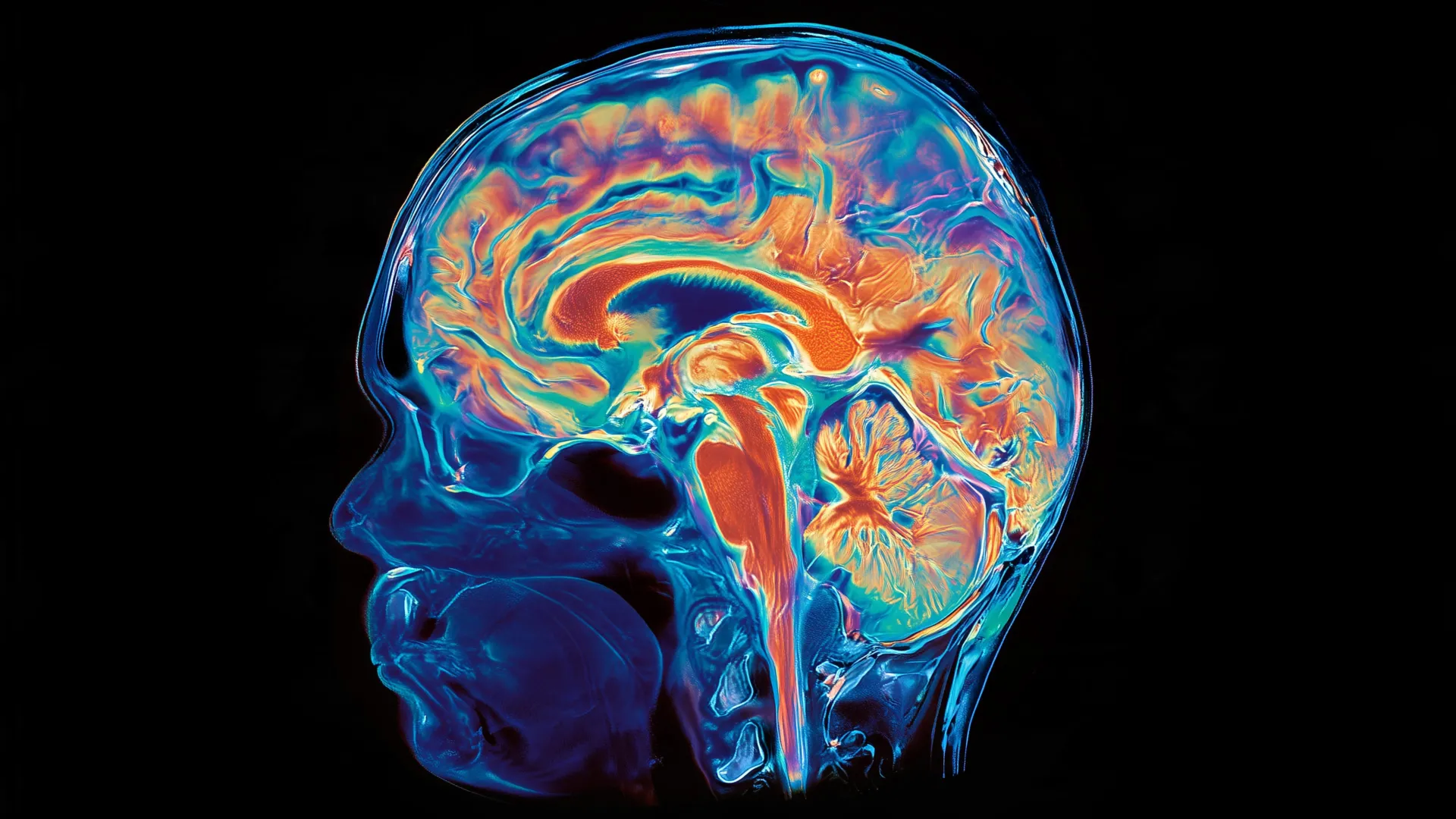
Stanford scientists discover the human brain may actually be two separate organs

Scientists have found that the human brain develops from two distinct cellular systems, suggesting that evolution fused together two ancient nervous systems with very different jobs. The discovery also allowed researchers to grow human hindbrain neurons in the lab, opening new possibilities for studying ALS, spinal muscular atrophy, and other brainstem diseases.
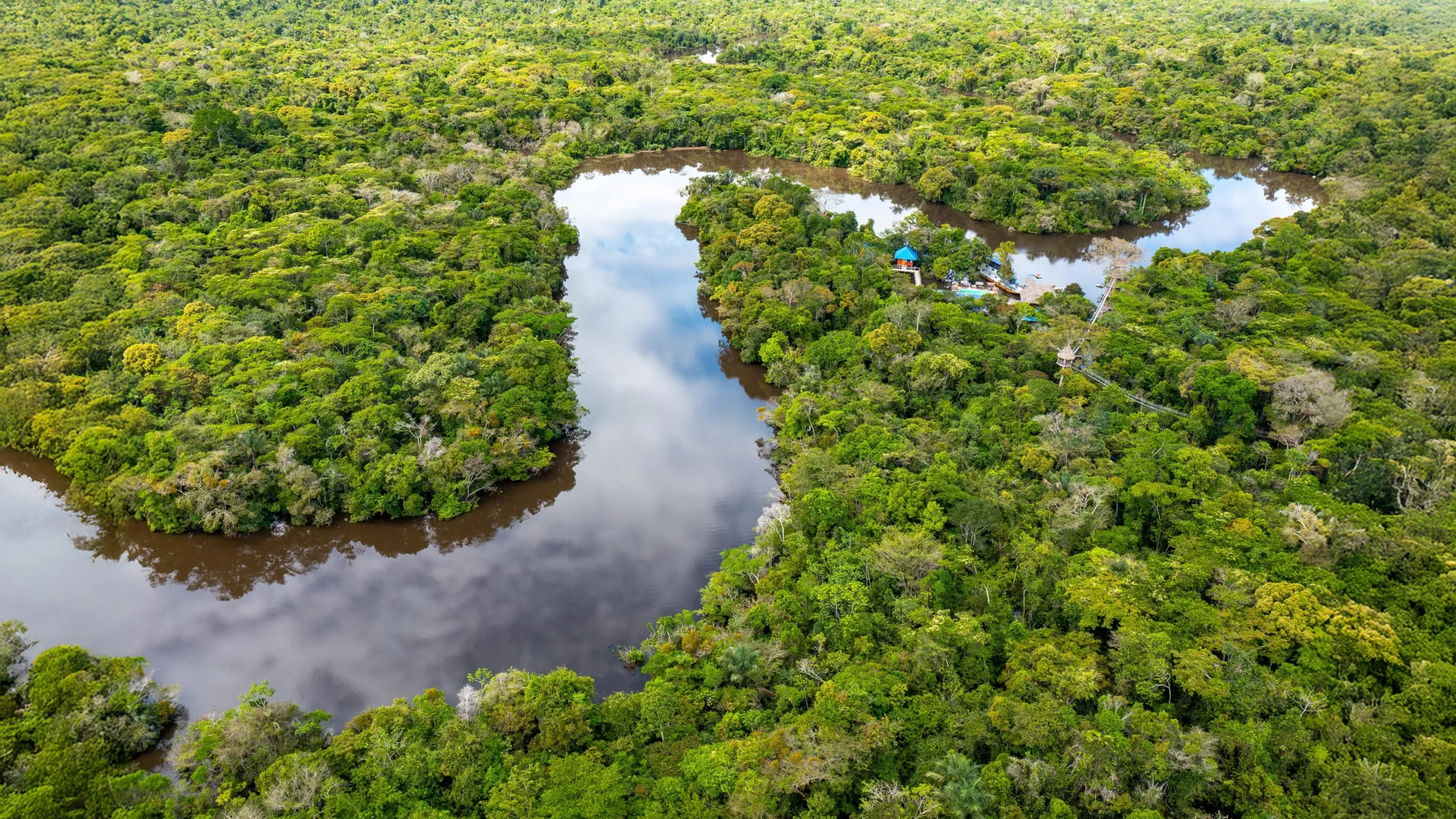
Amazon study reveals the best strategies for protecting biodiversity and carbon

A large Amazon study suggests the most powerful conservation move may be protecting the forests that are already standing. Preventing damage from wildfires and logging delivered the greatest biodiversity benefits and nearly matched deforestation prevention for protecting carbon. Restoration remains important, particularly where forests have already been heavily cleared, but it was more expensive and less effective on its own.

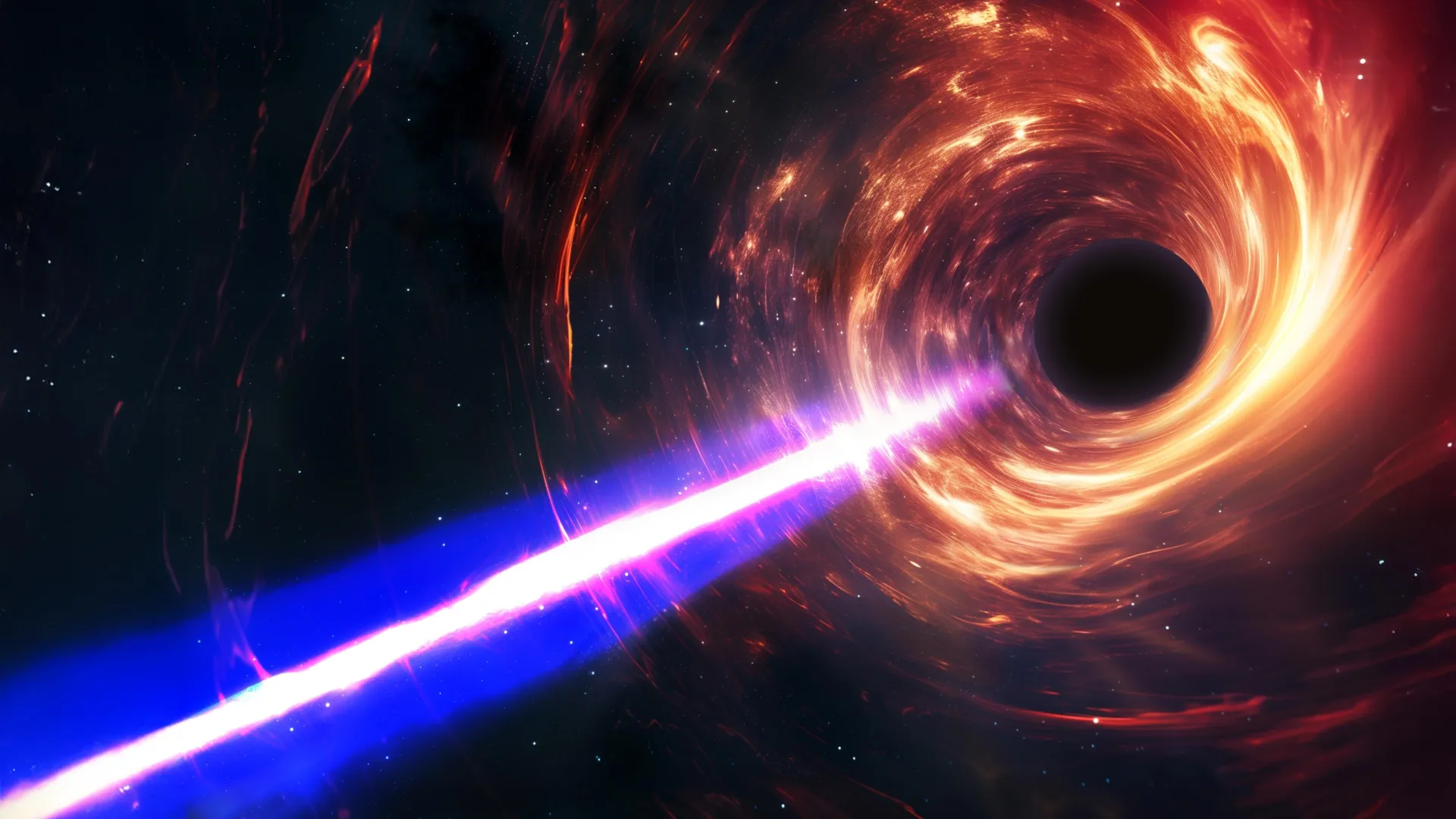
Black holes of every size follow the same surprising rule

Scientists have found evidence that black holes of vastly different sizes may launch powerful jets according to the same universal rule. Supermassive black holes can produce jets soon after tearing apart a star, then fire up again hundreds or thousands of days later when their feeding rate drops to about 2% of the Eddington limit. That same threshold is known to trigger jets from much smaller black holes in the Milky Way.

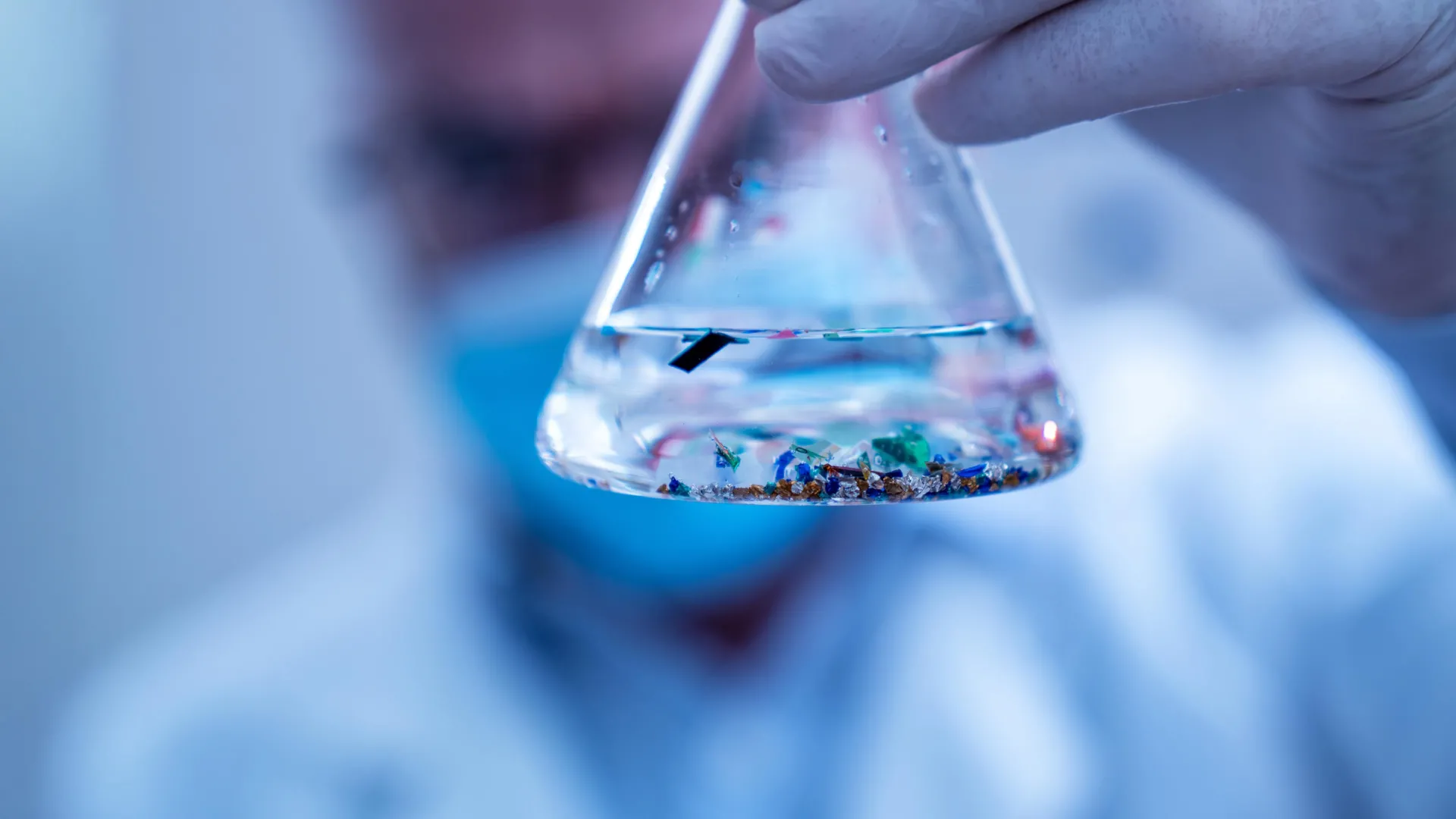
A new process turns plastic waste into gasoline and diesel fuel

Scientists at Oak Ridge National Laboratory have developed a surprisingly simple way to turn polyethylene, the common plastic used in shopping bags and cutting boards, into gasoline and diesel-like fuels. The process uses inexpensive aluminum-based molten salts to break long plastic molecules into smaller hydrocarbons, producing about 60% gasoline under relatively mild conditions.

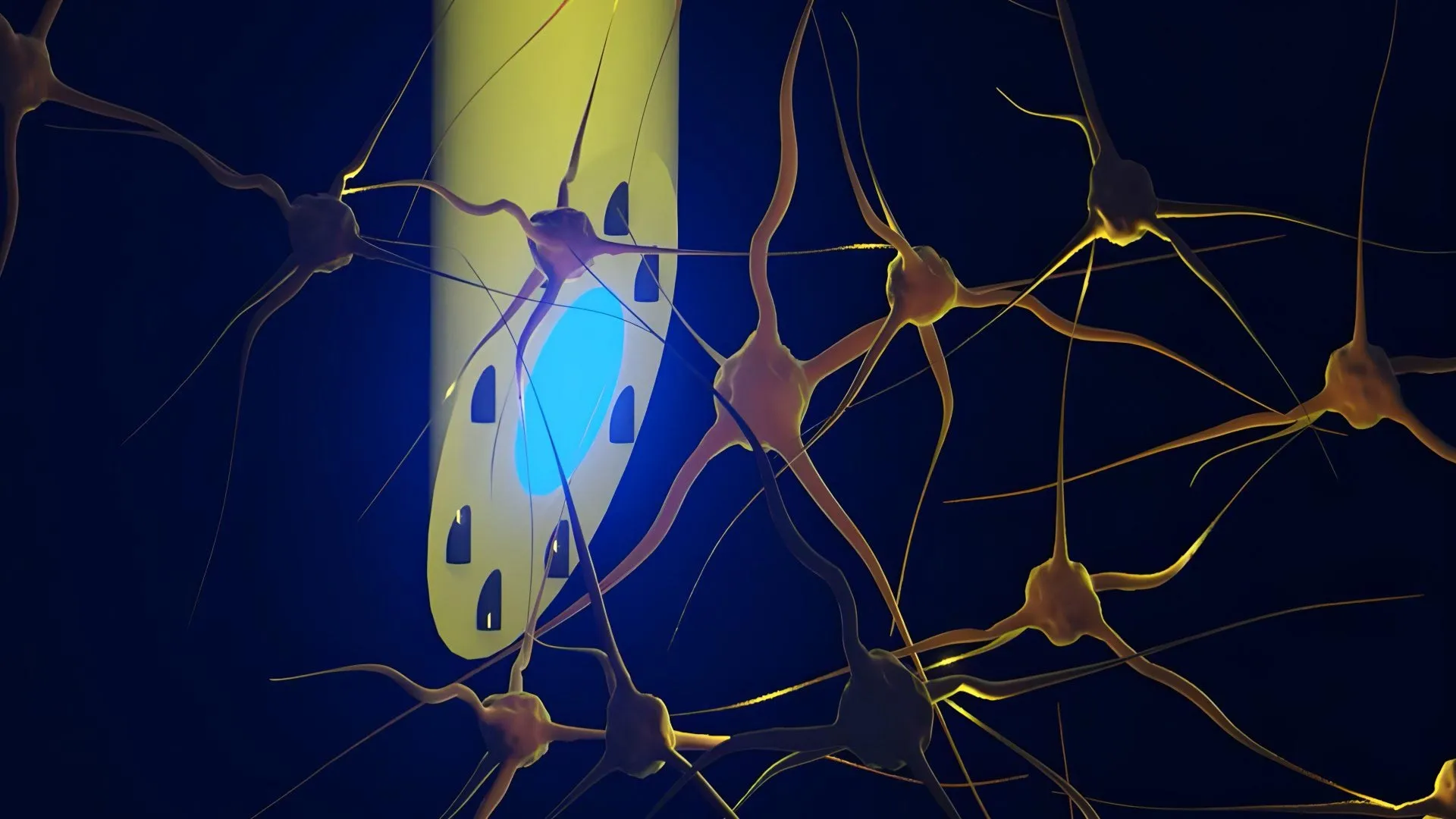
Scientists create a needle-thin brain implant that can do three jobs at once

A new needle-thin brain implant can record neural activity, deliver drugs, and stimulate multiple brain regions using a single flexible fiber. Successful tests in mice suggest it could give scientists a more precise, less invasive way to study the brain and may eventually help treat neurological disorders such as epilepsy.

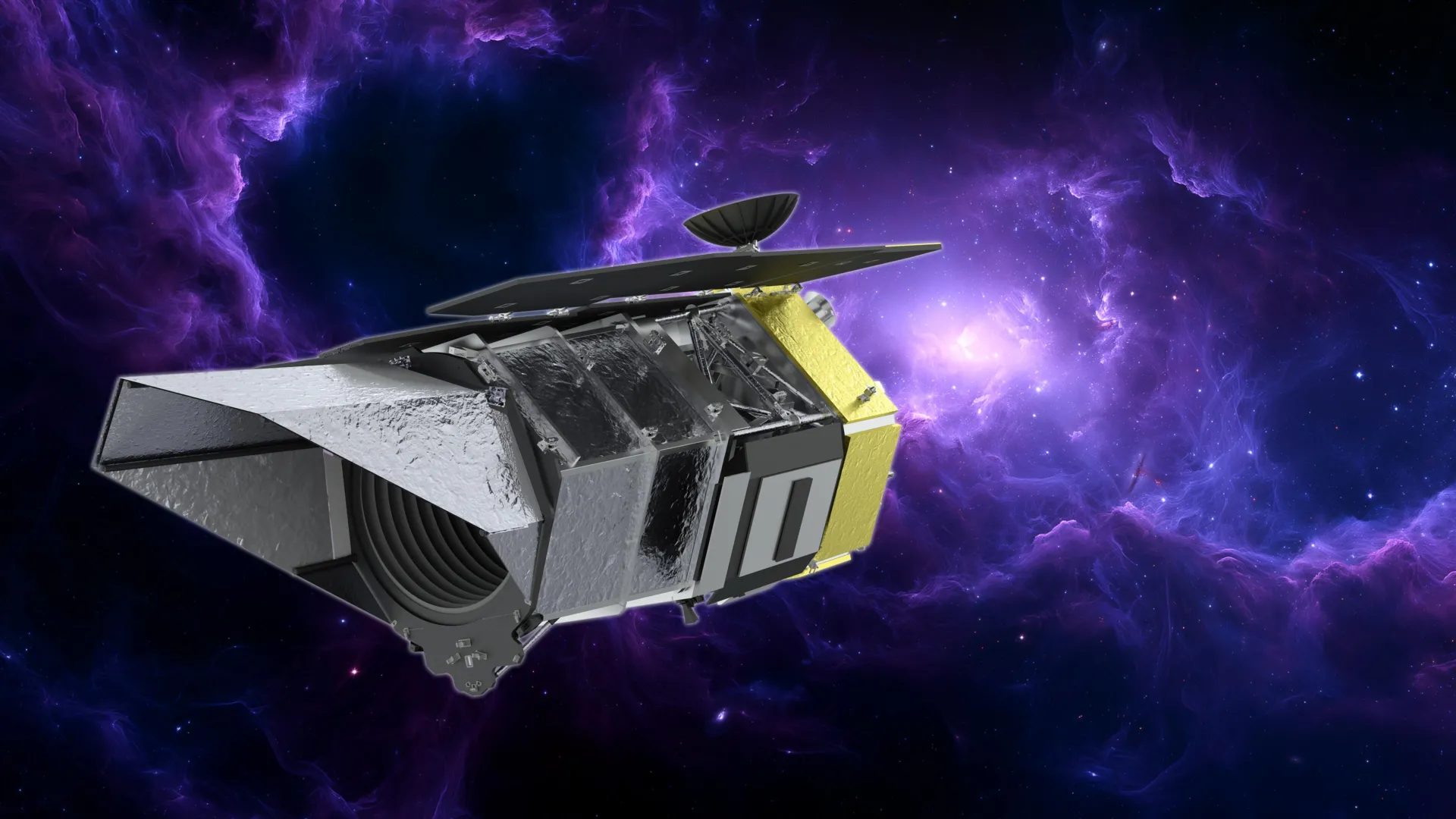
NASA just powered up Roman’s massive 300-megapixel camera

NASA’s Roman Space Telescope has successfully activated its 300-megapixel infrared camera, which will capture enormous stretches of the cosmos with Hubble-like sharpness. Its planet-hunting coronagraph is also working as expected, putting Roman another major step closer to beginning science operations in 2027.

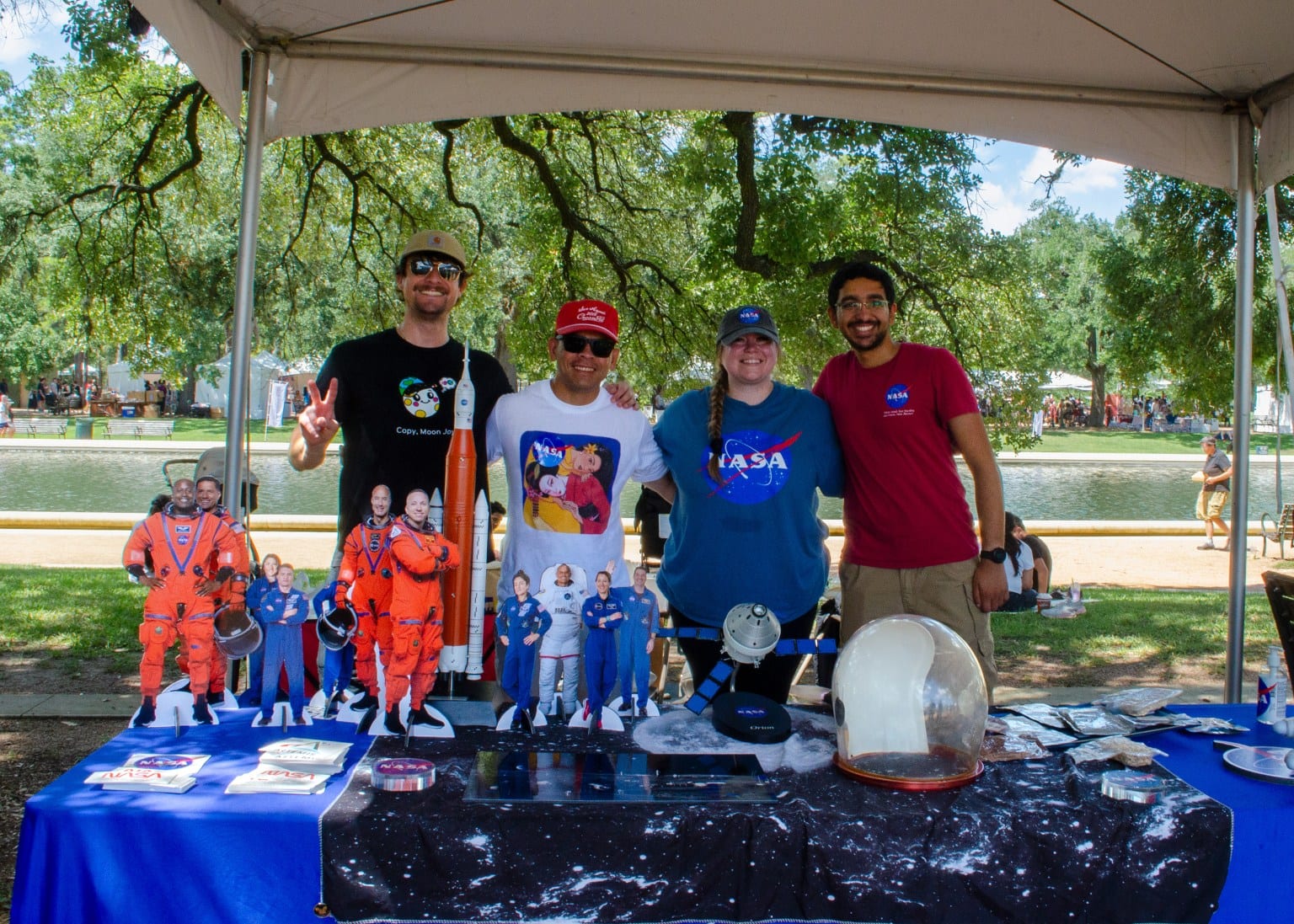
Johnson Space Center Sparks Curiosity at Houston’s 33rd Annual Japan Festival

On Sept. 12-13, NASA’s Johnson Space Center employees brought the excitement and wonder of space exploration to Houston’s Japan Festival at Hermann Park. For more than 30 years, the festival has immersed guests in traditional Japanese culture through food, dance, martial arts, music, and more, Johnson has supported the festival as an exhibitor for the […]

Widely Attended Gatherings (WAGs) Determinations

2026 NAHF Enshrinement Ceremony 9.24.26.pdf An Evening with the Stars EWTS 9.16.26.pdf Maryland Space Business Roundtable 9.9.26 Virginia Aerospace Business Association (VASBA) Gala 9.24.26.pdf Roman Space Telescope Event 8.28.26.pdf The Planetary Society_Celebrating Viking 7.20.26.pdf Farnborough Airshow Events 7.18-19.26 University of Maryland Acres 7.14.26.pdf Smithsonian National Air and Space Museum_Blue Origin 7.14.26.pdf Space Business Roundtable_MSBR 7.22.2026.pdf […]

Advertisement

What kills Schrödinger’s cat? Gravity may not be the answer

Physicists have put a decades-old idea about why the strange rules of quantum mechanics disappear in our everyday world to one of its toughest experimental tests yet. Deep beneath Italy’s Gran Sasso mountain, researchers searched for an extremely faint radiation signal predicted by a theory suggesting that tiny fluctuations in spacetime, caused by gravity, gradually destroy quantum superpositions. After 62 days of measurements with a highly shielded germanium detector, they found no such signal.

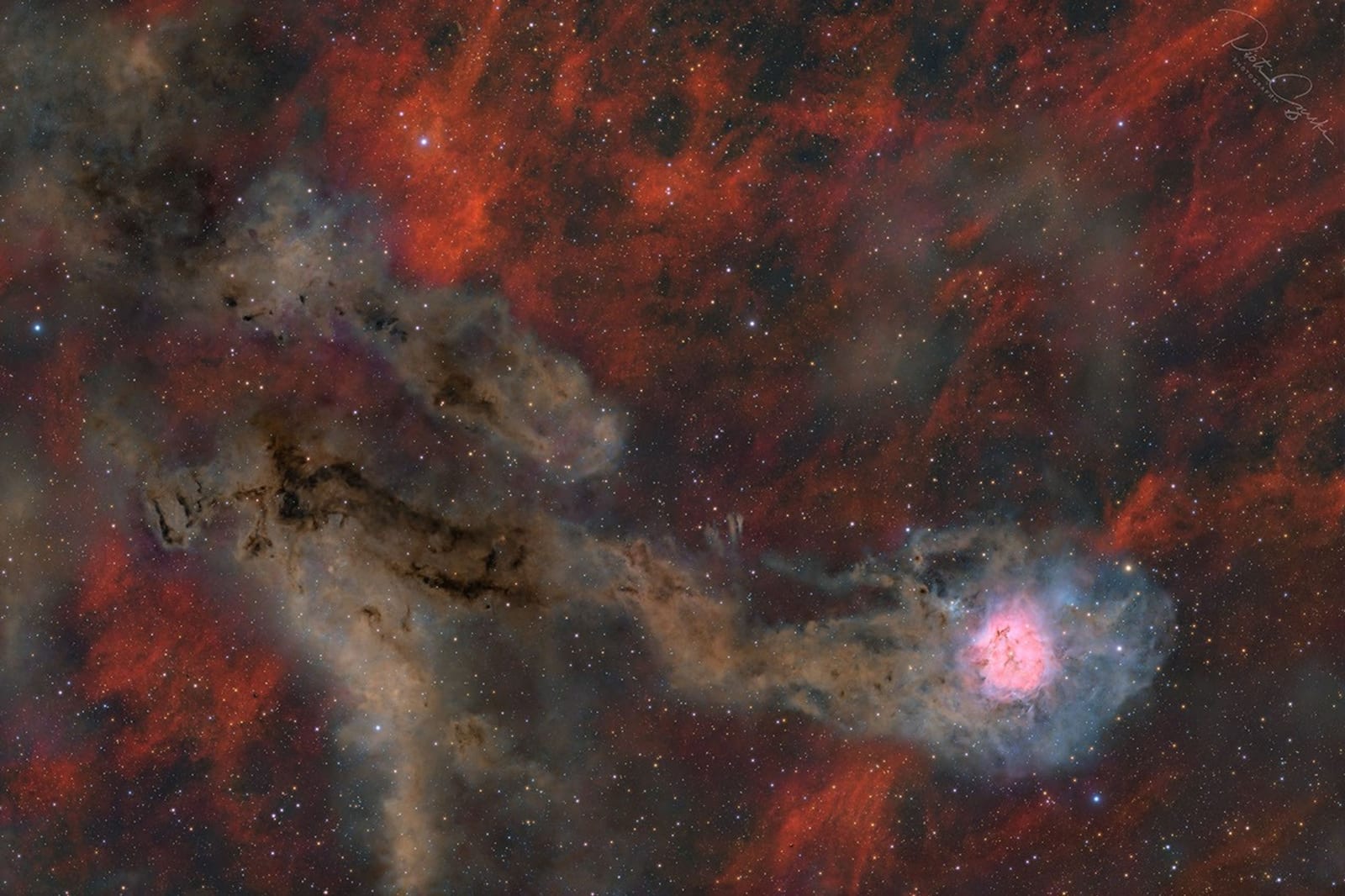
APOD: 2026 September 21 – Cocoon Nebula Wide Field

APODScienceAPODAPOD: 2026 September 21 –…Today’s APODArchiveSubmissionsIndexSearchCalendarRSSEducationAboutDiscuss APOD Astronomy Picture of the Day Discover the cosmos! Each day a different image or photograph of our fascinating universe is featured, along with a brief explanation written by a professional astronomer. Cocoon Nebula Wide Field Explanation: When does a nebula look like a comet? In this crowded starfield […]

Video

Pijos, hotels and politics in Seville

The city is losing its identity as a space for coexistence and becomes a territory of exploitation that expulses the neighbours of the common space

A 66-million-year-old tooth reveals T. rex was nearly as warm as a human

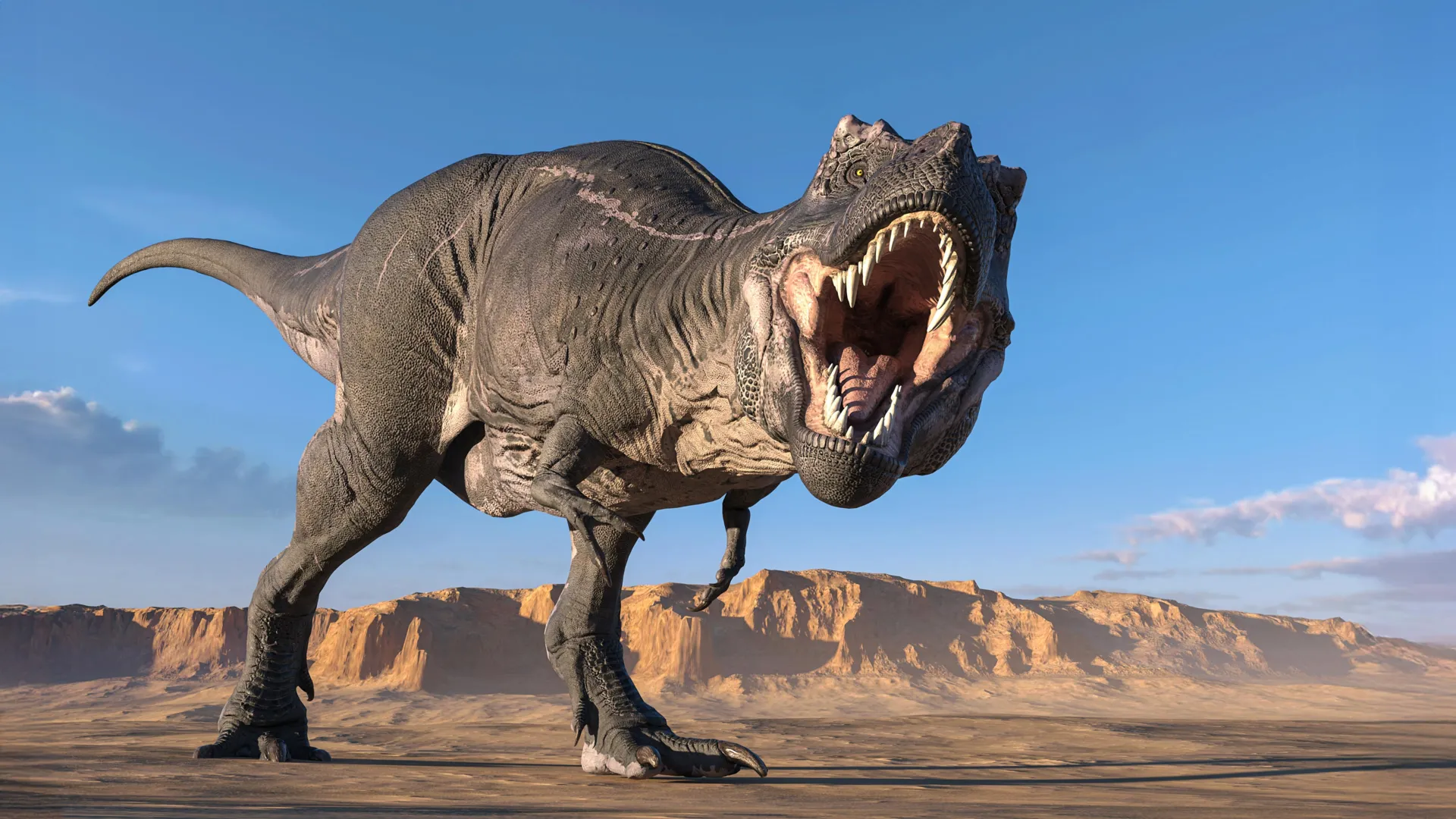
Chemical clues preserved inside fossilized T. rex teeth reveal that the dinosaur maintained a body temperature of about 97 degrees Fahrenheit, almost identical to humans. The finding provides direct evidence that the giant predator was warm-blooded, helping explain how it stayed active and survived in chilly environments as far north as Alaska.

Einstein’s “spooky action” just survived one of physics’ most extreme tests

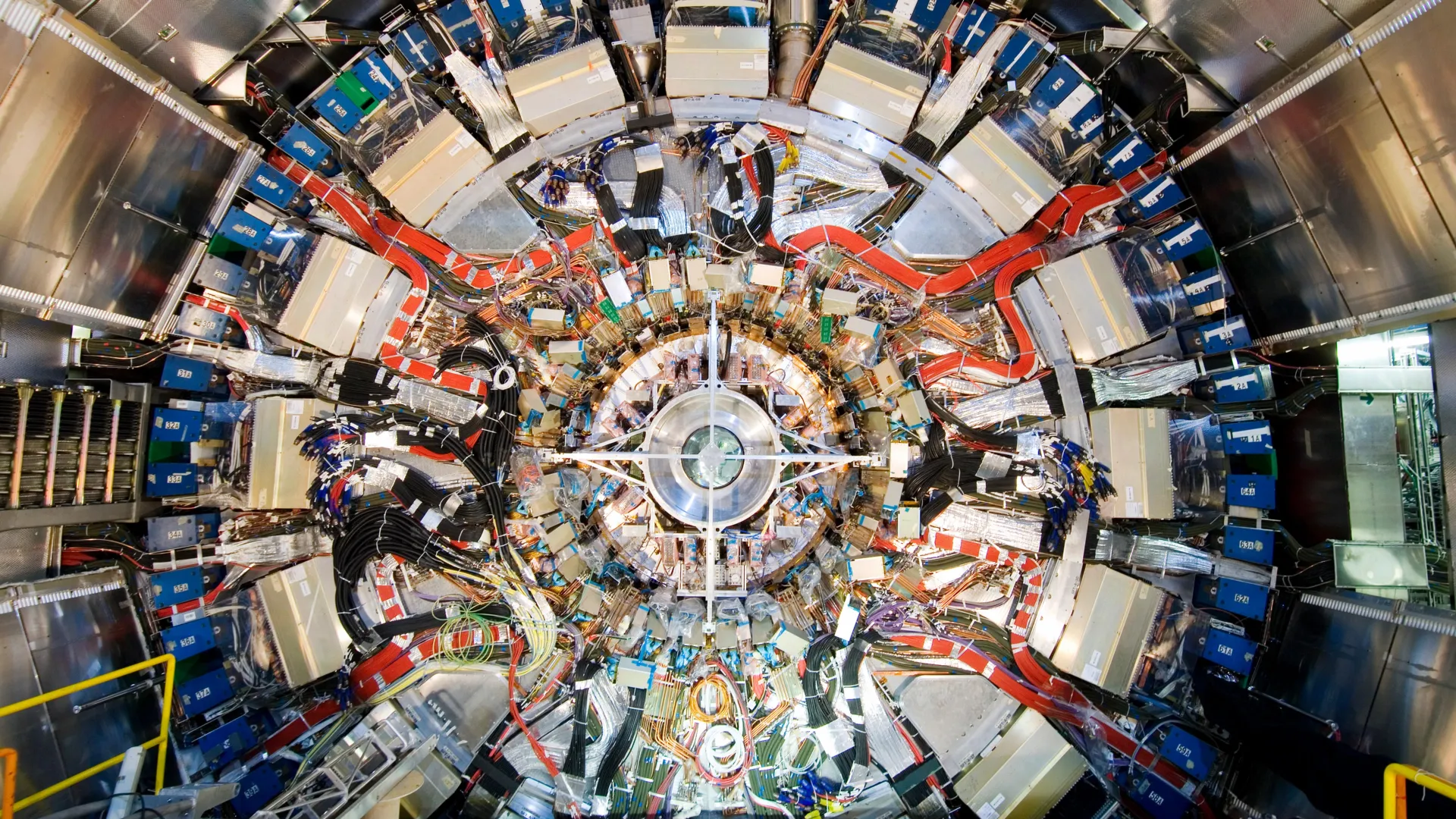
Physicists have detected strong evidence that heavy, fleeting Z bosons can become quantum entangled during Higgs boson decays at CERN’s Large Hadron Collider. The result shows that Einstein’s “spooky action at a distance” survives even under some of the most extreme conditions ever created in a laboratory.

New nanoparticles make hidden chemical differences light up

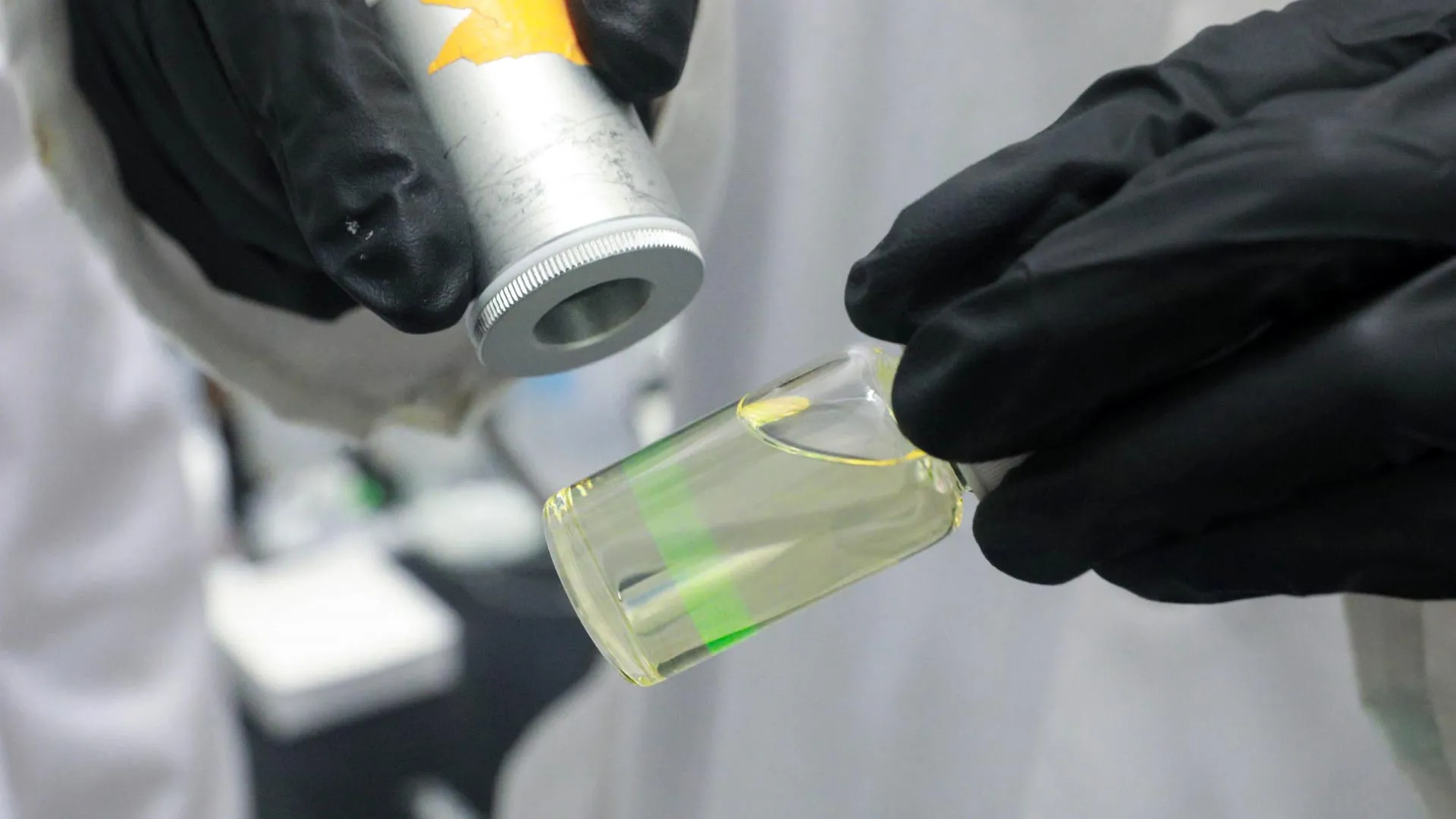
Scientists have developed ultra-bright nanoparticles that can detect tiny amounts of chemicals and distinguish between molecules that look almost identical. The technology could one day provide a cheaper way to catch dangerous drug impurities or trace pollutants using simple low-cost lasers.

Advertisement

Scientists discover a hidden “ID card” in cat urine

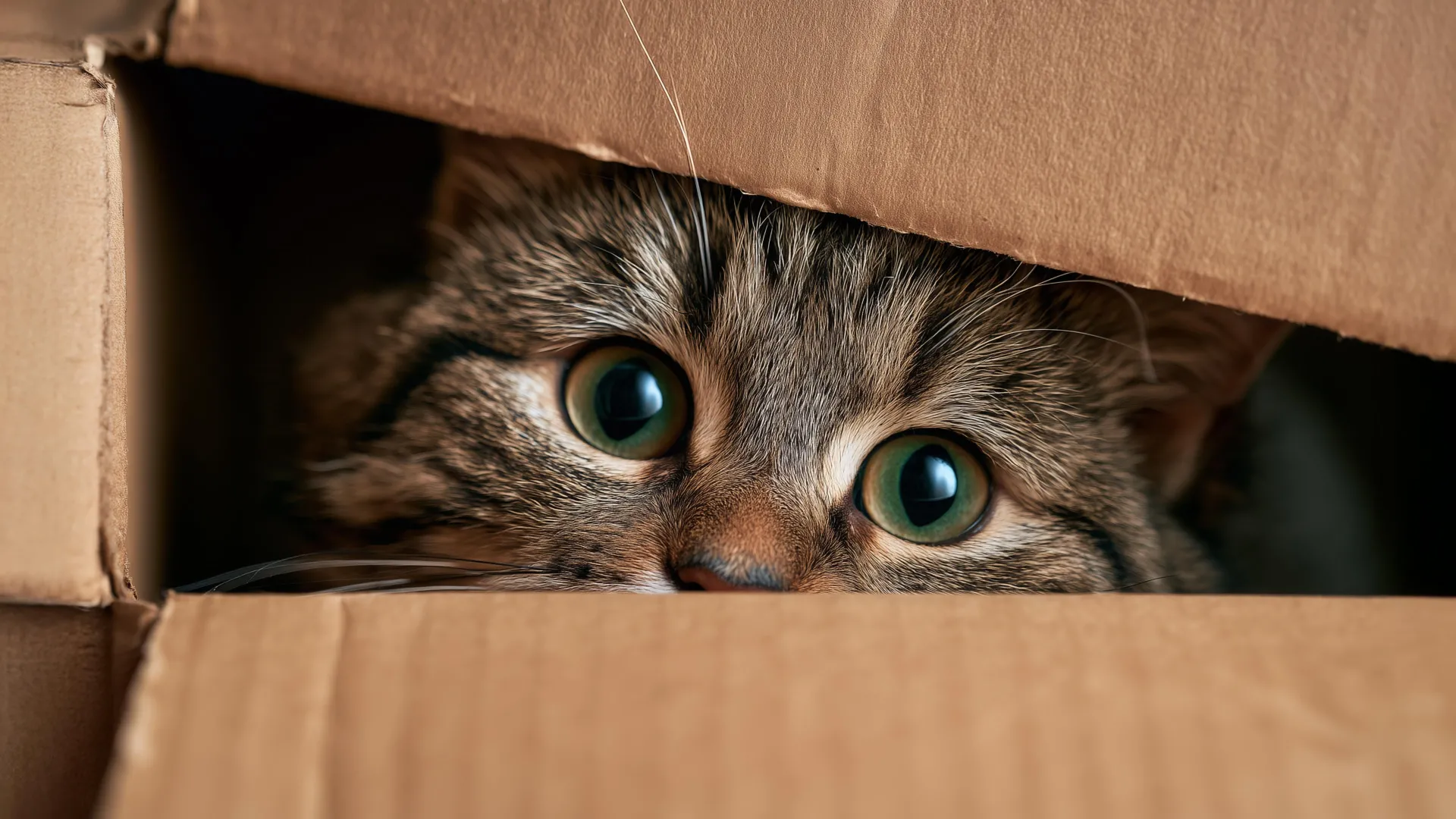
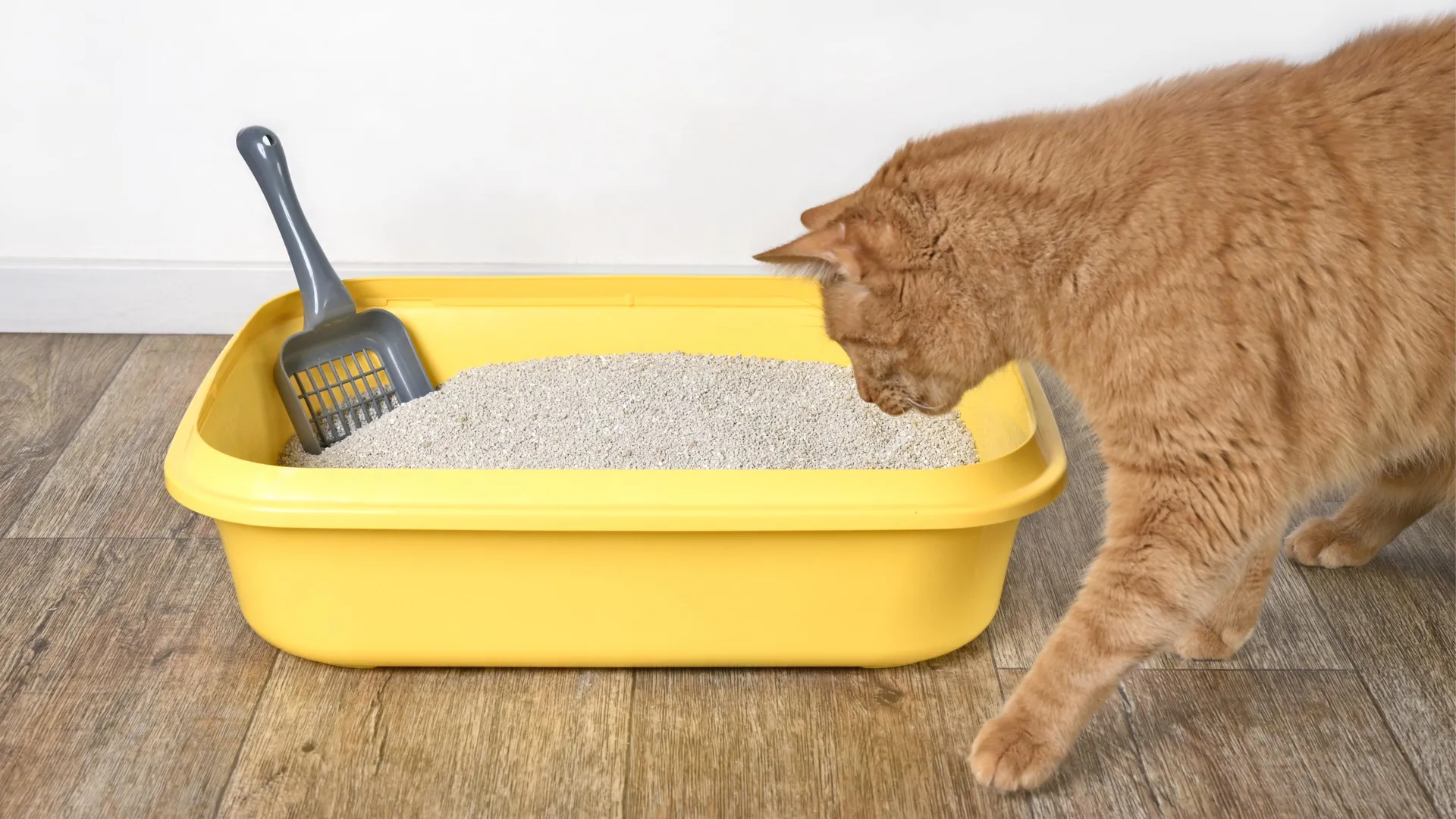
Cats may identify one another through a surprisingly durable chemical “calling card” made from 13 unusual fatty acids in their urine. The compounds appear linked to mysterious fat droplets in the kidneys and may represent a scent-recognition system shared across the cat family.

Scientists may have solved a 2,000-year-old Dead Sea Scrolls mystery

Researchers may have solved a long-running mystery surrounding the Dead Sea Scrolls by proposing that the Qumran sect really did use its distinctive 364-day calendar. Its perfectly ordered 52-week system kept holidays on the same weekdays, but it slowly drifted out of sync with the seasons because it was shorter than the true solar year.

Scientists opened a sealed envelope after 10 years. Gravity still didn’t make sense

A decade-long NIST experiment has produced a new measurement of the universal gravitational constant that differs unexpectedly from another leading result, deepening a 225-year-old physics puzzle. The discrepancy is tiny, but for one of nature’s most fundamental constants, it is large enough to keep scientists wondering whether hidden experimental errors or something more surprising is involved.

APOD: 2026 September 20 – Analemma over the Callanish Stones

APODScienceAPODAPOD: 2026 September 20 –…Today’s APODArchiveSubmissionsIndexSearchCalendarRSSEducationAboutDiscuss APOD Astronomy Picture of the Day Discover the cosmos! Each day a different image or photograph of our fascinating universe is featured, along with a brief explanation written by a professional astronomer. Analemma over the Callanish Stones Explanation: If you went outside at the same time every day and […]

Video