Advertisement
Advertisement

Science

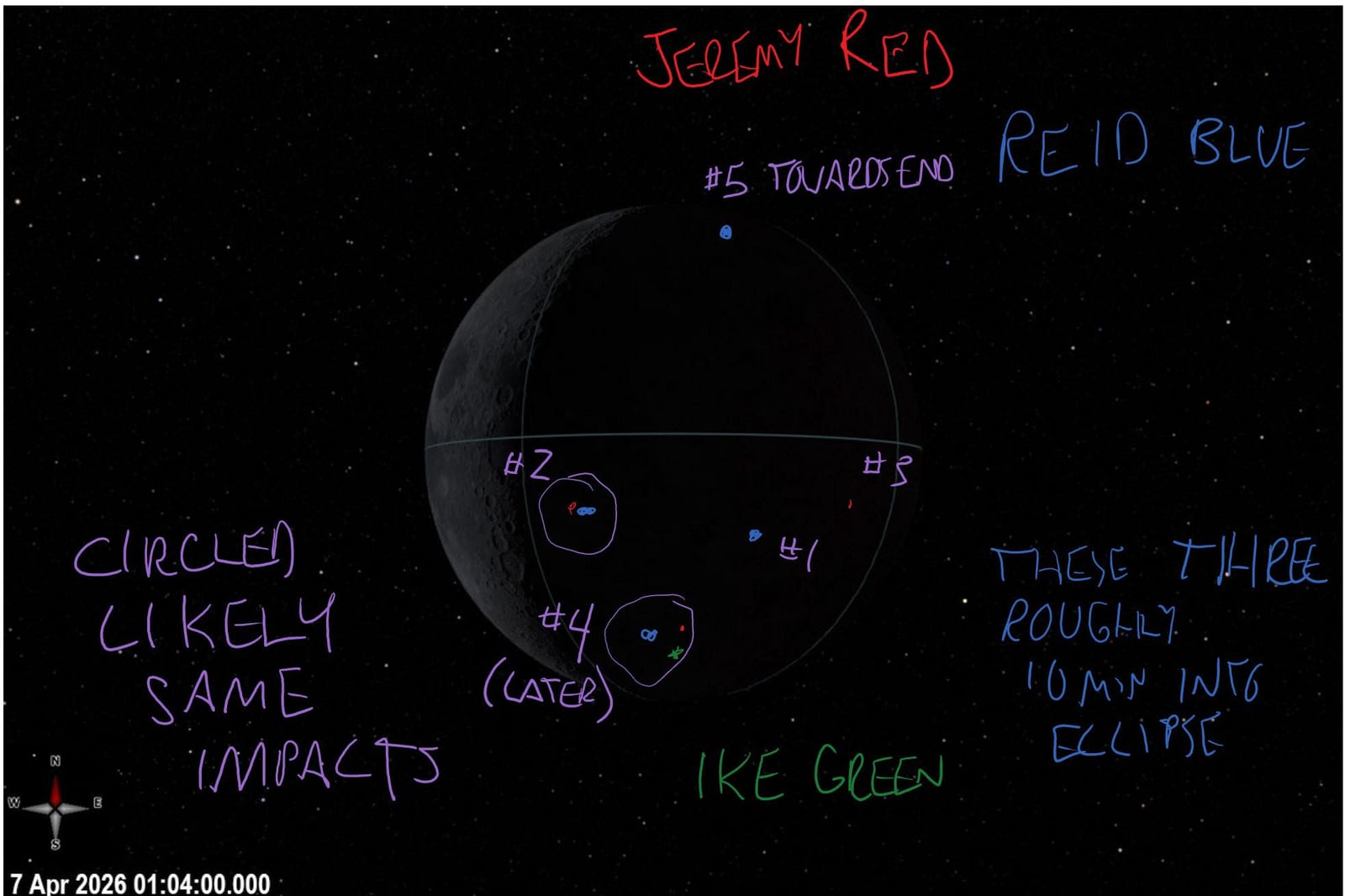
Artemis II Crew Moon Photo Annotations

A visualization of a dark Moon eclipsing the Sun is marked with handwritten notes in this April 6, 2026, screenshot from an Artemis II crew member’s tablet. NASA astronauts Reid Wiseman (in blue) and Victor “Ike” Glover (in green) and CSA (Canadian Space Agency) Jeremy Hansen (in red) observed impact flashes and their locations, which […]

Physicists just found the ‘ghost’ of superconductivity

Physicists have found striking evidence for an unusual form of superconducting behavior in uranium ditelluride, where electron pairs organize into rippling patterns called pair density waves. Even more surprisingly, these patterns appear to survive after ordinary superconductivity disappears, suggesting that the electron pairs responsible for superconductivity may begin forming before the material actually becomes superconducting.

Drug target could block brain inflammation linked to Alzheimer’s and Parkinson’s

Blocking a receptor called P2X7 significantly reduced inflammation in human brain tissue, revealing a potential new treatment strategy for neurological and psychiatric disorders. The discovery could help researchers repurpose existing drugs for conditions including traumatic brain injury, Alzheimer’s, Parkinson’s, depression, and schizophrenia.

Earth’s center is moving, and NASA just measured it

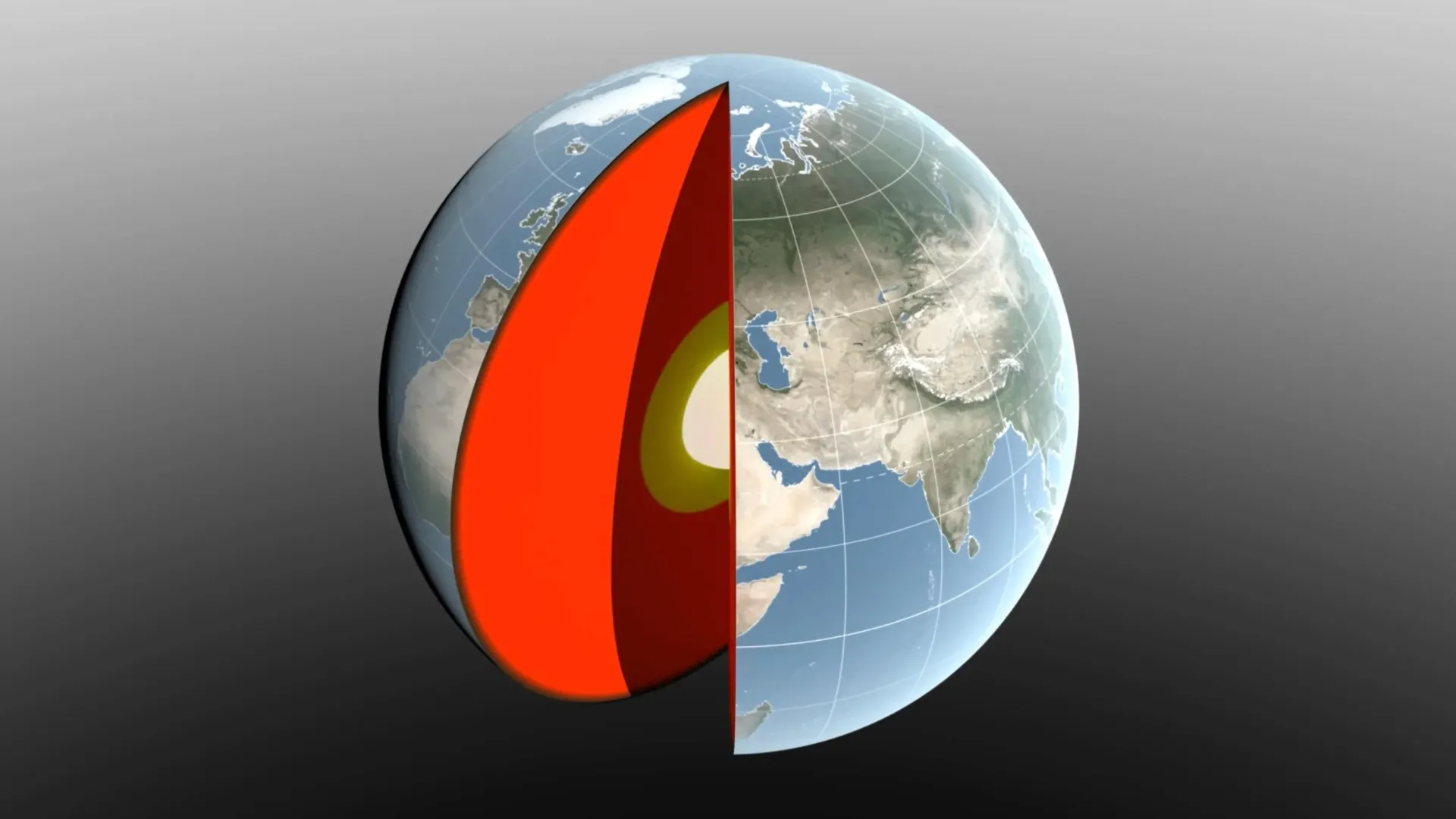
Earth’s center of mass is constantly on the move, shifting by a few millimeters as enormous amounts of water, ice, and even air migrate around the planet with the seasons. NASA scientists have developed a more precise way to track these tiny swings using laser-ranging satellites, GPS data, and measurements of how water and ice deform Earth’s crust.

Webb finds a surprising atmosphere on a scorching lava world

The James Webb Space Telescope has found strong evidence that the rocky lava world HD 3167 b has an atmosphere, despite circling its star every 24 hours under extreme heat. The surprising discovery could help scientists understand how rocky planets retain atmospheres and what the young, molten Earth may once have looked like.

Advertisement

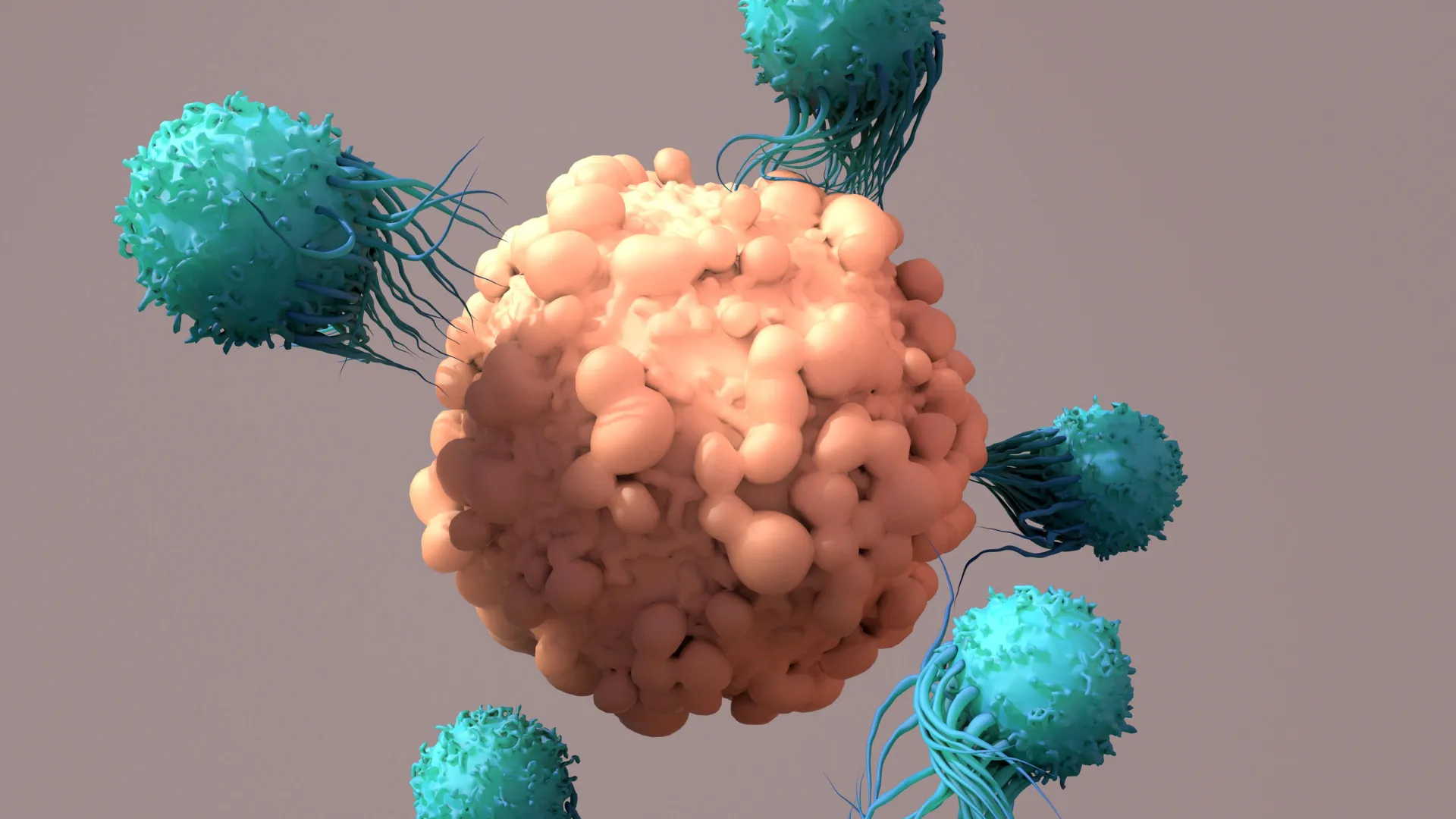
Scientists reprogram immune cells inside the body to fight cancer

Scientists at UC San Francisco have developed a way to create cancer-fighting CAR-T cells directly inside the body, potentially avoiding the slow and extremely expensive process of removing, engineering, and reinfusing a patient’s immune cells. Using a two-particle delivery system, the researchers sent CRISPR gene-editing tools and new cancer-targeting DNA specifically into T cells, where the DNA was inserted at a precise location in the genome.

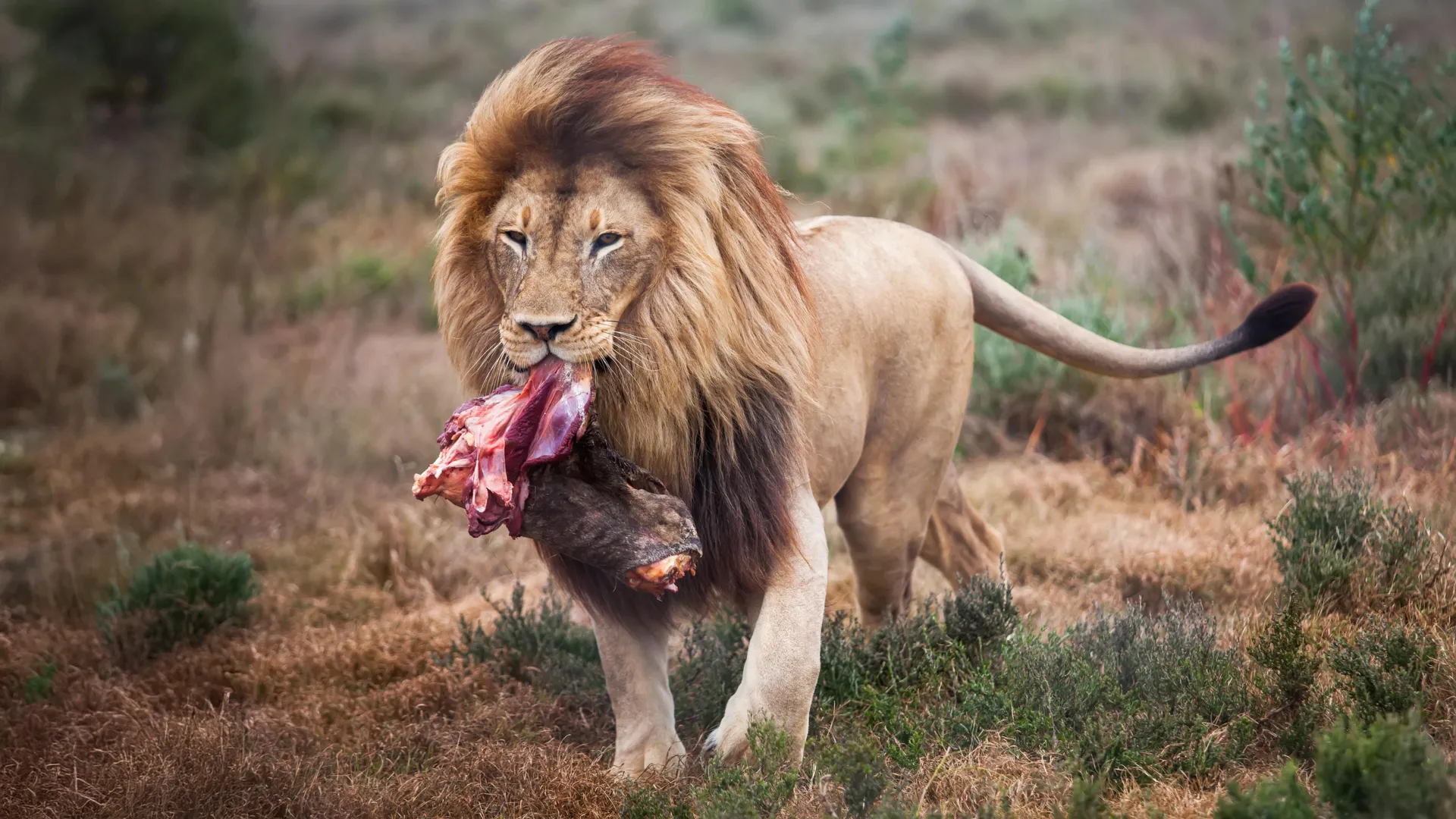
Scientists changed how zoo lions eat. Their wild side came out

Giving zoo lions whole carcasses on a feast-and-fast schedule appears to bring out more natural behavior. The lions spent nearly three times longer feeding, engaged in more tearing and manipulating of food, and rested more heavily after meals. Their activity then increased gradually during the fasting period, closely resembling the rhythm seen in wild lions.

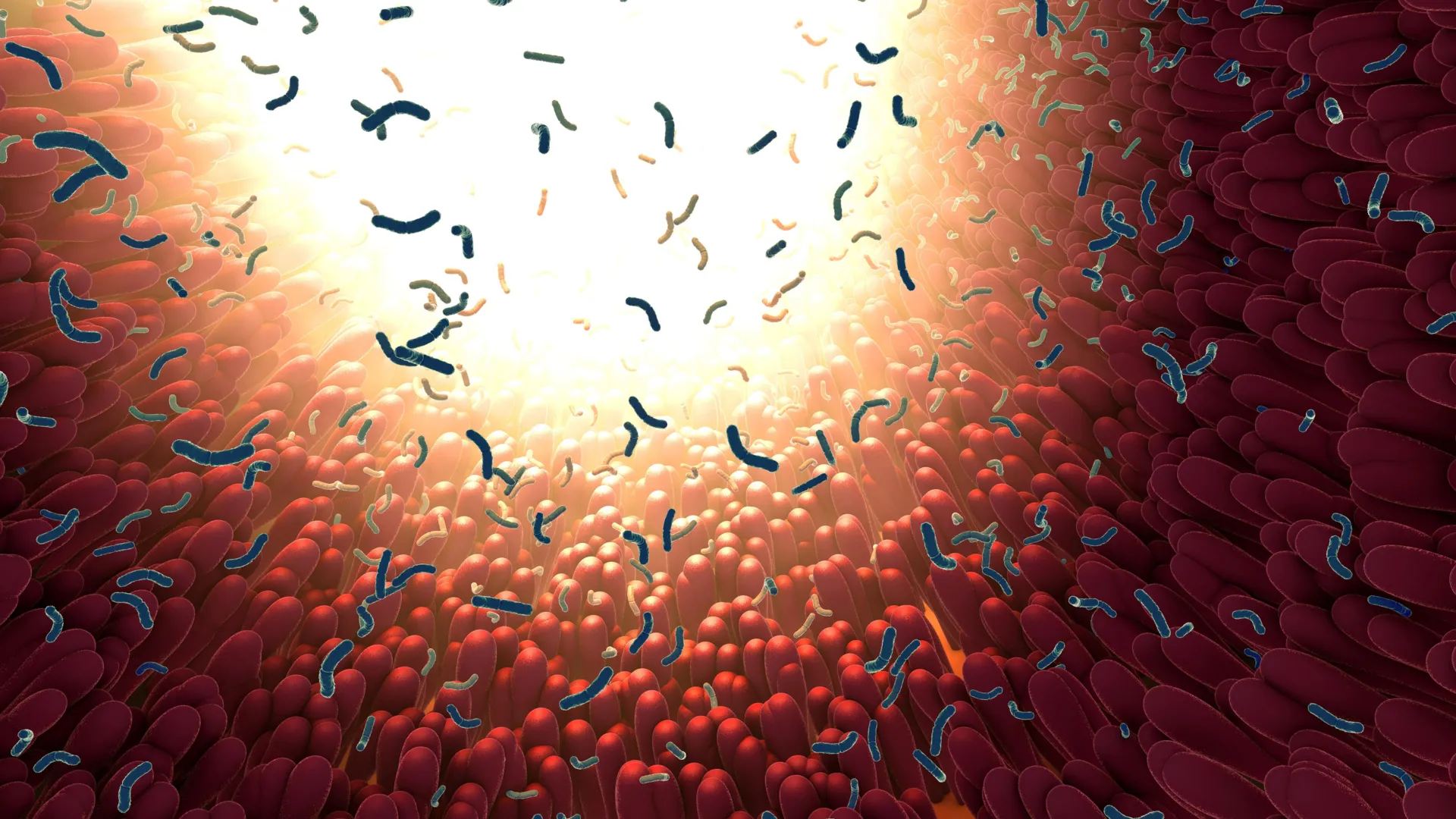
Taking antibiotics? Sugar may be making the damage worse

Eating more sugar while taking antibiotics was linked to greater disruption of the gut microbiome and increased growth of potentially harmful bacteria. Researchers say temporarily cutting back on sweets during and after antibiotic treatment could be a simple way to reduce this damage, though clinical trials are still needed.

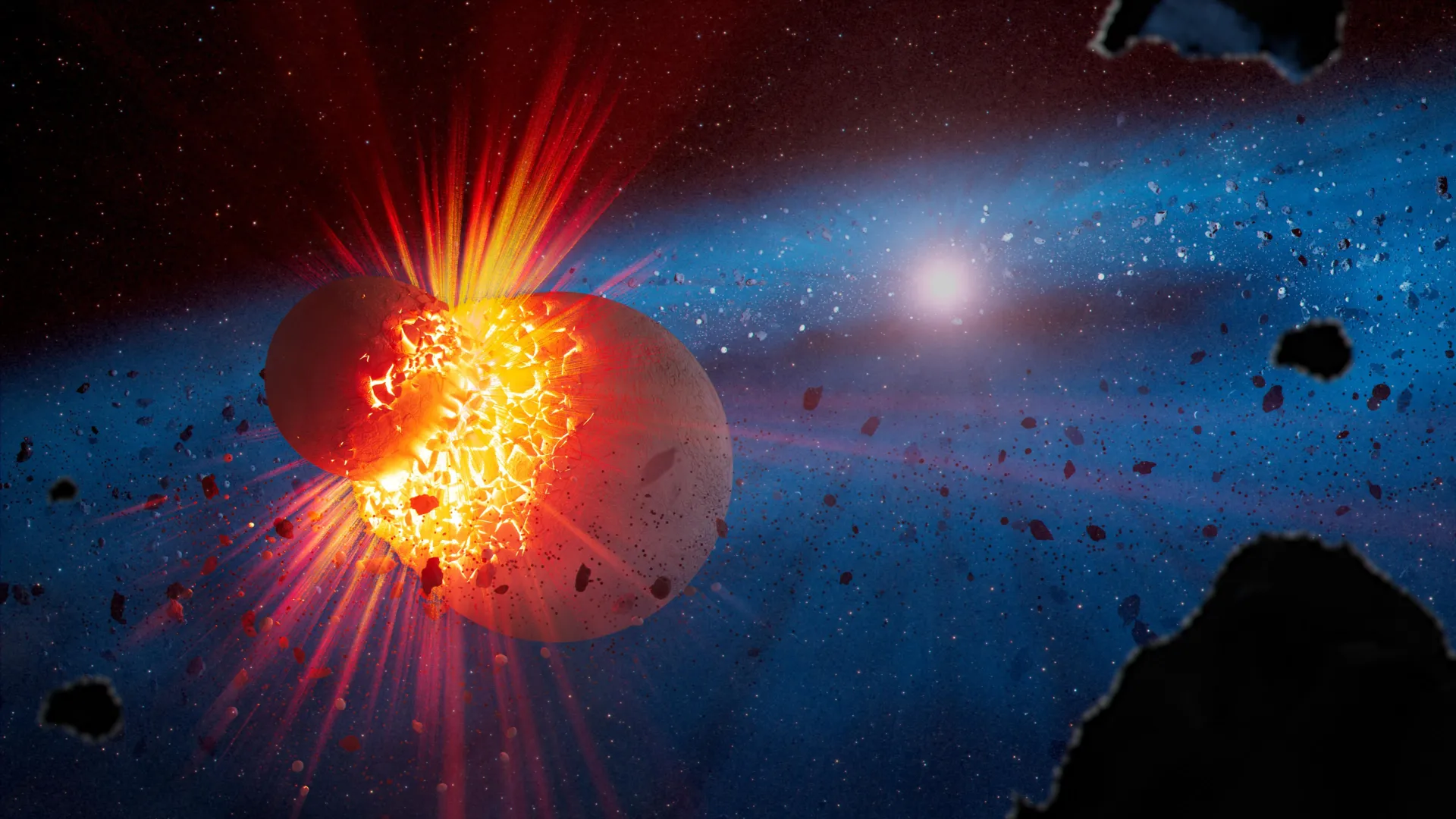
NASA’s Webb finds signs of Mars-sized worlds smashing together

NASA’s James Webb Space Telescope is giving astronomers a glimpse of the kinds of violent collisions that may have shaped our own solar system, including the giant impact thought to have created the Moon. By studying 21 rare “extreme debris disks” around young stars, researchers found that their dust can reveal the scale and intensity of planetary collisions.

Advertisement

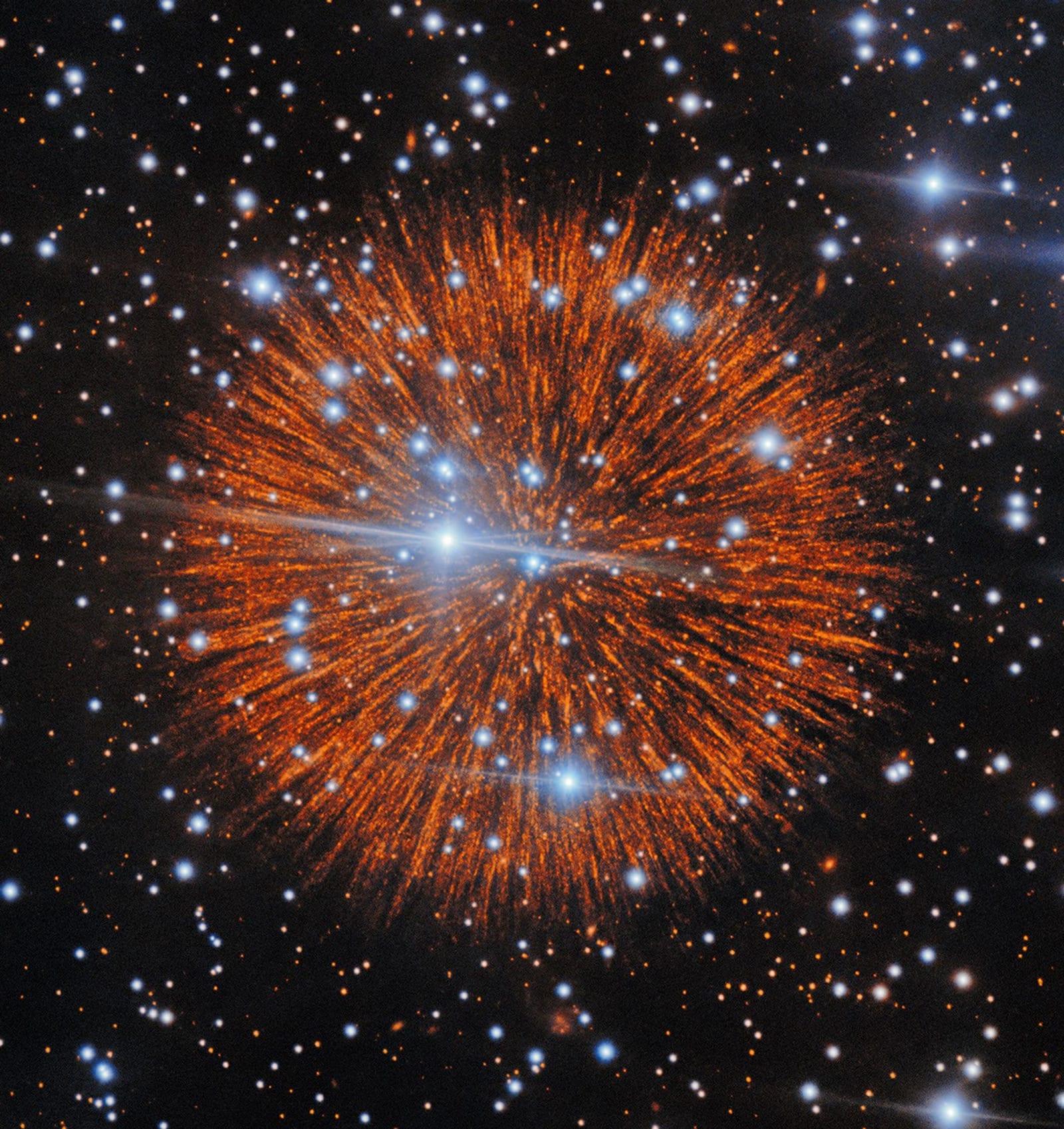
APOD: 2026 October 7 – Supernova Remnant Pa 30

APOD Science APOD APOD: 2026 October 7 –… Today’s APOD Archive Submissions Index Search Calendar RSS Education About Discuss APOD Astronomy Picture of the Day Discover the cosmos! Each day a different image or photograph of our fascinating universe is featured, along with a brief explanation written by a professional astronomer. Supernova Remnant Pa […]