American ranchers wrestle with soaring costs - and their loyalty to Trump
Many farmers in states that backed the president say they are being hit from all sides, with the crucial midterm elections just weeks away.
International news in seven languages
Many farmers in states that backed the president say they are being hit from all sides, with the crucial midterm elections just weeks away.
The critically endangered apes were rescued from intense wildfires that destroyed their habitat in August and September.
Those living in flood-hit areas say they are worried, and have started preparing.
Rescuers moved the apes after their habitats were threatened by intense wildfires over the summer.
Donna and Pete O'Brien say Misty's health declined after a walk.
A report finds some 885,000 trees have been planted, but there are concerns over survival rates.
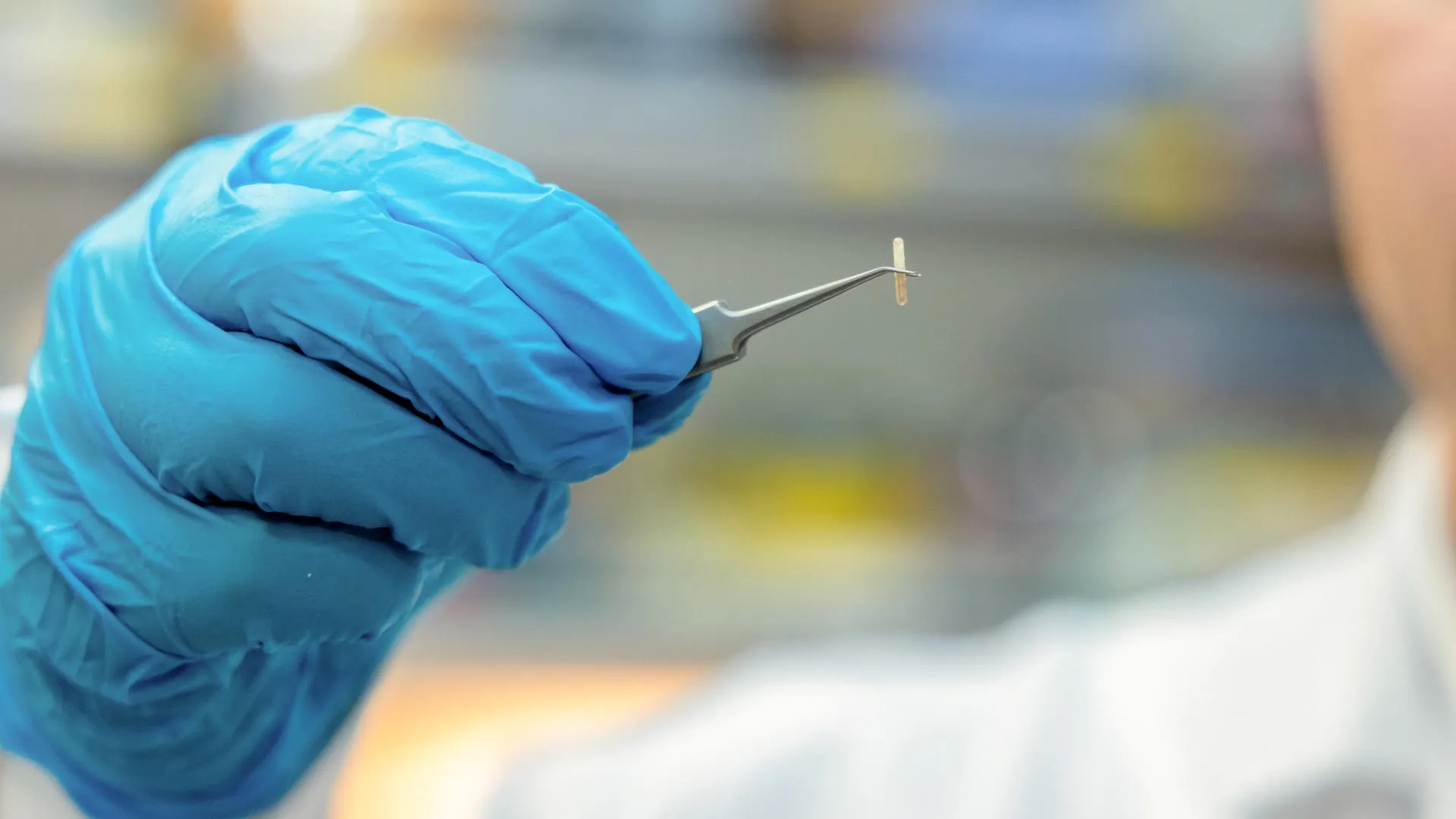
Scientists have developed a tiny, injectable device that can control nerve activity without surgery, batteries, or wires, potentially transforming treatment for chronic pain and movement disorders. Powered wirelessly from outside the body, the seed-sized technology has shown promising results in early testing.
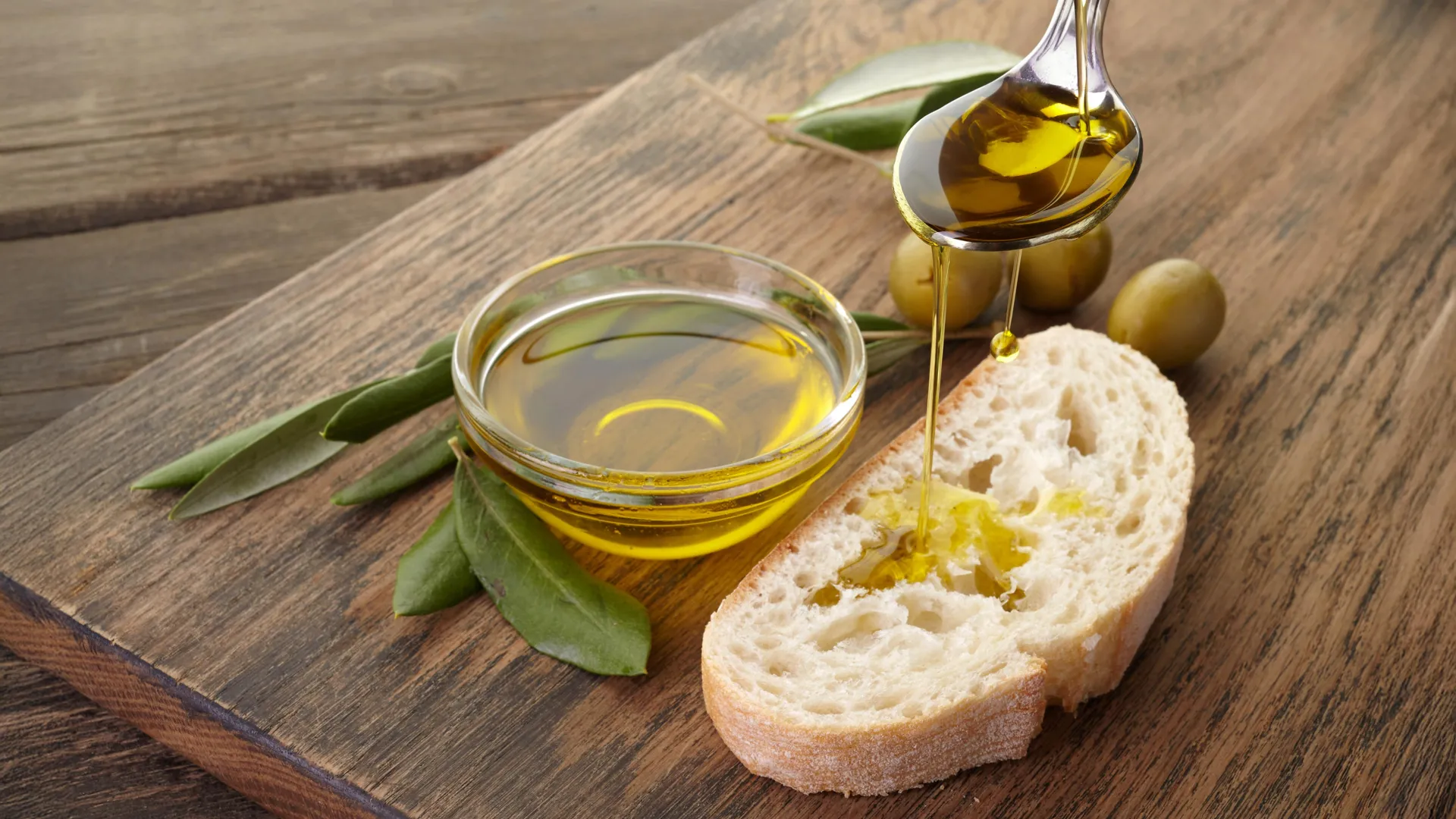
A simple change in the order you eat your food could help prevent blood sugar spikes. Scientists discovered that giving mice olive oil before carbohydrates slowed digestion and activated a surprising combination of hormones and nerve signals that helped regulate blood sugar, even in mice with type 2 diabetes.
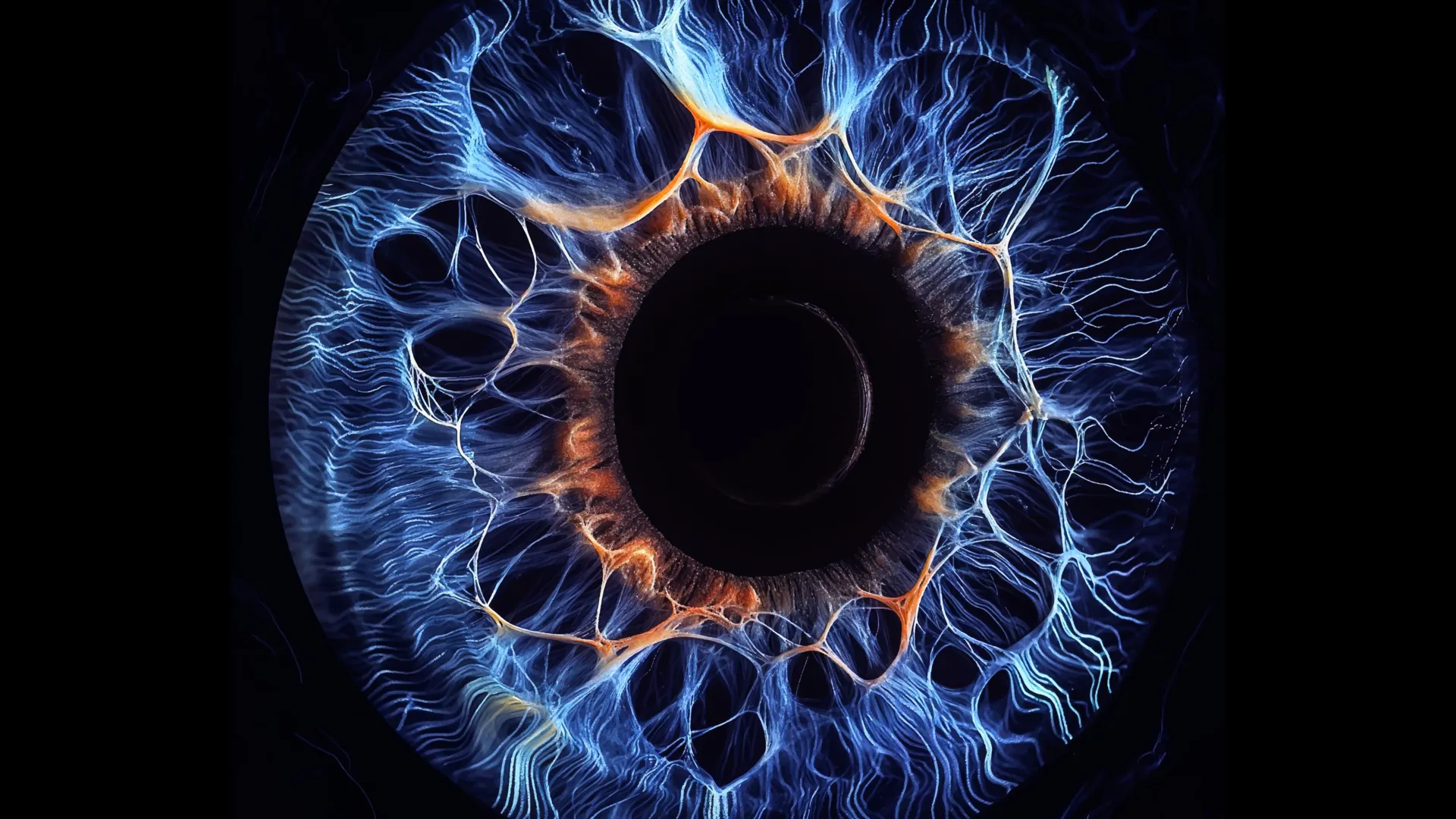
Scientists have discovered a hidden cleanup system at the back of the eye that drains fluid and waste through a previously unknown pathway. The surprising finding, demonstrated in mice, could open the door to new treatments for glaucoma, macular degeneration, and other causes of blindness.
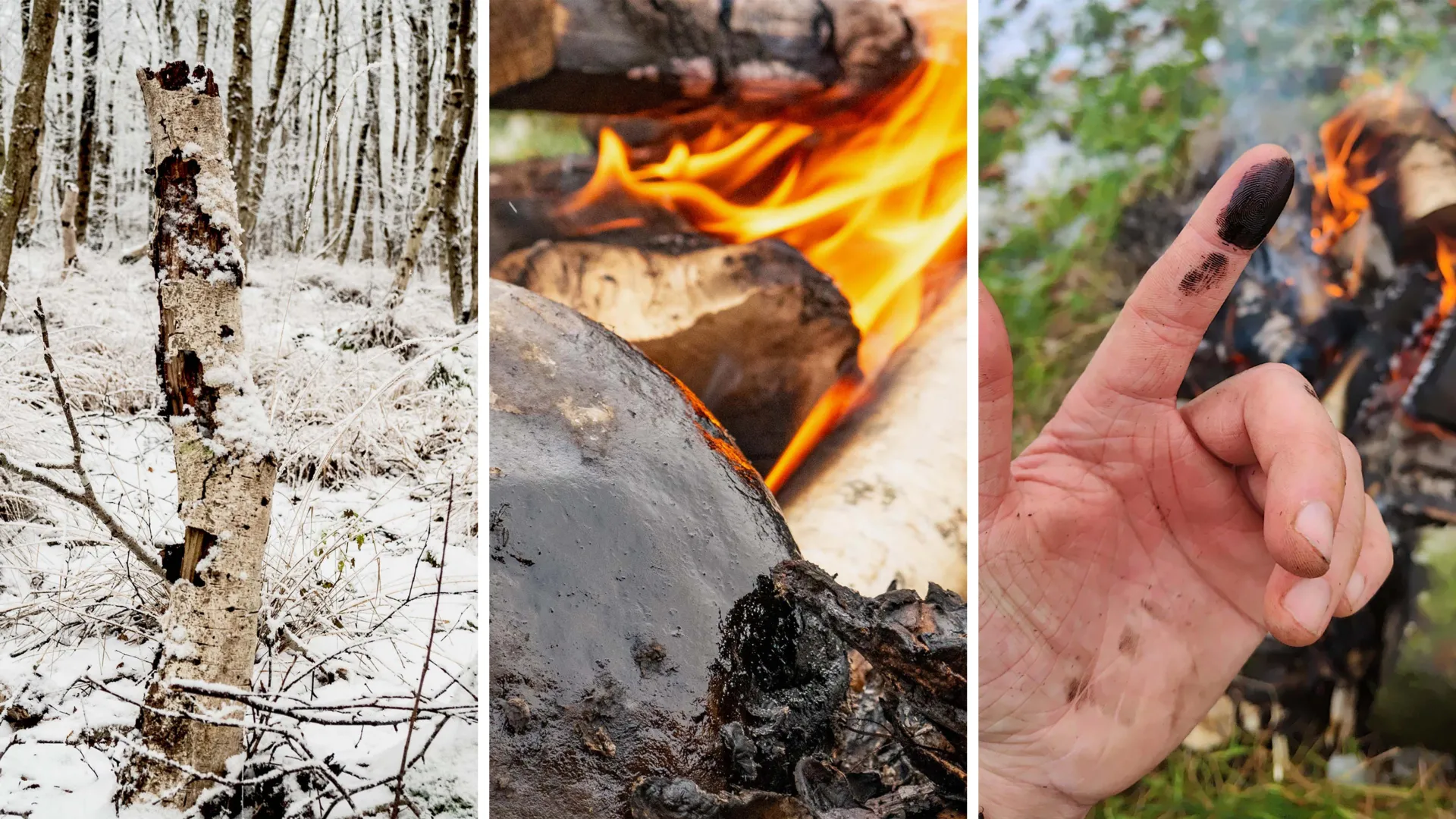
Neanderthals may have used a sticky substance made from birch bark to treat wounds thousands of years before antibiotics existed. Researchers recreated ancient birch tar production techniques and discovered that every sample could inhibit the growth of bacteria responsible for dangerous wound infections. Previously known mainly as a prehistoric glue, birch tar may have doubled as a surprisingly effective natural medicine.
Scientists in Vienna have achieved a major breakthrough in timekeeping by creating the world’s first self-stabilizing nuclear clock, a technology that could eventually surpass even the most precise atomic clocks. Instead of relying on electrons in atoms, the clock uses the tiny nuclei of thorium atoms, which are far less sensitive to outside disturbances.
Dermot Gethings was 16 when Nasa picked him to watch the Apollo 17 launch alongside Neil Armstrong.
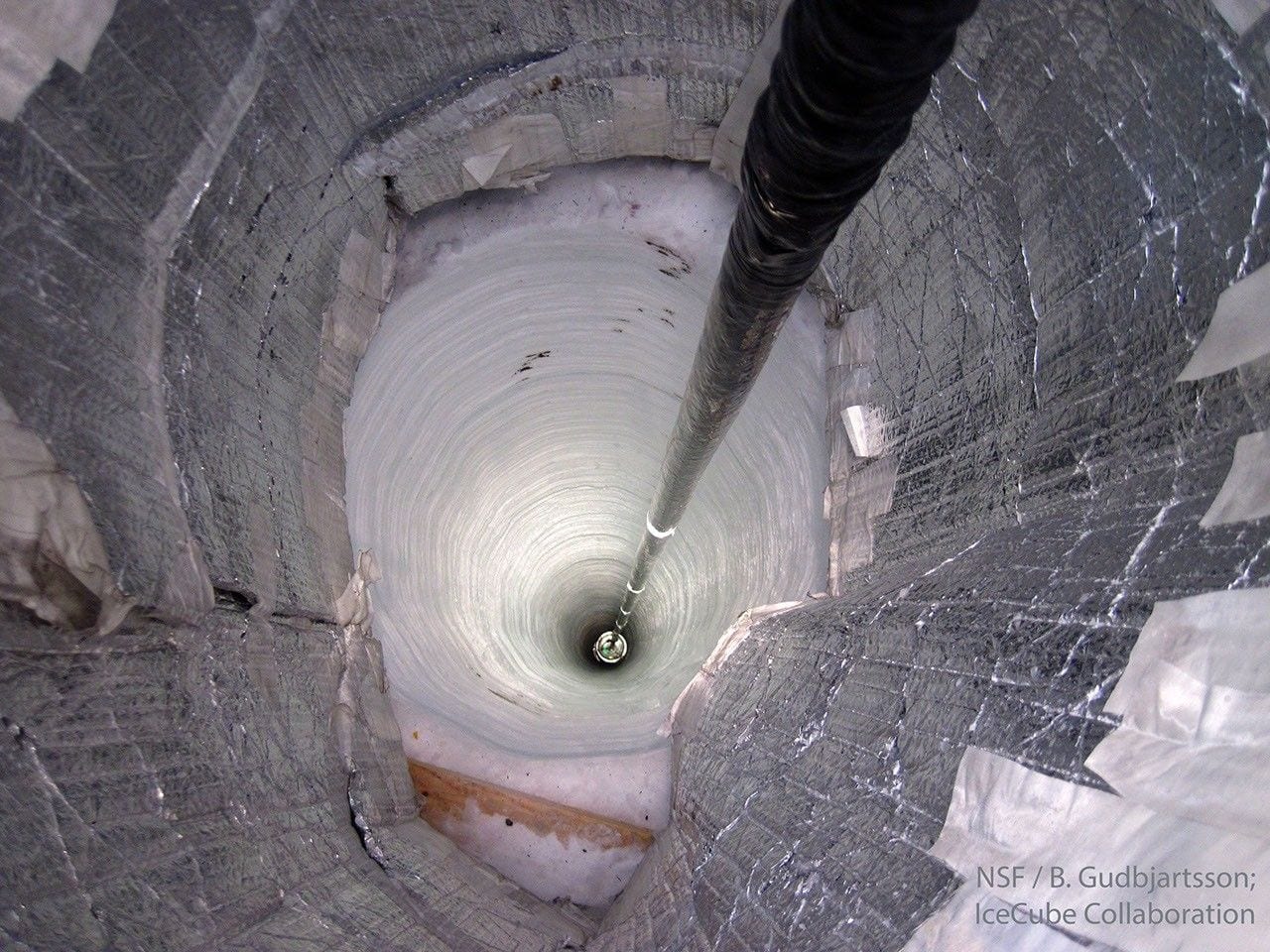
APODScienceAPODAPOD: 2026 October 11 – Ice…Today’s APODArchiveSubmissionsIndexSearchCalendarRSSEducationAboutDiscuss APOD Astronomy Picture of the Day Discover the cosmos! Each day a different image or photograph of our fascinating universe is featured, along with a brief explanation written by a professional astronomer. Ice Fishing for Cosmic Neutrinos Explanation: Scientists are melting holes in the bottom of the world. […]
'More Simple ', the new book of the cook written in four hands with chef Verena Lochmuller, is a defense of the kitchen as a place of refuge, space of creativity and search for the tasty
A community of readers should not only be a space in which everyone can speak, but one in which it is also possible to hear. This requires to contain the noise
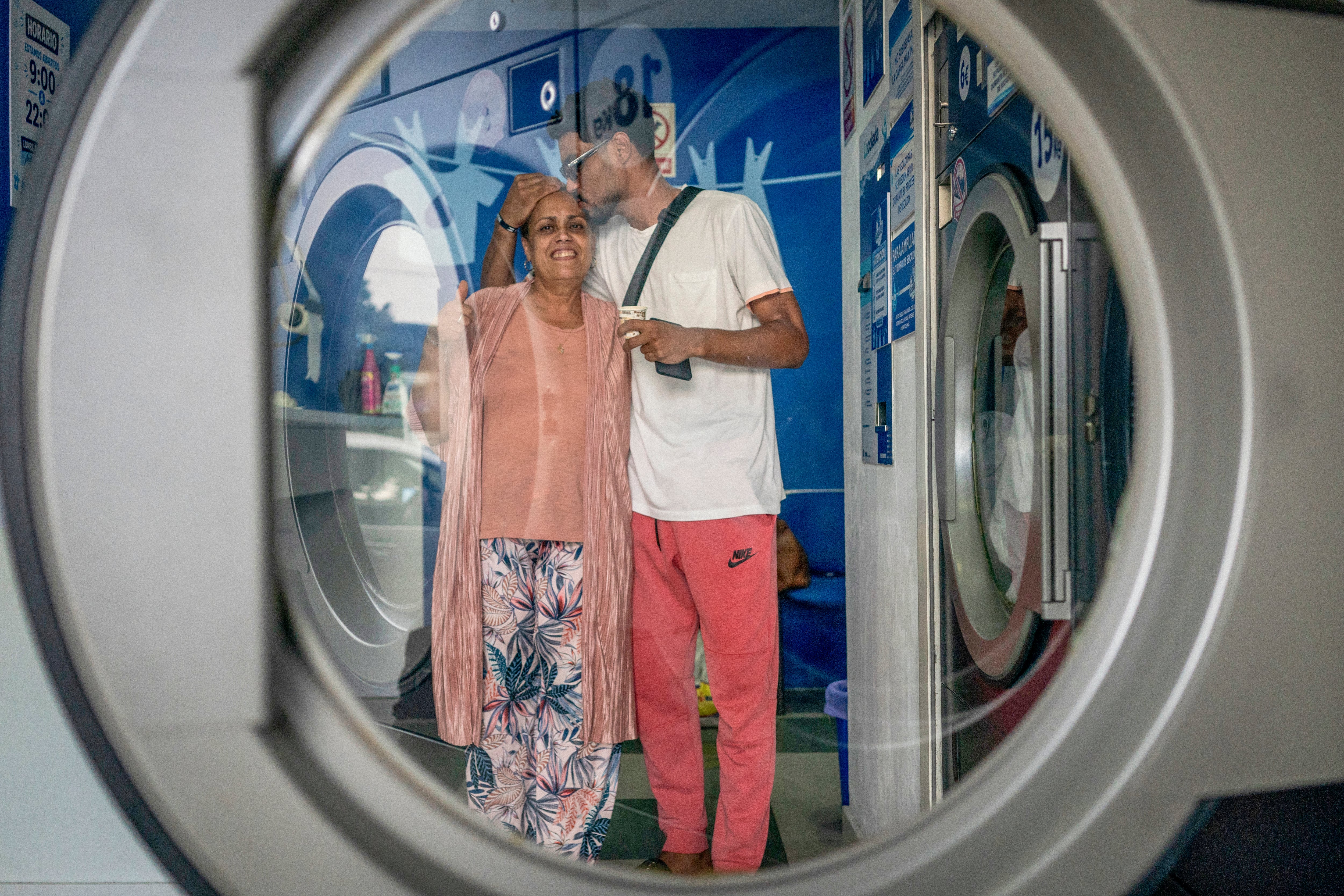
In the middle of a social climate of tension, there are spaces in Ceuta where different groups necessarily live together.
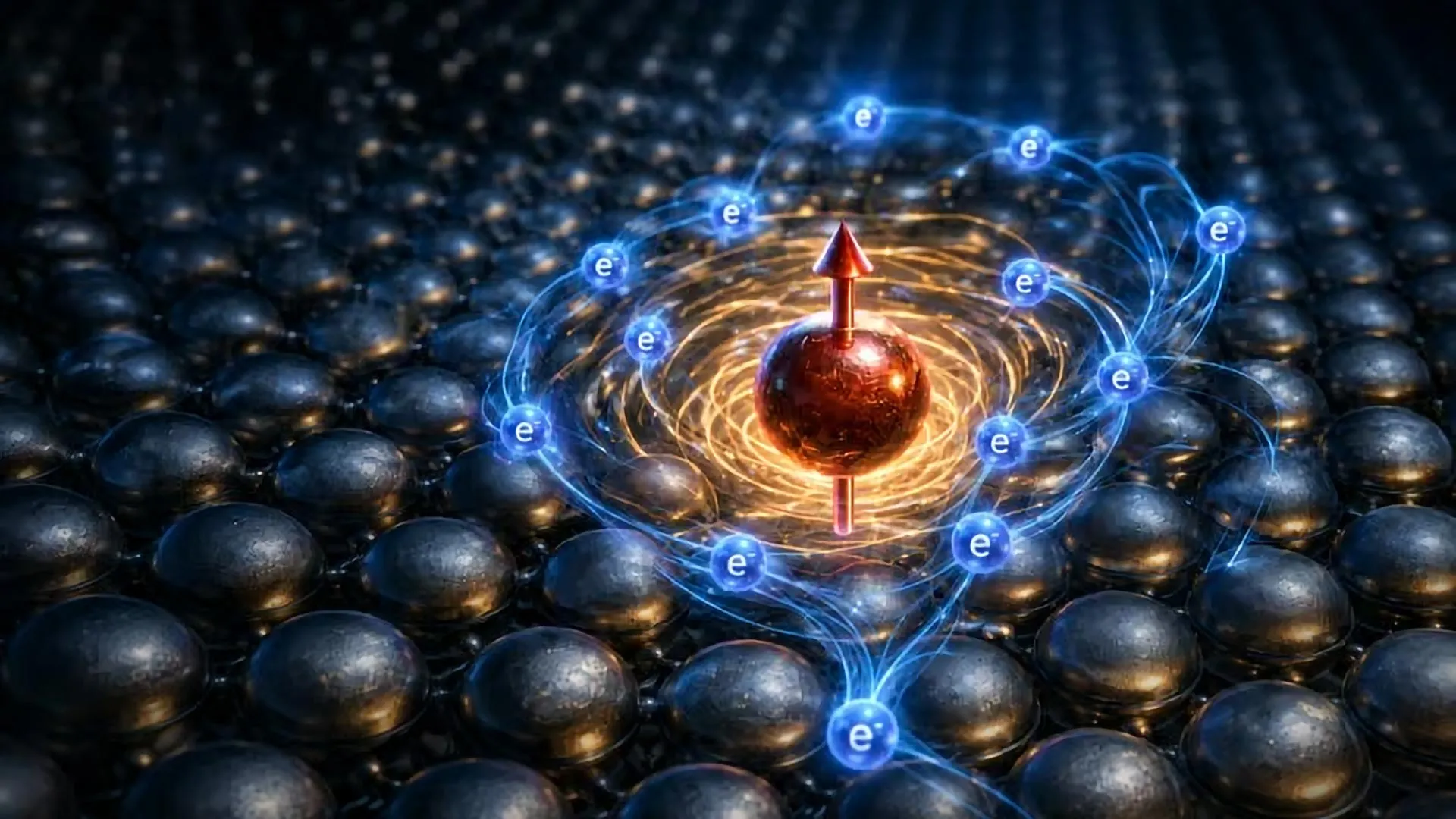
Scientists have developed a powerful new way to calculate the Kondo effect, a strange quantum phenomenon that appears when magnetic atoms are embedded in metals. Instead of relying on simplified models, the method uses the real atomic and electronic structures of materials, allowing researchers to predict their behavior with far greater accuracy.
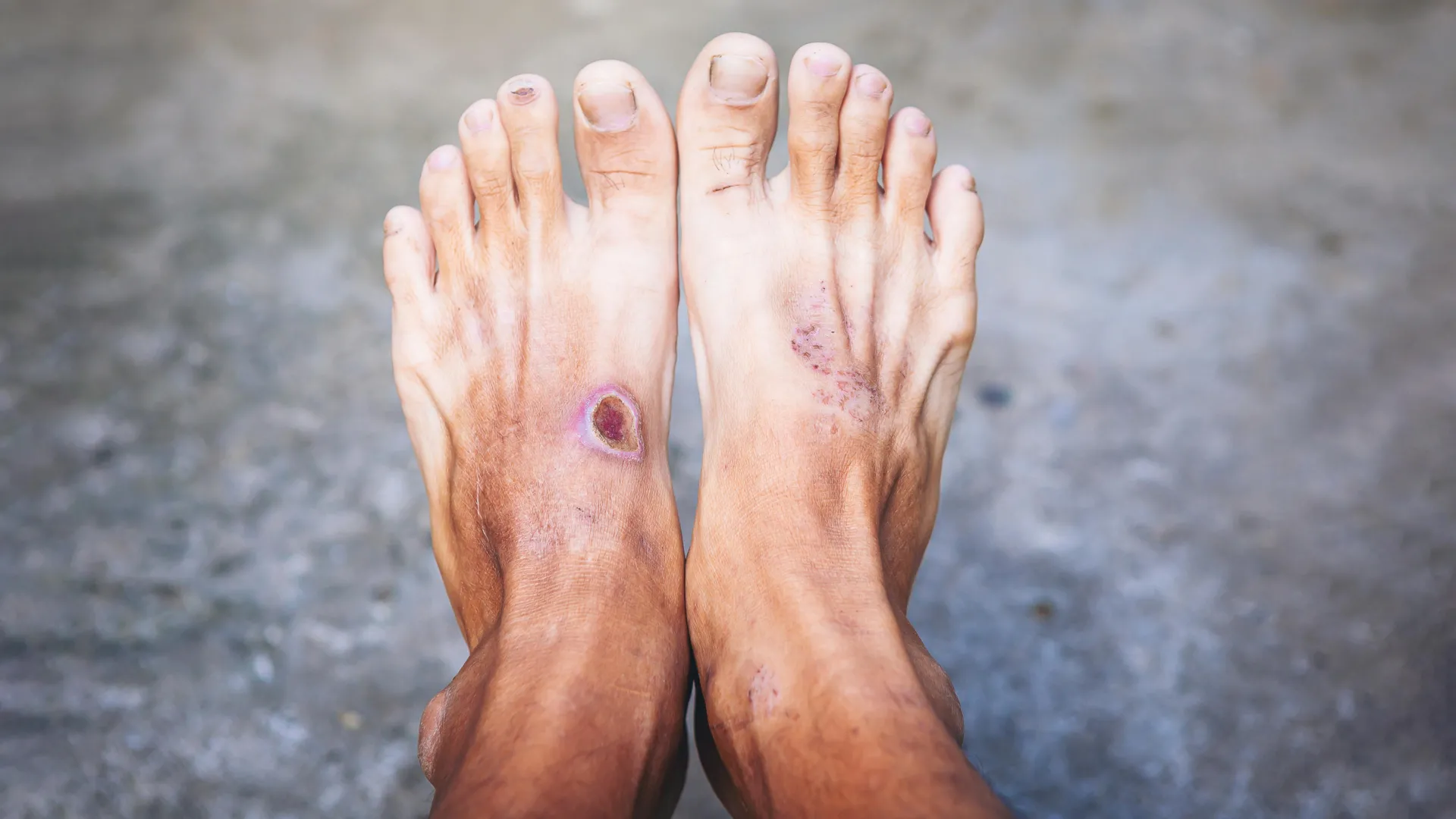
Chronic diabetic wounds may fail to heal because immune cells remain locked in damaging inflammatory states instead of transitioning toward tissue repair. Researchers are exploring treatments that reprogram these immune responses, raising hopes for more targeted and effective therapies for diabetic ulcers.
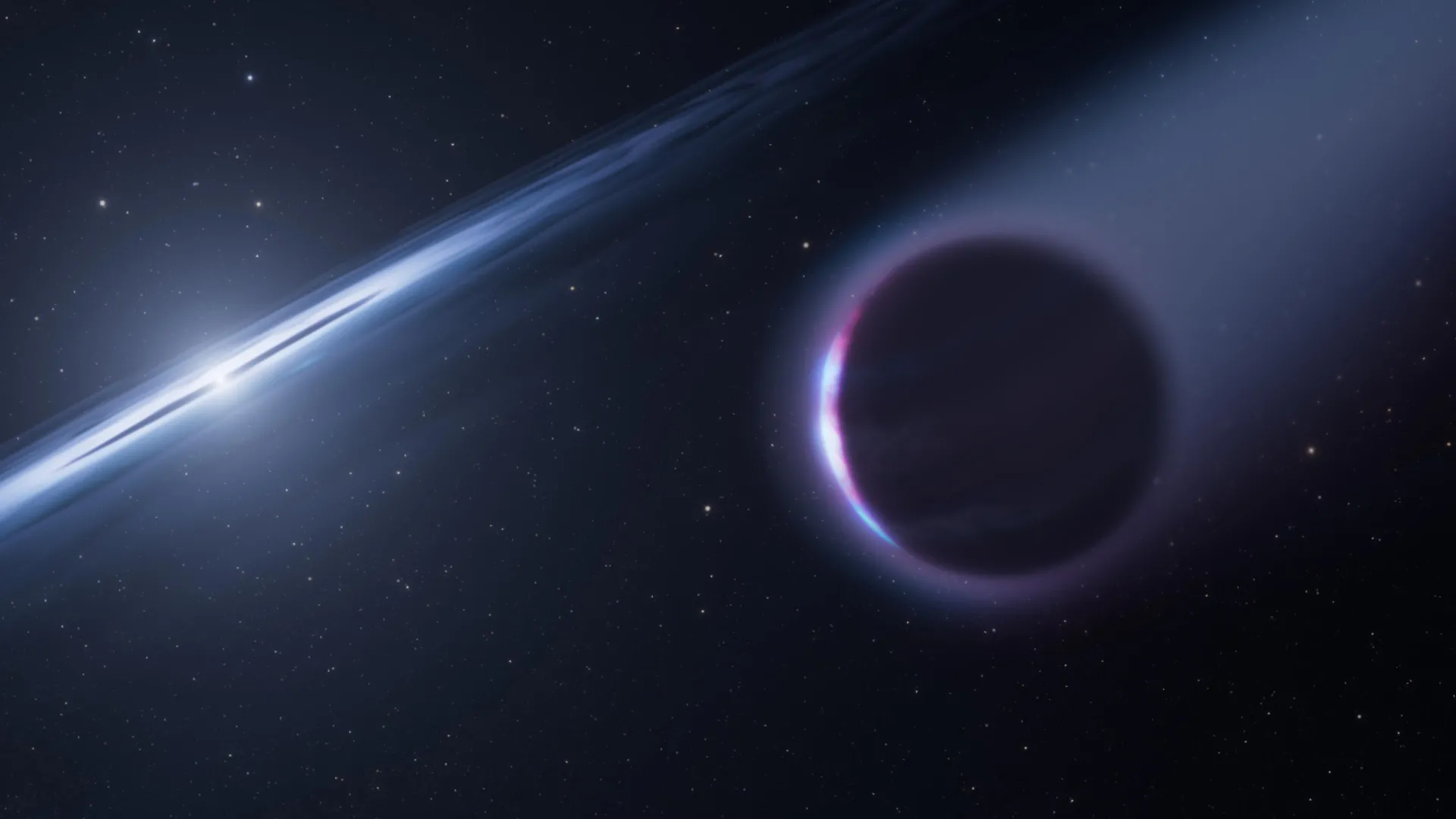
A strange chemical signature in old Hubble observations may point to a planet that formed after its star had already died. Astronomers found unusually high levels of niobium around the white dwarf HS 0209+0832, suggesting some of the star’s expelled material may have assembled into a new gas giant. TESS data also hints at a Jupiter-sized planet orbiting just 3.7 million miles from the star.
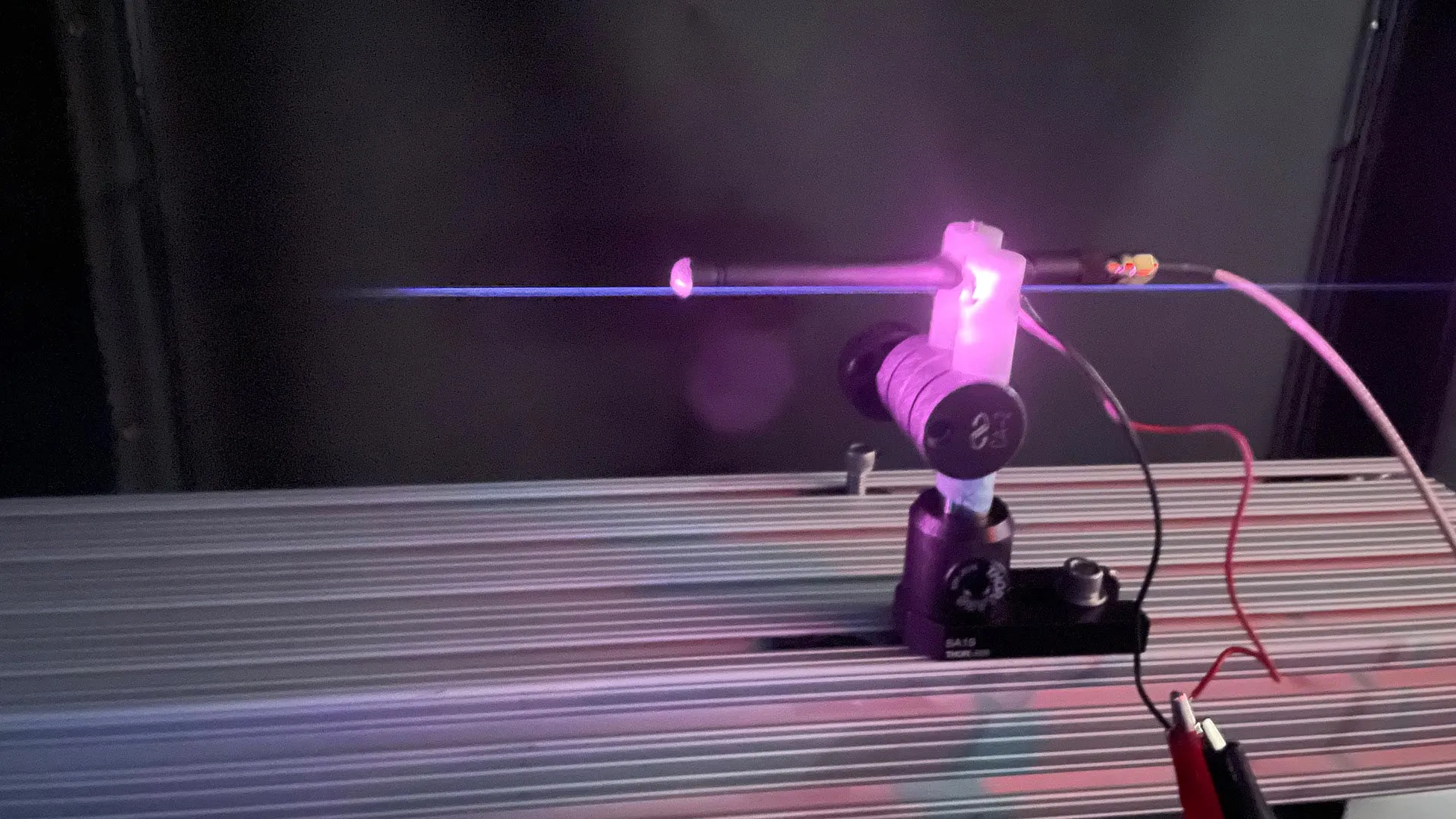
Scientists have demonstrated a remarkable new antenna that resembles a lightsaber, using a laser to create a tunable beam of plasma capable of transmitting radio waves. The technology could revolutionize wireless communications by allowing antennas to change their size and direction on demand, with promising applications in satellites, radar, and space exploration.