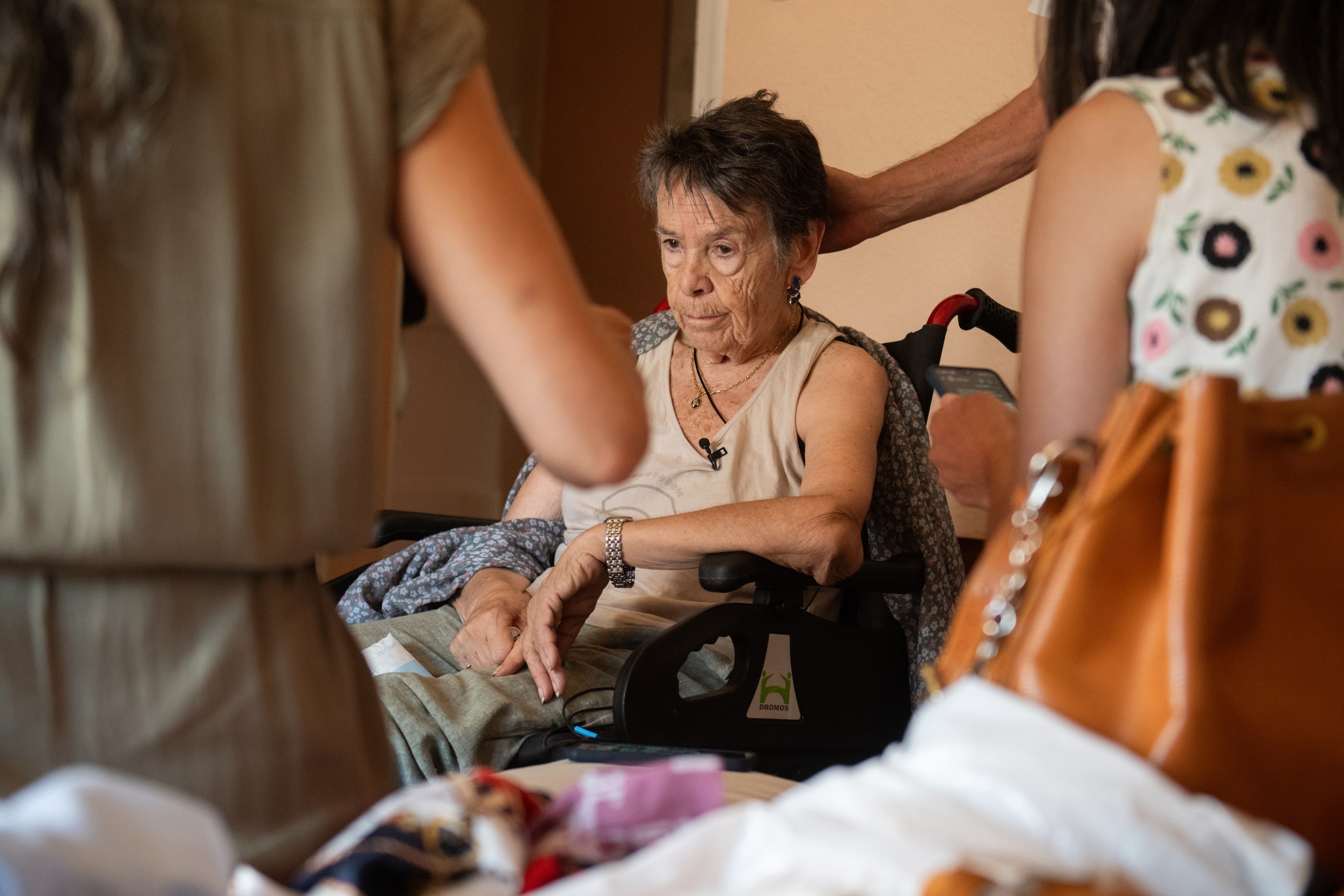
Maricarren accepts the deal and will return home when he is discharged from the hospital
The company has signed an agreement for the 87-year-old woman to return to the Retiro floor by paying about 500 euros
International news in seven languages
The company has signed an agreement for the 87-year-old woman to return to the Retiro floor by paying about 500 euros
Andy Burnham wants to outline his ideas for a free-at-the-point-of-use social care system in his first speech to Labour conference as prime minister.
The racist vocabulary of AfD sounds more trivial than the great Nazi terms, but it is not.
People with diabetes reported better quality of life after days when their glucose stayed largely within a healthy range, even when levels fluctuated more than usual. The unexpected finding suggests that pursuing extremely tight glucose control may sometimes come with a hidden lifestyle burden.
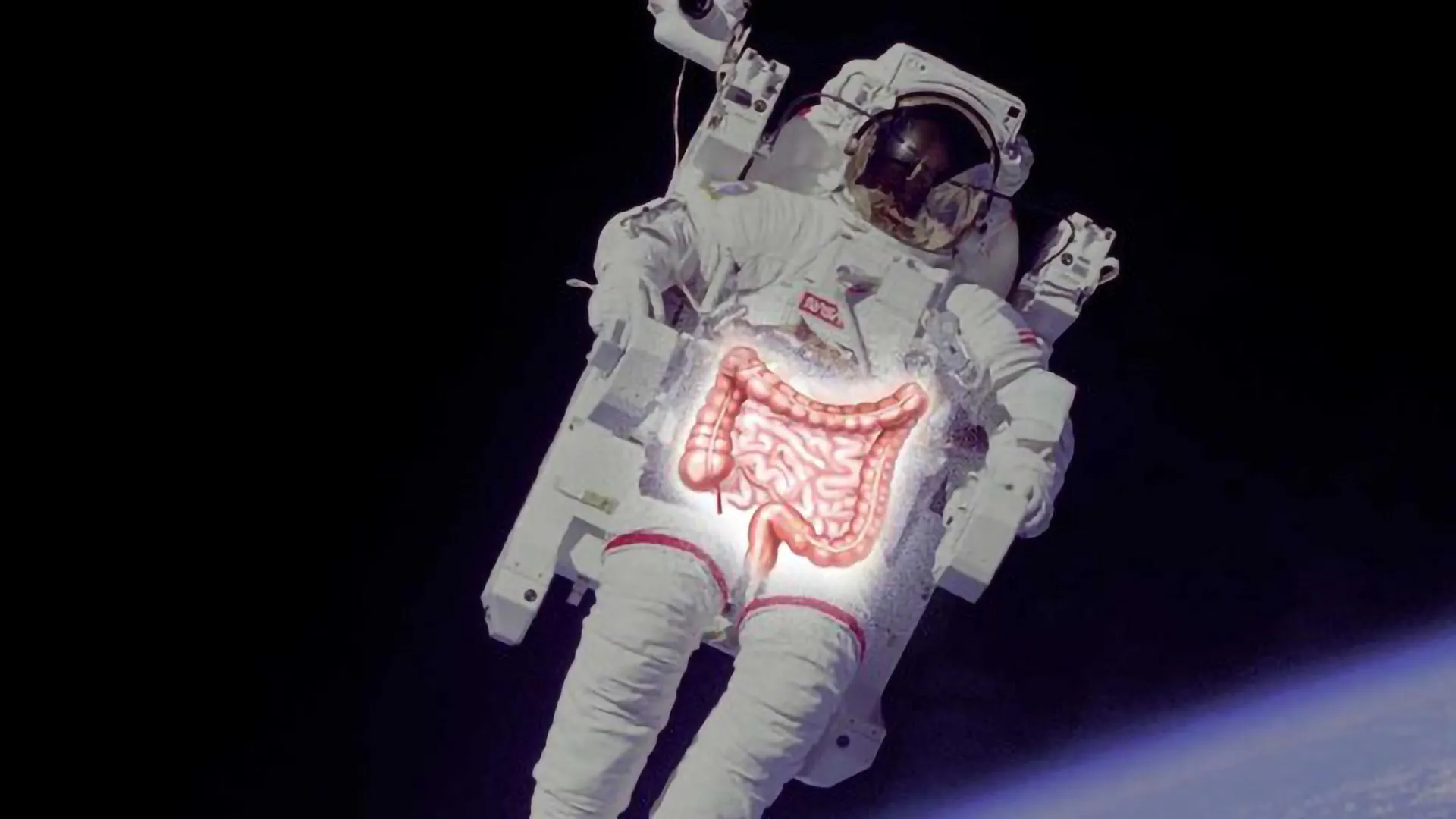
Spaceflight may dramatically change the gut within weeks, causing bacteria to break down more protein as food moves more slowly through the intestines. The shift could help explain astronaut constipation and may have wider effects on health, making it an important concern for future missions to Mars.
The Minister ensures that the change will strengthen the right to termination of pregnancy and reduce territorial inequalities. Almost one in three processes are with drugs
Research that has led the company Minoryx to develop the new drug against brain adrenoleuchodystrophy began in a public hospital 20 years ago
Dr Chris McCarthy talks through the four considerations you need to make before buying your pillow.
Scientists have mapped the genetics of cat cancer on an unprecedented scale and found surprising similarities with tumors in humans. The findings could help bring precision cancer treatments to cats while also revealing new clues about how human cancers develop and respond to drugs.
A large health-record analysis found that glucosamine use was associated with a 25% higher likelihood of mild cognitive impairment progressing to dementia. Lab experiments suggest the popular joint supplement may intensify an abnormal sugar-tagging process in the Alzheimer’s brain, although researchers say clinical trials are needed to determine whether it actually causes harm.
Andy Burnham said the proposed care service would be laid out in detail and put on the ballot at the next general election.
East Suffolk and North Essex NHS Foundation Trust says it has launched an "urgent" investigation.
A new analysis suggests mammograms may lead to far less breast cancer overdiagnosis than some earlier studies indicated. Researchers reexamined all eight major randomized screening trials and accounted for differences in follow-up time, screening frequency, and screening after trials ended. Their results were consistent with an overdiagnosis rate below 5%, rather than estimates approaching 30% to 50%.
Scientists discovered rare flavoalkaloids in Cannabis leaves for the first time, along with dozens of other phenolic compounds that had never been reported in the plant. The findings suggest that Cannabis leaves, often discarded as waste, may contain a surprisingly rich source of potentially useful chemicals.
Mohamed M. has a triple jaw fracture and the doctors have implanted a prosthetic
The Union of Inquillinas, on the camp: "The demonstration was not enough for us" - 124; Tens of thousands of people travel in Madrid in protest of the rents and evictions: "We are left homeless"
Statistics Jersey says the 2026 Children and Young People’s Survey will open in October.
Bare nails - or nails that appear that way - are a growing trend. But is it as innocent as it seems?
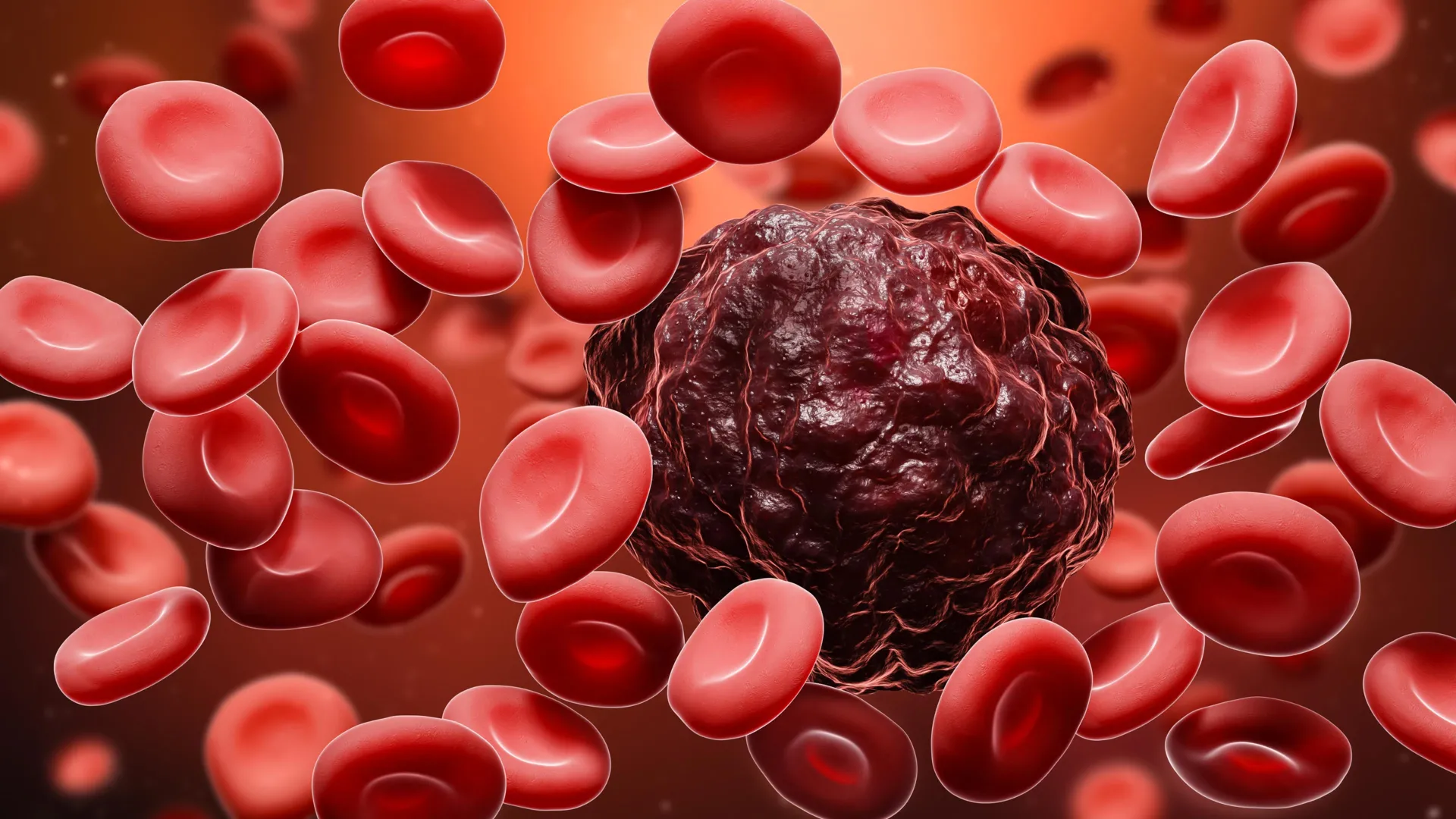
Researchers used CRISPR to remove CD33 from donor stem cells, potentially giving doctors a way to attack aggressive blood cancers without destroying the healthy cells patients need after a transplant. In a 30-patient trial, the edited cells successfully took hold and appeared to shield blood cells from a CD33-targeted cancer treatment.
There have been too many cases of staff abusing patient trust, and enough is enough, the head of the NHS in England says.