Advertisement
Advertisement

Health

Scientists reveal what seven days of fasting does to the human body

Scientists found that prolonged fasting triggers major changes throughout the body, but many of the most interesting effects only appeared after about three days without food. The results suggest fasting may influence health in ways that go beyond weight loss and could eventually inspire treatments that mimic its effects.

The elderly of Maricarren

There is something in this woman that has been very little highlighted: her extraordinary agency capacity. Even hospitalized has recorded videos defending their vital positioning and encouraging the struggle

Vitamin D drug may help crack pancreatic cancer’s protective shield

A vitamin D analog may help break down pancreatic cancer’s protective defenses, potentially making tumors more vulnerable to chemotherapy and immune attack. A small clinical trial found encouraging responses, especially in patients whose tumors had high levels of the vitamin D receptor.

This common vitamin could help fight one of the deadliest brain cancers

High-dose vitamin B3 is showing intriguing early promise as an addition to standard glioblastoma treatment, with 82% of patients in a small trial remaining progression-free after six months. Researchers believe niacin may help revive immune cells suppressed by the cancer, but larger studies are still needed to confirm the benefit and safety.

Advertisement

Weak sunlight can still damage your DNA, scientists warn

Weak sunlight can still damage skin DNA if you spend enough time outdoors, according to a landmark Australian study. Even UV doses too low to cause visible redness triggered cellular damage that could accumulate over time and contribute to skin cancer risk.

Vitamin C linked to fewer deaths in blood disorder trial

Vitamin C may do more than support the immune system. In a phase 2 trial of people with precancerous or low risk blood cancers, daily vitamin C did not slow abnormal cell growth, but it was linked to favorable changes in inflammation and fewer serious complications. An exploratory follow up also found fewer deaths among participants taking vitamin C than among those receiving placebo.

Leucine does more than build muscle. It powers up your cells

The essential amino acid leucine can boost cellular energy production by protecting key proteins on mitochondria from being destroyed. The discovery reveals a new connection between nutrition and metabolism that could eventually lead to new approaches for metabolic disorders and cancer.

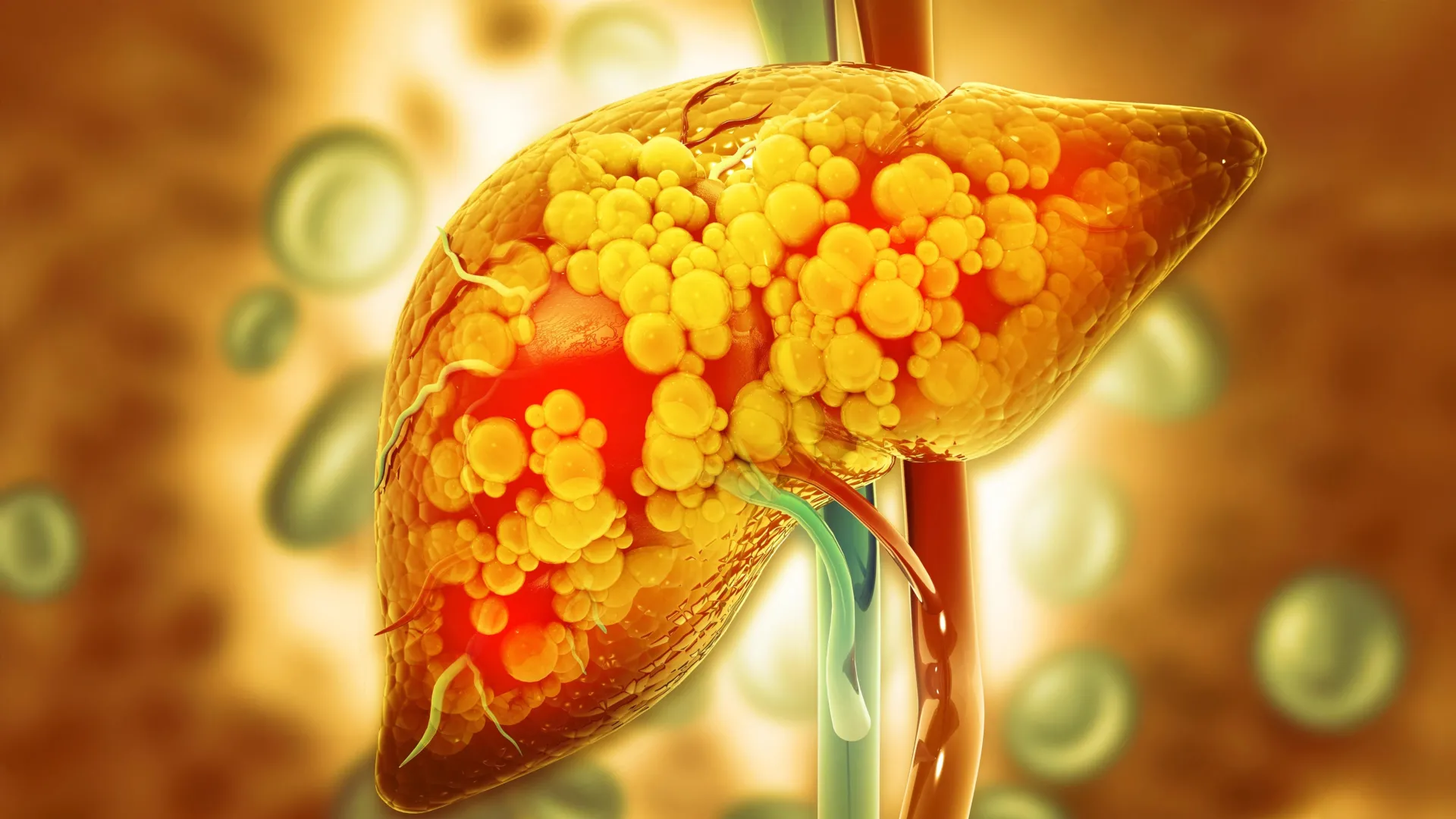
This protective enzyme could help stop fatty liver disease from getting worse

Scientists have identified an enzyme that may act as a natural defense against the worsening of fatty liver disease, which affects an estimated 100 million Americans. The enzyme, called UBE2N, helps liver cells clear away damaged mitochondria and break down fat, potentially preventing the inflammation, scarring, and cell damage associated with the more dangerous condition MASH.

Advertisement