Advertisement
Advertisement

Health

New mesothelioma drug turns cancer’s own defenses against it

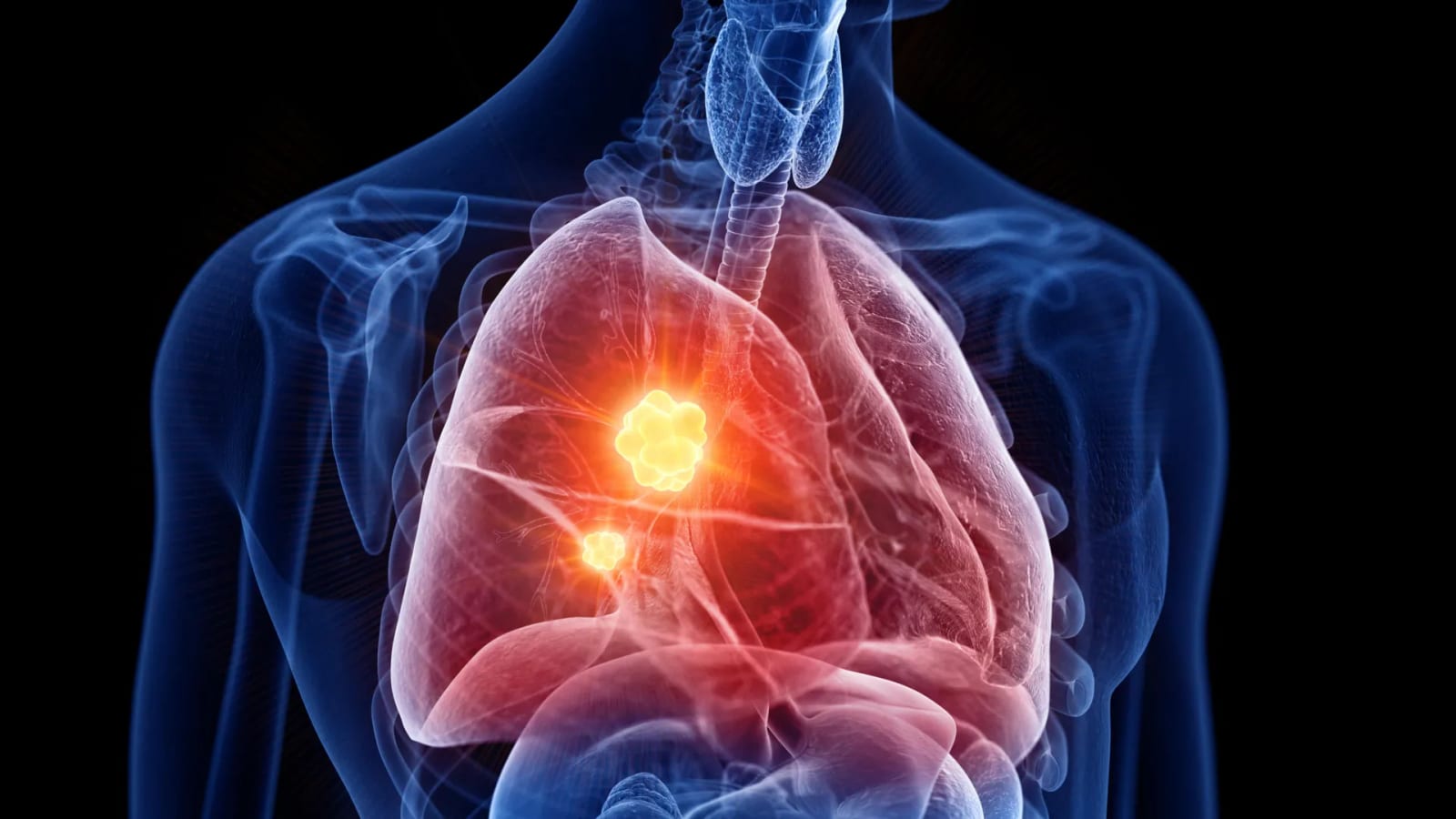
Scientists are testing a counterintuitive way to fight mesothelioma, an aggressive asbestos-linked cancer with few effective treatments. A new experimental mesothelioma drug kills cancer cells by disabling PRX3, an antioxidant defense that tumors use to survive intense oxidative stress. In an early clinical trial, it controlled disease progression in 67% of patients and produced encouraging survival results, raising hopes that the strategy could eventually be used against other cancers.
ScienceDaily

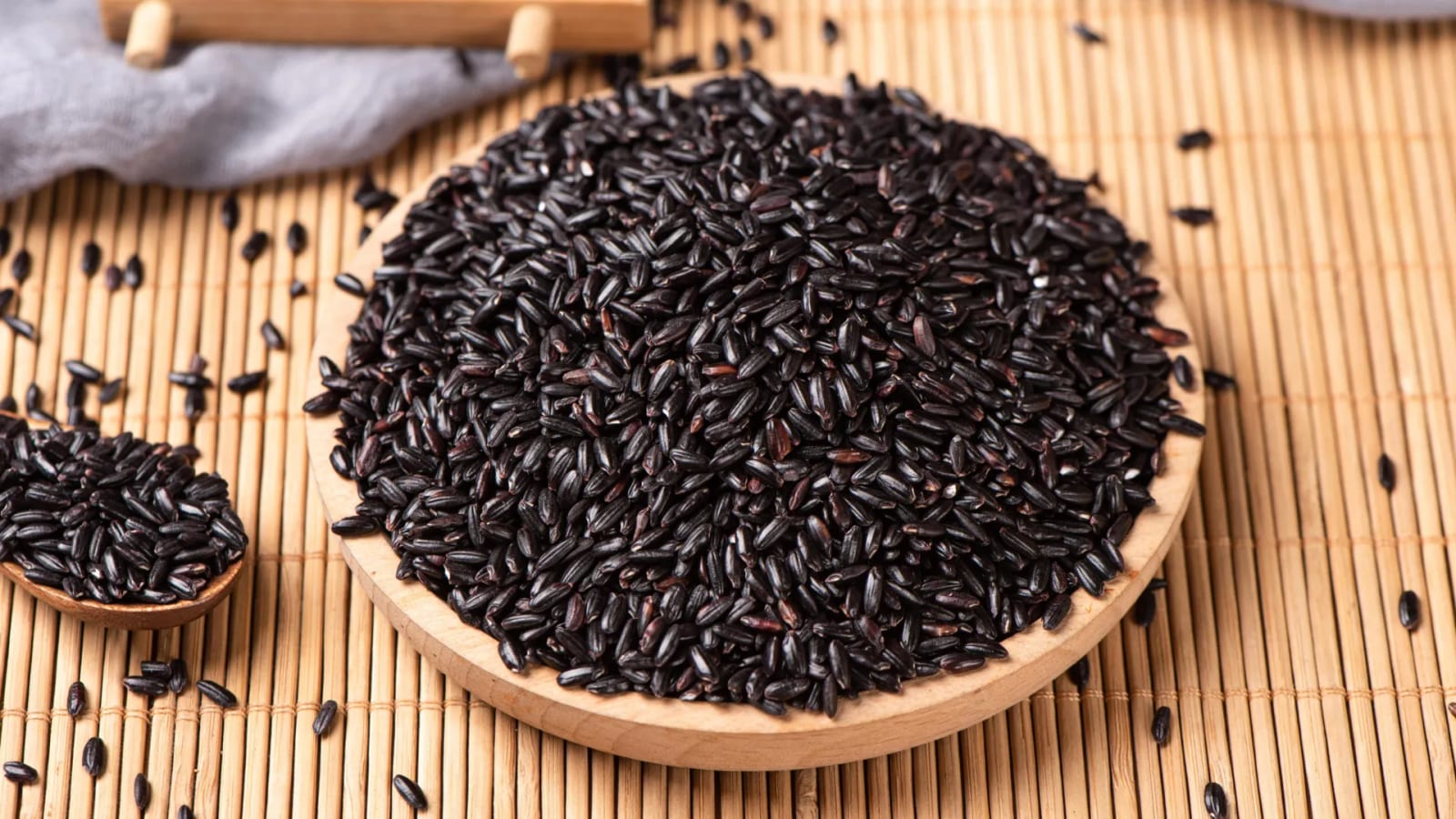
Scientists find a hidden health advantage in black and green rice

Scientists found that black and green Japanese rice contain unusual, potentially beneficial fats and may be digested more slowly than ordinary white rice. The combination could make these colorful varieties promising ingredients for foods designed to support blood sugar and metabolic health.

ScienceDaily

Scientists find a natural gut compound that helps heal the intestine

A natural compound produced by gut bacteria after digesting foods such as pomegranates, walnuts, and berries may help repair and protect the intestinal lining. The discovery reveals a surprising beneficial side of an inflammatory pathway and could inspire more targeted treatments for Crohn’s disease and ulcerative colitis.

ScienceDaily

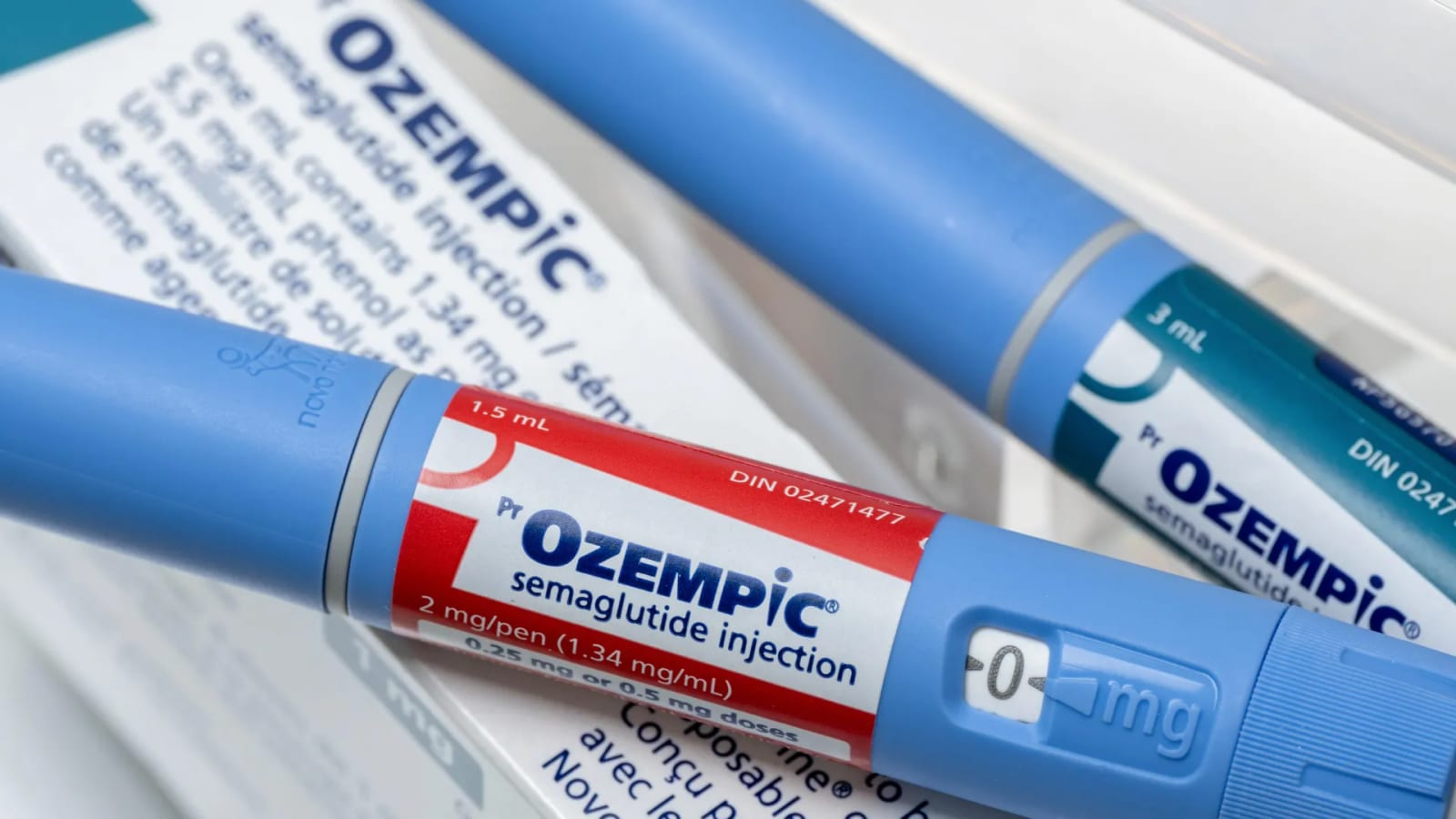
Ozempic can change your body. Can it change your life?

Ozempic and other GLP-1 medications can improve blood sugar, weight, and cardiovascular health, but researchers found little evidence that they also improve mental health, employment, marriage, or overall well-being. The findings suggest the drugs’ broader life effects may be subtler than their dramatic physical health benefits.

ScienceDaily

These blood thinners may have an unexpected benefit for Alzheimer’s patients

Newer blood thinners may do more than prevent strokes in people with Alzheimer’s disease and atrial fibrillation. Researchers found that patients taking NOACs experienced a slower decline in cognitive function than those using warfarin or no blood thinners. The effect was modest each year but could add up over time.

ScienceDaily

WHO and Switzerland cement cooperation until 2028

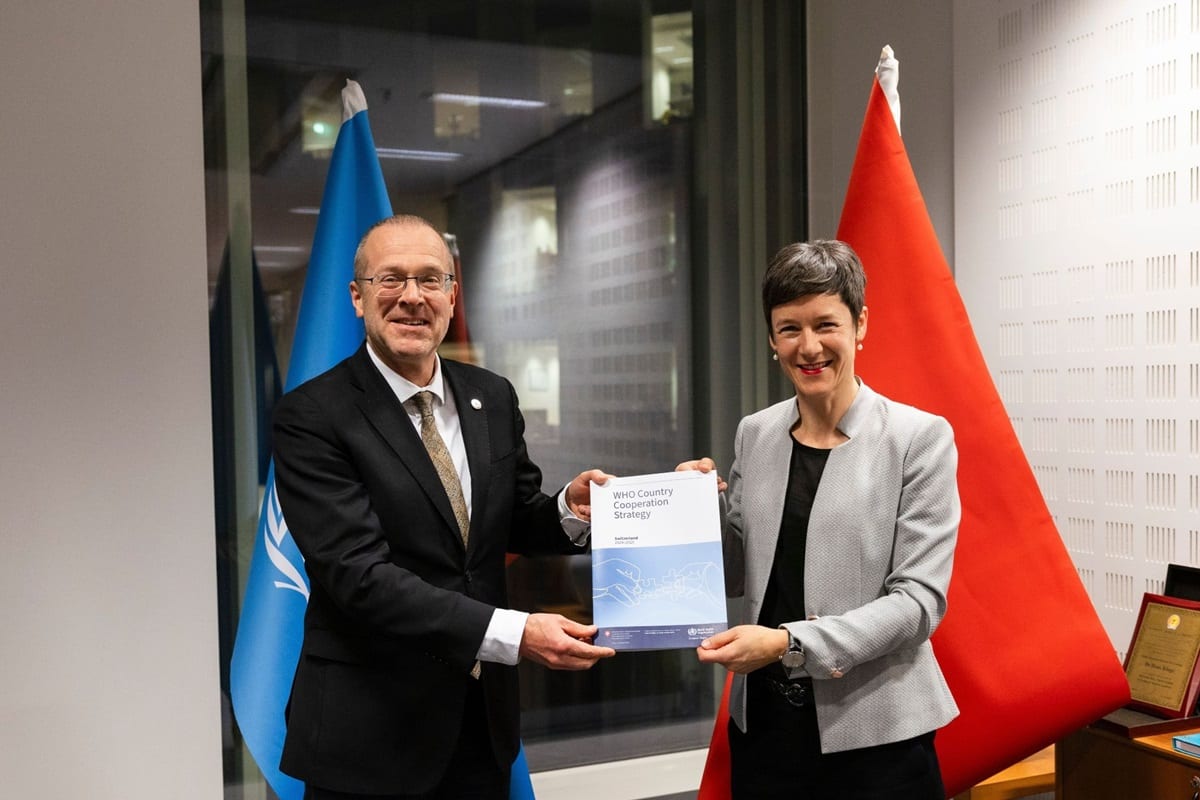
WHO and Switzerland have announced the renewal of their cooperation strategy for the period 2024-2028. In 2013, Switzerland became the first high-income country in the WHO European Region to pilot a cooperation strategy with WHO (hereafter referred to as the WHO-Switzerland Cooperation Strategy). In 2022, WHO and Switzerland jointly decided to update and renew this cooperation strategy, which was done on 4 March 2025 at the Regional Office of the WHO in Copenhagen, Denmark.

World Health Organization

Frank, in-depth discussion as Belgium and WHO map ahead priorities for collaboration

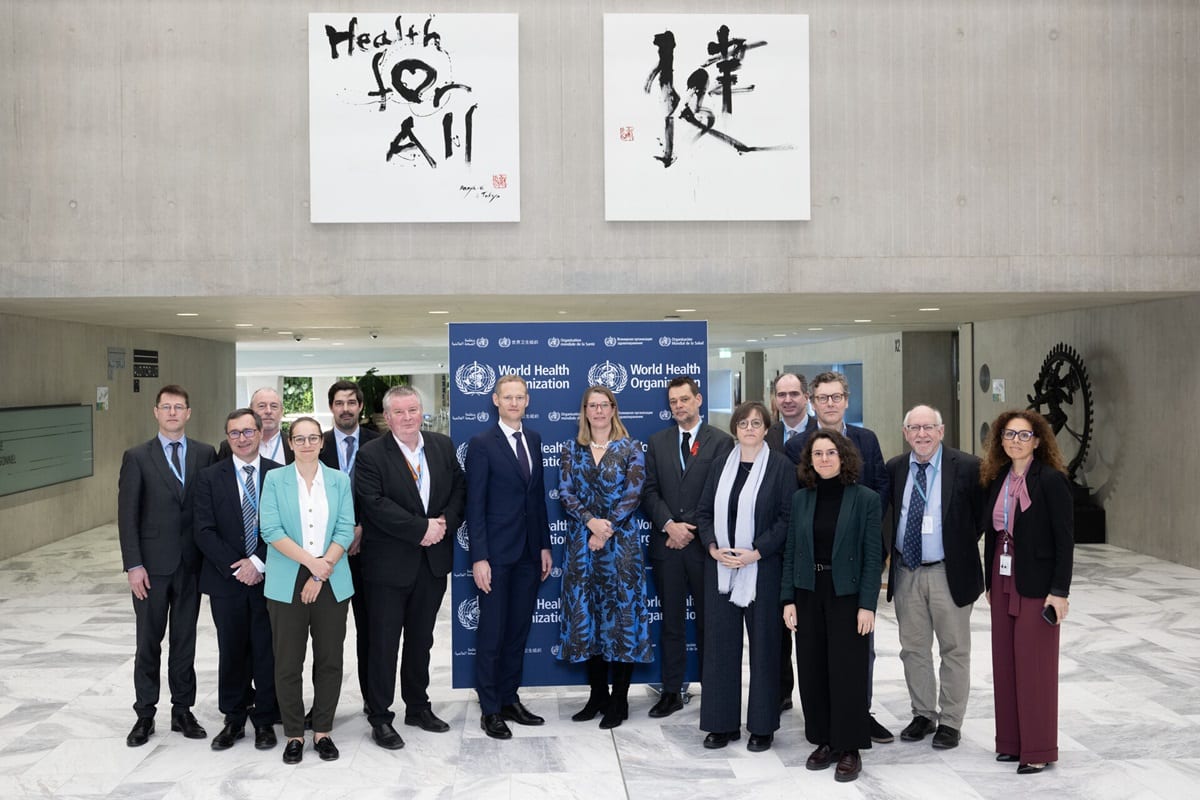
In a three-day strategic dialogue, Belgium and WHO reviewed progress in their longstanding partnership, and agreed to further boost their collaboration on universal health coverage, health-systems strengthening and equitable access to essential vaccines, medicines and health technologies. The Belgian delegation – headed by H.E. Christophe Payot, Ambassador of Belgium to the United Nations and other international organizations in Geneva – discussed issues of strategic importance, exchanged views on how to smoothly align WHO strategic directions and Belgium's development cooperation priorities i

World Health Organization

Scientists restore a brain protein and reverse signs of aging in mice

Scientists found that declining levels of the brain protein Menin may help drive aging, with lower levels in mice linked to inflammation, cognitive decline, weaker bones, and thinner skin. Restoring Menin reversed several age-related changes, while the amino acid D-serine improved cognition, hinting at a potentially intriguing new target for healthy aging.

ScienceDaily
Advertisement

Strengthening public health across Lebanon with EIB Global

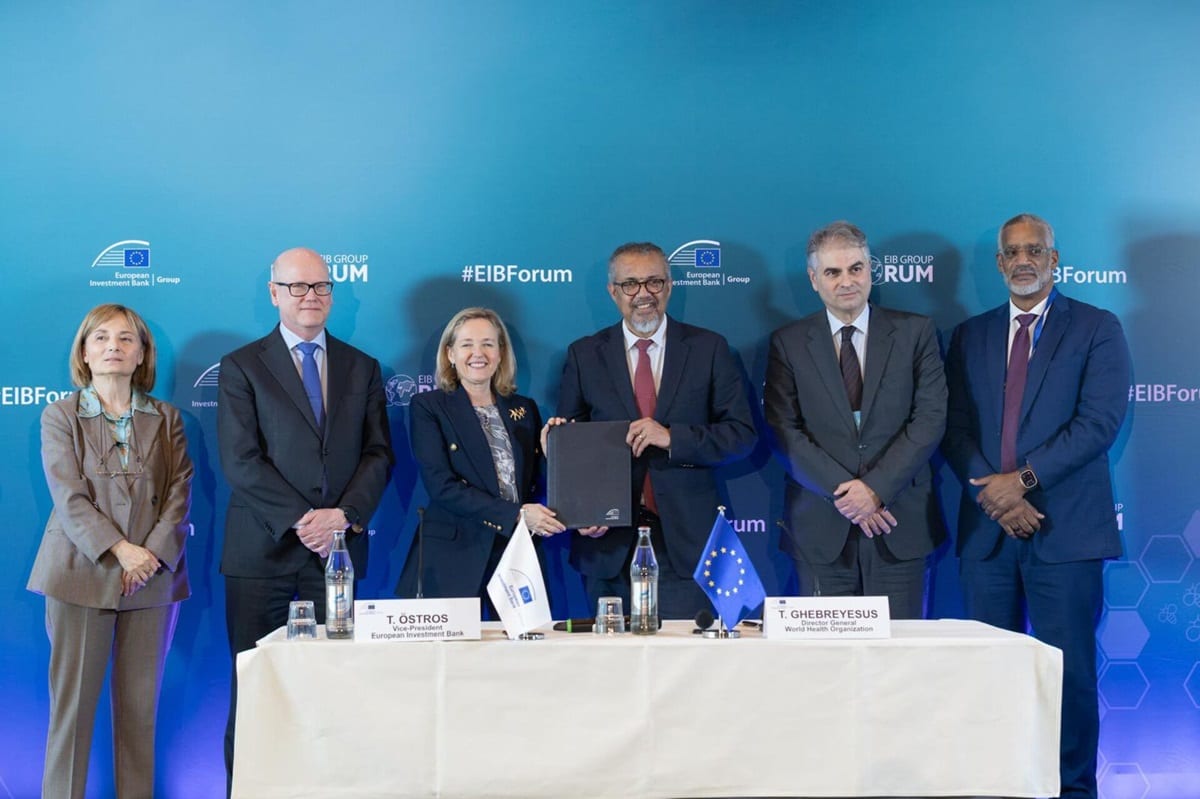
Dr Tedros Adhanom Ghebreyesus, Director-General of the World Health Organization (WHO), and Thomas Östros, Vice-President of the European Investment Bank (EIB Global), met at the EIB Group Forum in Luxembourg and signed an agreement for a €10 million grant to strengthen public health across Lebanon. The initiative will re-establish Lebanon's Central Public Health Laboratory and prioritize medication provision and healthcare support to over 50 000 people with chronic diseases like diabetes, cardiovascular issues, and cancer

World Health Organization

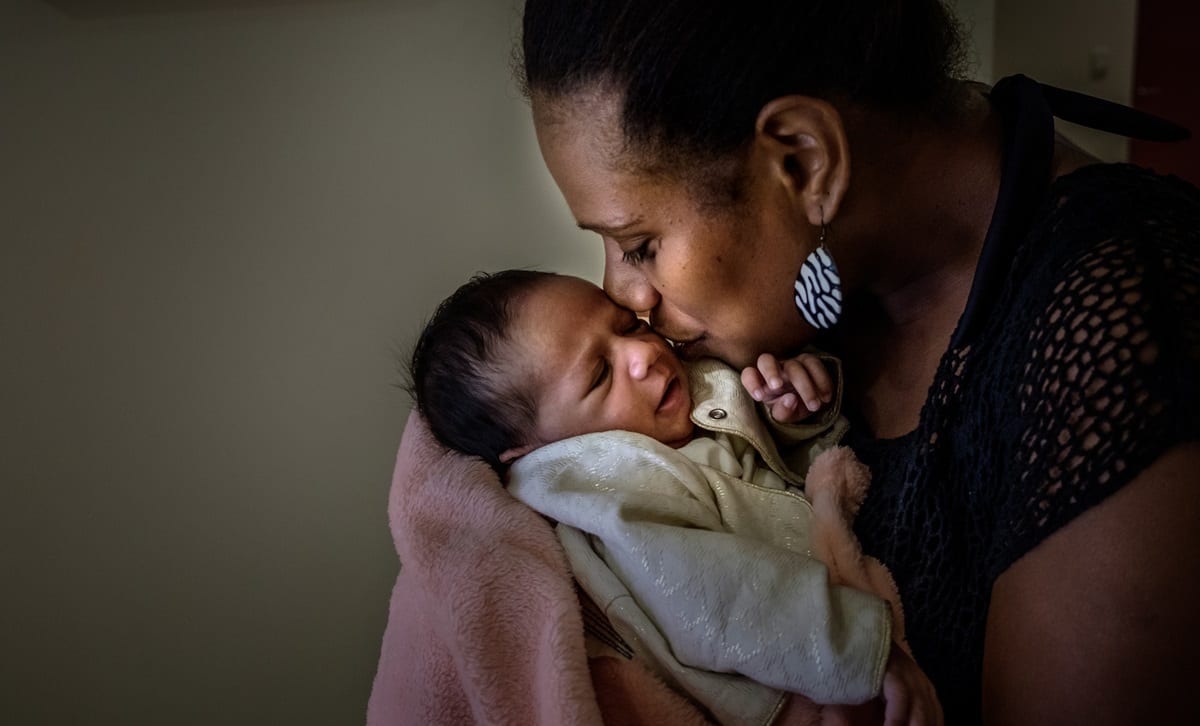
Worldwide rally for maternal and newborn health marks World Health Day 2025

On the occasion of the World Health Day 2025 dedicated to the theme of Healthier beginnings, hopeful futures, over 100 global WHO offices have organized wide-ranging public advocacy actions in collaboration with Member States, communities, health workers, partner and donor agencies and civil society organizations.

World Health Organization

WHO’s strategic engagement with philanthropies: advancing global health and resilient health systems

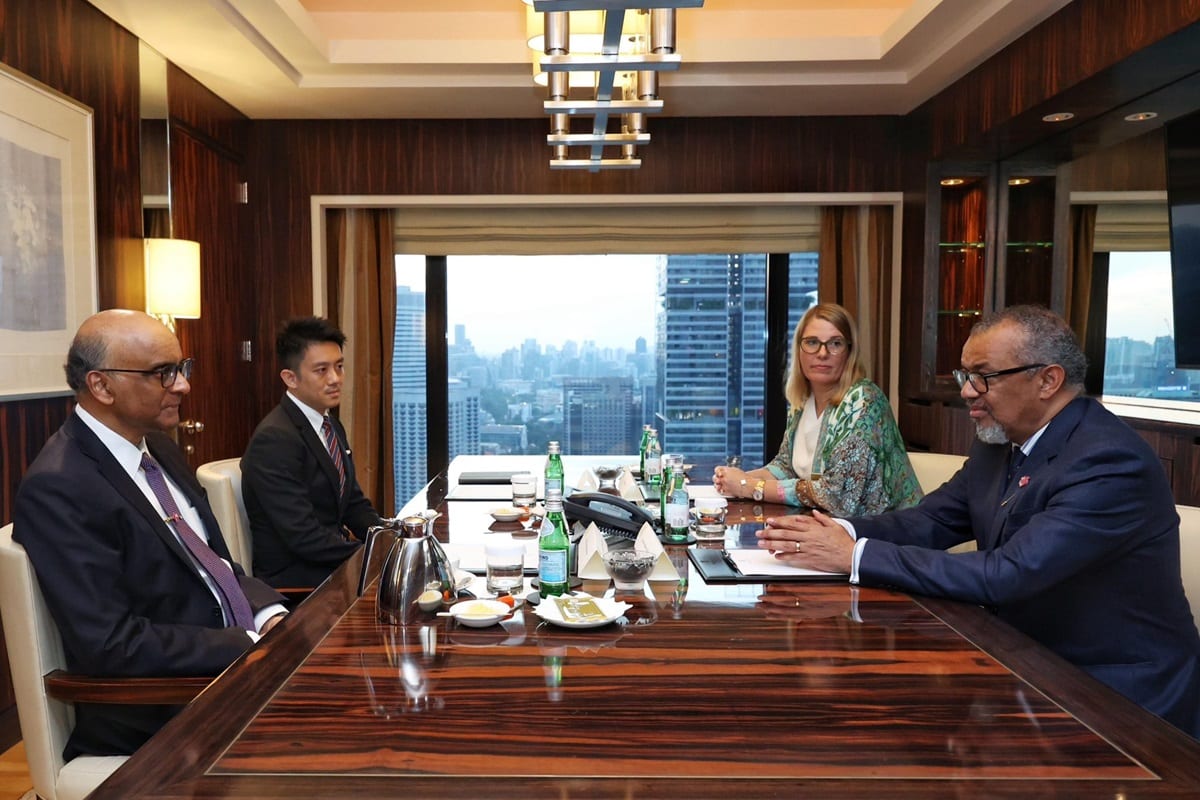
Philanthropic support plays a vital role in enabling countries to build stronger health systems and advance towards health equity. From vaccine equity and pandemic preparedness to primary health care, the contributions of philanthropic partners help drive progress across WHO’s key priorities. The importance of philanthropic support was underscored by Dr Tedros Adhanom Ghebreyesus, WHO Director-General, in his recent remarks to the Philanthropy Asia Summit, held in Singapore on 5–7 May 2025. In his remarks, he expressed his appreciation to the Temasek Foundation and the Philanthropy Asia Allian

World Health Organization

African Union and World Health Organization renew strategic partnership to drive impact and strengthen health systems in Africa

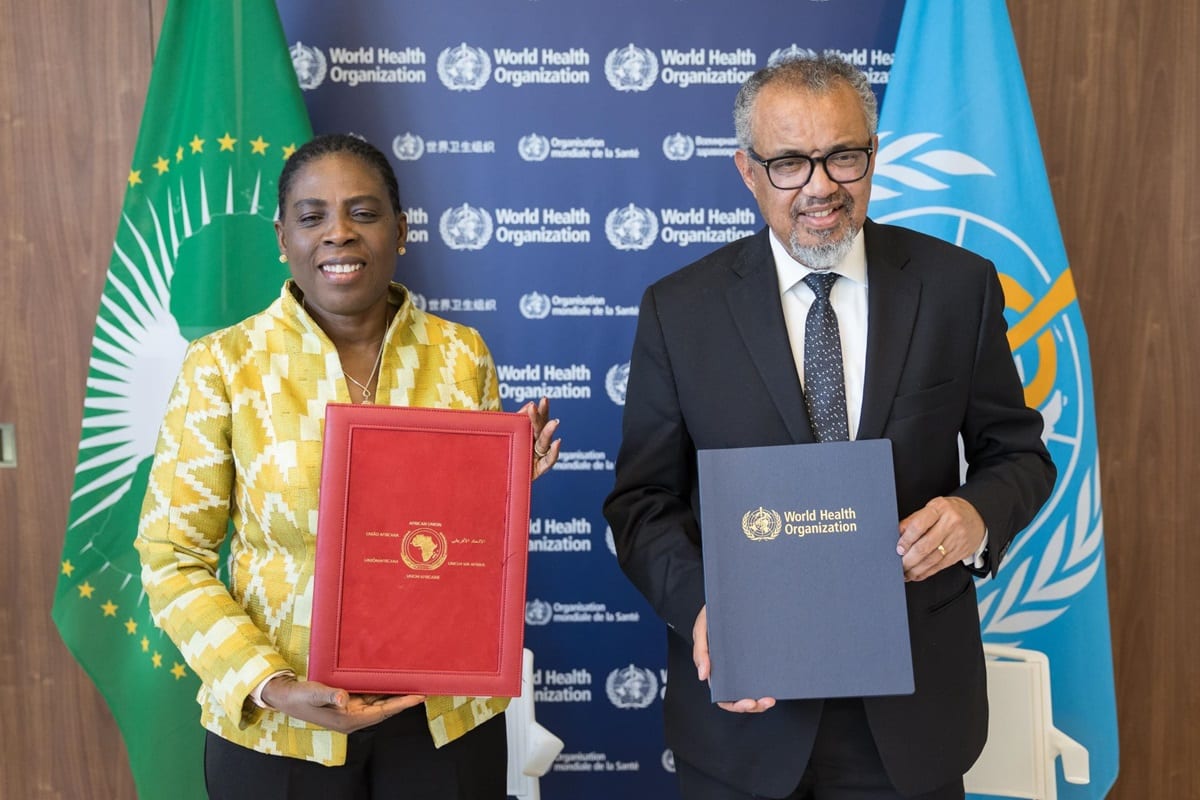
The World Health Organization (WHO) and the African Union (AU) Commission renewed their longstanding strategic partnership today with the signing of an updated Memorandum of Understanding (MoU) on the sidelines of the 78th World Health Assembly in Geneva. This renewed agreement reaffirms the joint commitment to advancing health security, universal health coverage, and sustainable development across the African continent at a time of unprecedented financial challenges in the global health landscape. It further underscores the African Union’s leadership in fostering collective action, inclusive

World Health Organization

Timor-Leste certified malaria-free by WHO

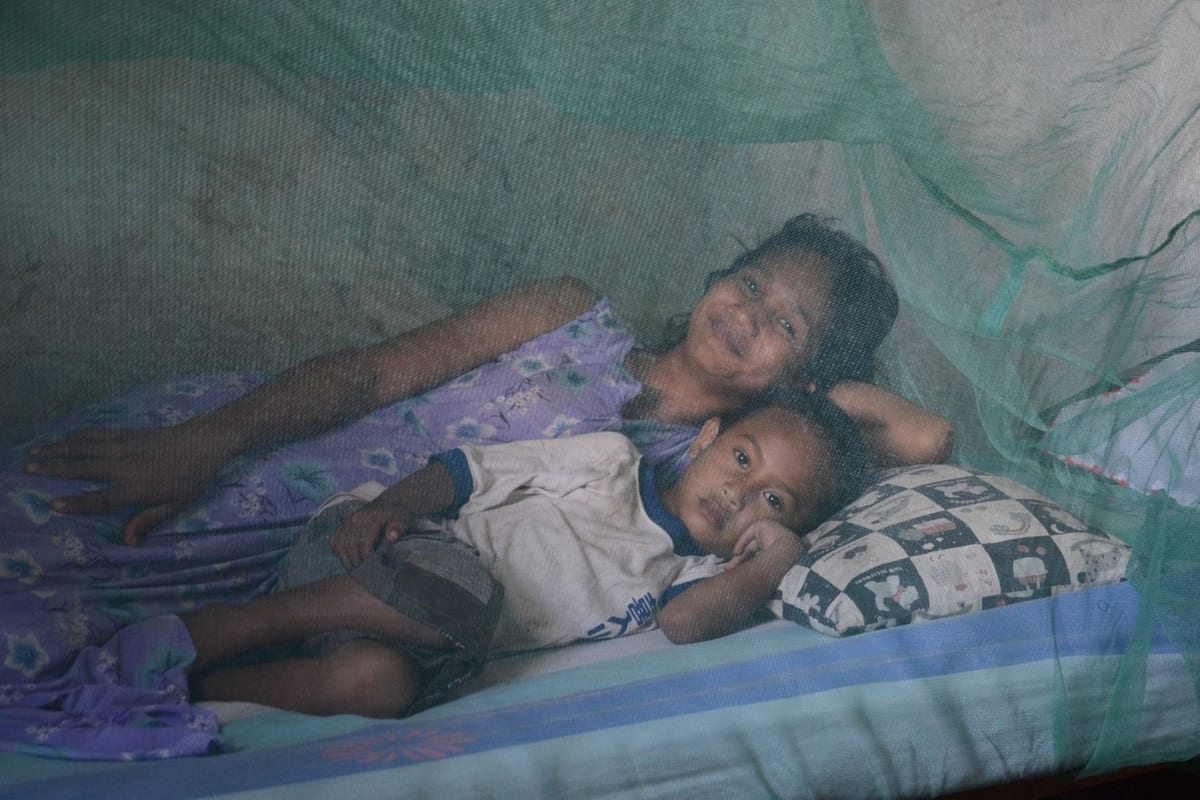
The World Health Organization (WHO) has certified Timor-Leste as malaria-free, a remarkable achievement for a country that prioritized the disease and embarked on a concerted, nation-wide response shortly after gaining independence in 2002. “WHO congratulates the people and government of Timor-Leste on this significant milestone,” said Dr Tedros Adhanom Ghebreyesus, WHO Director-General. “Timor-Leste’s success proves that malaria can be stopped in its tracks when strong political will, smart interventions, sustained domestic and external investment and dedicated health workers unite.” With tod

World Health Organization

WHO statement on notification of withdrawal of the United States

WHO regrets the United States’ notification of withdrawal from WHO – a decision that makes both the United States and the world less safe. The notification of withdrawal raises issues that will be considered by the WHO Executive Board at its regular meeting starting on 2 February and by the World Health Assembly at its annual meeting in May 2026.

World Health Organization

WHO Director-General visits Jordan to recognize strong collaboration on health system delivery, emergency relief and advancing mental health

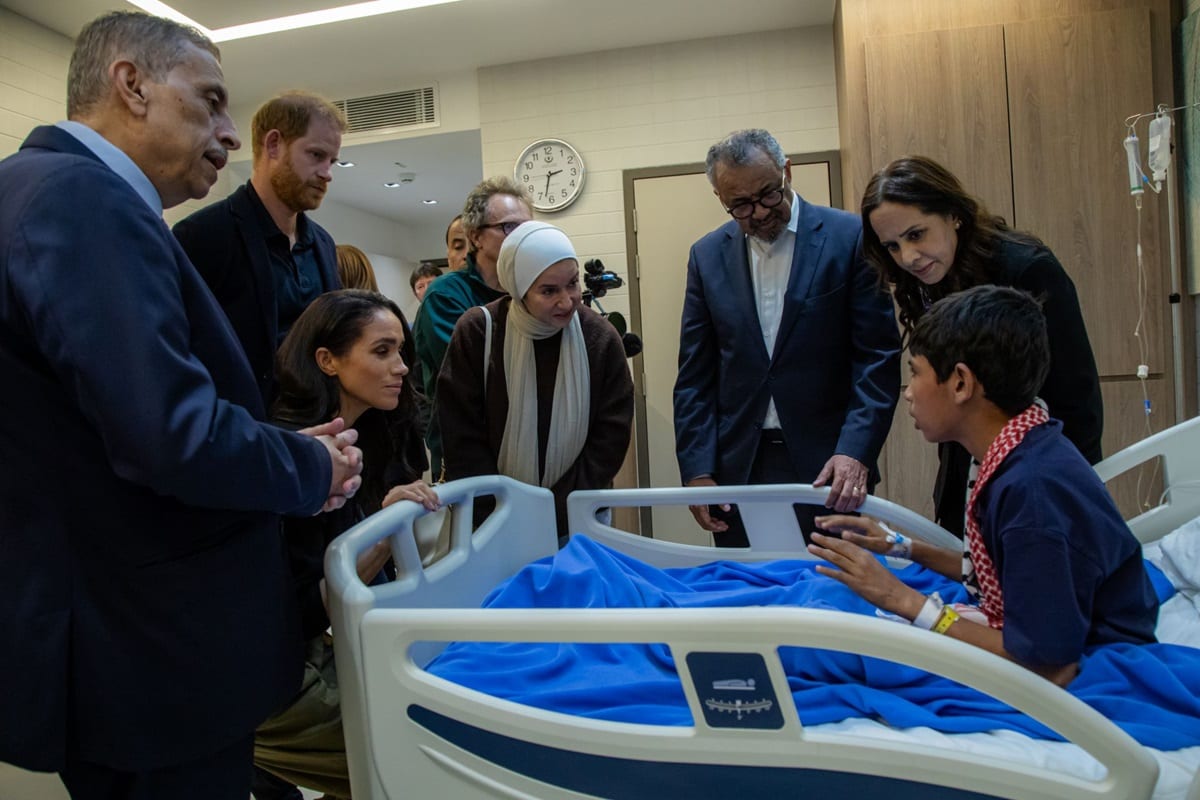
The Director-General of the World Health Organization, Dr Tedros Adhanom Ghebreyesus, today concluded the first day of his two-day State visit to the Hashemite Kingdom of Jordan, underscoring the strong partnership between WHO and Jordan across the areas of universal health coverage (UHC), mental health and humanitarian health action.

World Health Organization
Advertisement

Covid inquiry PPE report - key findings

What went wrong with the government's planning and buying of vital items like gloves and gowns that cost taxpayers billions of pounds.

BBC News – Health