Advertisement
Advertisement

Topic

year

Science

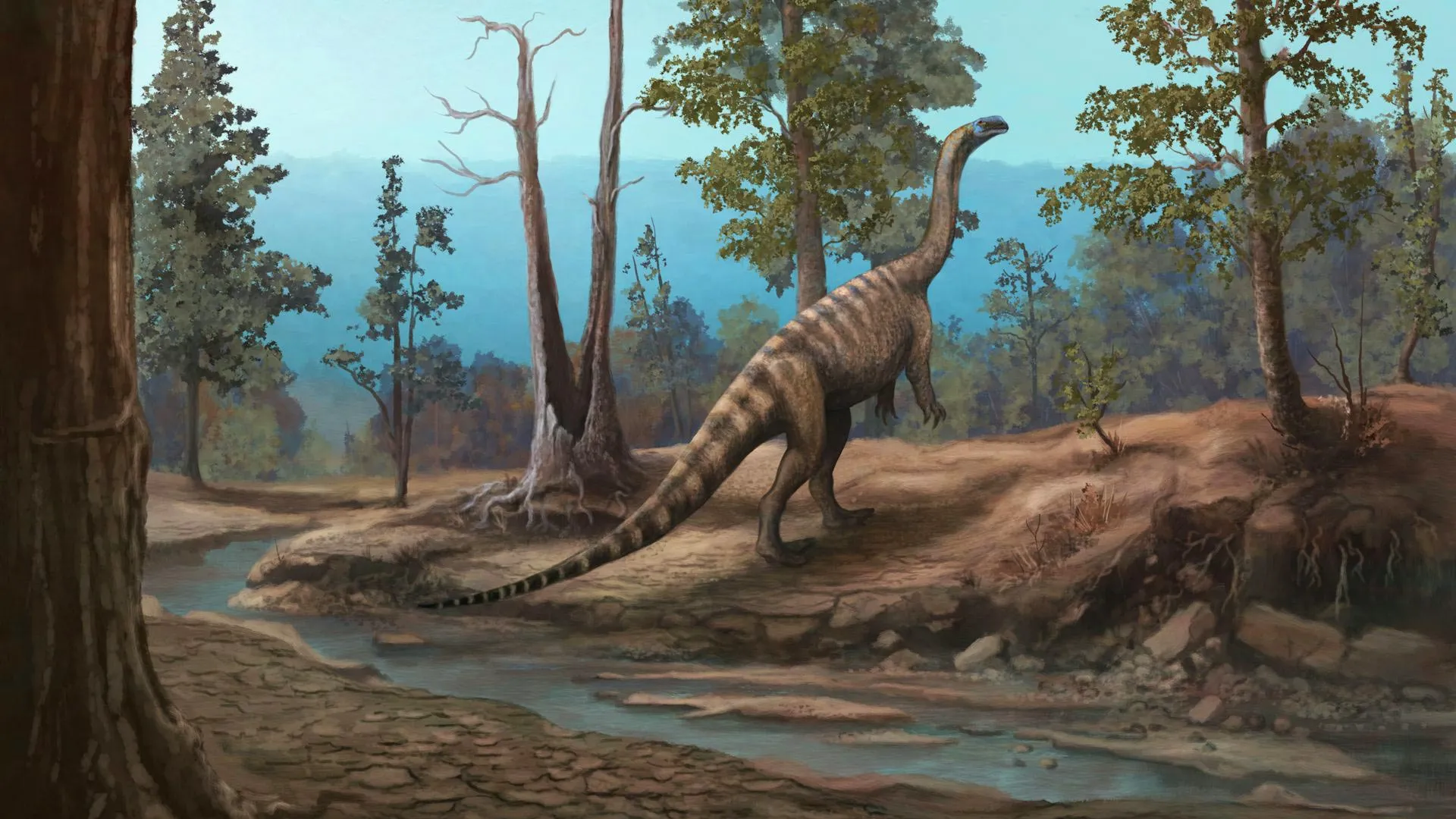
210-million-year-old dinosaur discovery reveals a lost world in Africa

A newly identified 210-million-year-old dinosaur from Zimbabwe is helping scientists uncover a surprisingly distinct prehistoric ecosystem. The discovery suggests that ancient climate differences may have separated dinosaur populations across southern Africa, leading to unique species that challenge previous assumptions about their evolution.

Science

Scientists uncover the 2.3-billion-year-old secret that helped keep Earth habitable

Scientists may have solved a 2.3-billion-year-old mystery about how Earth maintained enough oxygen to support life. Ancient rocks reveal that phosphorus recycling in the oceans created a self-sustaining cycle that helped keep oxygen levels high, even as the planet underwent dramatic environmental changes. The discovery challenges assumptions about Earth's early atmosphere and raises new questions about why complex life took so long to emerge.

Politics

French police arrest 14-year-old after two teaching staff wounded by hunting rifle fire

Two teaching staff were shot and wounded at a school in Aubagne near Marseille Monday morning, French Education Minister ‌Édouard Geffray said. A police source said that a 14-year-old boy had been arrested in connection to the incident, adding that there did not seem to be any link to the student protests that have swept across the country in recent weeks.

Science

Scientists discover why a 100-year-old mushroom disease won't go away

Scientists have uncovered a surprising secret behind a mushroom disease that has frustrated growers for more than a century: It involves more than 17 species of harmful bacteria, not just one. The discovery could explain why treatments have struggled to stop the disease and open the door to more effective, eco-friendly solutions.

Advertisement
Science

A 9-billion-year-old signal could help explain dark energy

A Canadian radio telescope has detected the faint glow of hydrogen from billions of years ago using only its own observations, proving a long-awaited way to map the distant universe can actually work. CHIME can use this hydrogen signal to trace how matter is spread across space and measure how the universe has expanded over time, offering a powerful new way to investigate dark energy.

Advertisement