Advertisement
Advertisement

Topic

Yale

Science

New evidence suggests spinosaurus spent most of its life underwater

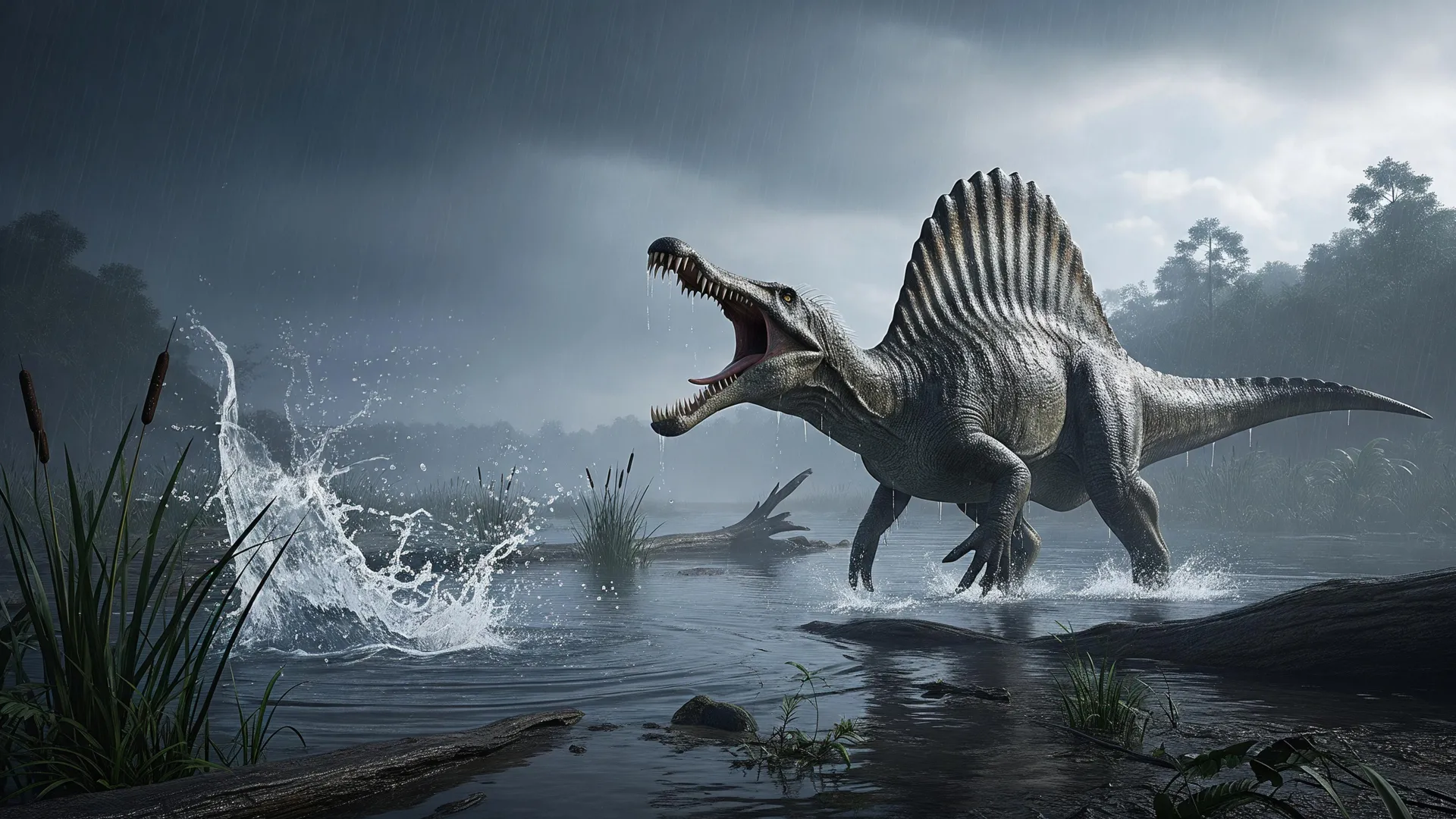
Millions of years after animals first conquered land, some took an extraordinary evolutionary U-turn and returned to the water. Using machine learning and thousands of fossil measurements, Yale scientists have uncovered surprising clues about which prehistoric creatures truly became aquatic. Their findings suggest that Spinosaurus spent most of its life underwater, while some ancient marine reptiles previously thought to be fully aquatic actually spent considerable time on land.
Science

Yale scientists discover how stress changes the brain to make memories stronger

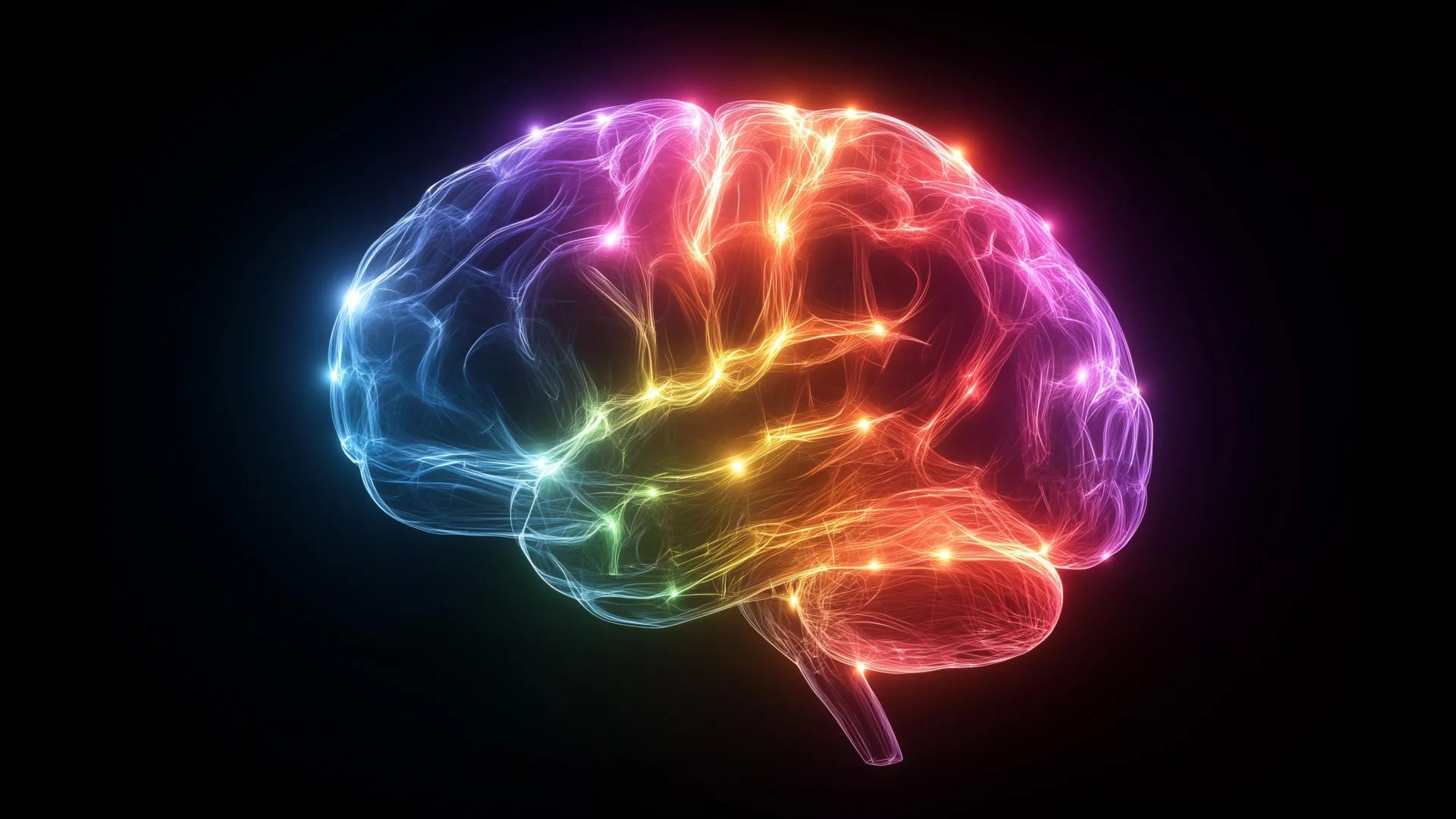
Yale scientists have uncovered how the stress hormone cortisol helps the brain turn emotional experiences into stronger, longer-lasting memories. The discovery reveals that stress can reshape communication between brain networks involved in emotion and memory, potentially explaining why certain moments are so difficult to forget.

Science

FDA-approved epilepsy drug may help reverse osteoarthritis damage

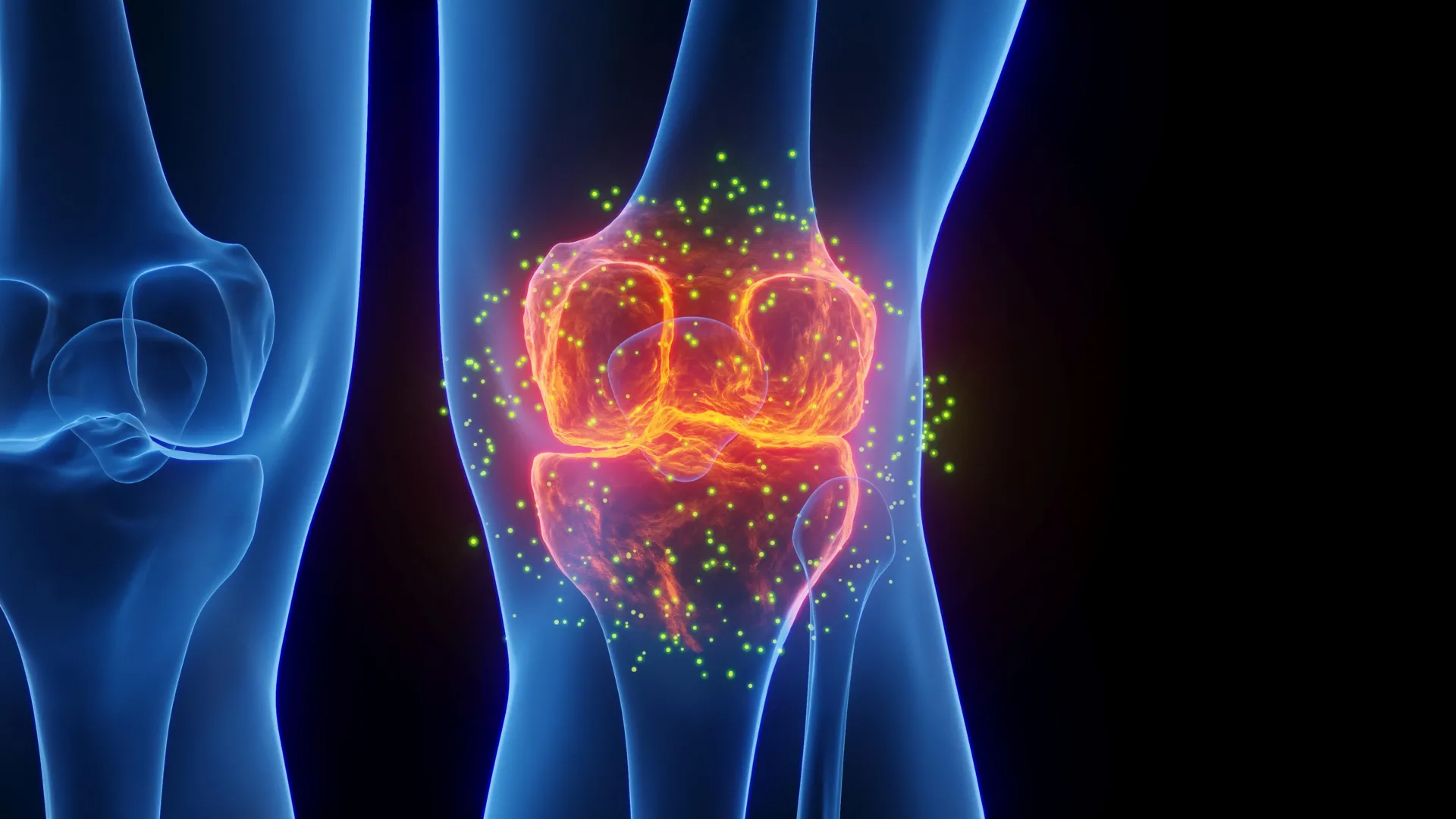
Researchers at Yale have identified a promising new approach to osteoarthritis that could do more than simply ease pain. The epilepsy drug lacosamide appears to block a protein involved in both pain signaling and cartilage destruction, helping damaged joints shift back toward repair in preclinical studies.

World

Robert Malley: "The Oslo process was an illusion because it was based on a historical misunderstanding"

Robert Malley, a researcher at Yale University, is former adviser to Bill Clinton, Barack Obama and Joe Biden on the Middle East. As a key negotiator for the Iranian nuclear agreement, he also participated in crucial phases of the Middle East peace process. In his book "Tomorrow is Yesterday" co-written with Hussein Agha (Max Milo editions), he delivers his reflections on 30 years of failure of the peace process and imagines how to rethink peace in the region.