Advertisement
Advertisement

Topic

Webb

Science

NASA's Hubble and Webb discover ancient worlds that remember their past

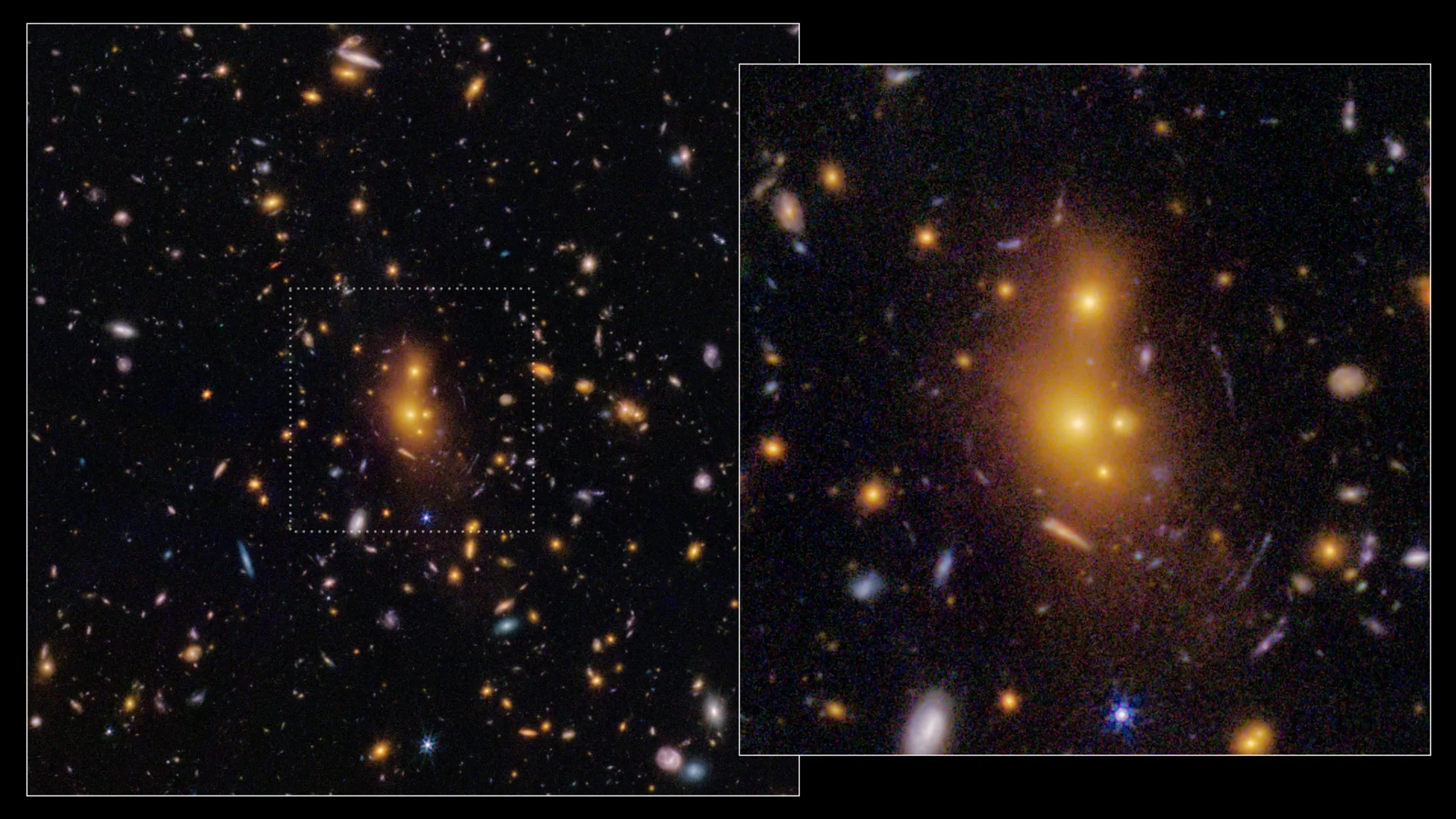
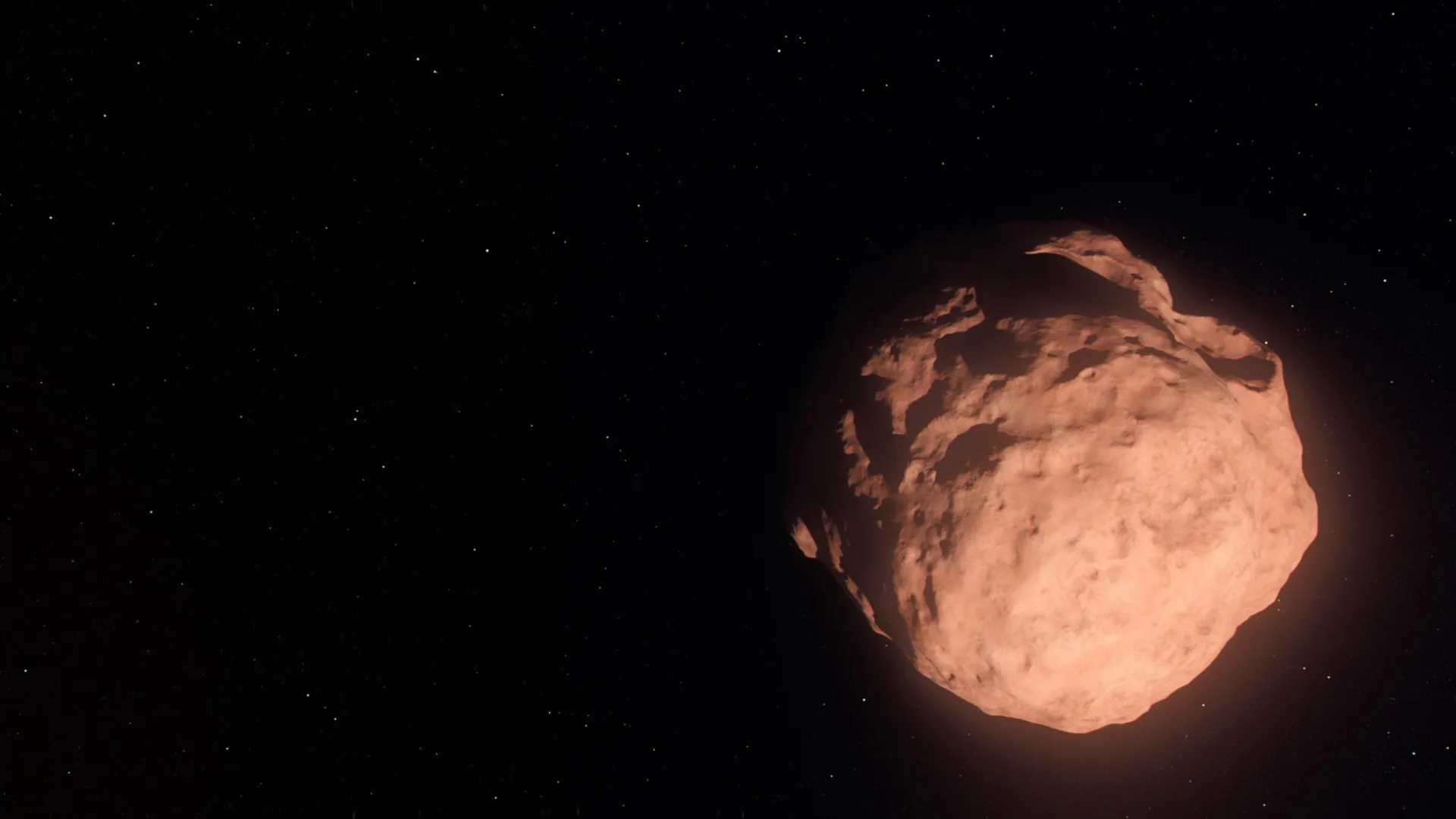
NASA’s Hubble and James Webb Space Telescopes have uncovered surprising clues about the solar system’s origins by studying 27 tiny, distant objects beyond Neptune. Scientists discovered that these ancient building blocks of planets have remained remarkably unchanged for billions of years, while their unexpected sizes and numbers challenge existing theories of planet formation.

Science

NASA’s James Webb Space Telescope Captures Eerie Cat’s Head

Intricate structures within the Cat’s Head Nebula are illuminated in this mid-infrared view from NASA’s James Webb Space Telescope released on Oct. 29, 2026. The distinctive “cat’s head” shape of the nebula was likely sculpted over time by the intense ultraviolet radiation and winds from massive stars in the Carina Nebula. As this stellar feedback […]

Science

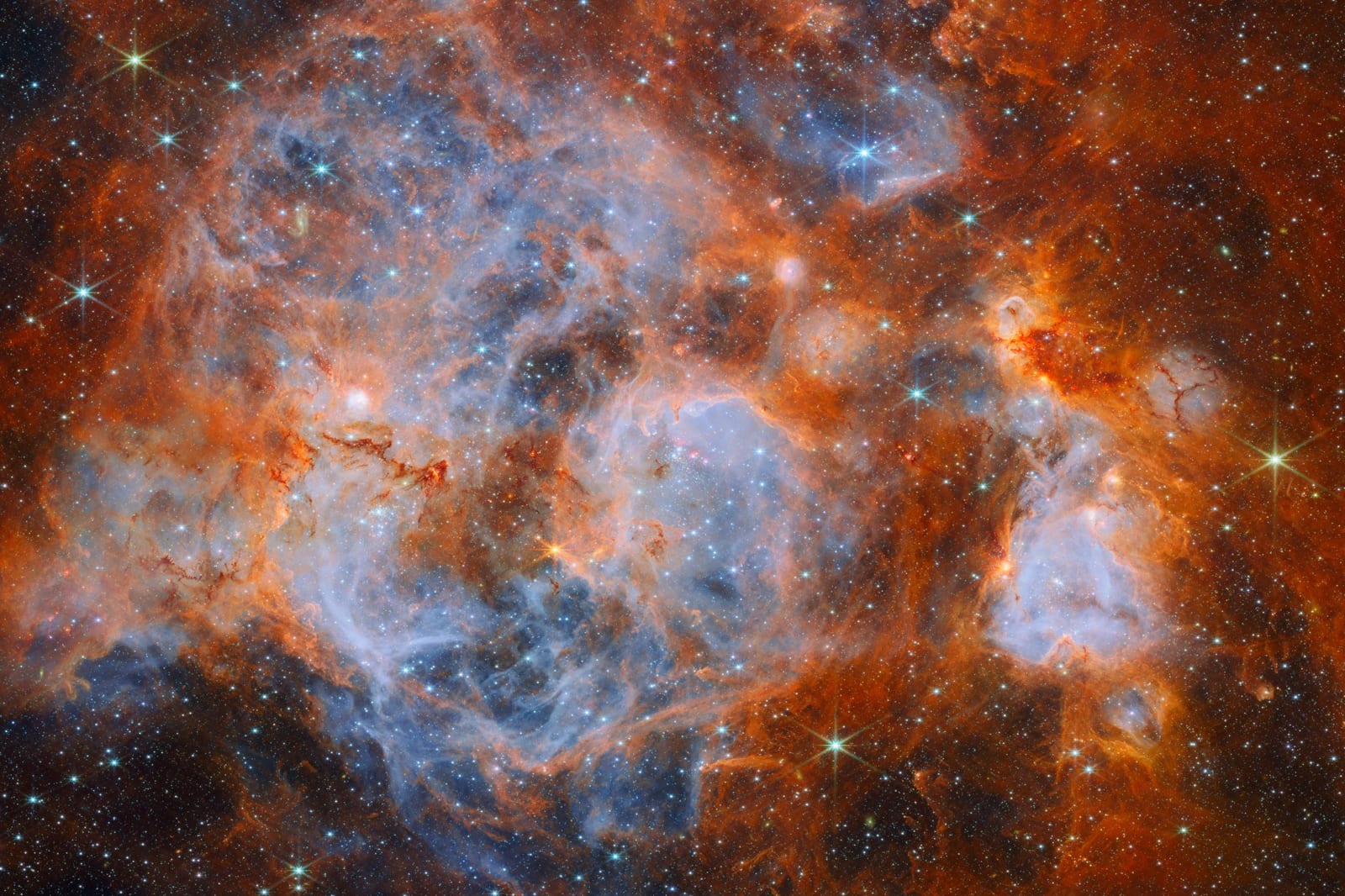
Webb Sees Turbulent Star Nursery

In this Webb image released on Oct. 22, 2026, we see a turbulent cauldron of star formation filled with dense clumps of gas. This region is named N159 and is located 161,000 light-years away in the Large Magellanic Cloud, one of the satellite galaxies orbiting the Milky Way galaxy. This region has a lower metallicity […]

Science

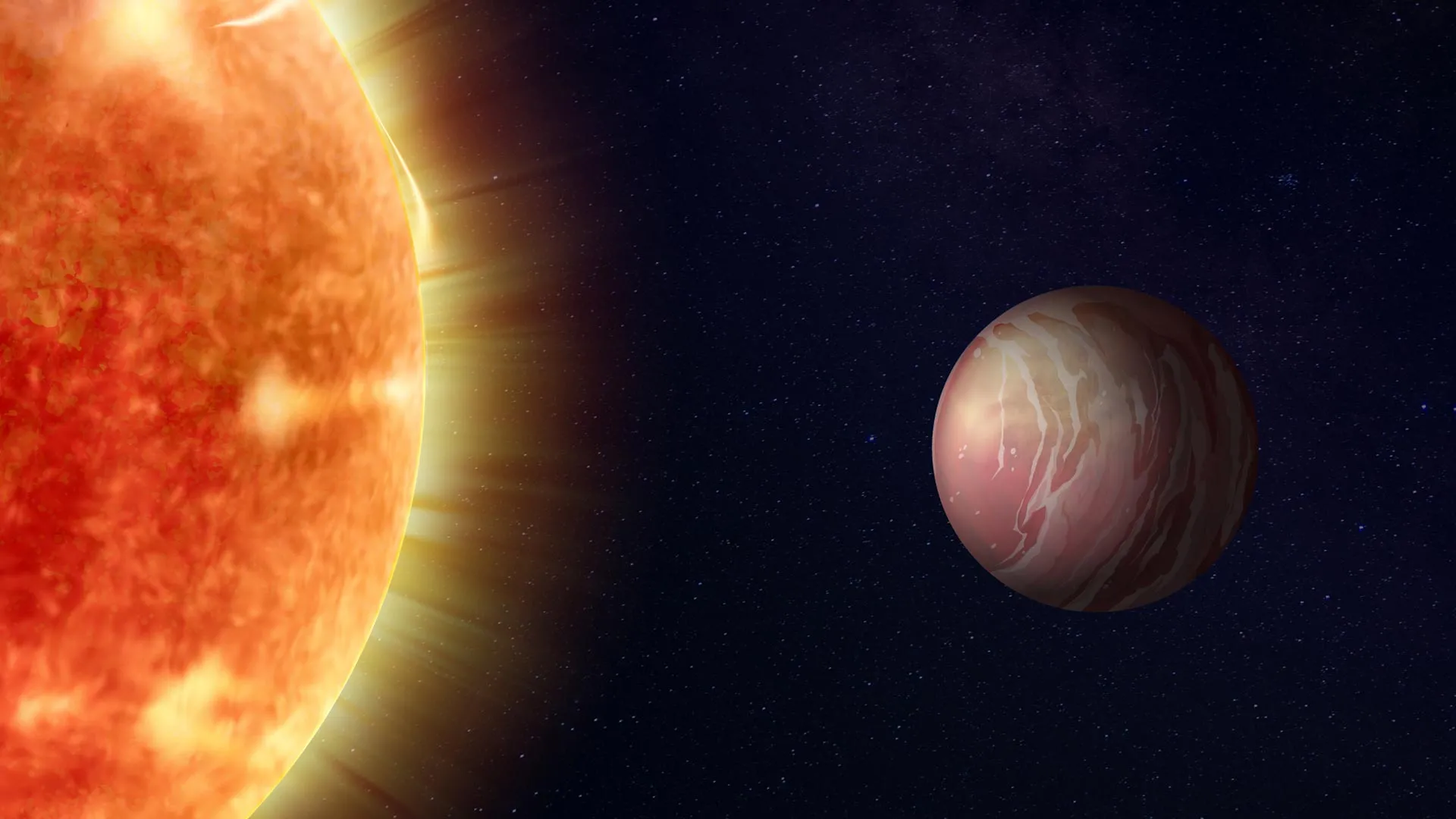
James Webb discovers a scorching lava planet with a “giant sunscreen”

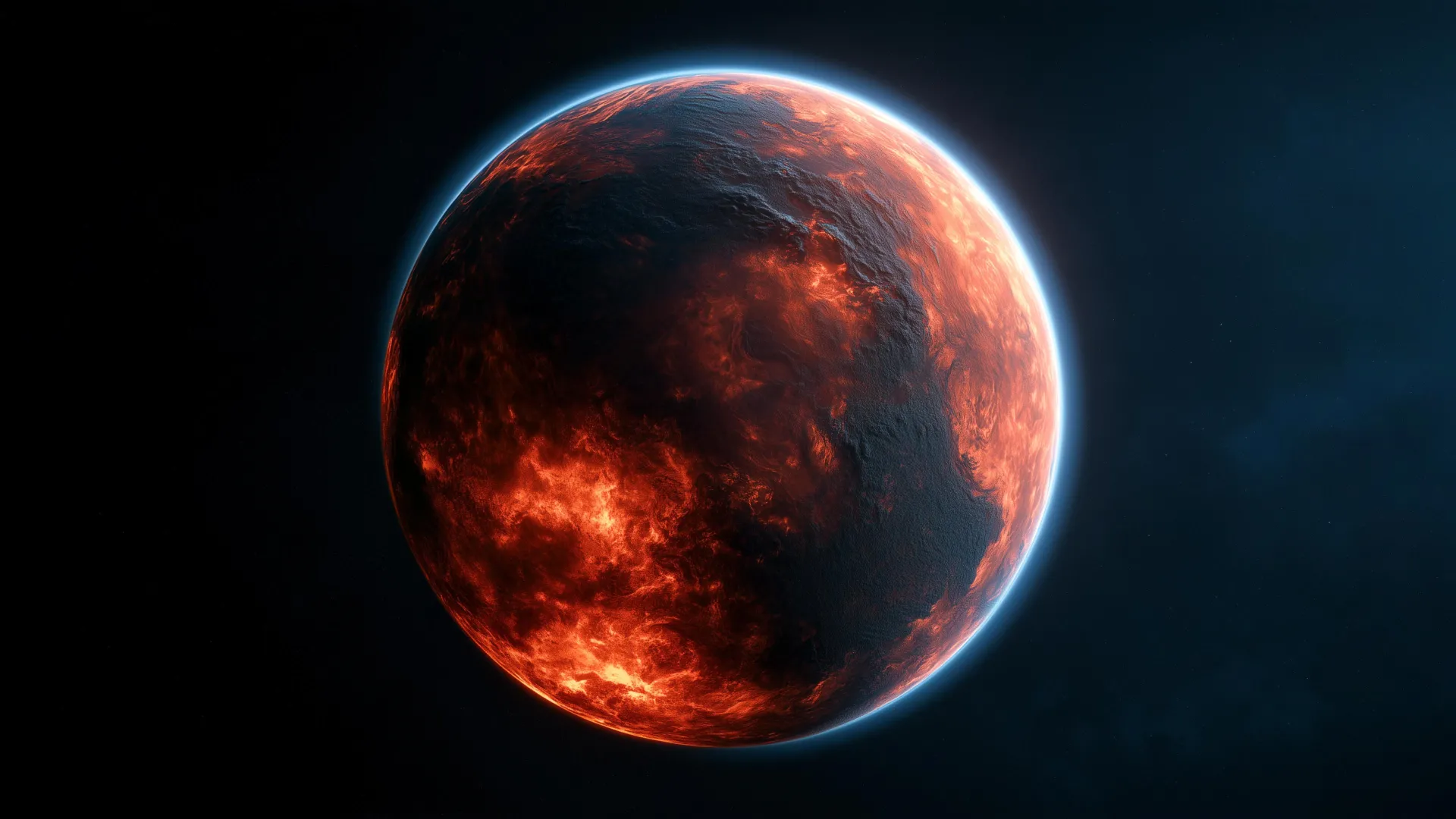
A scorching lava planet 280 light-years away has surprised astronomers by apparently maintaining a thick atmosphere despite conditions that should have stripped it away billions of years ago. James Webb Space Telescope observations suggest that TOI-561 b reflects about 75% of incoming starlight, possibly because of mineral clouds that act like a giant sunscreen. The planet may also be continually replenishing its atmosphere through gases released from a global ocean of molten rock.

Sports

Webb backs VAR over Botman challenge on Jackson

Premier League referees' chief Howard Webb says Sven Botman's challenge on Nicolas Jackson was a "high-end reckless challenge" but backed the video assistant referee's decision not to intervene for a red card.

Science

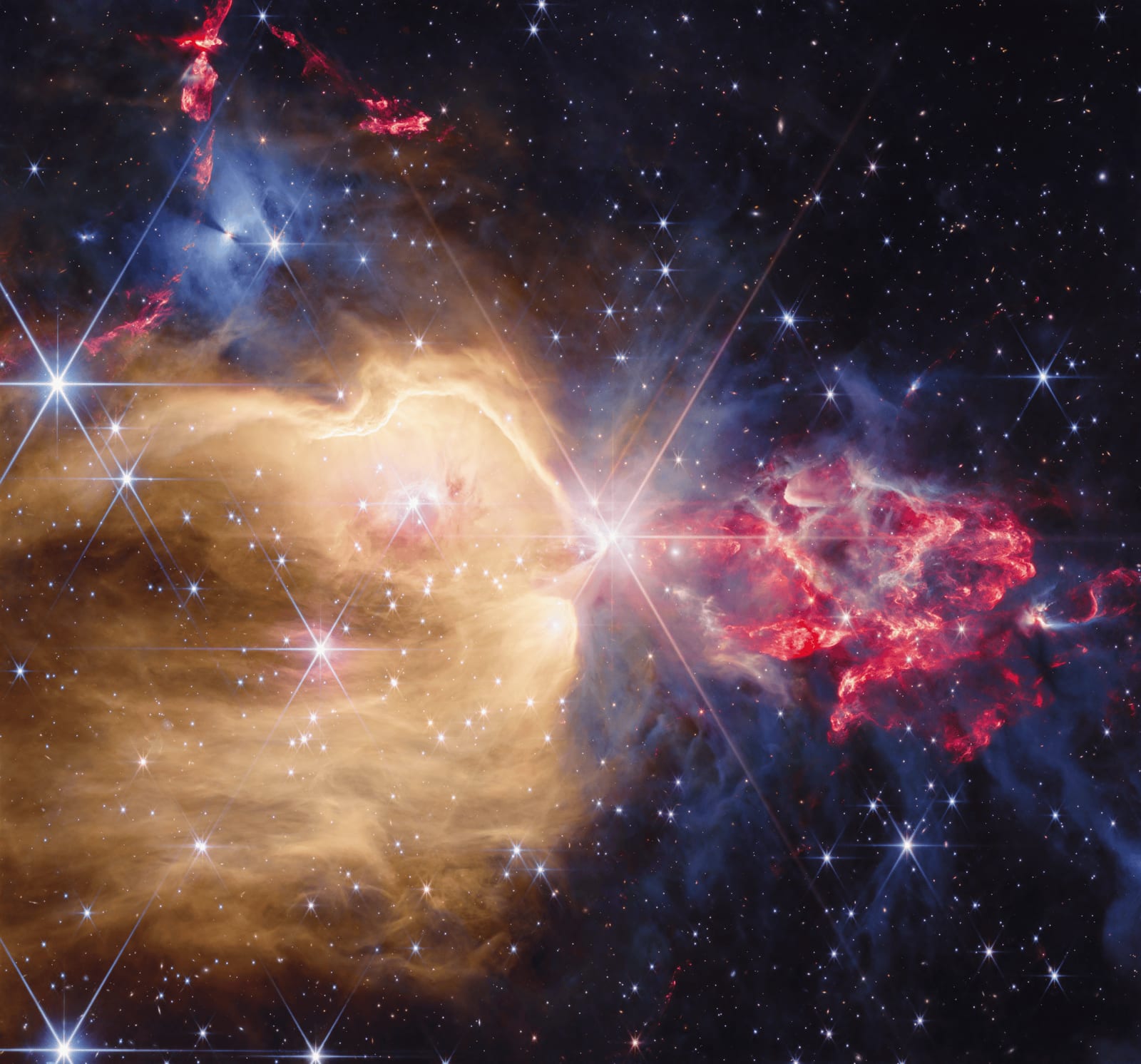
Webb Captures Stellar Jets

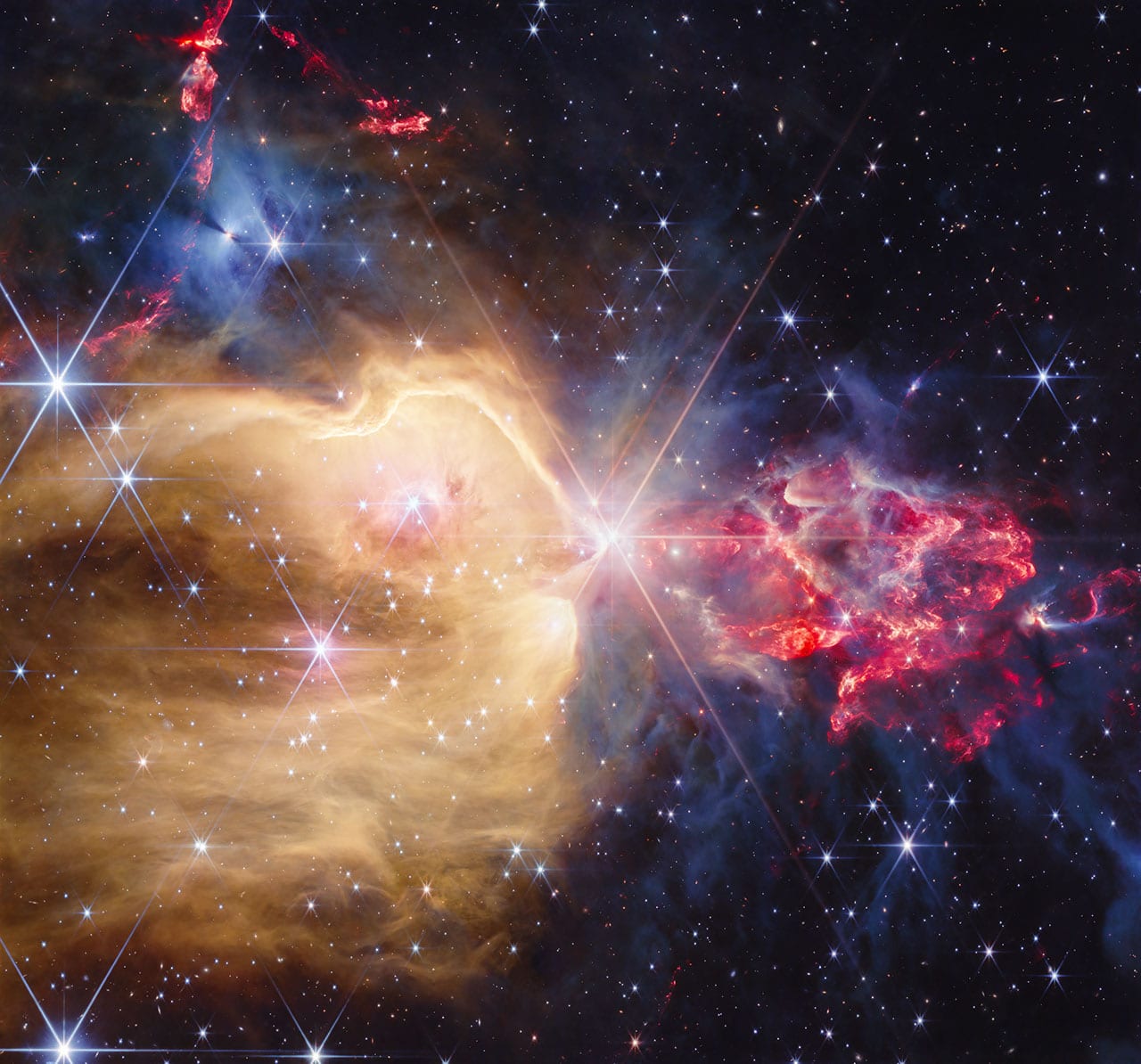
An image from NASA’s James Webb Space Telescope released on Oct. 6, 2026, reveals a cauldron of cosmic creation. Webb has unveiled numerous stars formerly hidden by clouds of dust in a stellar nursery known as NGC 7129, which resides about 3,300 light-years from Earth. Learn more about this region – and tour it in […]

Science

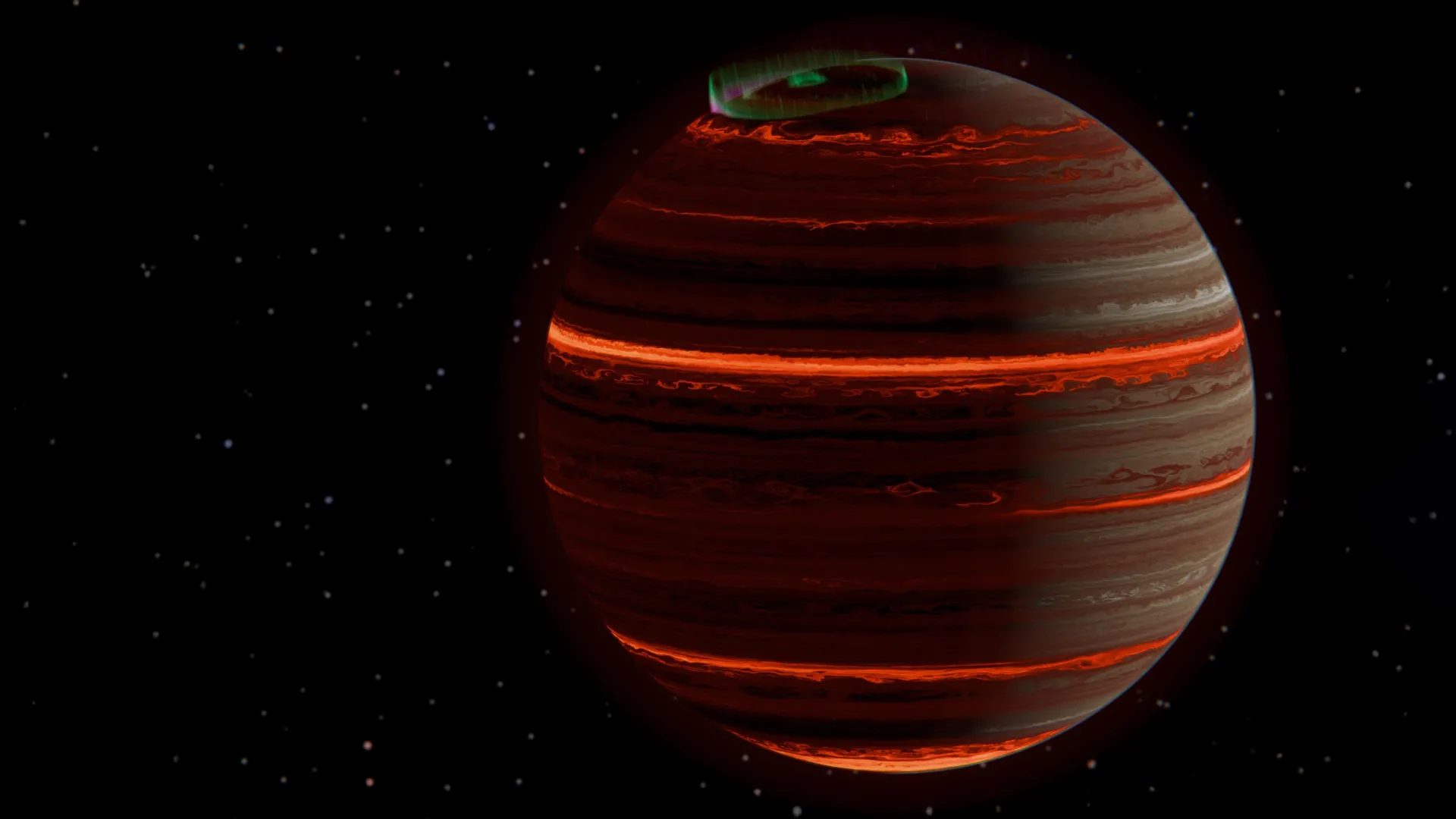
NASA’s Webb reveals the wild weather of a mysterious world 20 light-years away

NASA’s James Webb Space Telescope has revealed that a turbulent world 20 light-years away has a surprisingly orderly weather system, with three recurring atmospheric states driven by temperature changes and shifting clouds. The breakthrough gives scientists a powerful new tool for uncovering weather patterns on distant worlds and understanding the conditions that shape their atmospheres.

Science

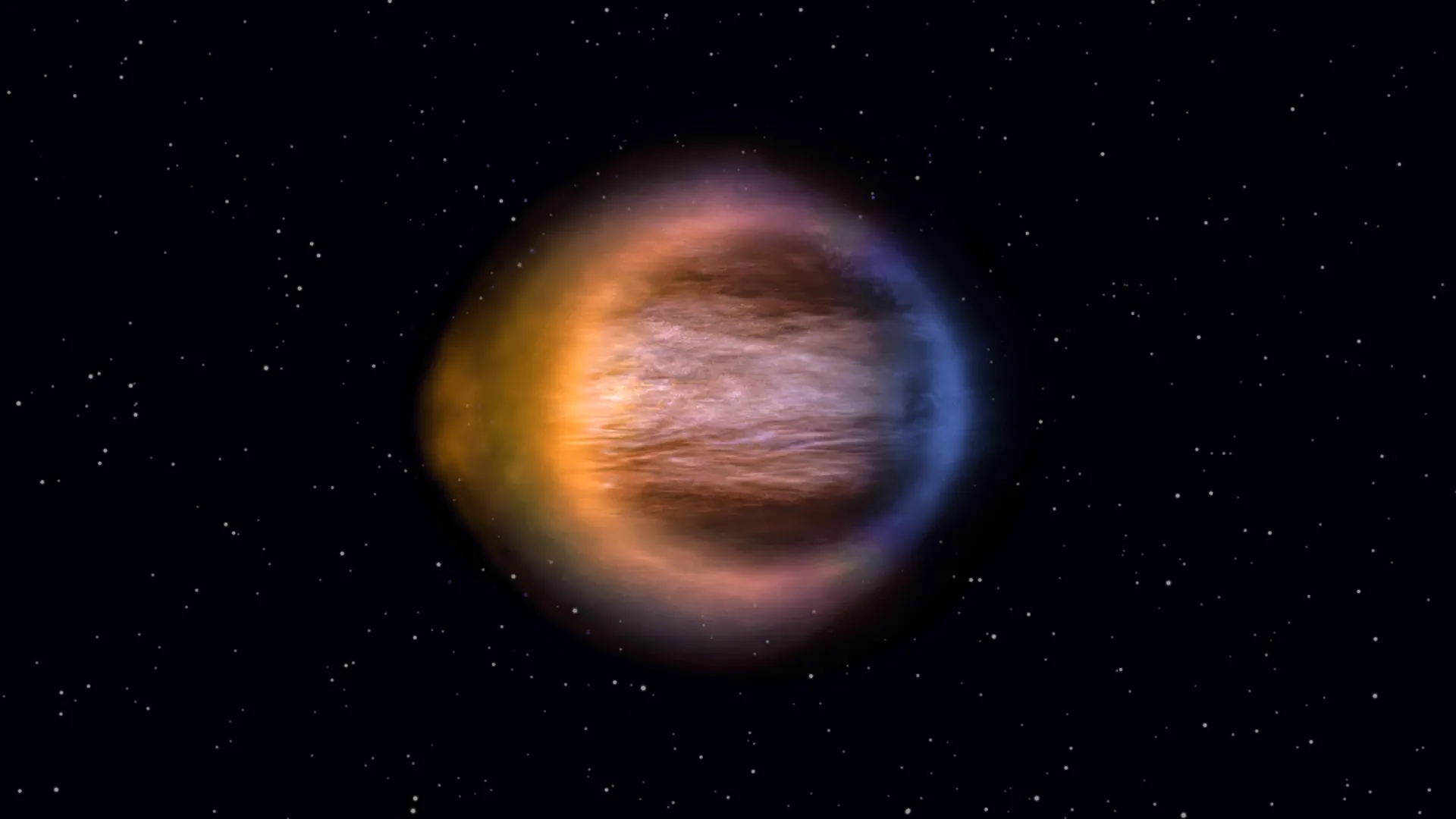
James Webb reveals a strange bulge in an alien planet's atmosphere

Astronomers using the James Webb Space Telescope have discovered that a distant alien planet's atmosphere is surprisingly lopsided. Located 1,300 light-years away, the scorching gas giant WASP-17b experiences powerful winds that redistribute heat, causing one side of its atmosphere to bulge outward. A groundbreaking new mapping technique revealed these hidden distortions, confirming predictions about how extreme temperatures and winds shape alien worlds.

Advertisement
Science

Webb Measures Distance to Farthest Fast Radio Burst, Suggesting Origin

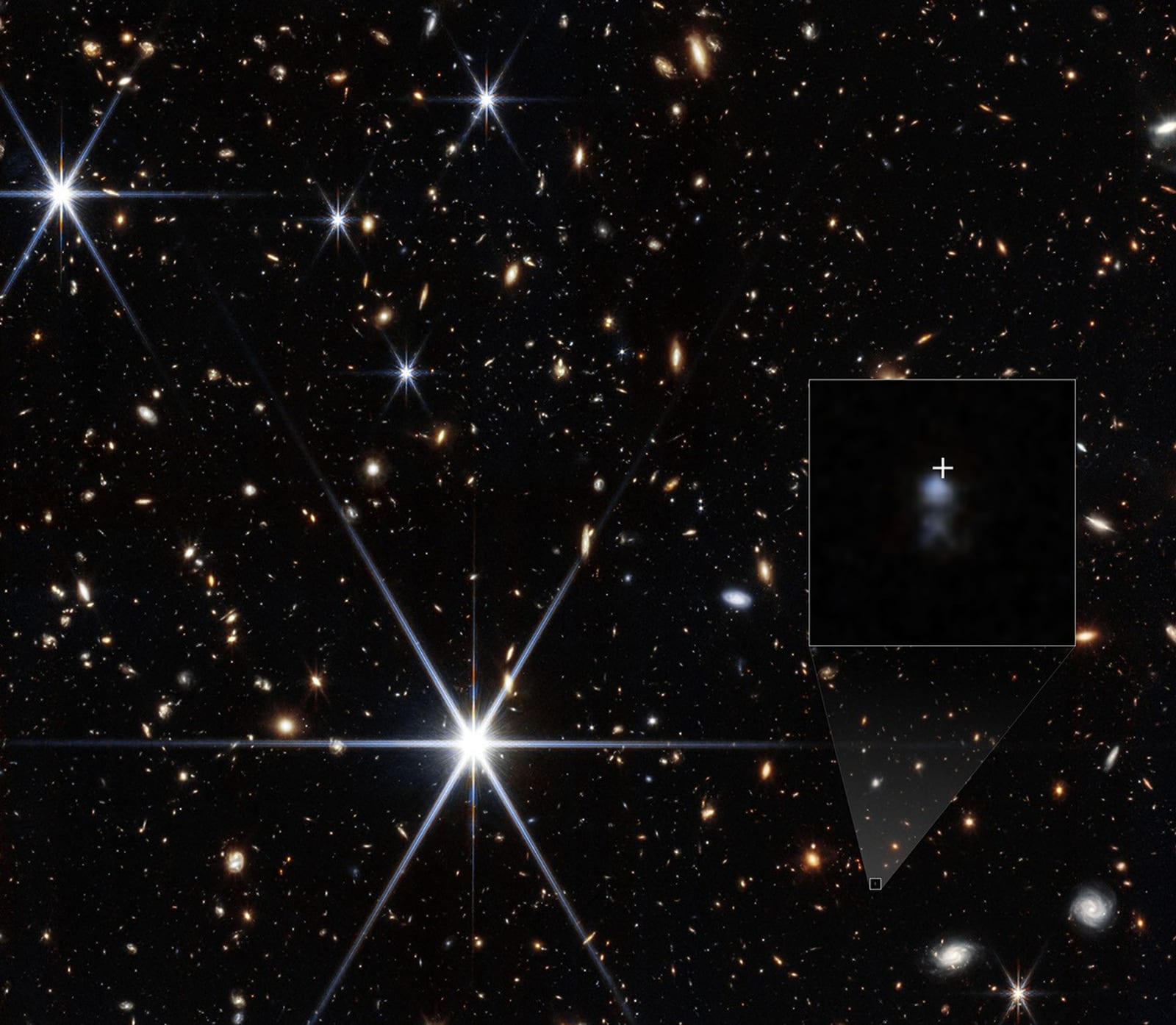
First discovered in 2007, fast radio bursts are enigmatic, millisecond-long flashes of radio emission from the distant universe. Their origin remains uncertain, particularly since most are seen once and never again. Astronomers using NASA’s James Webb Space Telescope have pinpointed the host galaxy of the most distant fast radio burst (FRB) seen to date. Their […]

Science

Webb finds a surprising atmosphere on a scorching lava world

The James Webb Space Telescope has found strong evidence that the rocky lava world HD 3167 b has an atmosphere, despite circling its star every 24 hours under extreme heat. The surprising discovery could help scientists understand how rocky planets retain atmospheres and what the young, molten Earth may once have looked like.

Science

NASA’s Webb finds signs of Mars-sized worlds smashing together

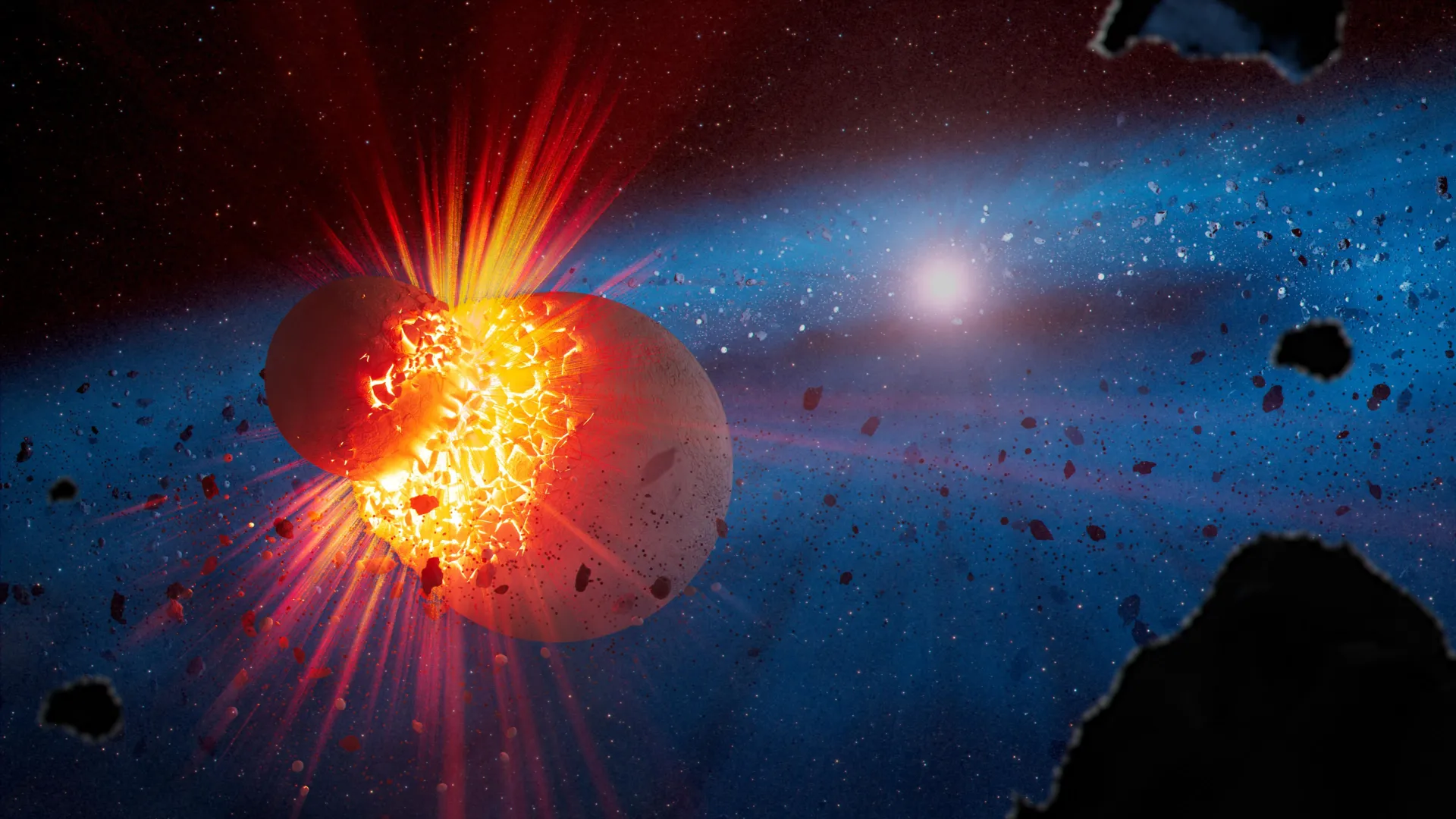
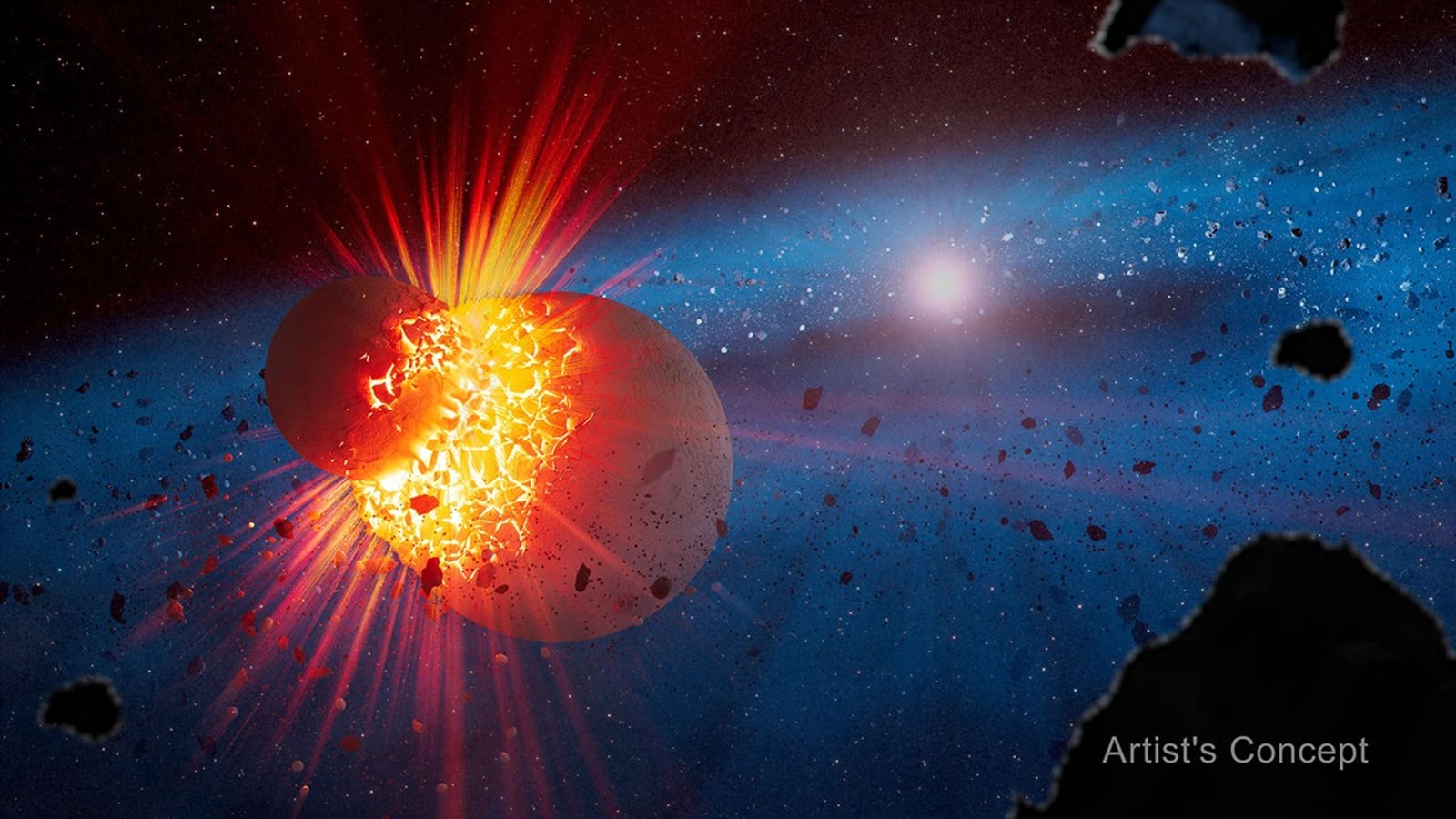
NASA’s James Webb Space Telescope is giving astronomers a glimpse of the kinds of violent collisions that may have shaped our own solar system, including the giant impact thought to have created the Moon. By studying 21 rare “extreme debris disks” around young stars, researchers found that their dust can reveal the scale and intensity of planetary collisions.

Science

NASA’s Webb Captures Commotion From Nebula’s Stellar Jets

A cauldron of cosmic creation is being revealed in a new image from NASA’s James Webb Space Telescope. Webb has unveiled numerous stars formerly hidden by clouds of dust in a stellar nursery known as NGC 7129, which resides about 3,300 light-years from Earth. Stars, the engines of elemental creation, have life cycles that begin […]

Science

NASA’s Webb Provides Crash Course on Planet-Shattering Collisions

In the early history of our solar system, scientists theorize that a Mars-sized object called Theia smashed into the infant Earth, vaporizing massive amounts of rock and blasting it into space. Some of that material coalesced into the Moon, where NASA’s Artemis program is returning humans, preparing for Mars, and shaping the future of space […]

Video
Science

James Webb reveals why planet formation is a race against time

JWST has revealed that young planetary systems lose their planet-building gas through a changing mix of powerful jets, molecular winds, and radiation-driven outflows. As the disks age and their gas disappears, giant planets face a shrinking window to build massive atmospheres.

Science

These massive stars could explain Webb’s strangest galaxies

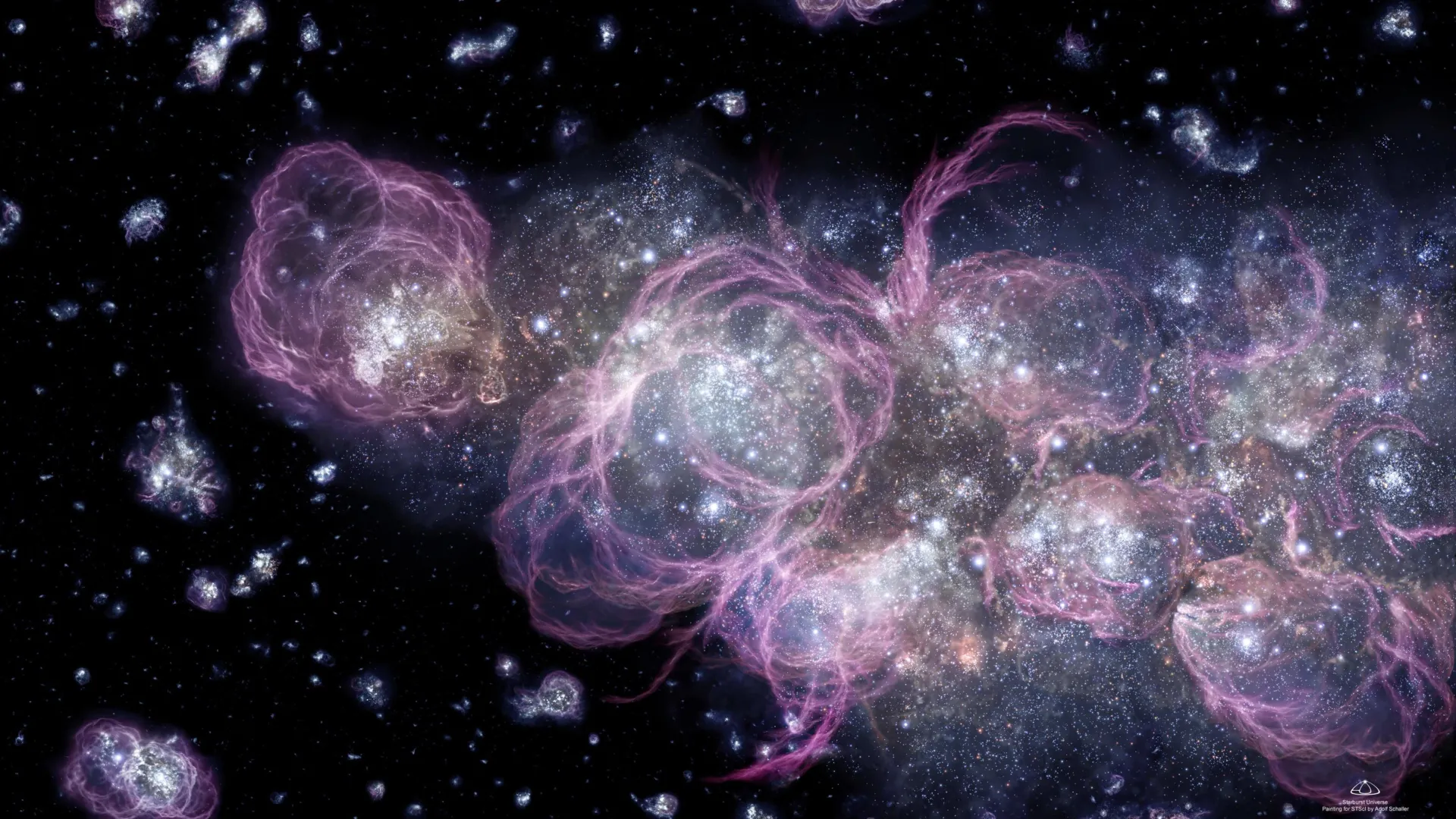
Hubble observations of massive stars in metal-poor dwarf galaxies are revealing clues to why the early universe looks so unusual. Researchers found that stellar winds weaken sharply at extremely low metallicities, potentially allowing massive stars to retain more material and evolve in unexpected ways. The team also found large differences in iron abundance, a key ingredient in stellar winds and supernovae.

Advertisement
Science

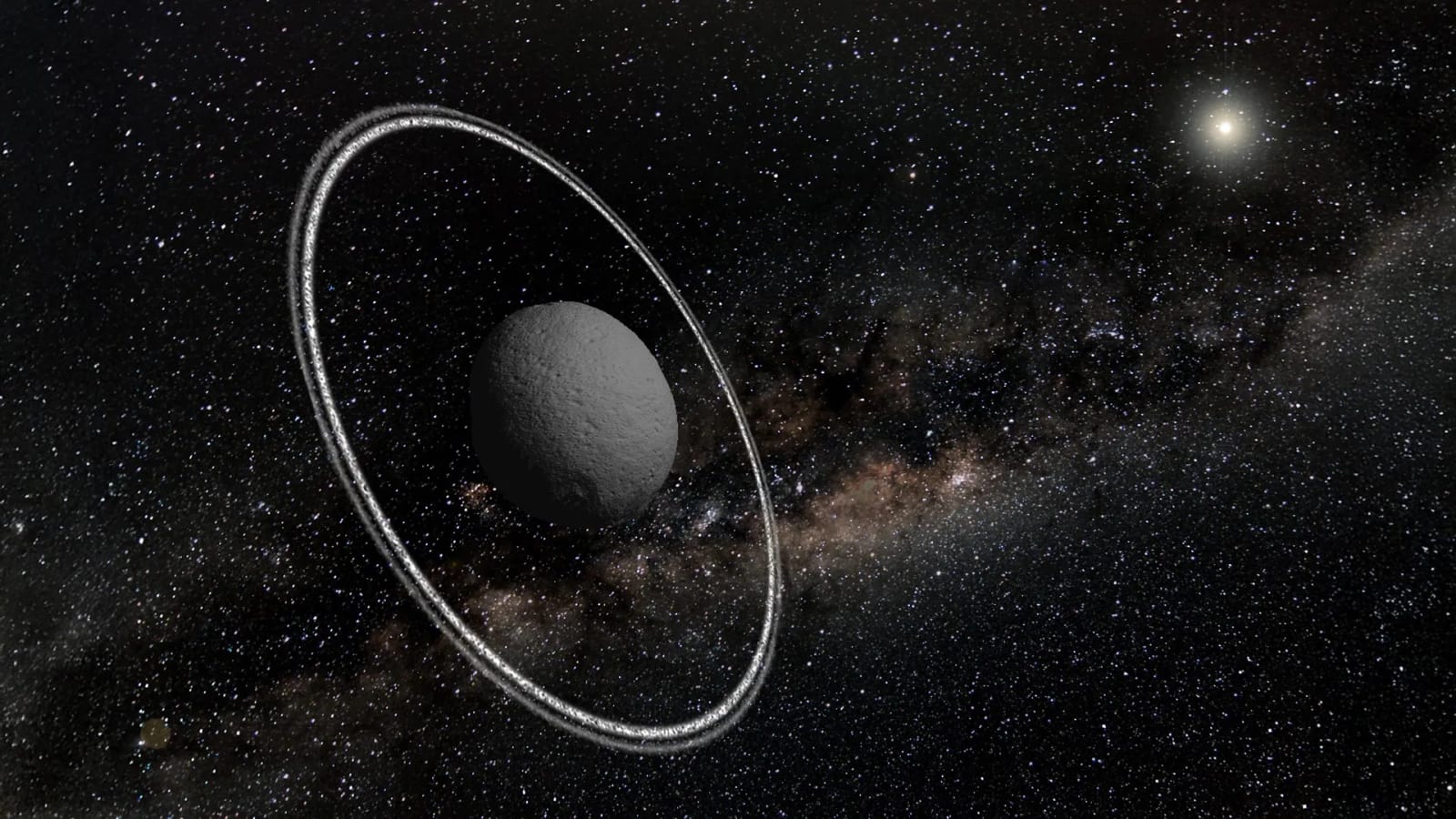
James Webb reveals Chariklo’s mysterious rings are changing faster than expected

The James Webb Space Telescope has revealed surprising changes in the rings around Chariklo, a small object orbiting between Saturn and Uranus. Over just a few years, its inner ring became more opaque while its outer ring became less opaque. The results suggest that rings around small Solar System bodies may be much more dynamic than scientists previously believed. What is causing the changes remains a mystery.

Science

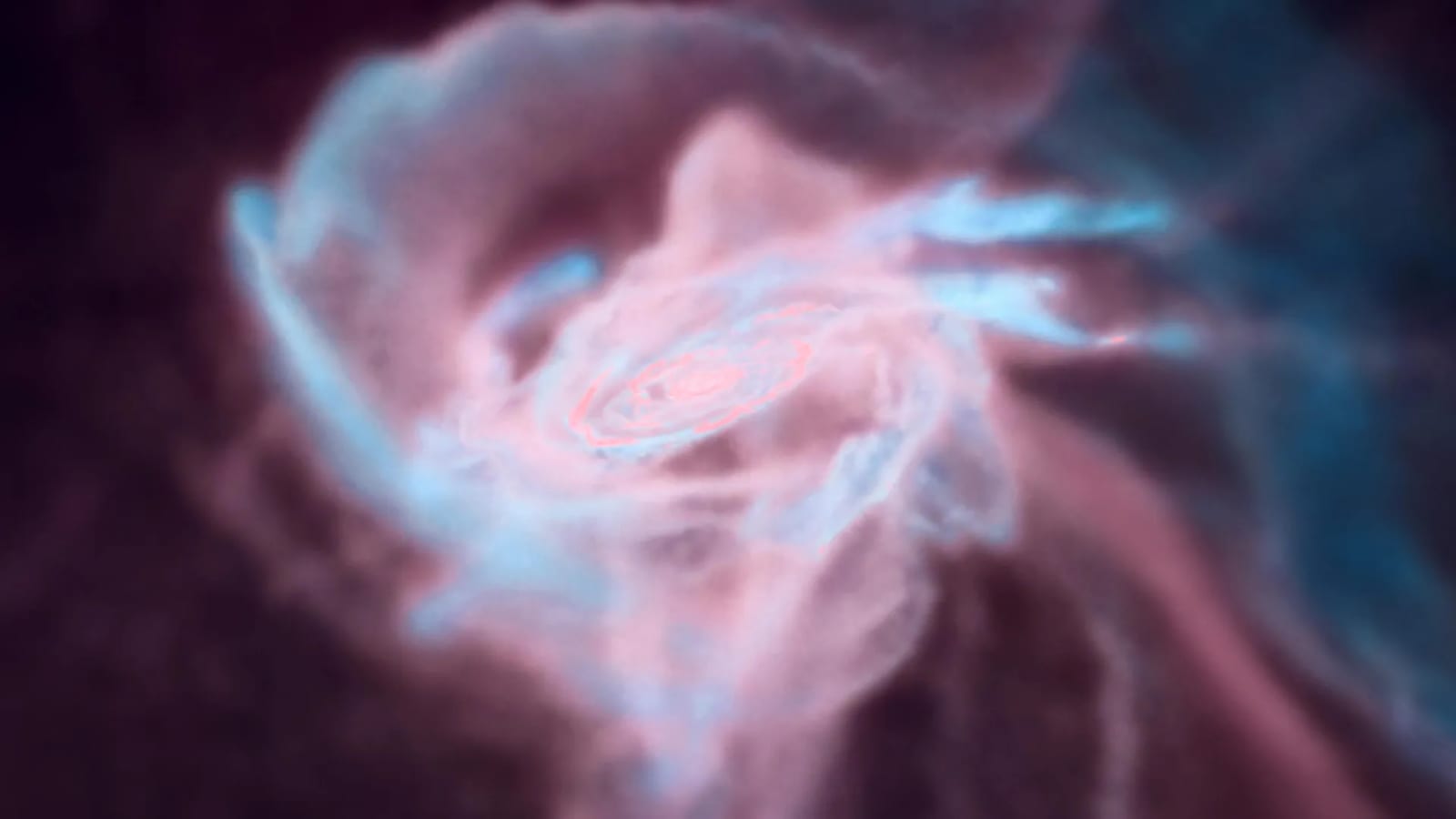
JWST’s mysterious little red dots may be black holes growing at incredible speeds

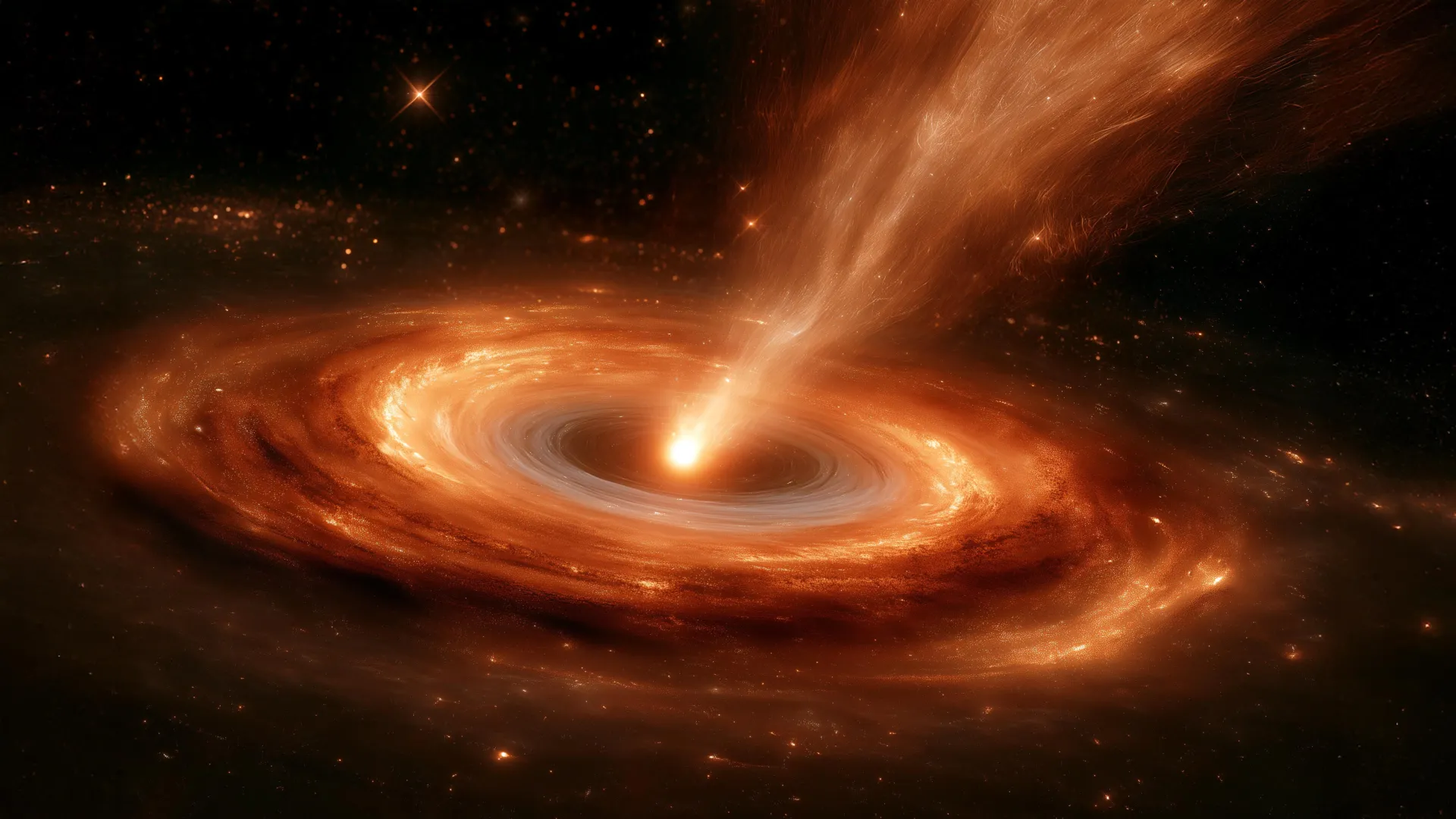
New supercomputer simulations suggest JWST’s puzzling Little Red Dots are rapidly growing black holes from the early Universe. Extreme radiation may have helped create unusually massive black hole seeds, while dense surrounding gas allowed them to grow dozens of times faster than black holes can today. The simulated objects closely resemble the Little Red Dots seen by Webb. If correct, they could solve the mystery of how enormous black holes formed so soon after the Big Bang.

Topic: Webb | RocksNews