Weather
Amber weather warning as Storm Boelo hits Scotland
The Met Office has issued an amber warning for wind over Scotland from 21:00 until 21:00 on Sunday.
International news in seven languages
Topic
The Met Office has issued an amber warning for wind over Scotland from 21:00 until 21:00 on Sunday.
The amber Met Office alert for counties Antrim and Londonderry lasts from 21:00 BST on Saturday until 21:00 GMT on Sunday.
The Republic of Ireland's weather service warns of potential of flooding and travel disruption.
As the strongest El Niño on record continues to intensify, what impacts on weather patterns are already being felt across the globe? Sarah Keith-Lucas looks at the evidence.
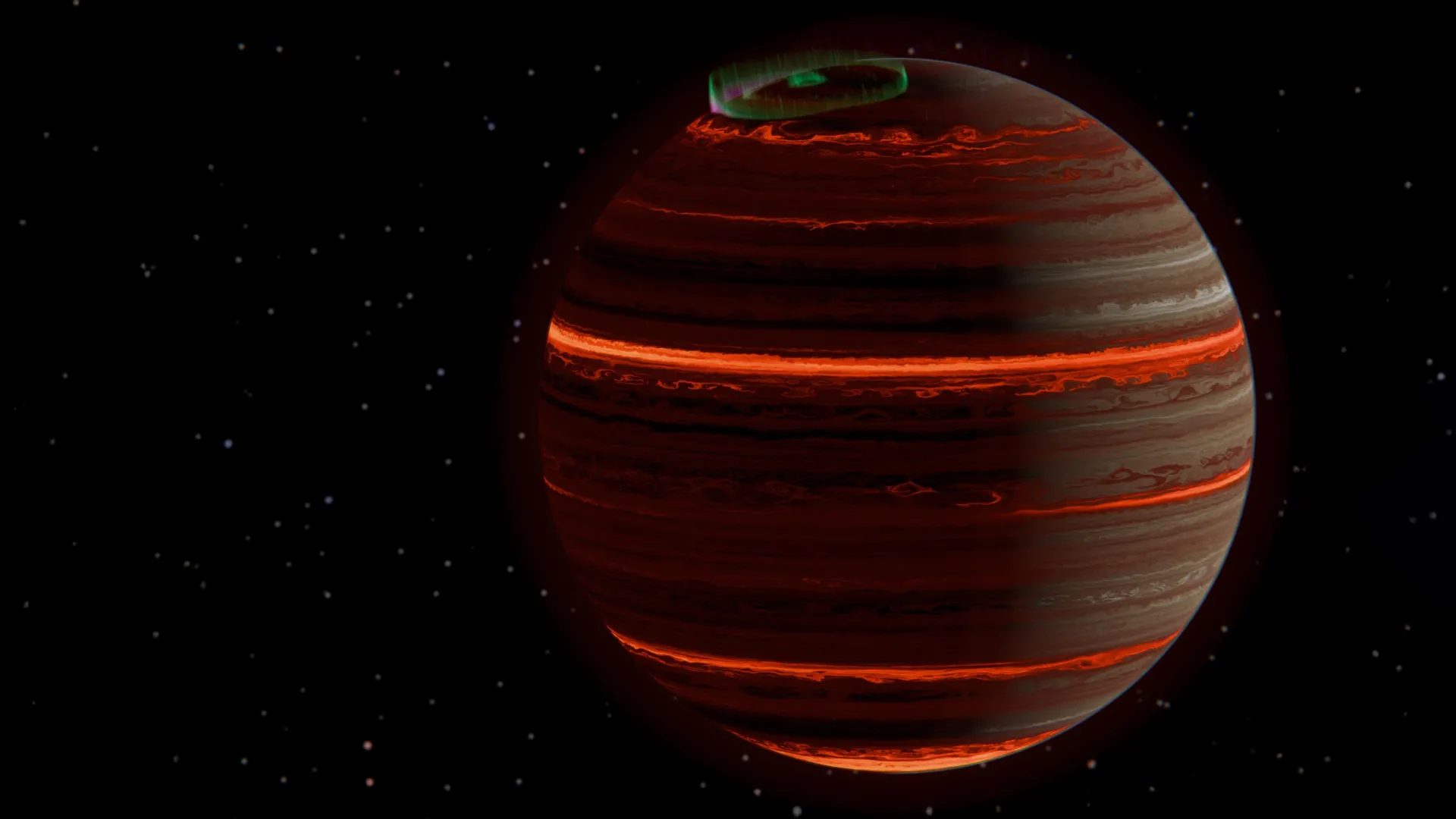
NASA’s James Webb Space Telescope has revealed that a turbulent world 20 light-years away has a surprisingly orderly weather system, with three recurring atmospheric states driven by temperature changes and shifting clouds. The breakthrough gives scientists a powerful new tool for uncovering weather patterns on distant worlds and understanding the conditions that shape their atmospheres.
The ‘Great Fall’ of 1965 was caused by harsh conditions forcing migrating species to land on their way to Africa My birding mentor, the late Derek Moore, was also a keen cricketer. But one autumn day in 1965 he was unable to concentrate while fielding because many hundreds of songbirds were landing around him on the pitch at Lowestoft. The arrival of hundreds of thousands of birds along the Suffolk coast that day became known as the “Great Fall”, and it was caused by a weather system bringing cloud, winds and heavy rain. Continue reading...
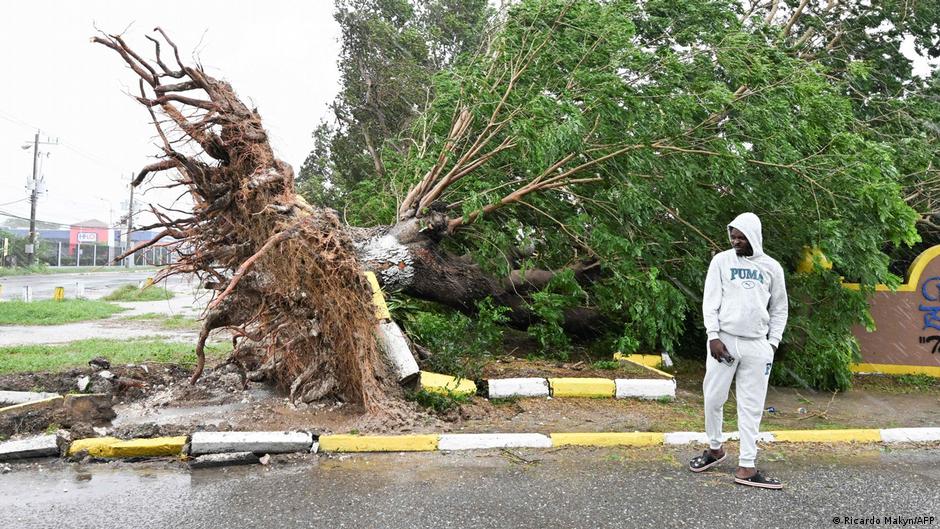
BBC Weather's Chris Fawkes says the first hurricane of the 2026 Atlantic season could bring dangerous winds, storm surge and heavy rains to the Gulf Coast Friday.
A century ago, René Fonck tried and failed to cross the Atlantic despite having clear weather In September 1926, the French pilot René Fonck set out on a daring attempt to make the first crossing from New York to Paris in an aircraft, piloting a custom-built Sikorsky S-35. John Alcock and Arthur Brown had flown the shorter distance from Newfoundland, Canada, to County Galway, Ireland, seven years earlier. That was in June, when good weather was expected, but the aviators encountered dense fog and freezing temperatures in an eventful but successful flight. Continue reading...
From drought to major floods and extreme heat, El Nino will have a huge impact on the world's weather. In the Atlantic, it could mean a season without hurricanes.
VolcanoTech’s sulphur dioxide detecting sensors are in already in use in a number of countries Weather forecasts now include air quality warnings and cities have networks of air quality sensors driving real-time maps online. Similar air quality sensors can warn of an imminent volcanic eruption. Just as a fizzy drink releases carbon dioxide when the pressure is released, rising magma emits dissolved sulphur dioxide as it rises. So a big increase in this gas warns that a volcanic eruption may be imminent. Continue reading...
Pre-programmed flights gather data at different altitudes then return to bases to recharge and download Weather happens in the boundary layer, the atmosphere from ground level to a few thousand metres, but this can be difficult to study in detail: weather stations are too low, and aircraft are expensive. Instrumented weather balloons are the traditional solution, and thousands are released every day. But these are at the mercy of the wind and use irreplaceable helium. Drones offer an alternative and the US company Meteomatics has taken the idea further with Meteobase, a base station on the gro
Hot weather during the summer can affect anyone, but some people run a greater risk of serious harm.