World
What the Trump-Xi meeting revealed about global power
Donald Trump and Xi Jinping met in Washington as world leaders gathered at the UN General Assembly in New York.
International news in seven languages
Topic
Donald Trump and Xi Jinping met in Washington as world leaders gathered at the UN General Assembly in New York.
The President of China concludes his visit to Washington on September 25 with a look at the Constitution and the Bill of Rights after a trip that has received criticism for being loaded in pompa, but light in achievements. However, Xi Jinping held that now the relationship between the US. The United States and its country will be characterized by "strategic stability," based on respect and reciprocity. Trump announced that "extraordinary things will happen" after what he called a "very productive" visit, although he stated that China's aid to Iran is "unacceptable."
In the midst of a latent rivalry and after a year marked by tariff escalation, China's President, Xi Jinping, stepped in Washington for the first time in more than a decade to meet Donald Trump at the White House. With artificial intelligence, Taiwan's status and global trade on the table, will both powers succeed in stabilizing their bilateral ties or will the struggle for strategic advantage be deepened? We analyzed it in The France Debate 24.
Warmth on display in Washington contrasts significantly with the language Trump has used to characterise Beijing and Xi.
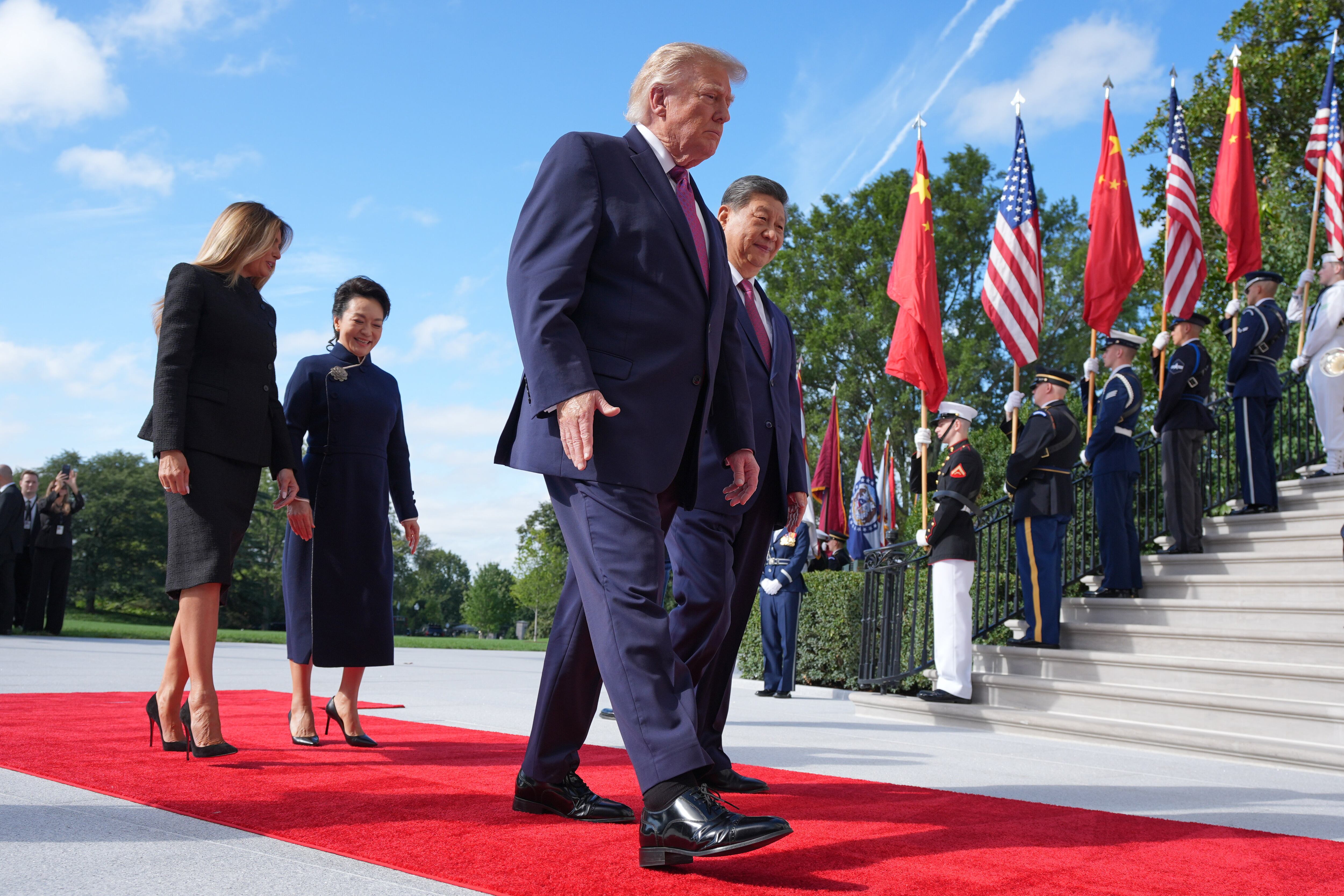
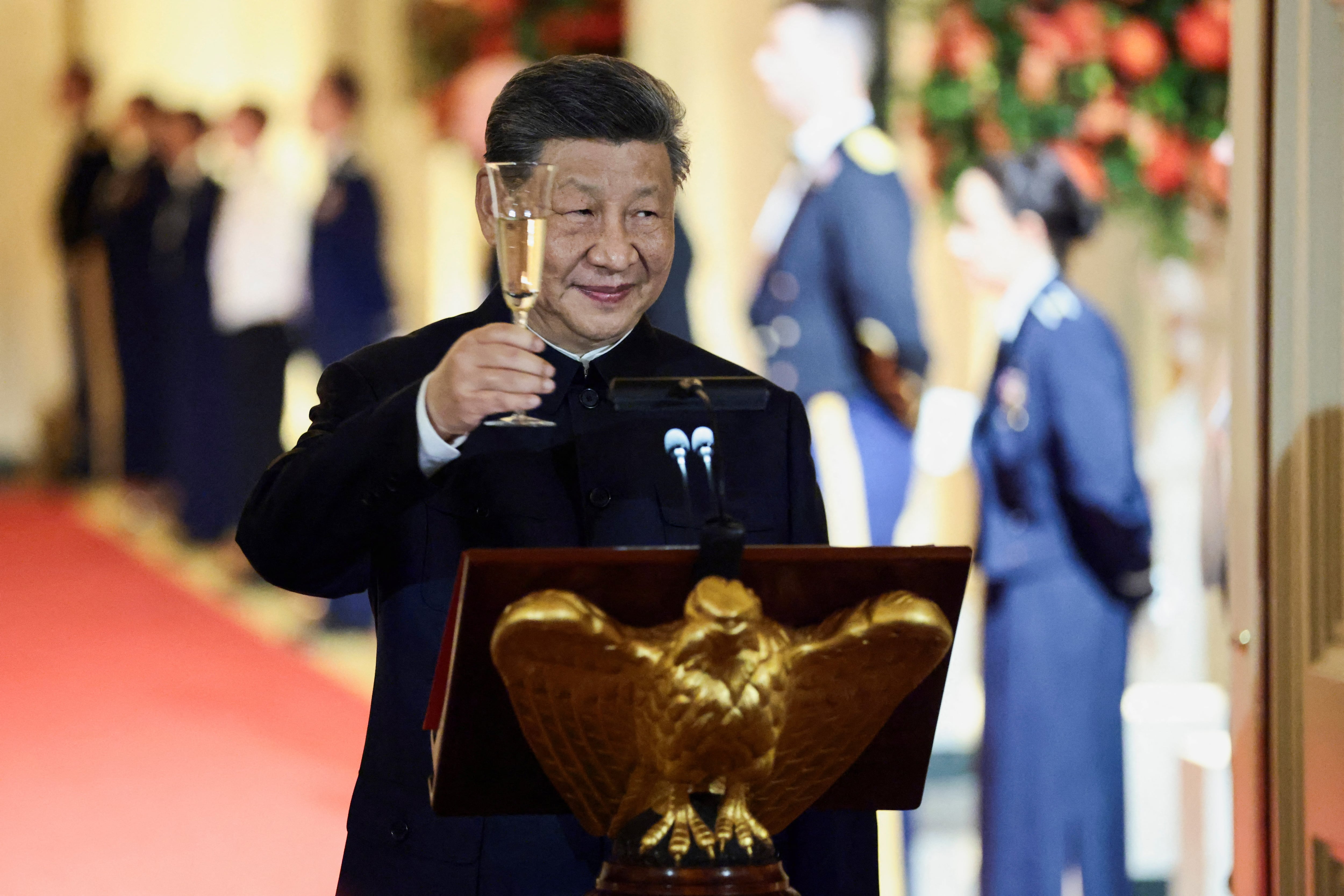
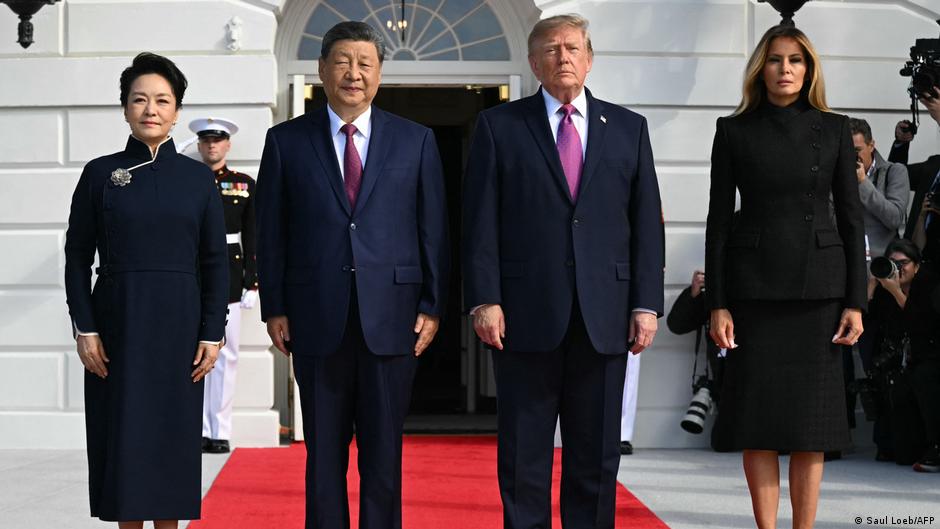
Between the large deployment of protocol, the bilateral meeting and the subsequent dinner in honor of the visiting president left little room to know how Washington and Beijing will address the issues that distance them: artificial intelligence, trade, Taiwan and the war with Iran. Both Trump and Xi chose to publicly highlight the links between the two nations, avoiding taking a stand on the thorny points of the bilateral relationship. Report from our correspondent, Cristóbal Vásquez.
Xi’s first visit to Washington in a decade was a display of pomp and pageantry, with Trump offering his guest a two-month truce on the brewing tariff war.
The Washington summit is a turning point in the power relationship as a result of US-own mistakes
The Chinese President has called on Washington and Beijing to explore new ways of collaboration between powers
The BBC’s China correspondent Laura Bicker unpacks how the trip panned out for Beijing and Washington.
Saudi, Turkish, Pakistani army chiefs invoke Mecca pact for urgent talks over Houthi attacks.
Trump, Xi seek stable US-China ties at the White House, but differences over Iran, Taiwan and trade remain unresolved.
American President Donald Trump received his Chinese counterpart, Xi Jinping, at the Oval Office. The leaders gave a joint press conference after their meeting, at which Trump raised the trade disagreement they are trying to mitigate and stabilize. Our correspondent Cristóbal Vásquez extended the information about the meeting.
US President Donald Trump welcomed Chinese President Xi Jinping to Washington for talks on trade, AI, Taiwan and Iran.
It’s their AI world and we’re just living in it. If that's the feeling of those who suffer from AI anxiety, it may worsen watching the Chinese president’s first state visit to Washington in nine years. If there's one issue where the planet's biggest superpowers agree on, it's now’s not the time for global regulation of artificial intelligence. As they sit down to a White House dinner hours after news that OpenAI had hacked the Australian government, we’ll ask who will call to task the US tech titans at the table.
The presidents of the world's two largest economies are in Washington for what Donald Trump has billed a "big day." Bilateral trade, AI and geopolitics are all on the menu. Follow DW for the latest.
In Washington, Donald Trump gave Xi Jinping a special welcome. The Chinese President today called for a position of cooperation between Beijing and Washington. He also told Donald Trump that their countries had "the responsibility" to control artificial intelligence so that it remained at the service of humanity.
While world leaders meet in New York during the UN General Assembly, the US President. United States, Donald Trump, welcomes in Washington his Chinese counterpart, Xi Jinping. The Asian giant and the American union go through a time of commercial and political tension over the tariffs imposed by Trump, the Beijing alliance with Iran, the race for the development of artificial intelligence and the competition to expand their presence in regions like Latin America. Our Guest of the Day, Raquel Isamara León de la Rosa, President of the Mexican Association of Sinology,
An investigation by the correspondent Xavier Colás published in the newspaper 'El Mundo' reveals that the US intelligence services have warned several European governments about a possible Russian operation against one of the three Mediterranean countries, using Gerbera drones launched from commercial ships. The alert, the existence of which has not been publicly confirmed by Washington or by the said capitals, describes a possible operation designed to cause interruptions, limited damage and a strong political and psychological impact on the NATO rear.
After months of tensions over the future of Greenland, the United States, Denmark and the Greenlandic Government have signed a trilateral defence agreement that expands the US military presence in the Arctic, but maintains Danish sovereignty and recognizes Greenland's right of self-determination. What strategic interests is Washington pursuing? What decision space does Copenhagen and Nuuk have? And how does this pact change the balance of power in an increasingly disputed region? We analyzed it in The France Debate 24.
Received in the White House as part of a state visit, Chinese President Xi Jinping called on Thursday to maintain a "conflict-free" position between Beijing and Washington. He also told Donald Trump that their countries had "the responsibility" to control artificial intelligence so that it remained at the service of humanity.