Advertisement
Advertisement

Topic

vitamin

Science

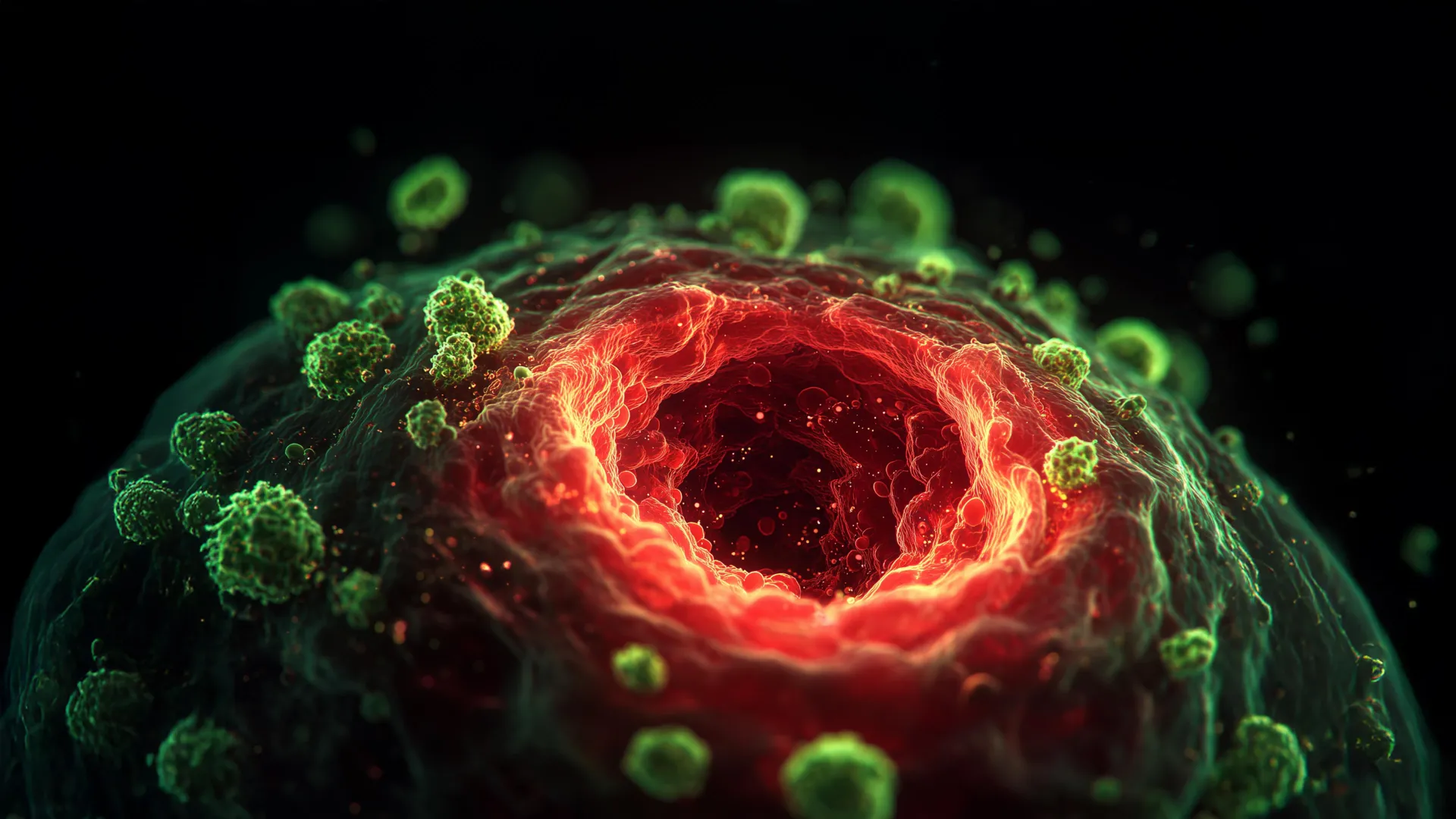
A surprising vitamin A discovery is changing what scientists know about vision

Scientists at Johns Hopkins University have uncovered a surprising process that helps humans develop sharp vision before birth, challenging decades of assumptions about how the eye forms. Using miniature human retinas grown in the lab, researchers discovered that a vitamin A derivative and thyroid hormones work together to shape the foveola, the tiny region at the center of the retina responsible for our sharpest vision.

Science

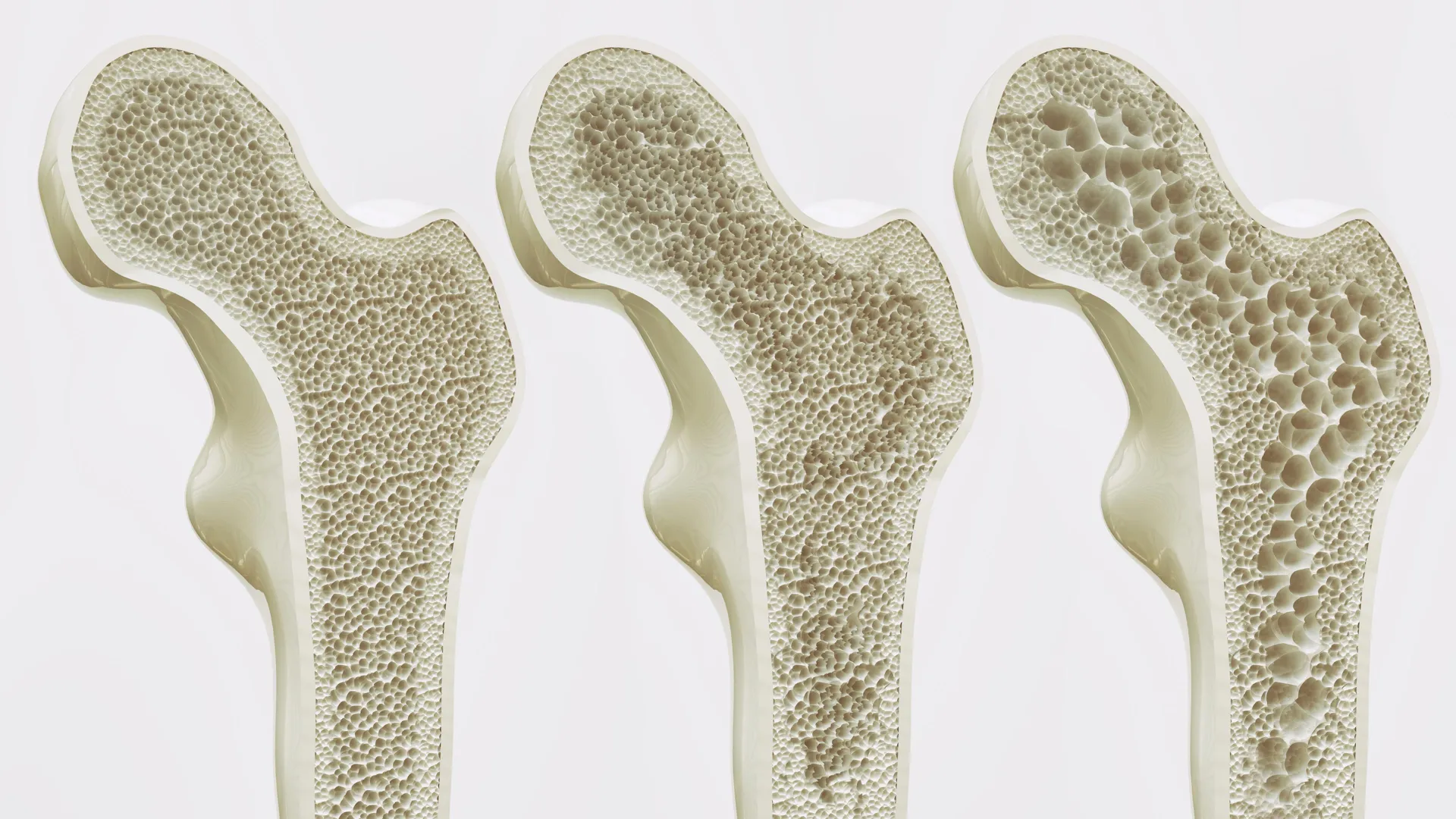
Scientists warn a popular vitamin D supplement may have a hidden downside

Not all vitamin D supplements are created equal, and new research suggests that one popular form may have an unexpected downside. Scientists found that taking vitamin D2 can actually lower the body's levels of vitamin D3, the form naturally produced by sunlight and more effective at boosting overall vitamin D. Previous studies also suggest that vitamin D3 may provide stronger immune protection against viruses and bacteria.

Health

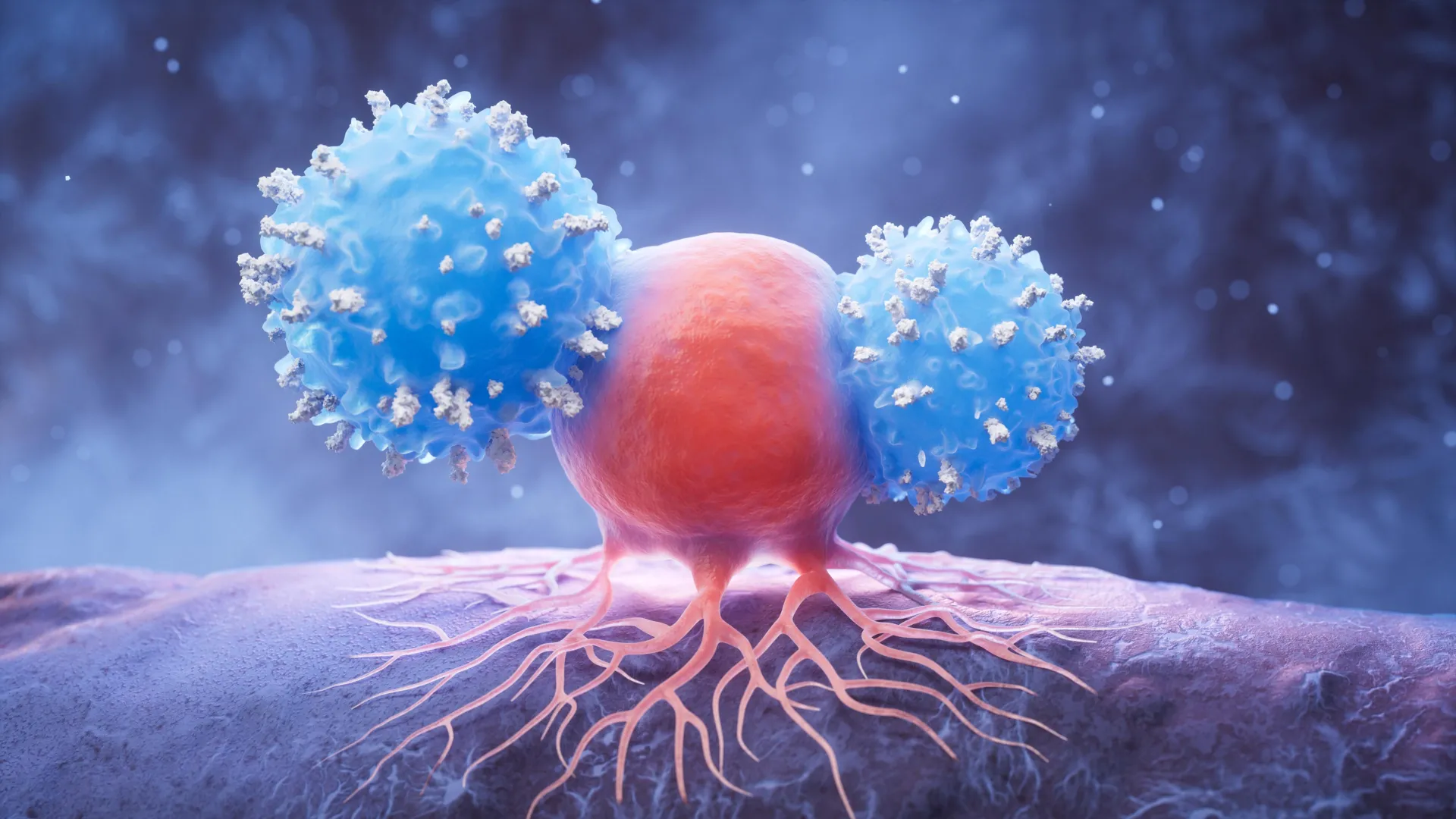
Vitamin D drug may help crack pancreatic cancer’s protective shield

A vitamin D analog may help break down pancreatic cancer’s protective defenses, potentially making tumors more vulnerable to chemotherapy and immune attack. A small clinical trial found encouraging responses, especially in patients whose tumors had high levels of the vitamin D receptor.

Health

This common vitamin could help fight one of the deadliest brain cancers

High-dose vitamin B3 is showing intriguing early promise as an addition to standard glioblastoma treatment, with 82% of patients in a small trial remaining progression-free after six months. Researchers believe niacin may help revive immune cells suppressed by the cancer, but larger studies are still needed to confirm the benefit and safety.

Health

Vitamin C linked to fewer deaths in blood disorder trial

Vitamin C may do more than support the immune system. In a phase 2 trial of people with precancerous or low risk blood cancers, daily vitamin C did not slow abnormal cell growth, but it was linked to favorable changes in inflammation and fewer serious complications. An exploratory follow up also found fewer deaths among participants taking vitamin C than among those receiving placebo.

Advertisement