World
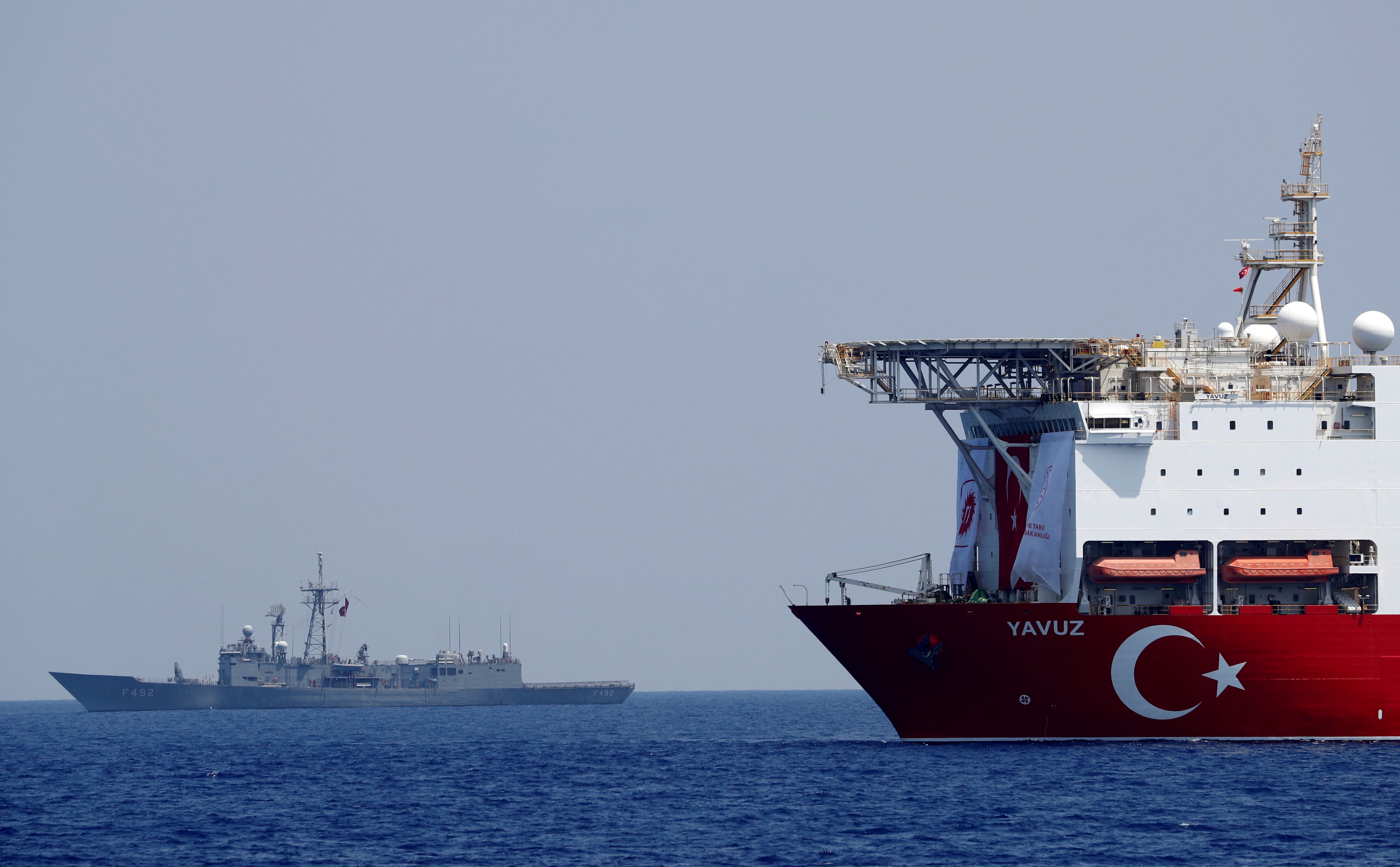
The maritime agreement between Turkey and Libya resurrects the conflict in the Eastern Mediterranean
EU rejects ratification of treaty, which puts at risk planned underwater infrastructure between Greece, Cyprus and Israel
International news in seven languages
Topic
EU rejects ratification of treaty, which puts at risk planned underwater infrastructure between Greece, Cyprus and Israel
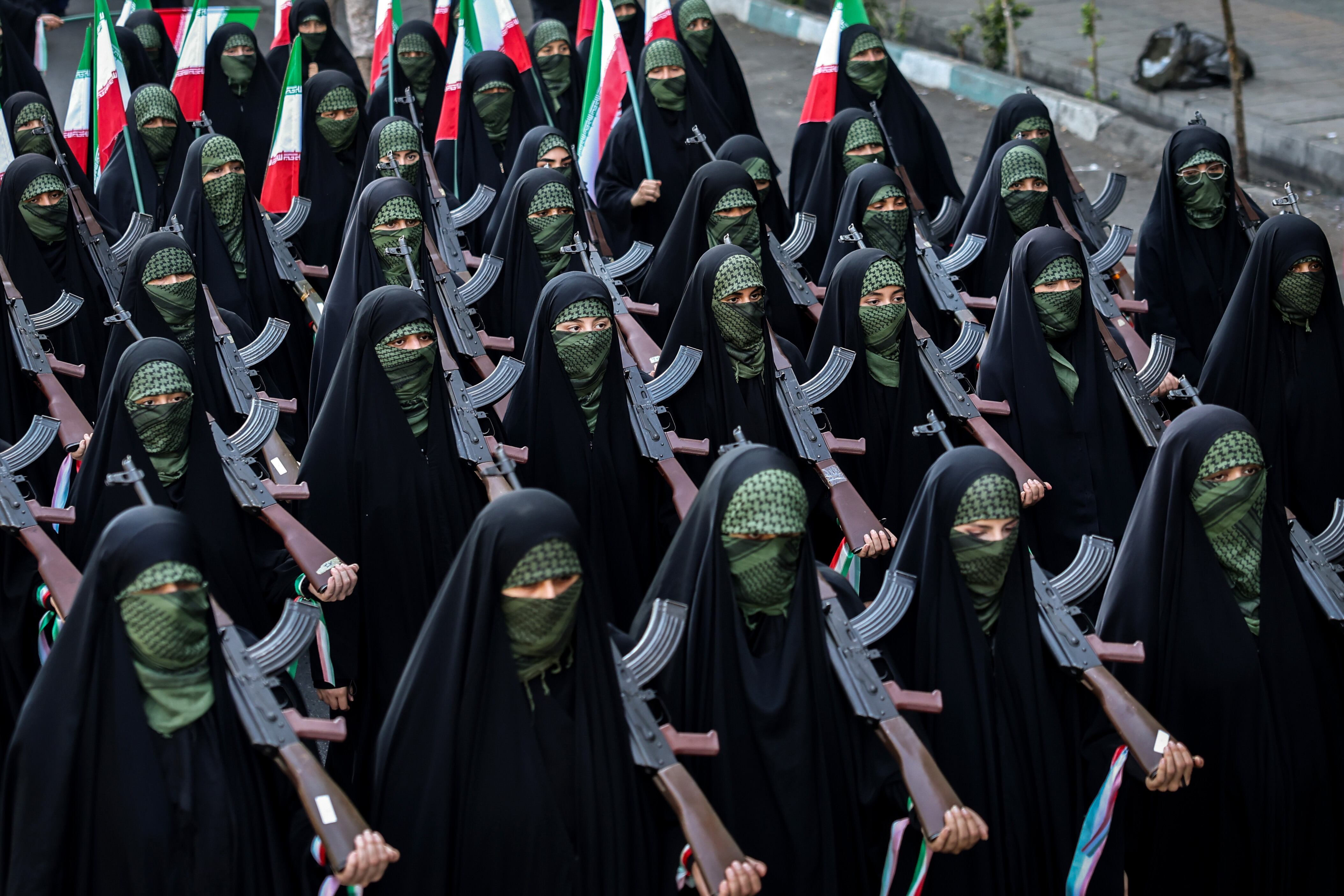
Representatives of Iran and the countries that make up the so-called Mecca Pact, Turkey, Pakistan and Saudi Arabia held a high-level meeting in Tehran to address the growing security crisis in the Middle East. It is clear from Iran that security problems and conflicts must be addressed among the same members of the region, warning that the interference of the US. The United States or Israel may face a risk.
Iran announced a diplomatic rapprochement with the countries of the so-called Mecca Pact (Saudi Arabia, Turkey and Pakistan) following a meeting in which the countries concerned have ensured that they will keep the channels of communication open, however, the communiqué does not give further details. In the Middle East, this meeting is seen as a last attempt to avoid further escalation of the conflict in the region. From Istanbul, our correspondent Adriá Rocha tells us the details.
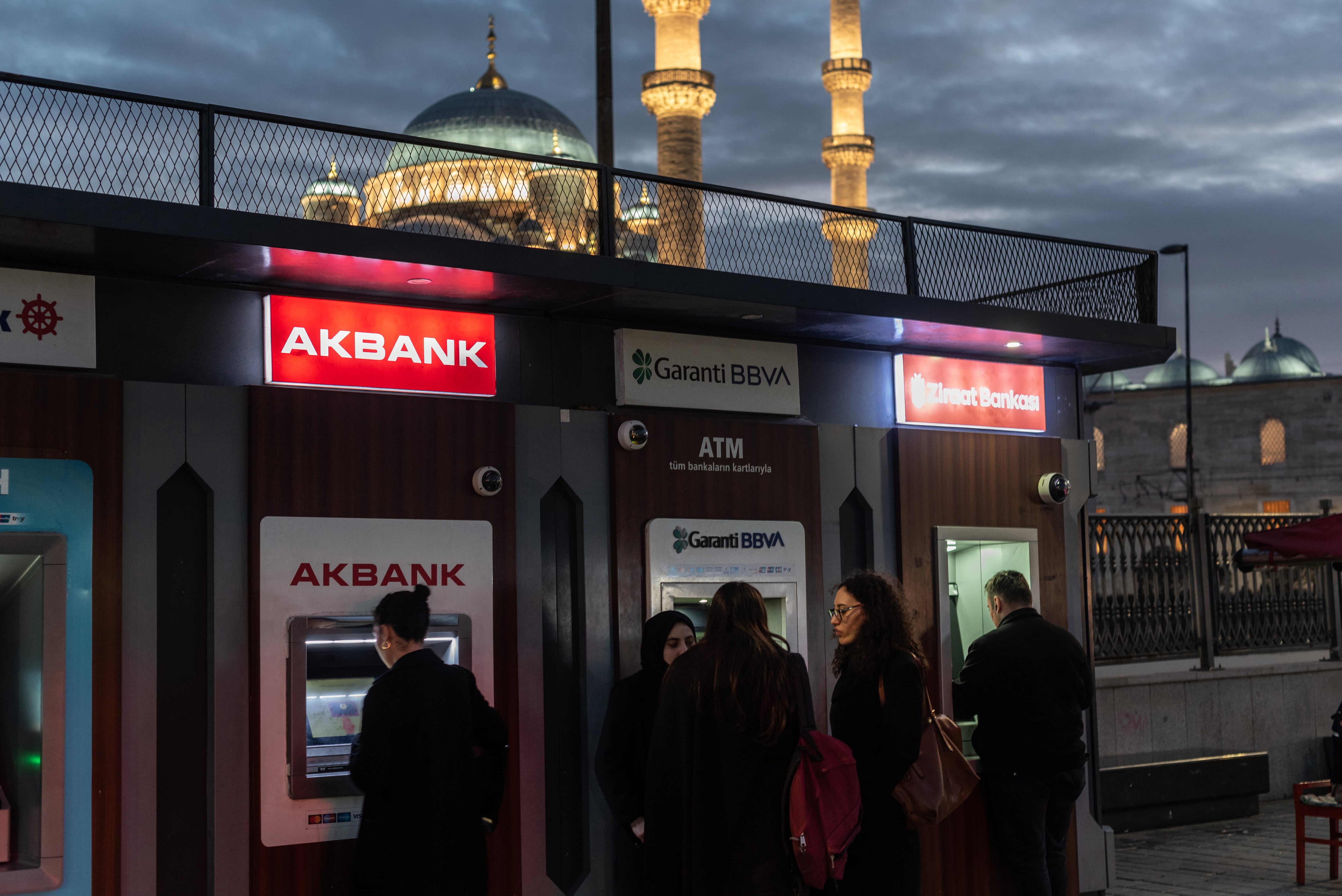
The high interest rates on traditional banking loans drive demand in these financial institutions
More than 114,000 people from countries like Colombia, Turkey, Poland or Germany have gone hundreds of miles to attend one of the Colombian 13 concerts in the capital
Turkey confirmed that it is working on a memorandum of understanding for Ukraine and Russia to stop attacks on civilian and cargo vessels in the Black Sea. So far, Kiev and Moscow have rejected any kind of ceasefire in that area. Report from our correspondent, Adrià Rocha.
The activation of the pact to help Riyadh defend himself from the Huti attacks comes before even its complete ratification
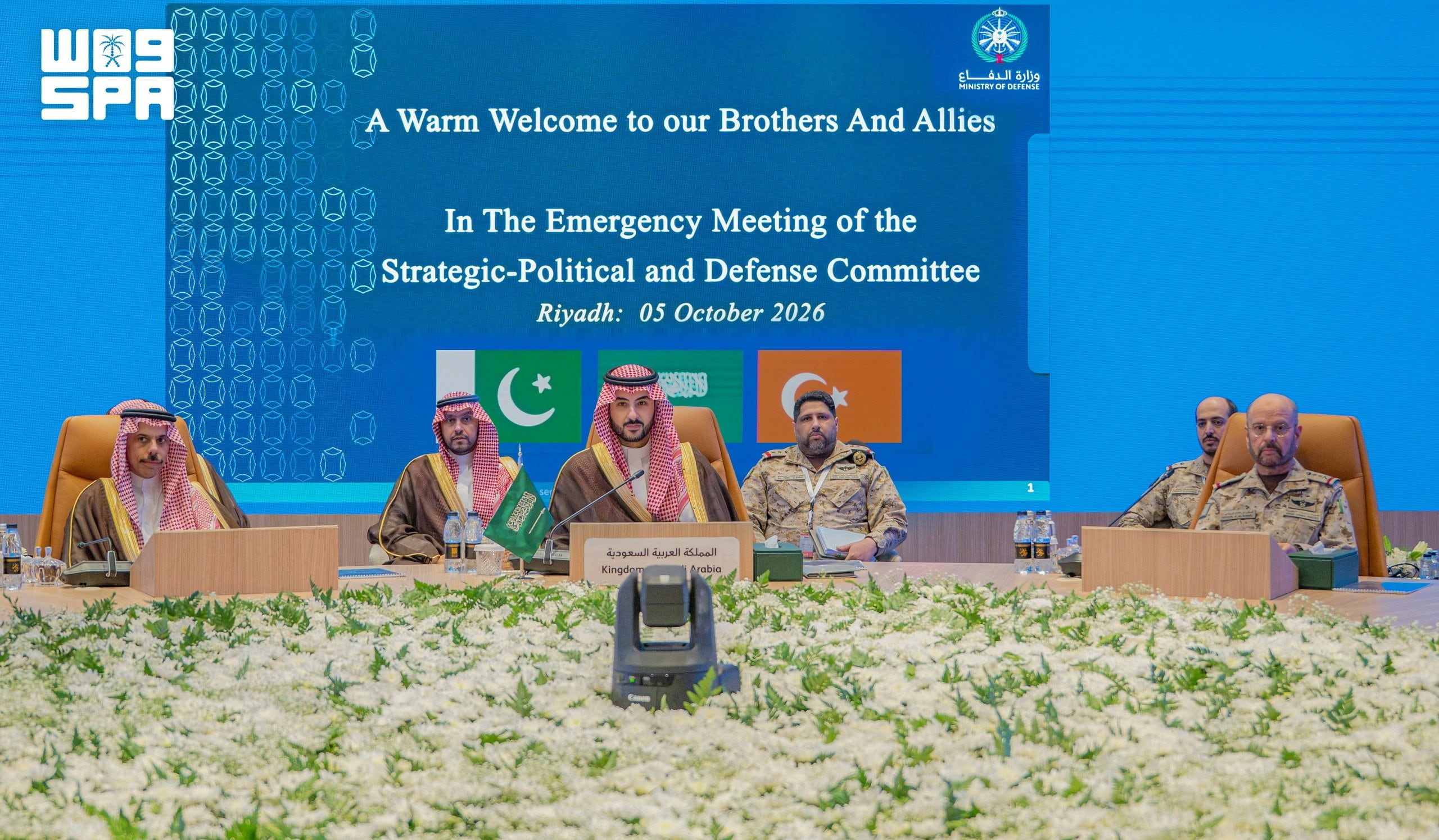
The escalation of the conflict in Yemen has become the first major test for the newly established defence alliance between Saudi Arabia, Turkey and Pakistan. Following an emergency meeting, the three countries agreed to activate the collective defence mechanisms and to make progress in preparations for the possible deployment of military capabilities on Saudi territory in the face of the threats attributed to the Hutti. However, the actual deployment of troops has not been confirmed so far. From Istanbul, our correspondent Adria Rocha tells us more.
The options for leading this convulsive region are Turkey, Israel and Iran, which combine strength, culture and technology with fragility, writes British historian Simon Sebag Montefiore in his new book, 'The kettle. History of the Middle East, 1900-2026'
Turkey, Saudi Arabia and Pakistan agreed to immediately activate their joint defence pact and to prepare for the deployment of military forces and capabilities on Saudi territory, at a time when Riyadh is facing a further escalation of attacks by the Hutti of Yemen. A few weeks ago, the rebel group quickly advanced and took key positions in the Bab el-Mandeb Strait, increasing tension in the region.
Saudi Arabia, Turkey and Pakistan agreed to deploy military forces and capabilities quickly into Saudi territory, in the first activation of the agreement they signed in August. The decision is in full escalation with the Hutti, which on Monday, 5 October, claimed to have attacked with missiles and drones airports, military facilities and an Aramco refinery in Saudi Arabia, following the offensive by the Government of Yemen to expel them from the Bab al-Mandeb Strait.
A vice president of the president's party resigned after being known to have won almost 40 million euros. Family members of senior government and AKP officials are under investigation
Half a million people are trapped in funds that offer returns of up to 1,500%. Nine managers are in prison while the opposition inquires about their political connections and the performance of supervisors
The persecution now being carried out by the collective in Turkey began in 2015, although it has been increasing, with special effect over the past two years.
In the midst of the inflationary crisis, Turkey is betting on the defence industry to reduce its dependence on the outside and gain geopolitical weight. The country is promoting the manufacture and export of drones, military vehicles and weapons technology, while seeking to strengthen its strategic position within NATO. A sector that generates pride among a large part of the population, but also raises questions about its close relationship with political power. Adrià Rocha's report for France 24.
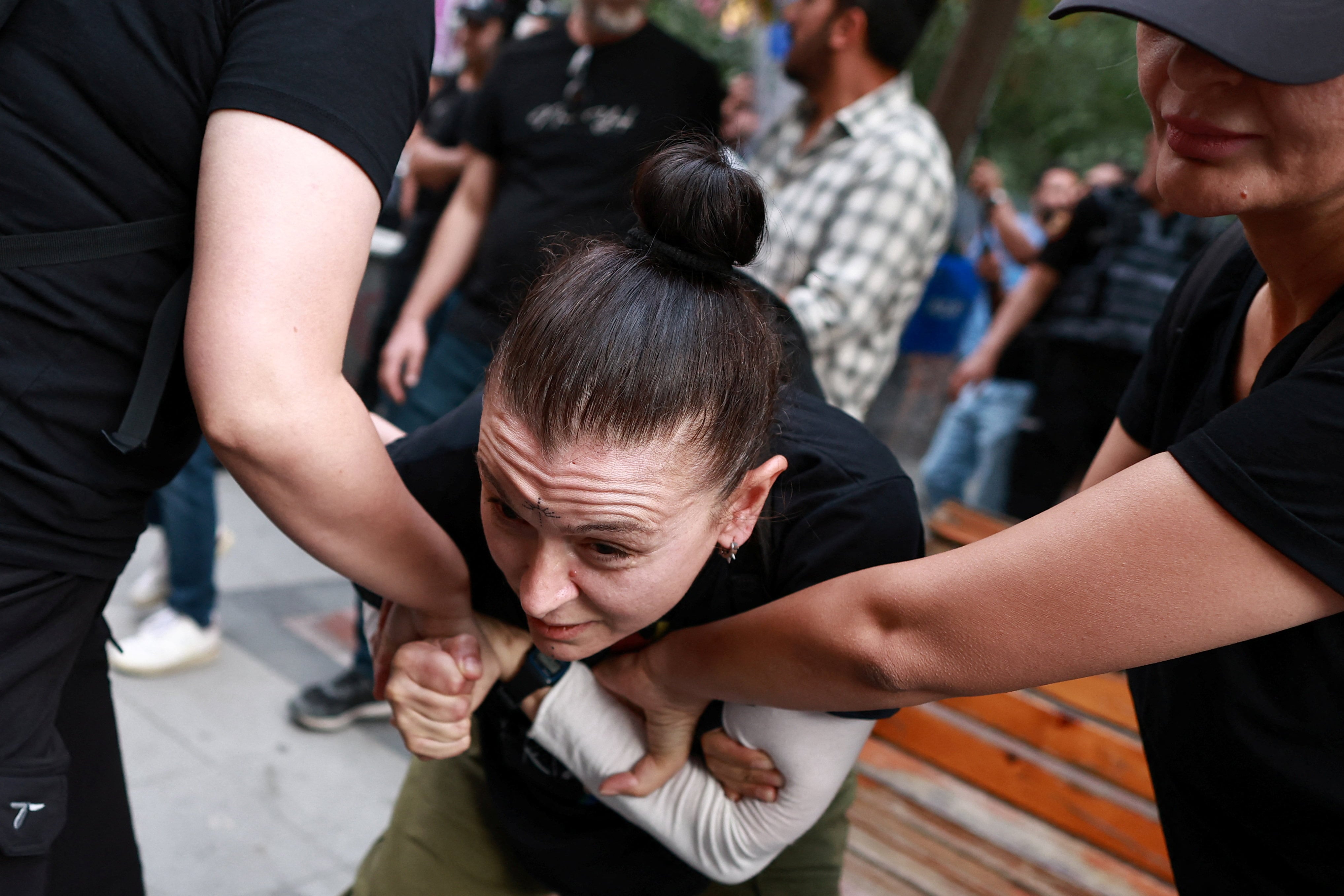
Collective rights organisations call for concentrations in a dozen European cities in front of the lgtbifobic raids promoted by the Erdogan Government