World
I've been stuck on a tiny Pacific island for years and can't get a transit visa to fly home
Ruchira Ranasingha, 50, has been stranded in the Cook Islands since 2023 and wants to return to Sri Lanka.
International news in seven languages
Topic
Ruchira Ranasingha, 50, has been stranded in the Cook Islands since 2023 and wants to return to Sri Lanka.
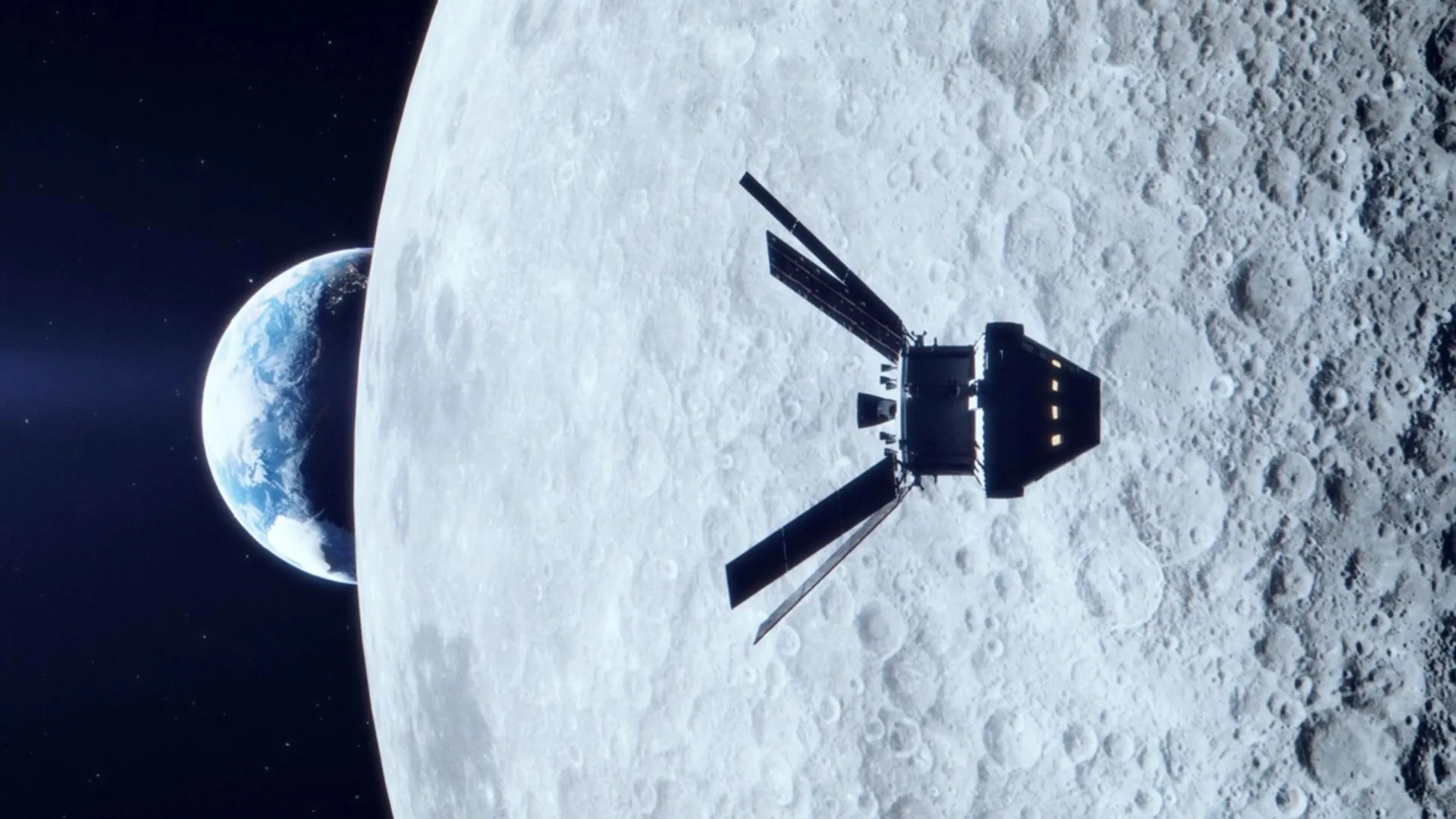
NASA’s Artemis I mission has revealed that cosmic radiation near the Moon is higher than in Earth orbit, but not by as much as scientists might expect. Tiny experimental detectors also uncovered surprising details about how radiation passes through the human body, offering valuable insights for future lunar exploration.
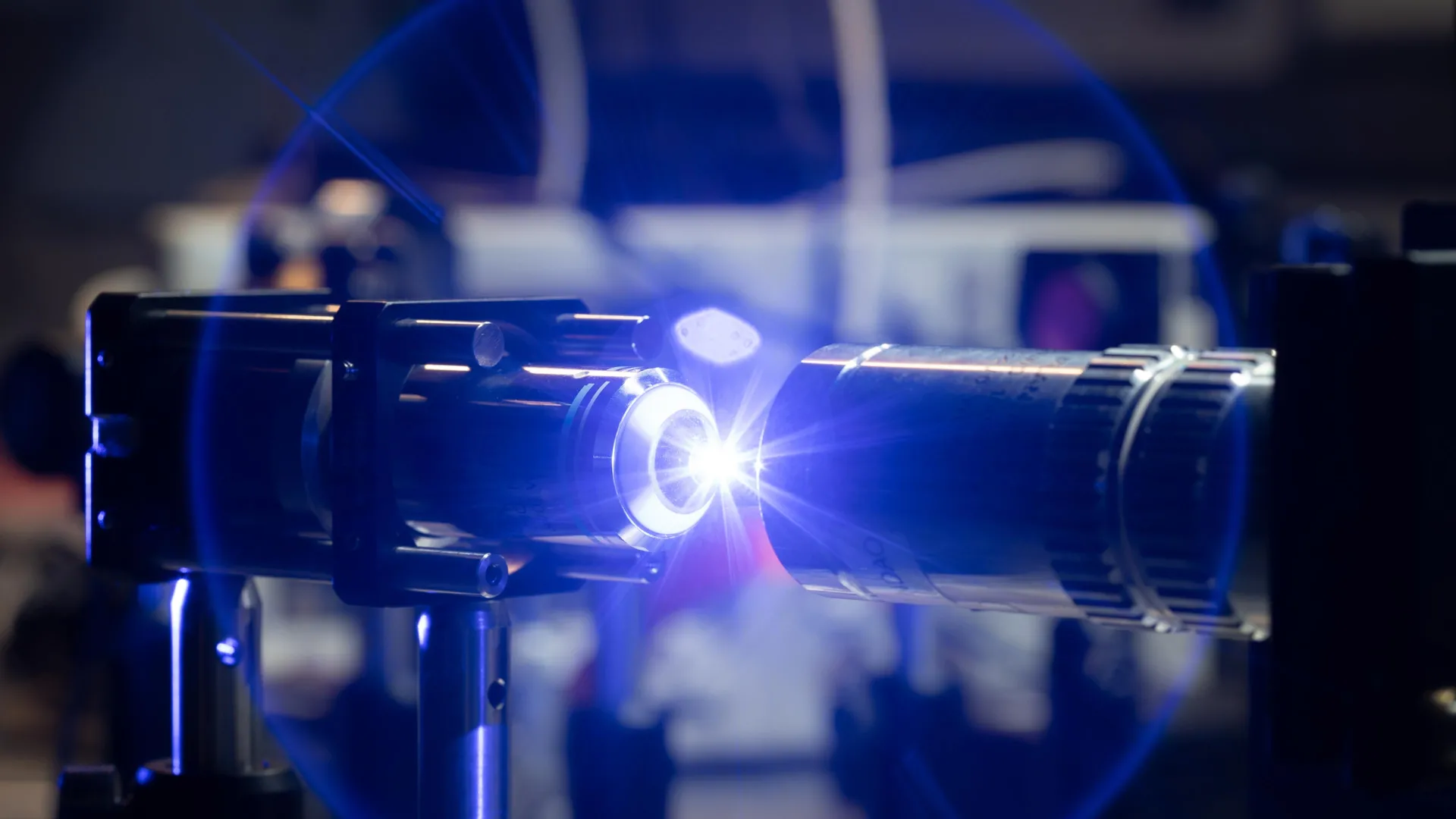
Scientists at UC San Diego have developed a surprising new way to store digital information using light instead of magnets, potentially paving the way for smaller, faster, and more energy-efficient memory devices. By precisely shaping and shrinking an ultrafast laser beam, researchers demonstrated that they could switch magnetic states in a material, the basic process used to write digital data. The technique could potentially operate more than 1,000 times faster than conventional magnetic switching methods.
A zebra-striped bee is seen in Somerset for the first time, offering hope in restored saltmarshes.
Scientists have filmed tiny magnetic vortices called skyrmions melting out of an organized lattice for the first time, revealing new ways to manipulate these unusual structures. The breakthrough could help make brain-like computers a reality, potentially enabling dramatically smaller and more energy-efficient technology.
Scientists have uncovered a surprising new clue to why the Mediterranean diet is so good for the heart, brain, and healthy aging. Researchers at USC found that older adults who closely followed the diet had higher levels of two tiny proteins, humanin and SHMOOSE, produced by the mitochondria, the energy-producing structures inside cells. These proteins have been linked to protection against heart disease, Alzheimer's disease, and age-related damage.
Tiny snakes in Southeast Asia have mastered an extraordinary escape technique: rolling across the ground at speeds up to four times faster than ordinary slithering. Scientists discovered that dwarf reedsnakes accomplish this feat through precisely coordinated body movements that allow their bodies to rotate while their heads remain remarkably stable.
Tiny samples from asteroid Bennu are rewriting scientists' understanding of how our Solar System formed. New evidence suggests that Bennu was born where material from the inner and outer Solar System mixed, with Jupiter playing a surprising role in shaping its formation.
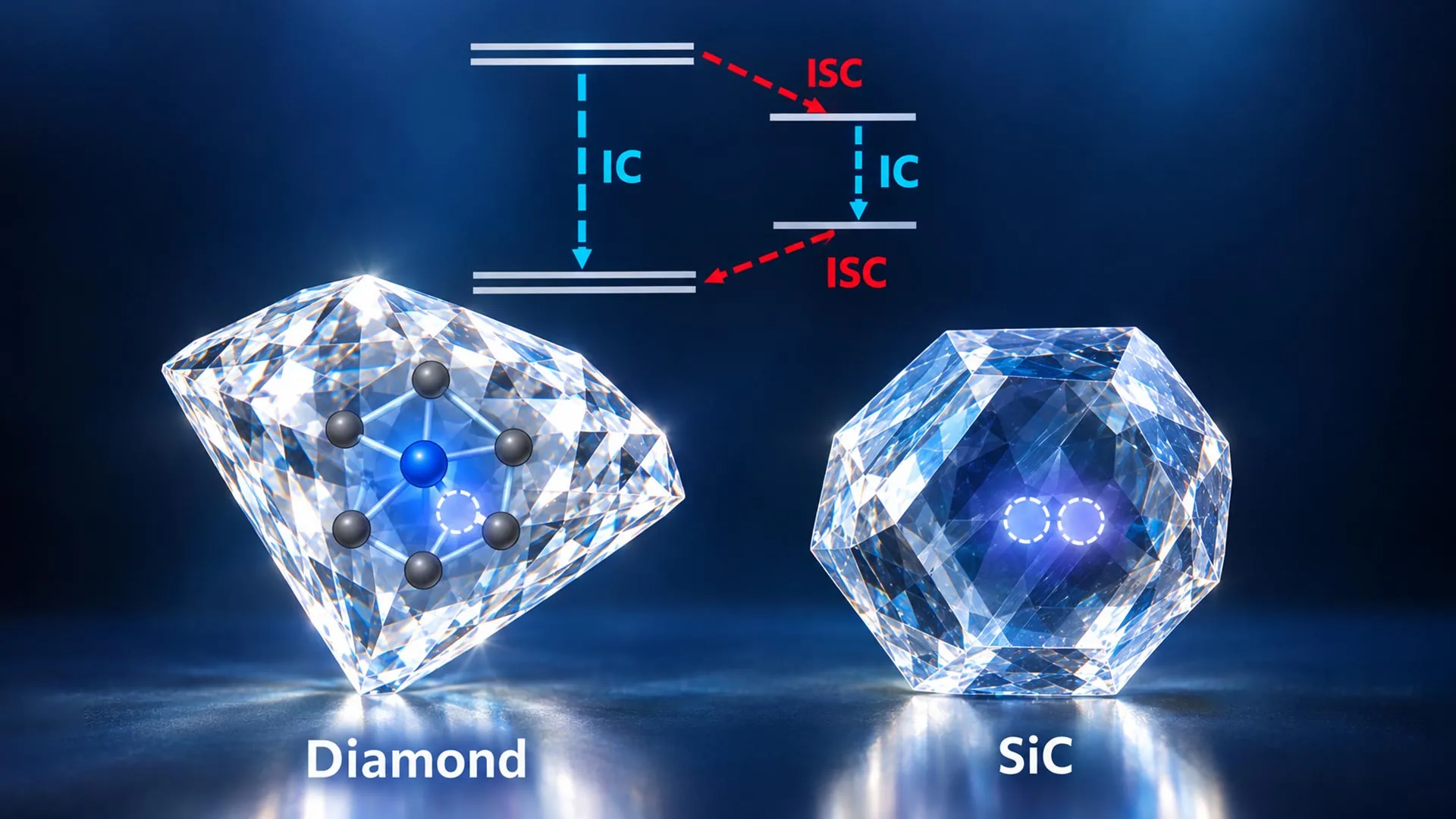
Researchers have solved a long-standing challenge in understanding how tiny defects in materials like diamond and silicon carbide behave when exposed to light. Their new computational method revealed a surprisingly important energy-loss mechanism in silicon carbide that scientists had previously underestimated. The finding helps explain a mystery that has puzzled researchers for years and could improve the design of quantum computers and sensors.
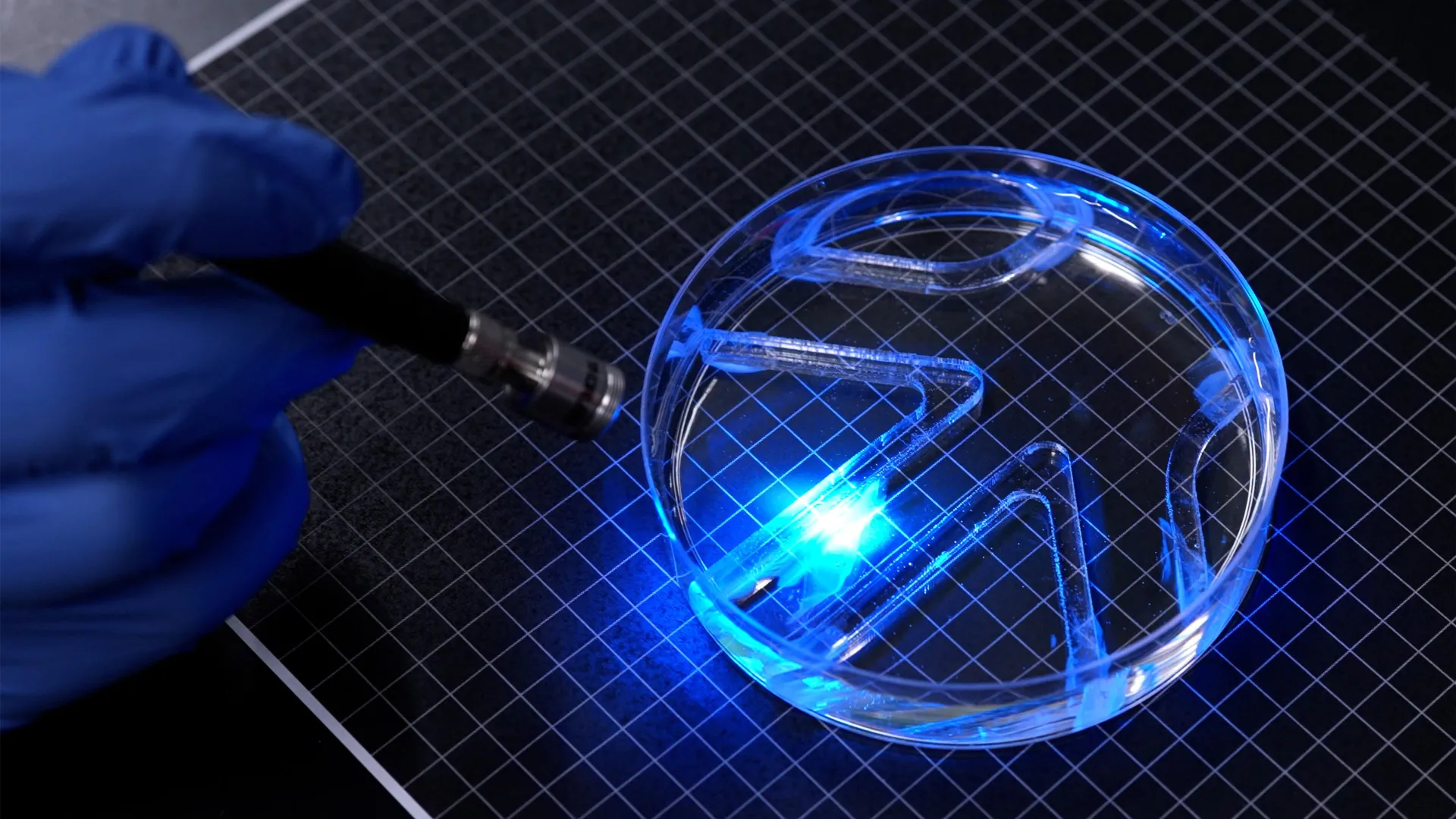
MIT engineers have built a paper-thin swimming robot powered by living muscle cells that respond to flashes of light, allowing it to swim and steer through water. The breakthrough could pave the way for tiny, self-healing biological robots capable of exploring fragile environments that ordinary machines cannot safely navigate.
Hungary, a small country in central Europe, has played a major part in the movie business since the late 19th century.
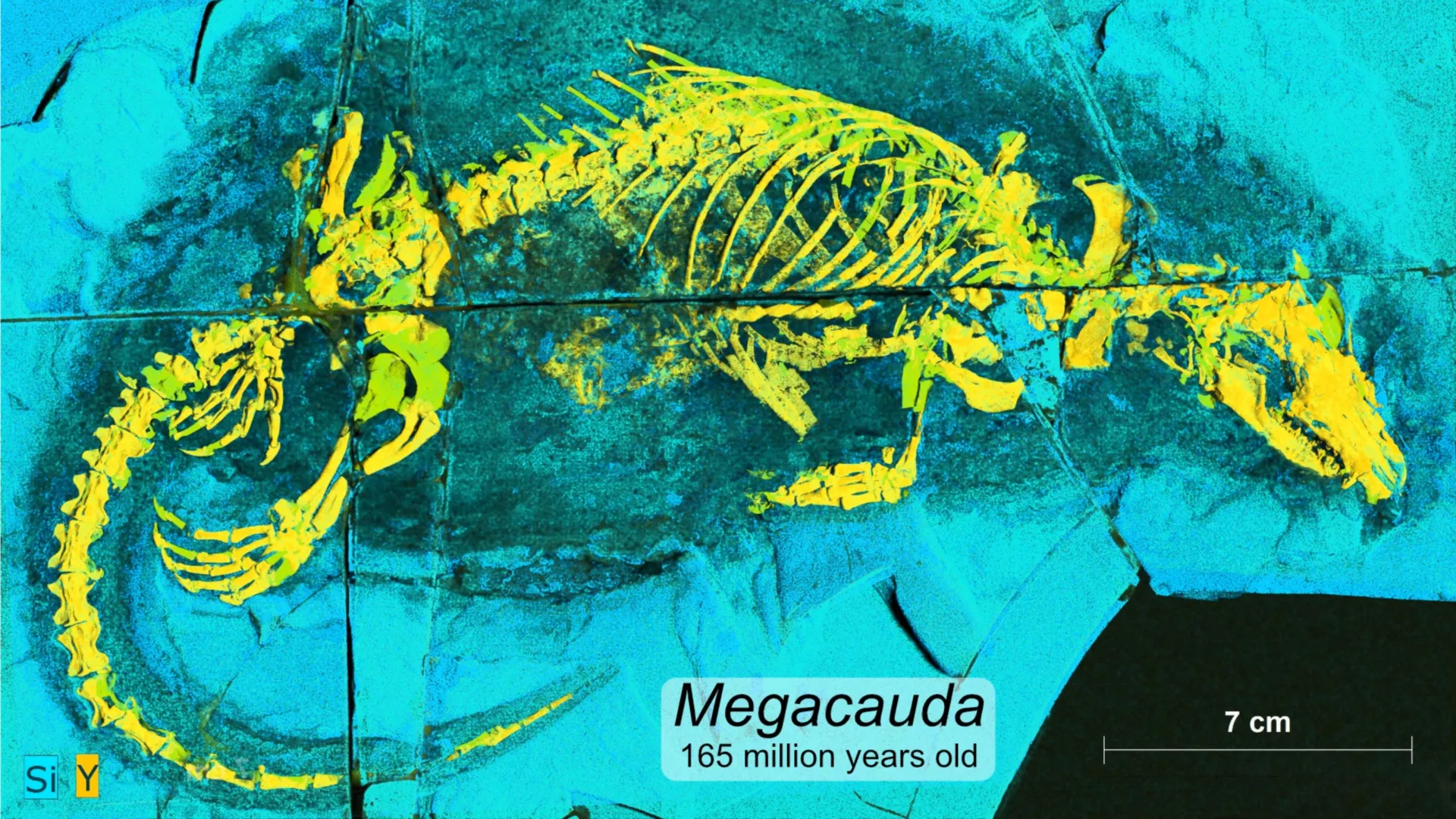
A 165-million-year-old fossil has revealed an extraordinary Jurassic predator that may help explain how mammals developed one of their most important evolutionary advantages. Although only 20 inches long, Megacauda sungei was a heavyweight among early mammal relatives, swimming through ancient waterways and hunting prey with specialized teeth. Its advanced swallowing anatomy reveals an early step toward the ability to safely nurse on milk, a key development in mammalian evolution.
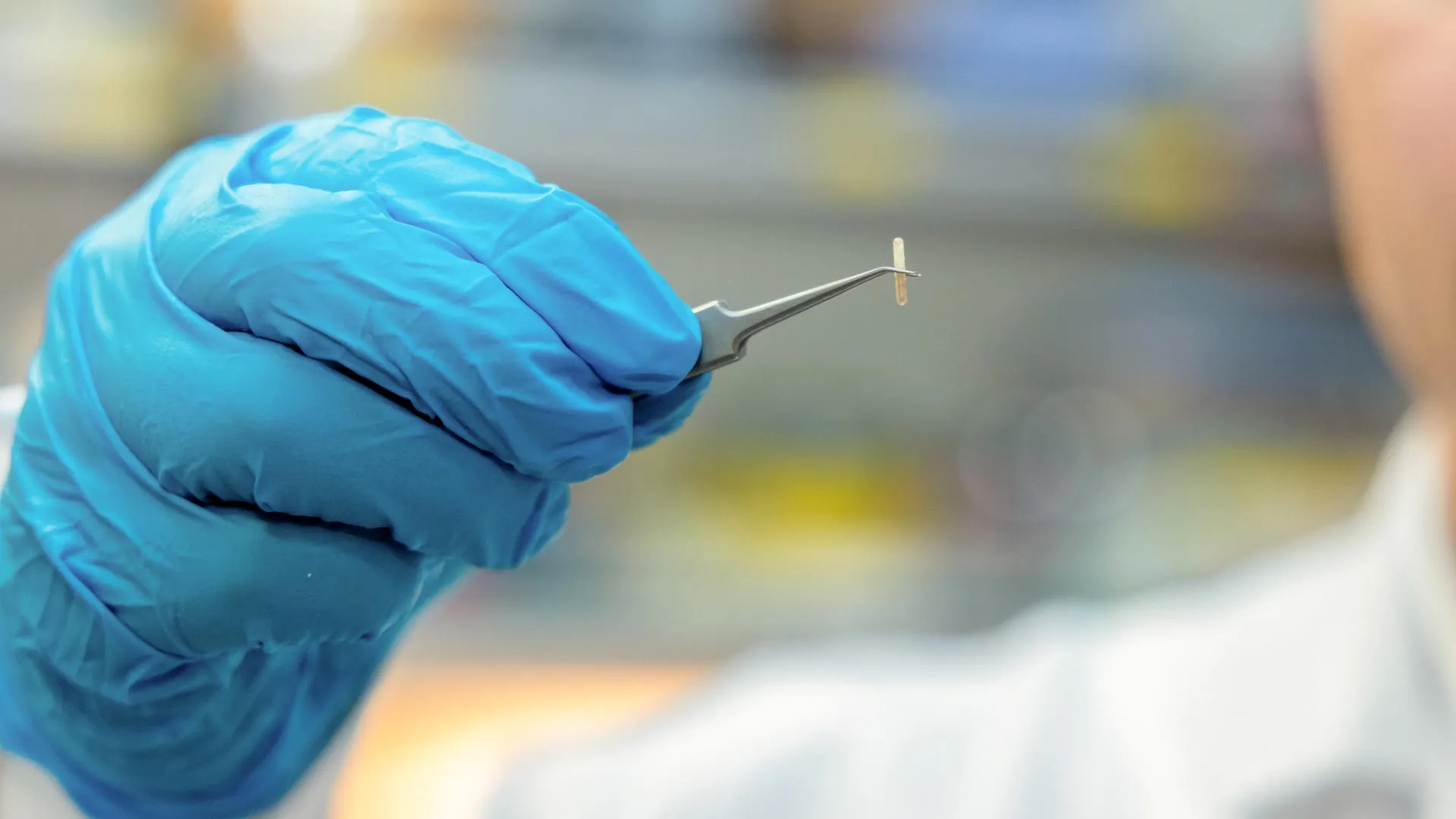
Scientists have developed a tiny, injectable device that can control nerve activity without surgery, batteries, or wires, potentially transforming treatment for chronic pain and movement disorders. Powered wirelessly from outside the body, the seed-sized technology has shown promising results in early testing.
Tiny magnetic fields created shortly after the Big Bang may help explain the long-running disagreement over how fast the universe is expanding. Detailed simulations show that these primordial fields could have changed the formation of hydrogen in the early universe, affecting the cosmic microwave background and the expansion rate inferred from it.
Scientists may have found a clue to one of the biggest mysteries surrounding the origin of life: how fragile RNA molecules could gather and survive before cells existed. New research shows that RNA is unusually good at assembling into tiny liquid-like droplets that concentrate molecules and can harden into protective, gel-like structures. Remarkably, much of this behavior may come down to a single oxygen-containing chemical group that RNA has but DNA lacks.
Dr Ning Xu denies he broke the rules of Nikon's annual Small World In Motion contest.
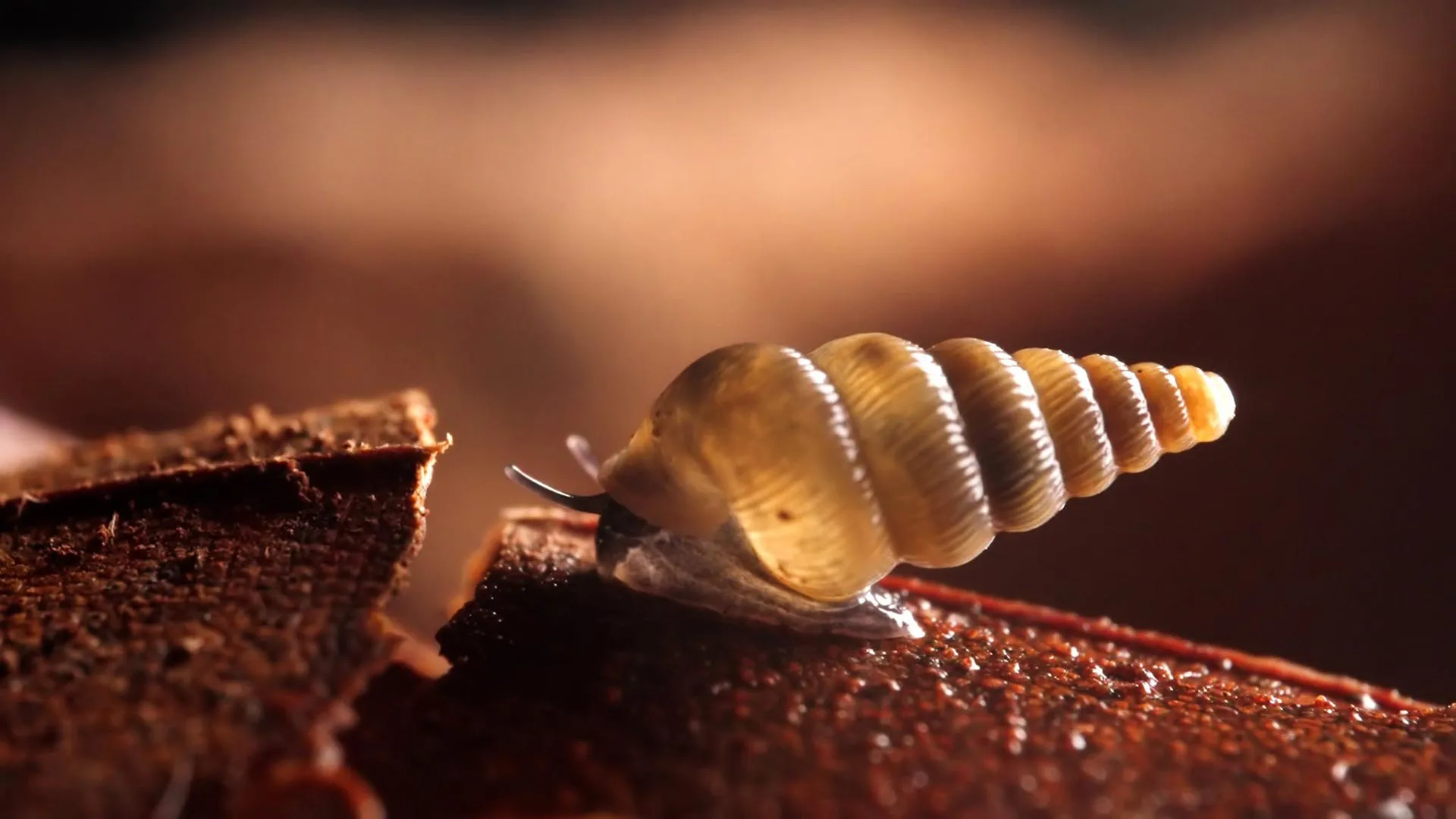
Scientists discovered two tiny new snail species in Montenegro, showing that even Europe still holds animals unknown to science. One lives in the threatened Komarnica Canyon, where a proposed hydropower reservoir could destroy habitat before its full biodiversity is understood.
A new AI control system lets MIT’s tiny flying robot move with insect-like agility, boosting its speed by about 450 percent and allowing it to pull off 10 somersaults in 11 seconds. The technology could eventually enable miniature robots to search earthquake rubble and navigate dangerous spaces that conventional drones cannot reach.
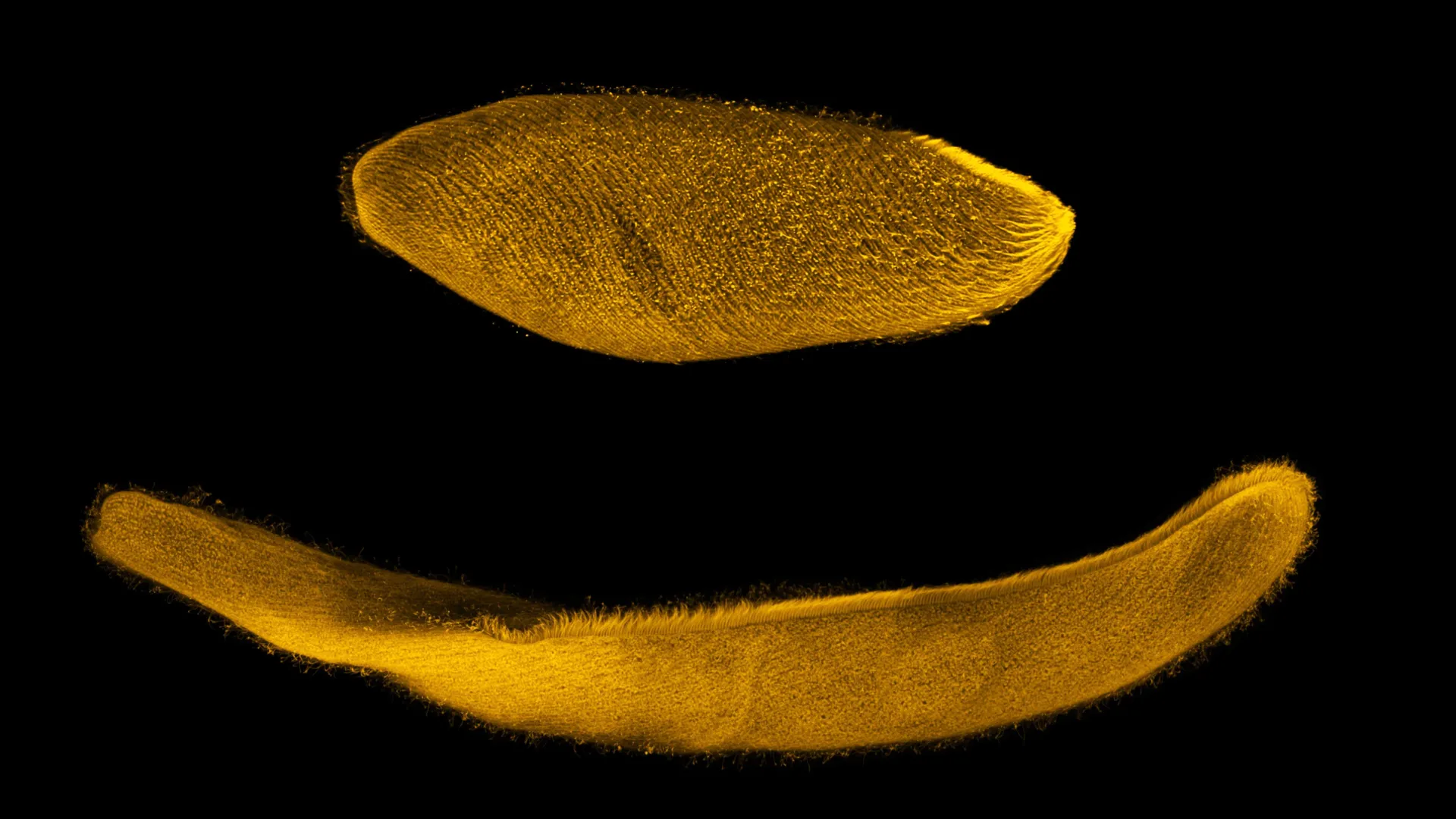
A single-celled organism can shrink to one-quarter of its length in milliseconds using a remarkable calcium-powered protein “fishnet.” Scientists hope its unusual machinery could inspire artificial muscles capable of moving far faster than today’s designs.
A newly discovered communication system in the microscopic “antennae” of cells may help explain how some congenital heart defects develop. When genetic mutations disrupt this system, the effects may extend beyond the heart to organs including the brain, kidneys, and skeleton.