Science
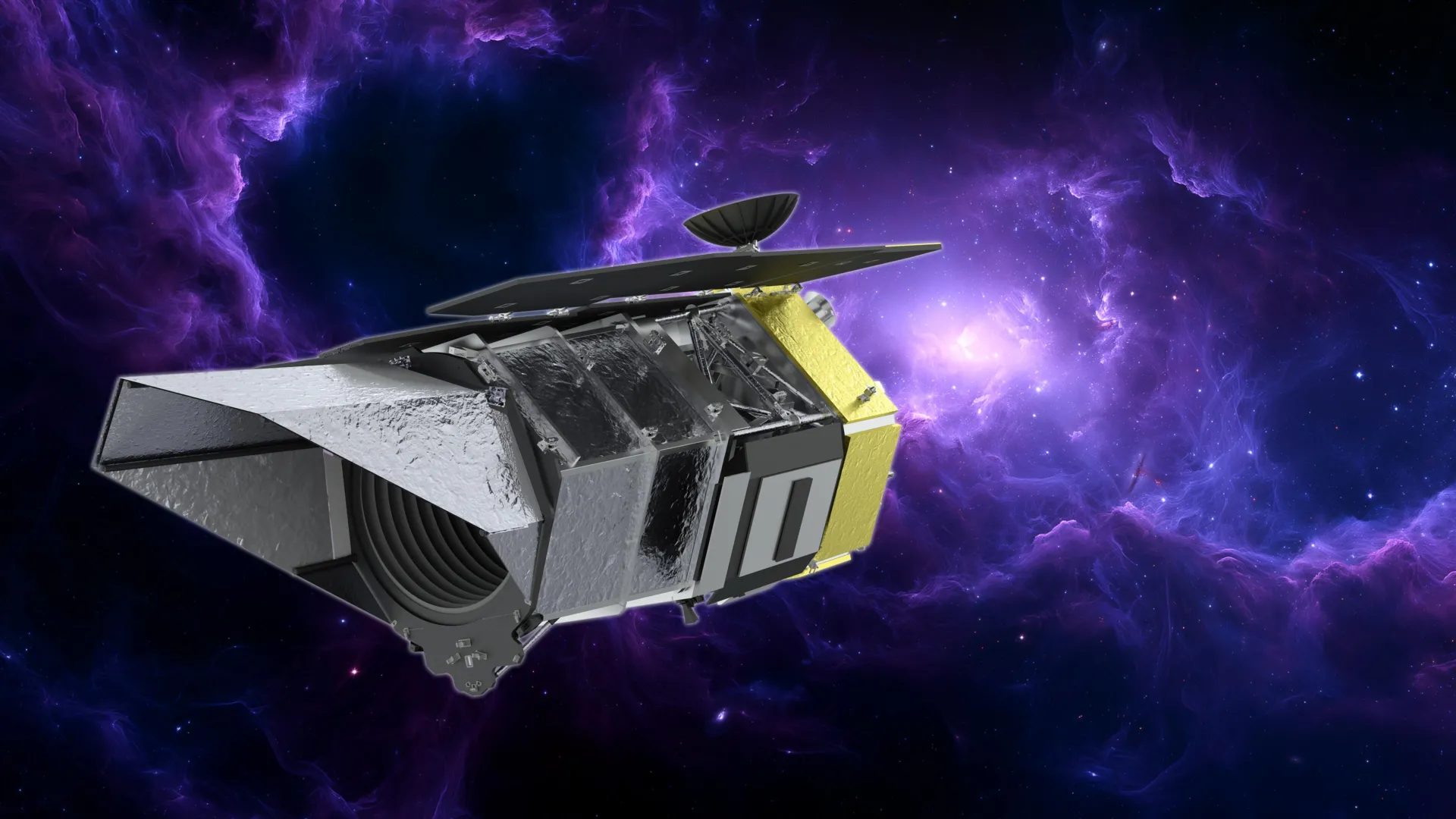
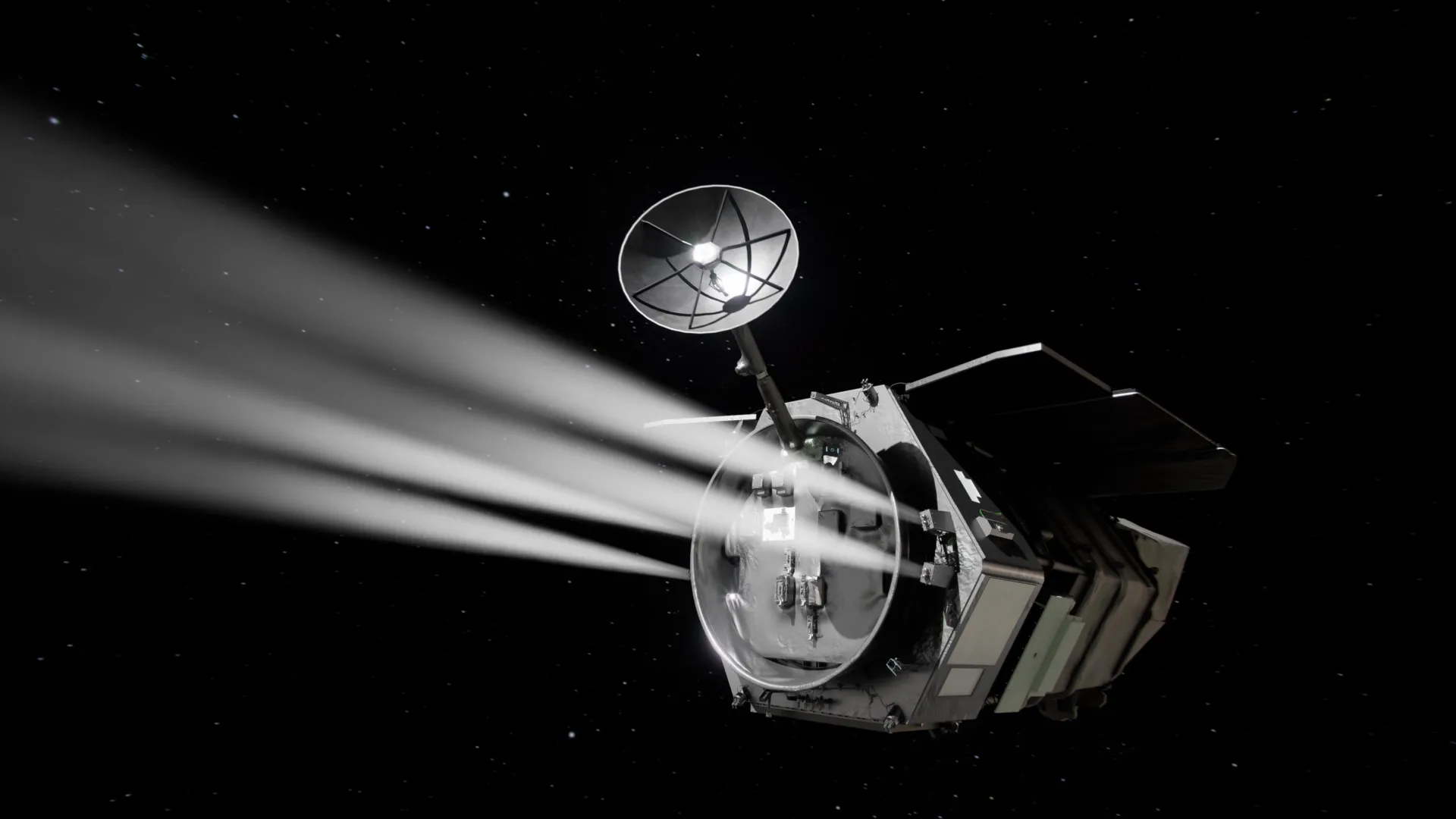
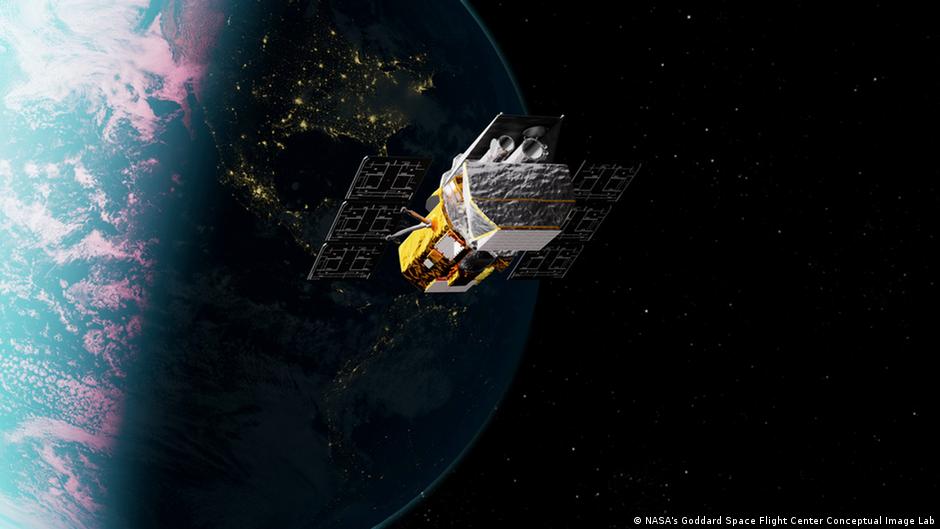
NASA's Swift space telescope plunges back to Earth in fiery demise
NASA's Swift orbital observatory fell back to Earth after running its mission for more than two decades. A rescue attempt to raise its sinking orbit had earlier failed.
International news in seven languages
Topic
NASA's Swift orbital observatory fell back to Earth after running its mission for more than two decades. A rescue attempt to raise its sinking orbit had earlier failed.
Intricate structures within the Cat’s Head Nebula are illuminated in this mid-infrared view from NASA’s James Webb Space Telescope released on Oct. 29, 2026. The distinctive “cat’s head” shape of the nebula was likely sculpted over time by the intense ultraviolet radiation and winds from massive stars in the Carina Nebula. As this stellar feedback […]
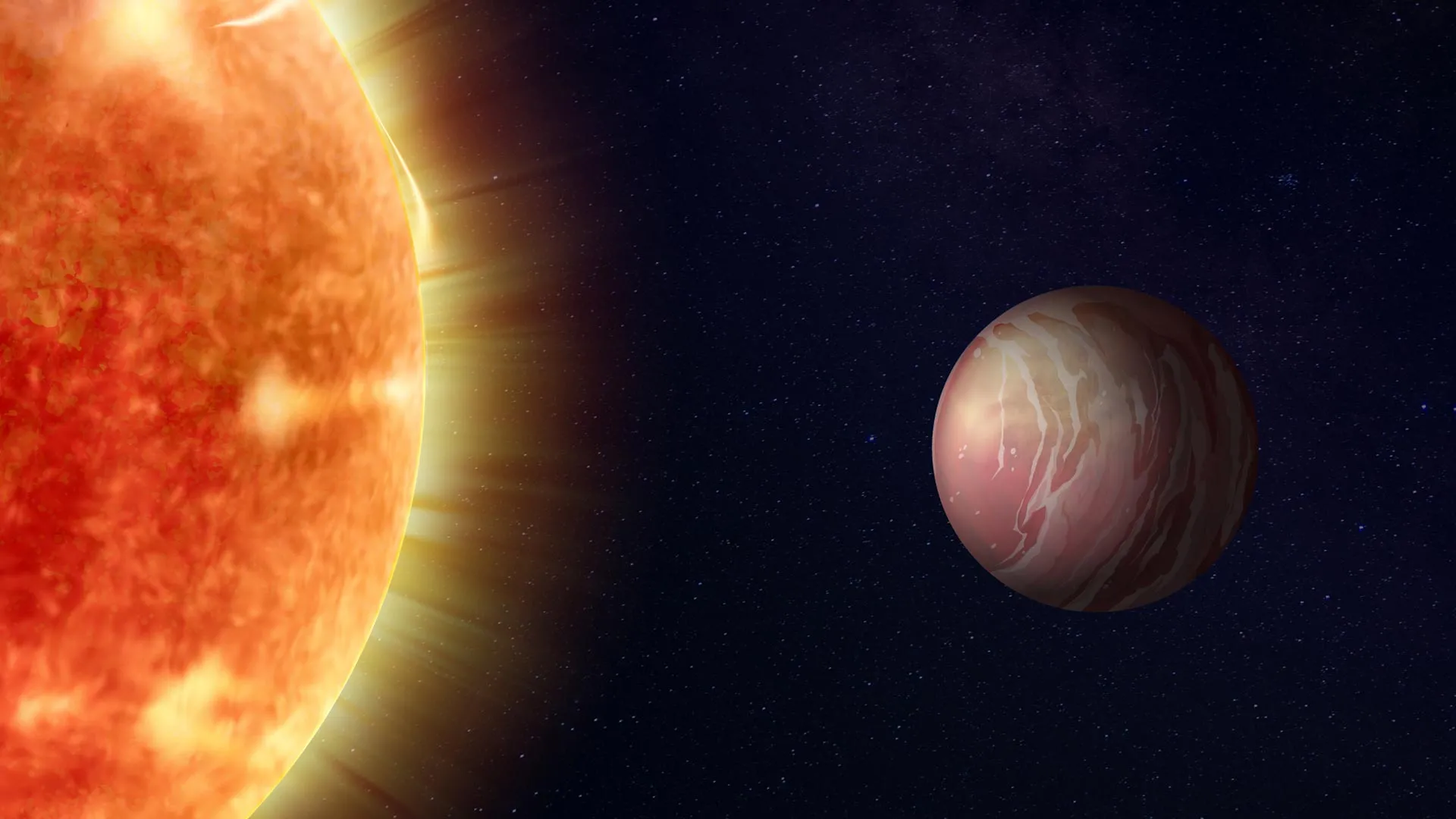
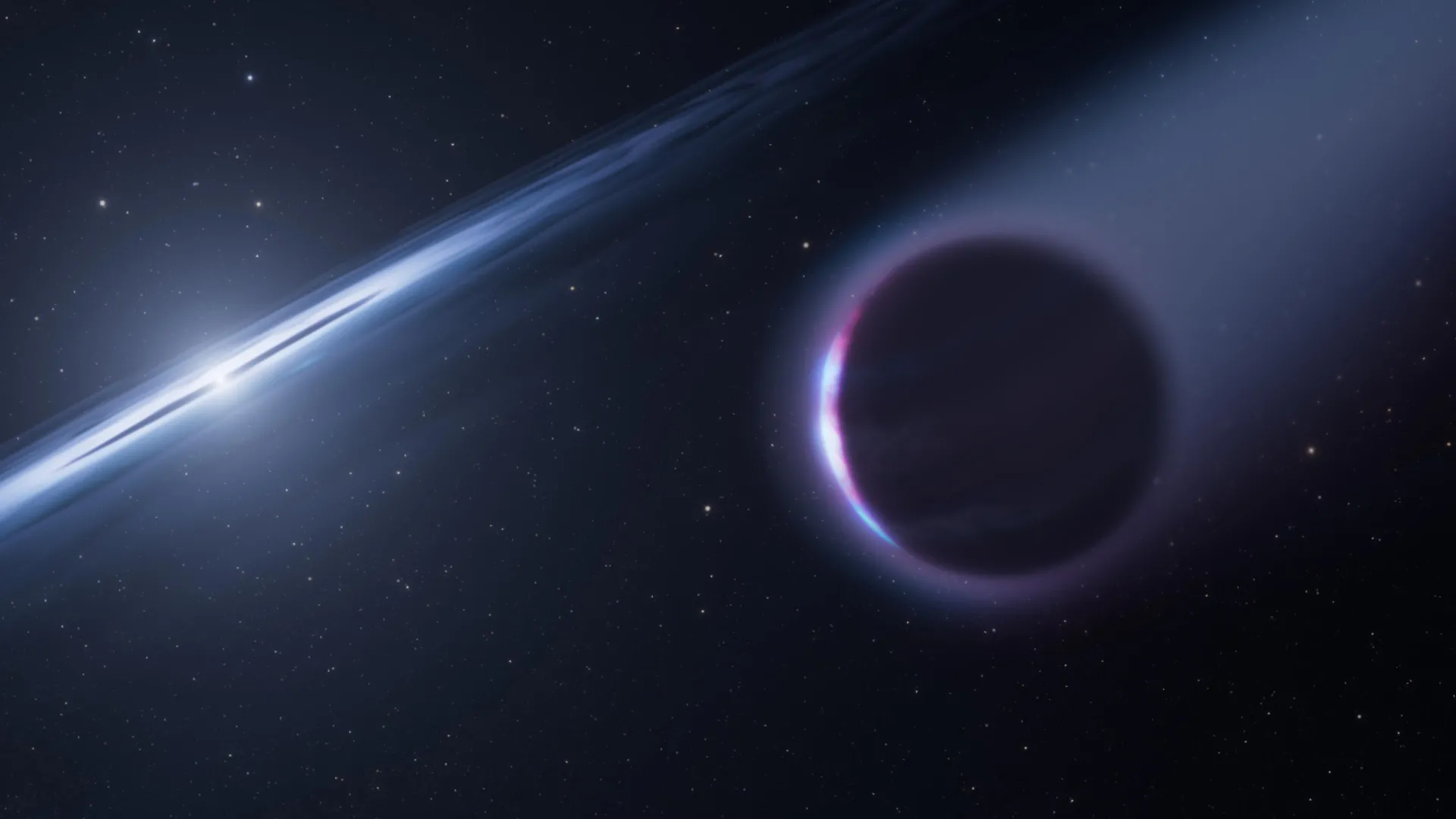
A scorching lava planet 280 light-years away has surprised astronomers by apparently maintaining a thick atmosphere despite conditions that should have stripped it away billions of years ago. James Webb Space Telescope observations suggest that TOI-561 b reflects about 75% of incoming starlight, possibly because of mineral clouds that act like a giant sunscreen. The planet may also be continually replenishing its atmosphere through gases released from a global ocean of molten rock.
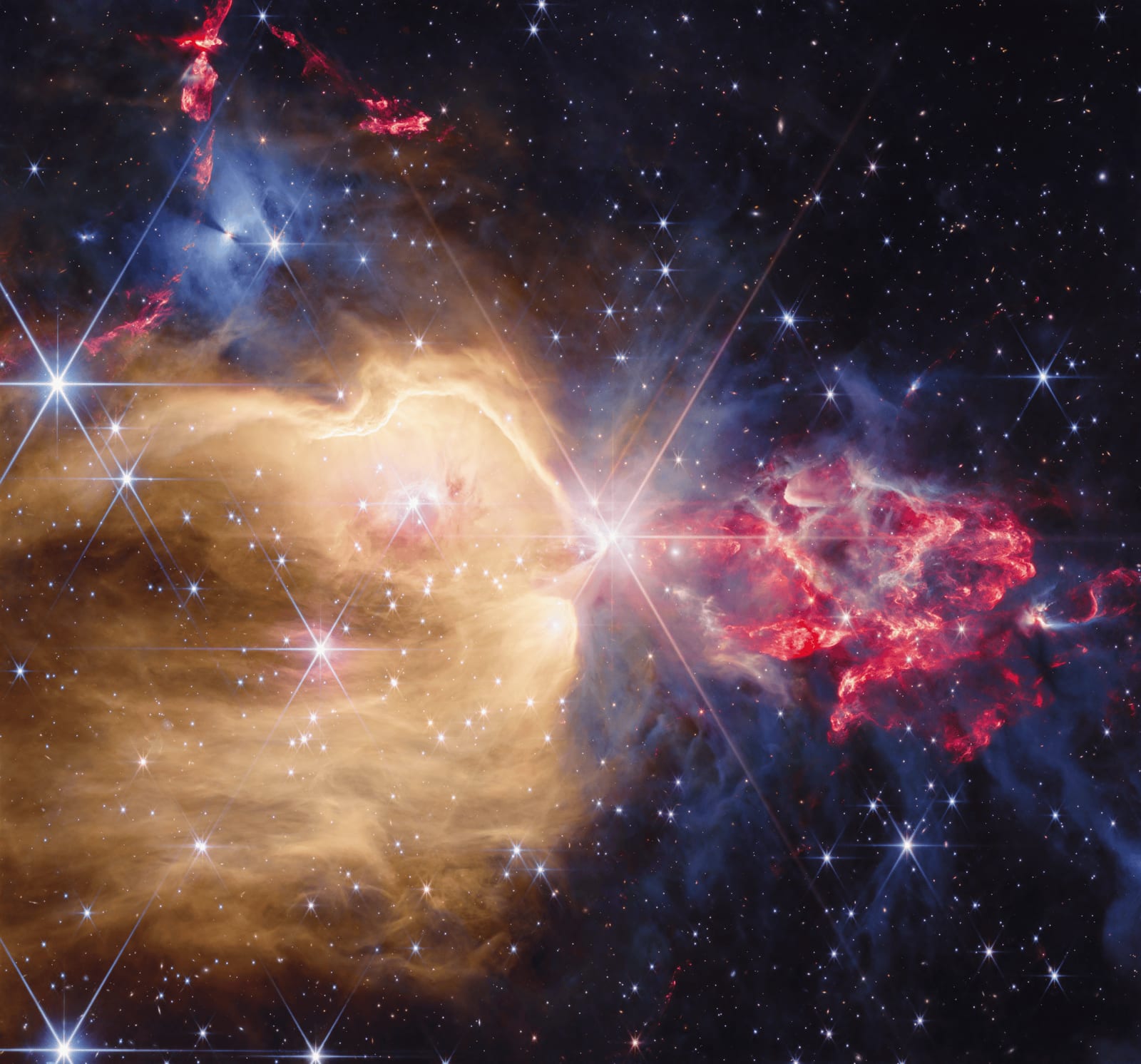
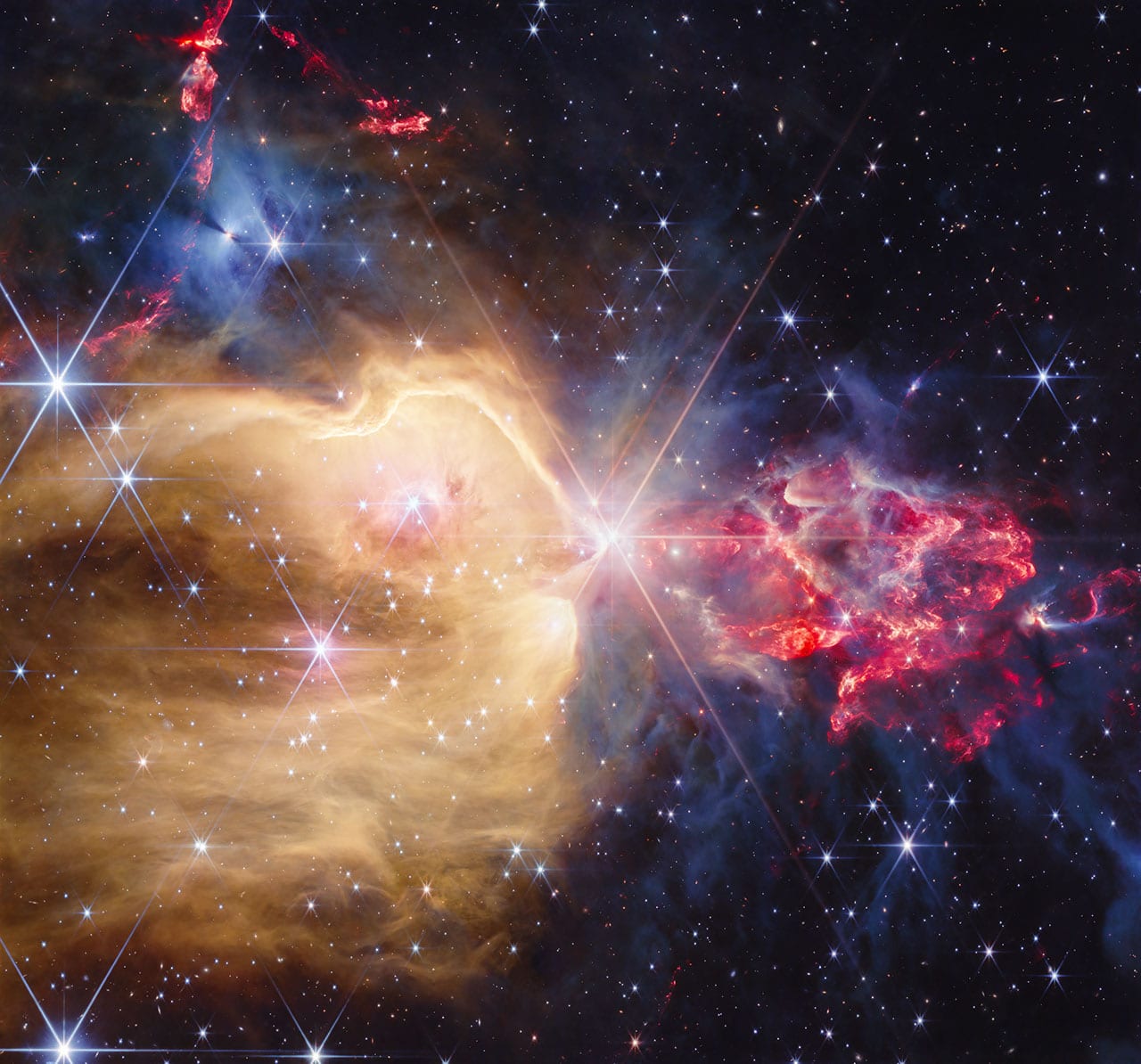
An image from NASA’s James Webb Space Telescope released on Oct. 6, 2026, reveals a cauldron of cosmic creation. Webb has unveiled numerous stars formerly hidden by clouds of dust in a stellar nursery known as NGC 7129, which resides about 3,300 light-years from Earth. Learn more about this region – and tour it in […]
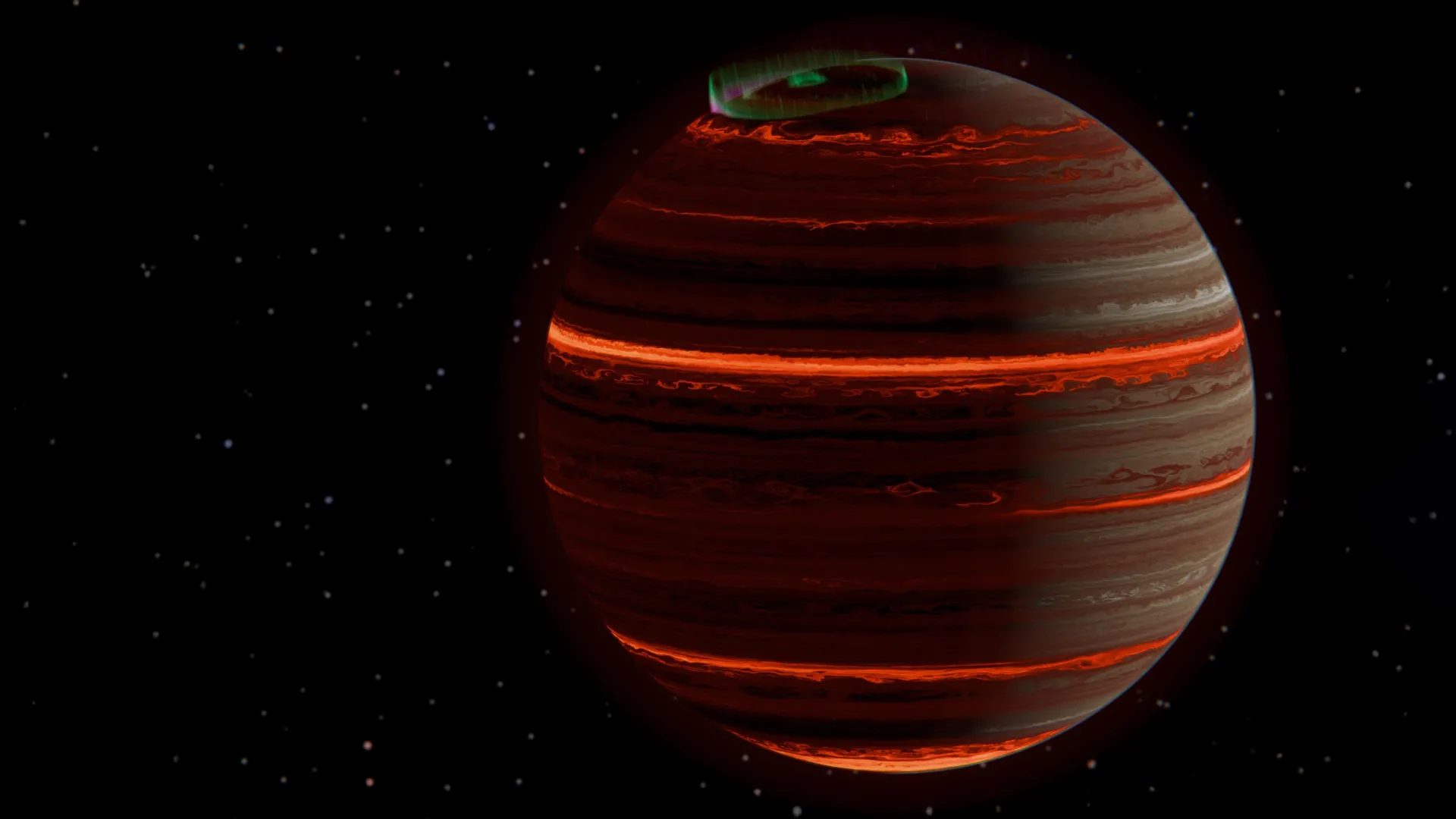
NASA’s James Webb Space Telescope has revealed that a turbulent world 20 light-years away has a surprisingly orderly weather system, with three recurring atmospheric states driven by temperature changes and shifting clouds. The breakthrough gives scientists a powerful new tool for uncovering weather patterns on distant worlds and understanding the conditions that shape their atmospheres.
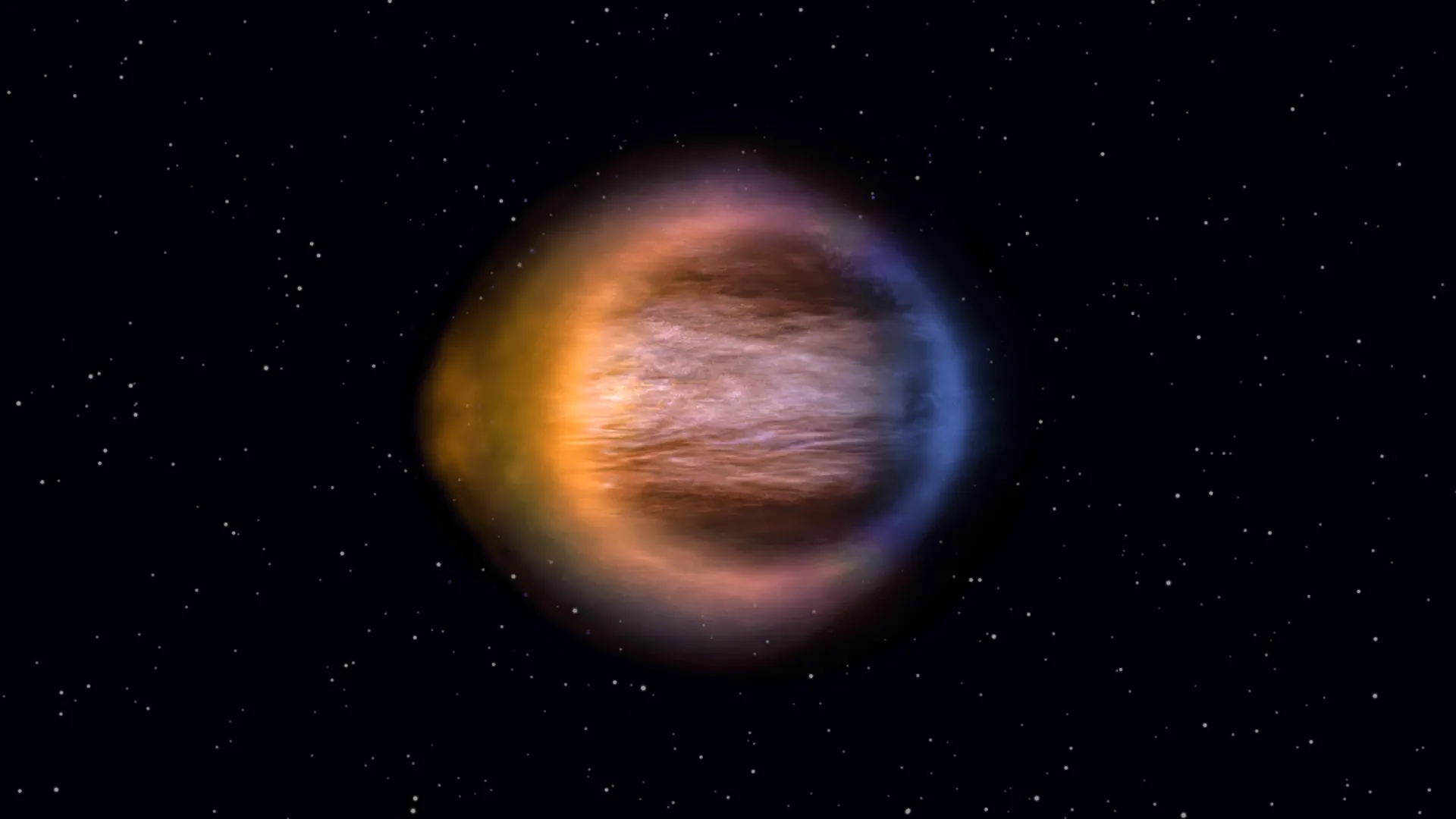
Astronomers using the James Webb Space Telescope have discovered that a distant alien planet's atmosphere is surprisingly lopsided. Located 1,300 light-years away, the scorching gas giant WASP-17b experiences powerful winds that redistribute heat, causing one side of its atmosphere to bulge outward. A groundbreaking new mapping technique revealed these hidden distortions, confirming predictions about how extreme temperatures and winds shape alien worlds.
NASA’s Nancy Grace Roman Space Telescope has exceeded expectations after engineers made incredibly tiny adjustments to sharpen its view of the universe. By moving a mirror just one-sixteenth the width of a human hair, the team helped bring its powerful instruments into near-perfect alignment. Roman’s Wide Field Instrument now produces image quality nearly 30% better than predicted, promising exceptionally sharp cosmic surveys.
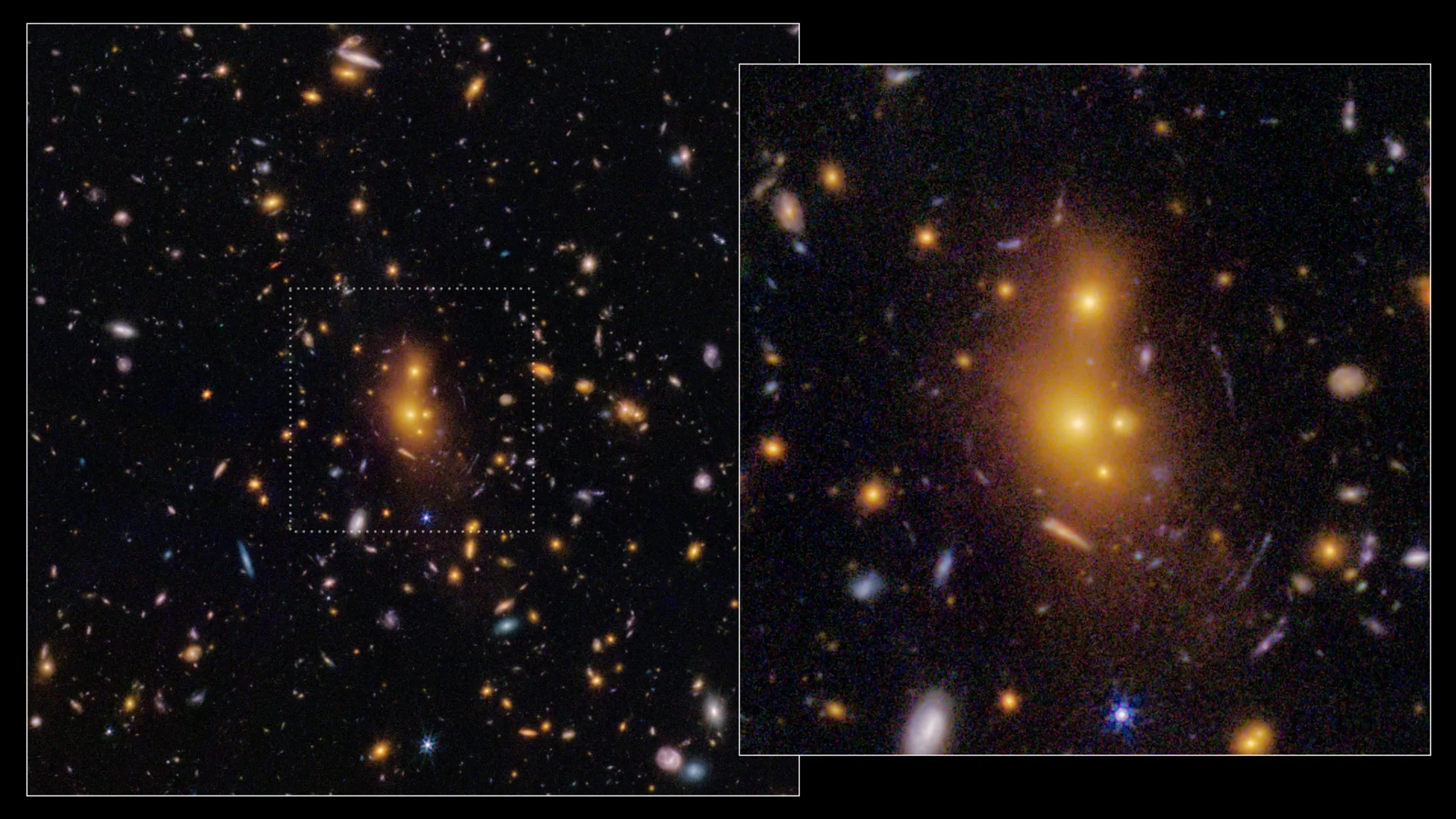
NASA’s James Webb Space Telescope has revealed an ancient galaxy cluster with an unexpectedly dense concentration of dark matter, challenging theories about how the universe developed. The discovery also uncovered a surprising connection between scattered starlight and invisible dark matter that could transform how astronomers study the early cosmos.
A strange chemical signature in old Hubble observations may point to a planet that formed after its star had already died. Astronomers found unusually high levels of niobium around the white dwarf HS 0209+0832, suggesting some of the star’s expelled material may have assembled into a new gas giant. TESS data also hints at a Jupiter-sized planet orbiting just 3.7 million miles from the star.
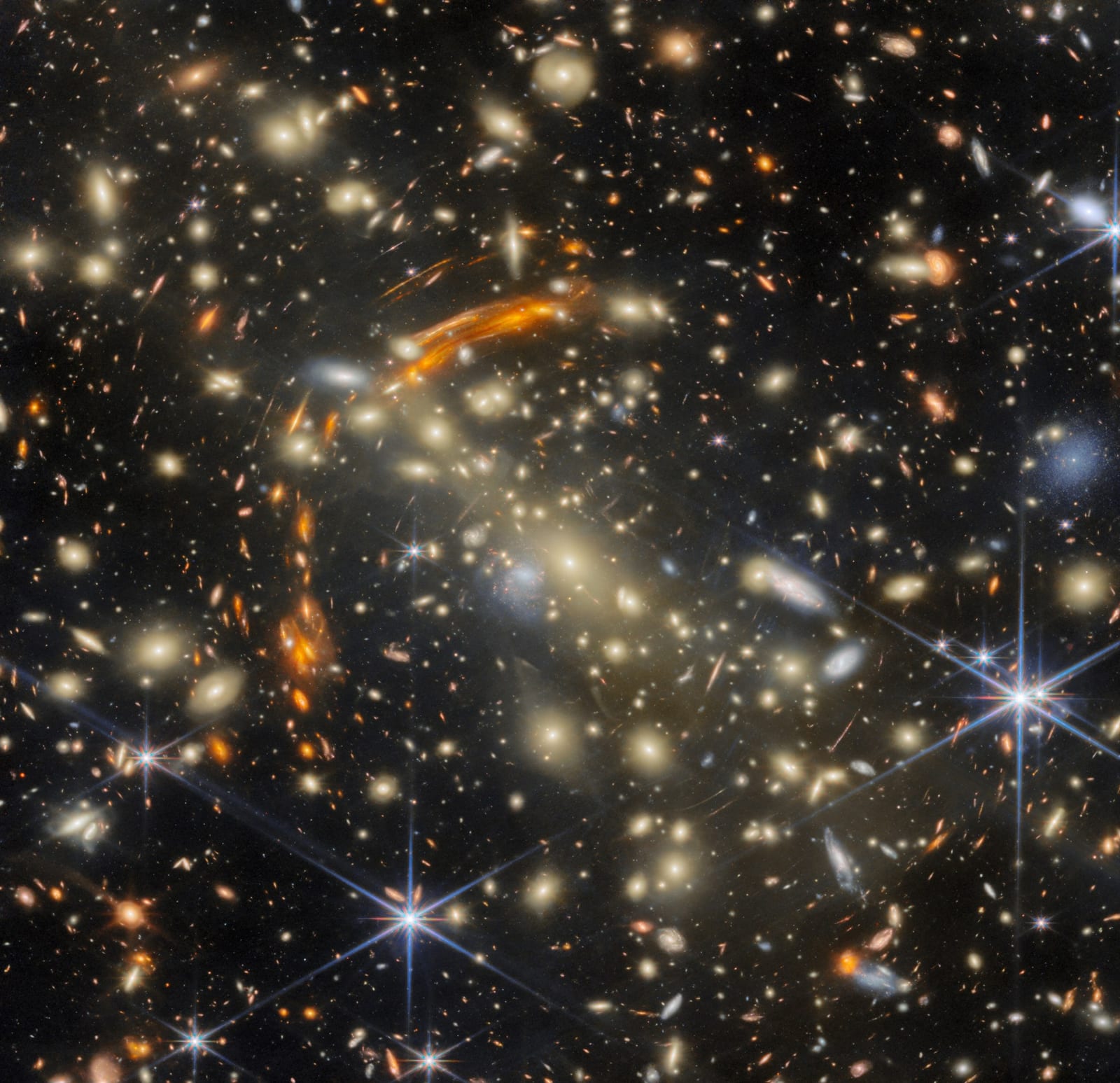
Galaxies warp and multiply as if in a house of mirrors in this image from NASA’s James Webb Space Telescope released on Sept. 29, 2026. The brilliant golden galaxies seen here are part of a galaxy cluster called MACS J0454.1-0300. The orange galaxies bunched together on one side of the image, however, are not actually […]
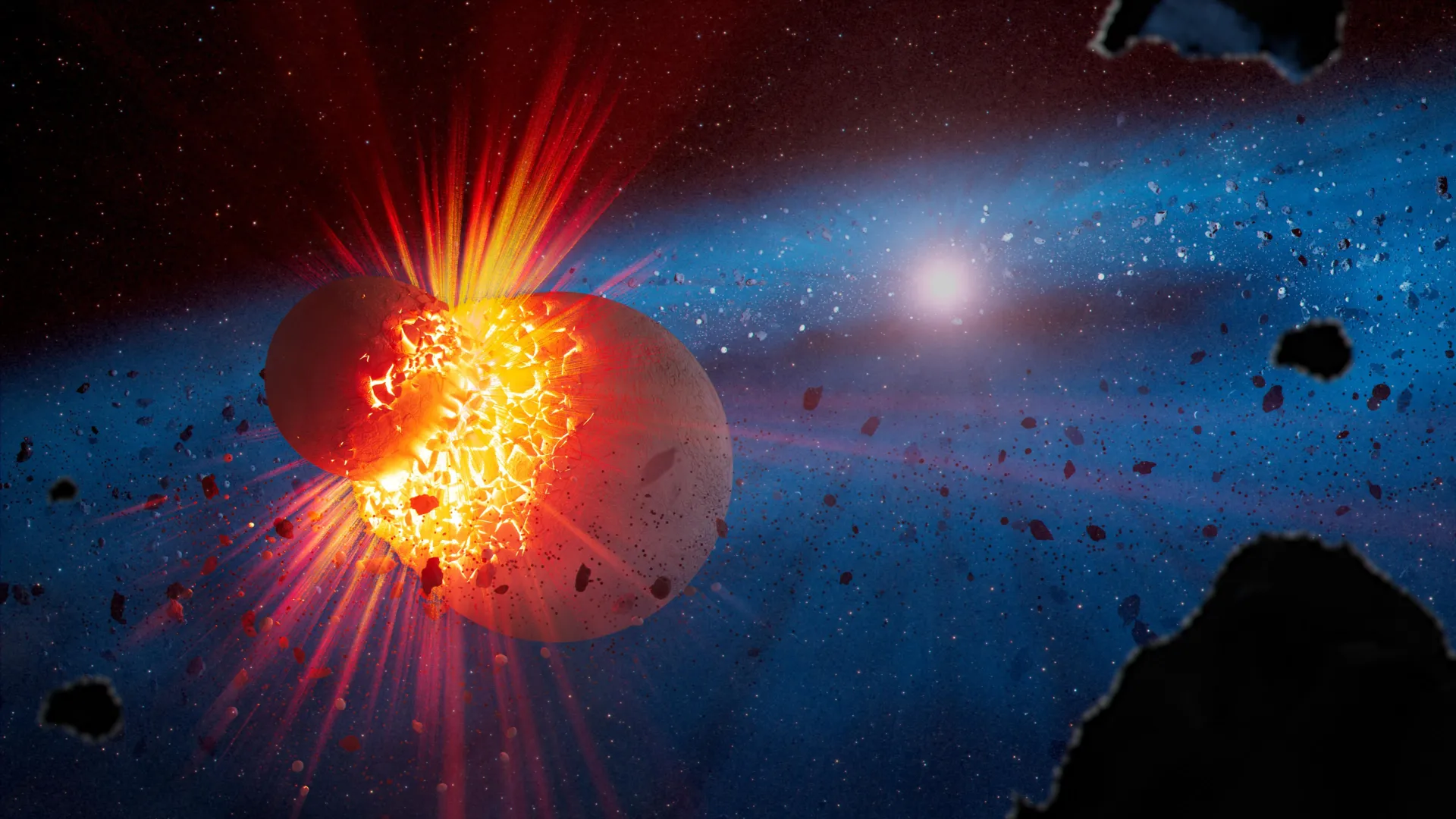
NASA’s James Webb Space Telescope is giving astronomers a glimpse of the kinds of violent collisions that may have shaped our own solar system, including the giant impact thought to have created the Moon. By studying 21 rare “extreme debris disks” around young stars, researchers found that their dust can reveal the scale and intensity of planetary collisions.
A cauldron of cosmic creation is being revealed in a new image from NASA’s James Webb Space Telescope. Webb has unveiled numerous stars formerly hidden by clouds of dust in a stellar nursery known as NGC 7129, which resides about 3,300 light-years from Earth. Stars, the engines of elemental creation, have life cycles that begin […]
Belgian physicist Prof Francis Halzen has won for his pioneering work on an observatory that detects particles from space.
NASA’s Roman Space Telescope has demonstrated remarkable pointing stability and given its powerful planet-imaging coronagraph its first look at the cosmos. The telescope can already stay locked on a target with precision comparable to aiming a laser at a dime from about 150 miles away. Its coronagraph also captured stars in the Large Magellanic Cloud, confirming that the instrument can produce focused images.
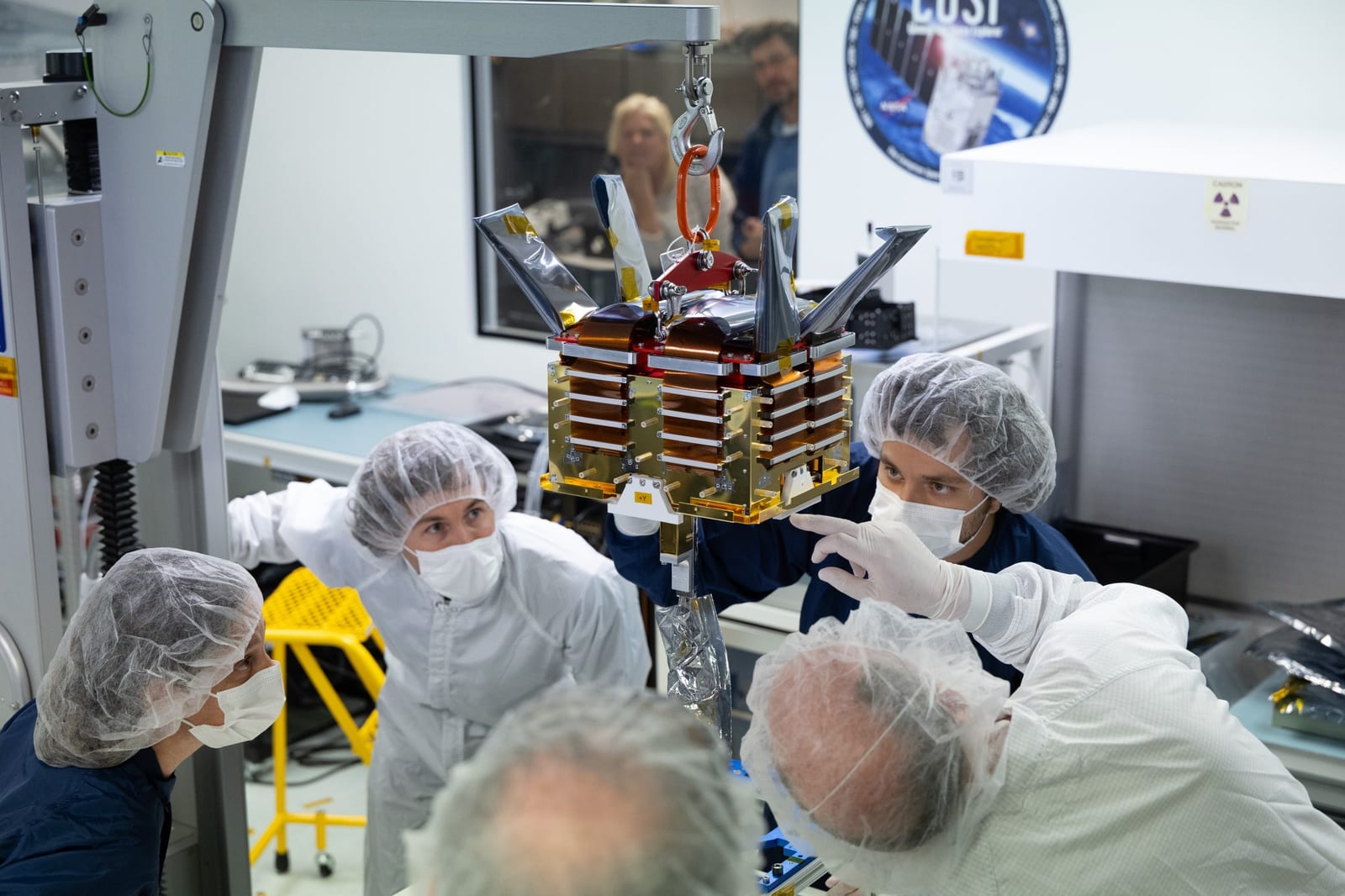
UC Berkeley engineers and managers watch as the COSI (Compton Spectrometer and Imager) detector assembly is slowly raised from a table in this July 8, 2026, image. The four pieces of silver material on the top of the detector box cover the flex circuits, which carry signals from the detectors to the readout electronics. COSI […]
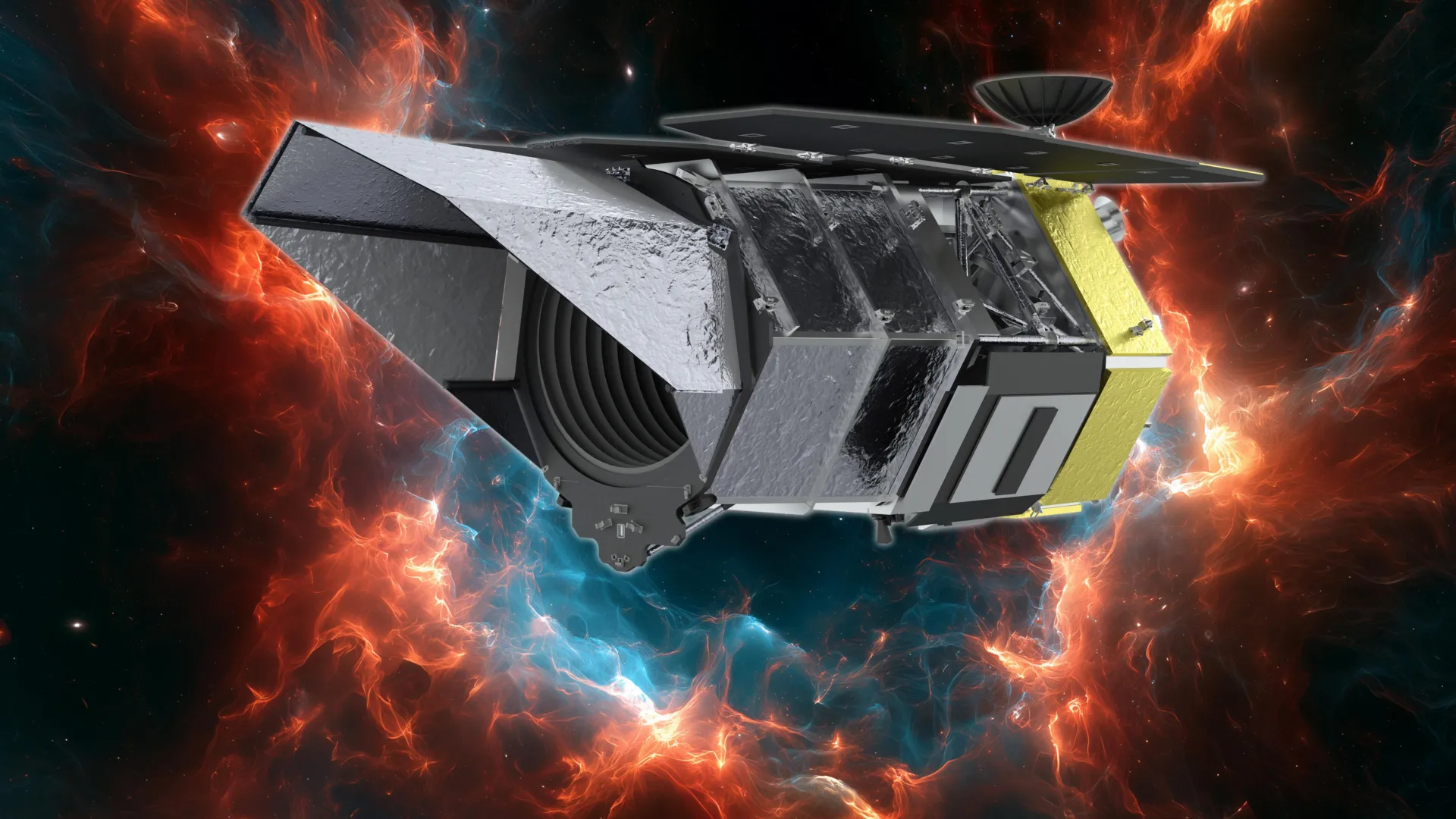
NASA’s Roman Space Telescope may now have enough fuel for at least 22 years of science, more than double its original 10 year design life. An extremely precise course correction, extra fuel at launch, and additional expected savings could keep the powerful observatory studying the universe for decades.