Advertisement
Advertisement

Topic

study

Health

Massive study of 460,000 people challenges ultra-processed food cancer fears

A massive study of more than 460,000 Americans found that ultra-processed foods were not associated with increased colorectal cancer risk overall, challenging a widely held assumption. While processed meat was linked to higher cancer incidence, ultra-processed whole grains and dairy products were associated with lower incidence.


Health

Case study: Pilot implementation in Nigeria and Zambia, SBI COVID-19 data collection tool

An effective response to the coronavirus (COVID-19) pandemic requires the understanding and use of social and behavioural data alongside biomedical data. Recognizing this need, the Behavioural Insights and Sciences Unit of the World Health Organization (WHO) and the WHO Regional Office for Africa (AFRO) designed a survey tool tailored to Africa, to make it easier for countries to collect context-specific social and behavioural data. The objective was to inform the COVID-19 response at the country level while also allowing regional comparisons. This case study describes how the tool was adapted

Science

A 24-year study uncovers a surprising climate benefit beneath forests

Scientists have discovered that some forest soils are becoming surprisingly better at removing methane from the atmosphere as temperatures rise and rainfall declines. A study spanning up to 24 years found methane absorption increasing by an average of 3% annually, challenging previous predictions about climate change's effects on forests.

Science

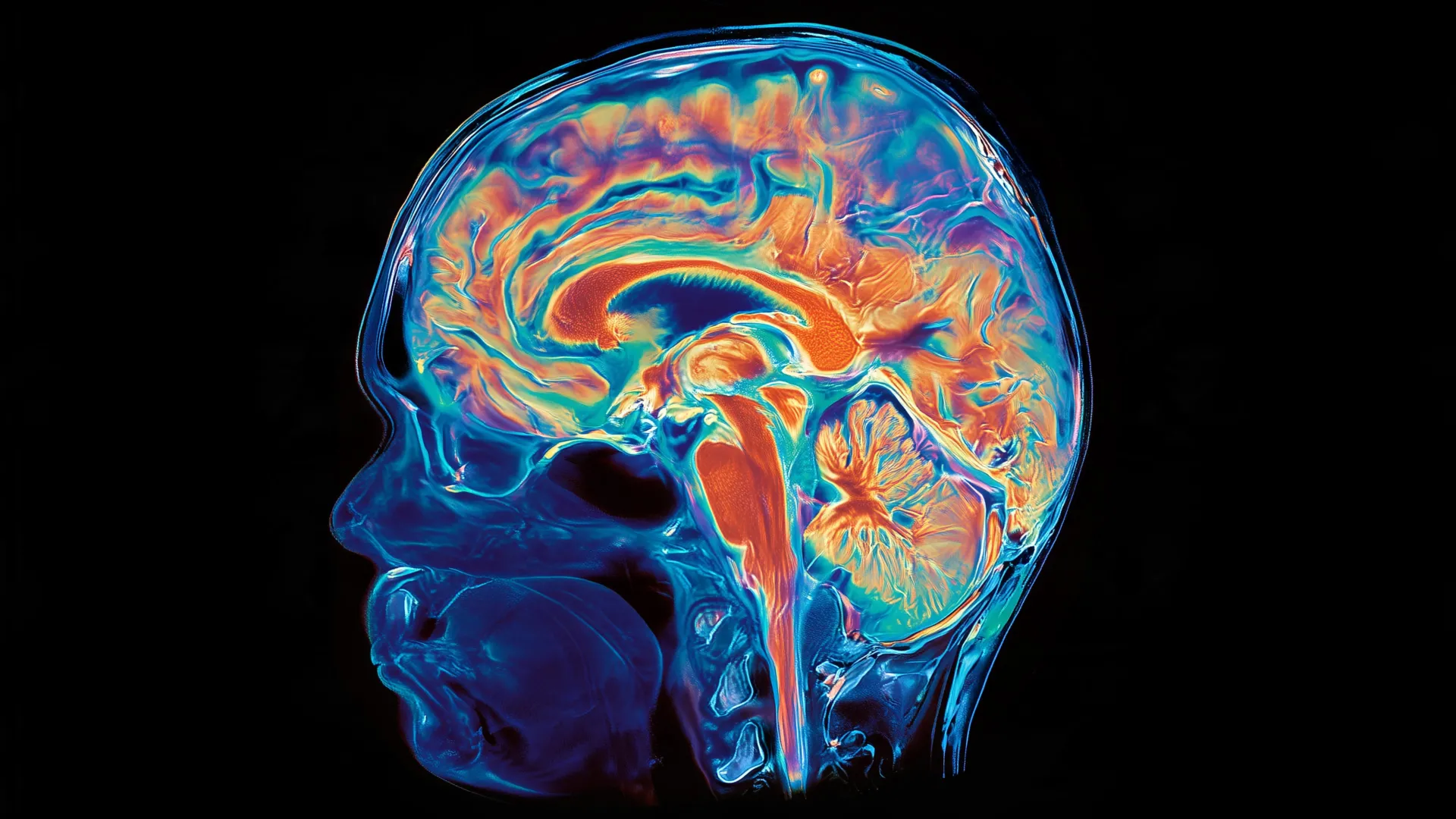
Rare study reveals a striking divide inside an Alzheimer’s patient’s brain

A rare examination of an Alzheimer’s patient’s brain revealed that regions cleared of amyloid plaques had remarkably little of the harmful tau buildup associated with memory loss, while neighboring areas showed extensive damage. The discovery suggests that removing amyloid may have lasting protective effects and could help slow Alzheimer’s progression, especially when treatment begins early.

Science

A 47-year study reveals the age when your body starts losing strength

A 47-year study has uncovered a surprising turning point in physical aging: fitness and strength begin declining around age 35, even among people who exercise regularly. Researchers found that this decline accelerates as people get older, but starting to exercise in adulthood can still improve physical performance.

Health

Diabetes study finds keeping blood sugar too steady may come at a price

People with diabetes reported better quality of life after days when their glucose stayed largely within a healthy range, even when levels fluctuated more than usual. The unexpected finding suggests that pursuing extremely tight glucose control may sometimes come with a hidden lifestyle burden.

Science

NASA to Study Human Health, Performance During Crew-13 Mission

During NASA’s SpaceX Crew‑13 mission aboard the International Space Station, astronauts will support a series of biomedical and human performance investigations, including a new collaborative effort to study how spaceflight affects blood flow and clotting. NASA also is testing crew members’ manual piloting skills, evaluating methods to counter vision and brain changes, gathering essential health […]

Advertisement
Science

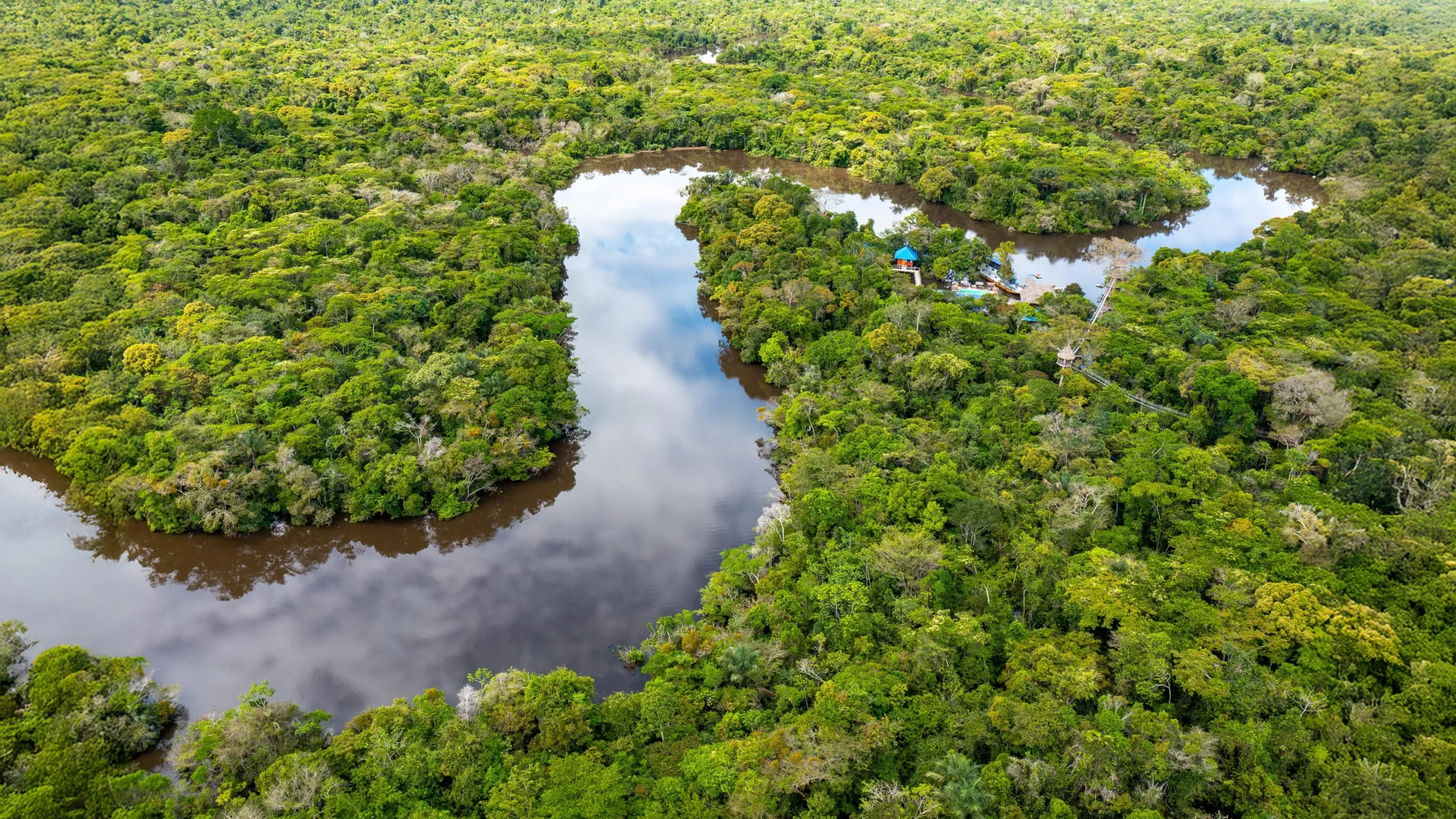
Amazon study reveals the best strategies for protecting biodiversity and carbon

A large Amazon study suggests the most powerful conservation move may be protecting the forests that are already standing. Preventing damage from wildfires and logging delivered the greatest biodiversity benefits and nearly matched deforestation prevention for protecting carbon. Restoration remains important, particularly where forests have already been heavily cleared, but it was more expensive and less effective on its own.

Weather

Weatherwatch: Cleaner clouds may slow rate of global heating

Study shows falling dust levels are making clouds more reflective, an effect not taken into account in climate models Cleaner clouds are helping to slow the rate of global heating, a study shows. Falling levels of dust in the atmosphere are making clouds more reflective. This previously unidentified effect is not being taken into account by current climate models, which may mean they are slightly overestimating the projected rate of global heating. Researchers analysed satellite observations of high clouds in the northern hemisphere and assessed the ratio of ice crystals to liquid droplets ove