Advertisement
Advertisement

Topic

Stanford

Science

AI helps Stanford scientists discover a “natural Ozempic” with a surprising advantage

Stanford researchers have discovered an AI-identified natural molecule that dramatically suppresses appetite and promotes fat loss in animals, potentially offering an Ozempic-like weight-loss treatment without common digestive side effects or significant muscle loss. Called BRP, the molecule reduced food intake by up to 50% and targets a different brain pathway, raising hopes for a more precise obesity treatment if future human trials prove successful.

Entertainment

‘The New Stanford Prison Experiment’ Creators Break Down Its Shocking Finale

SPOILER ALERT: This story contains spoilers from “The New Stanford Prison Experiment,” now streaming on Netflix. “The New Stanford Prison Experiment” ends on a far more hopeful note than Stanford psychology professor Philip Zimbardo’s original 1971 trial. The first iteration of the Stanford prison experiment took 24 white male college students (save one Asian American) […]

Entertainment

Inside ‘The New Stanford Prison Experiment,’ Netflix’s Controversial Reality Series: ‘People Are Going to Have Very Strong Feelings’ (EXCLUSIVE)

It is one of the most notorious social experiments ever conducted, inspiring numerous films, documentaries and psychological studies. In August of 1971, Stanford psychology professor Philip Zimbardo recruited 24 male college students to participate in a study — funded by the U.S. Office of Naval Research — about antisocial behavior and the effects of imprisonment. […]

Health

Stanford’s new microscope reveals living cells like never before

Stanford scientists have developed a revolutionary microscope that reveals the hidden inner workings of living cells in real time, without the fluorescent labels that can interfere with observations. The breakthrough could provide new insights into cancer, infectious diseases, and how drugs interact with cells.

World

Human neurons in the mouse brain: a good idea?

At Stanford University, researchers managed to grow human brain tissue in the brain of genetically modified mice, to occupy more than 90% of the released cortical space. This feat was published in the journal "Nature" on October 8. The objective: to understand the development of the brain and certain neurological diseases.

Health

Stanford scientists turn a cancer driver into a kill switch

A Stanford-designed molecule turns a major lymphoma-promoting protein against cancer cells, activating their own self-destruct machinery instead of simply blocking tumor growth. In mice, the treatment completely eliminated aggressive human lymphoma tumors within 11 days, although much more testing is needed before it could reach patients.

Science

Goodbye joint replacements? Stanford scientists found a way to regrow cartilage and stop arthritis

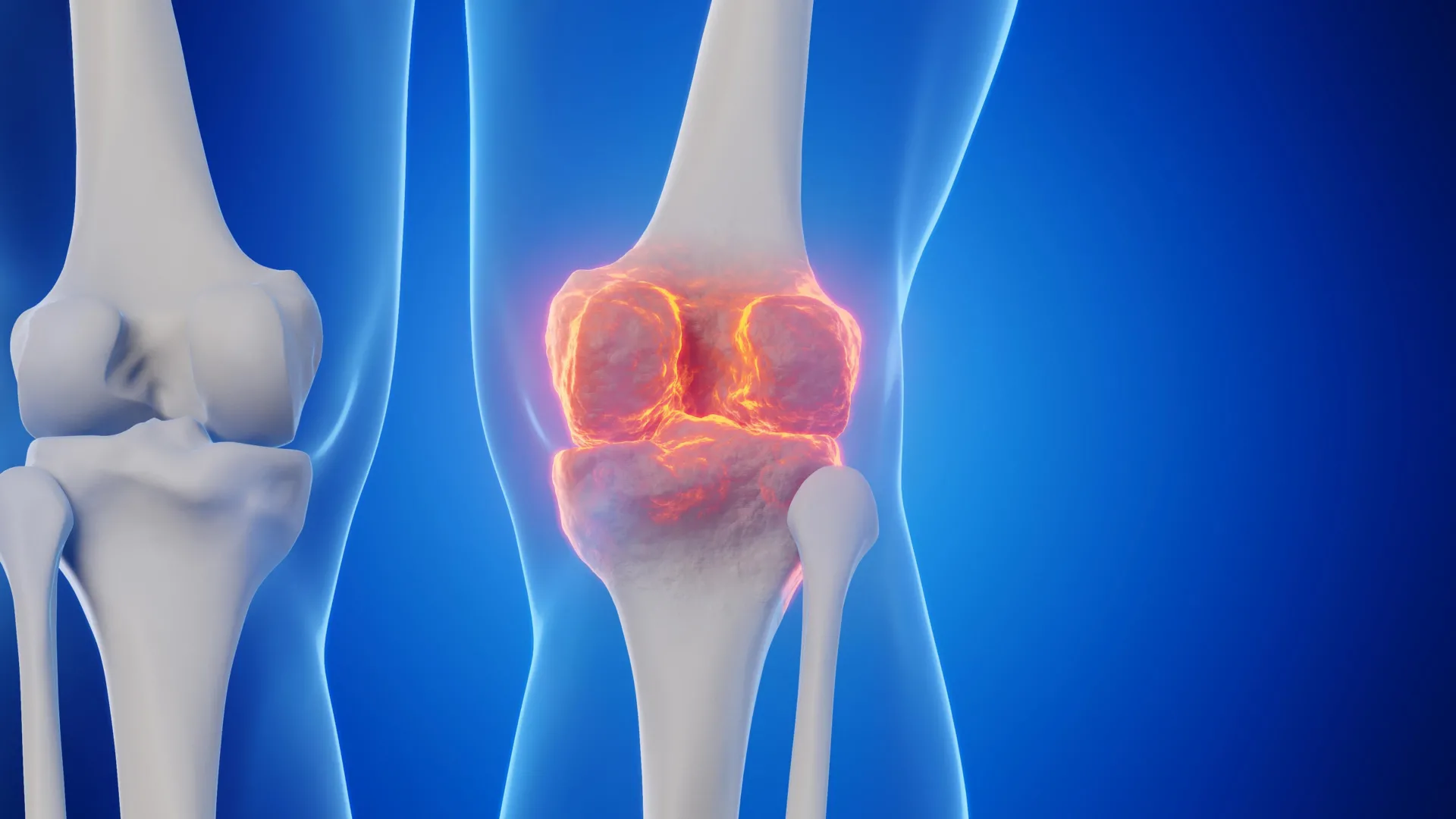
Scientists have found a surprising way to regrow damaged knee cartilage by blocking a protein that becomes more abundant with age. In old mice, the treatment restored naturally lost cartilage and also helped prevent osteoarthritis after ACL-like knee injuries, while human cartilage taken from knee replacement patients began producing new, functional joint cartilage after exposure to the same inhibitor.

Advertisement
Science

For the first time, scientists watch sound jump between quantum states

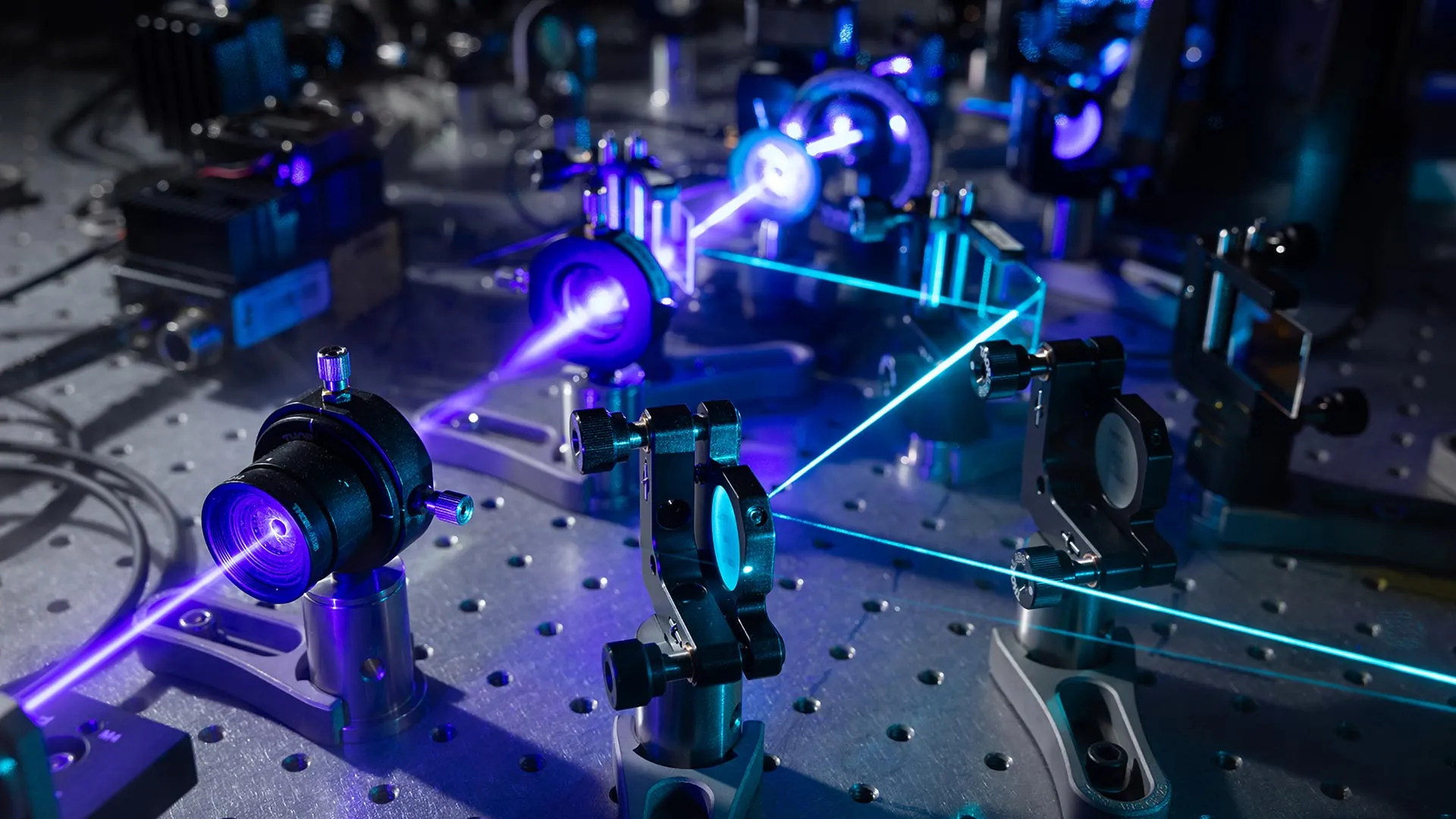
Stanford researchers have recorded the first real-time quantum jumps of sound, watching single phonons abruptly vanish from one energy state to another. The breakthrough could open new paths for quantum computing, error correction, highly sensitive biological sensors, and next-generation sound-based devices.

Science

Stanford scientists discover the human brain may actually be two separate organs

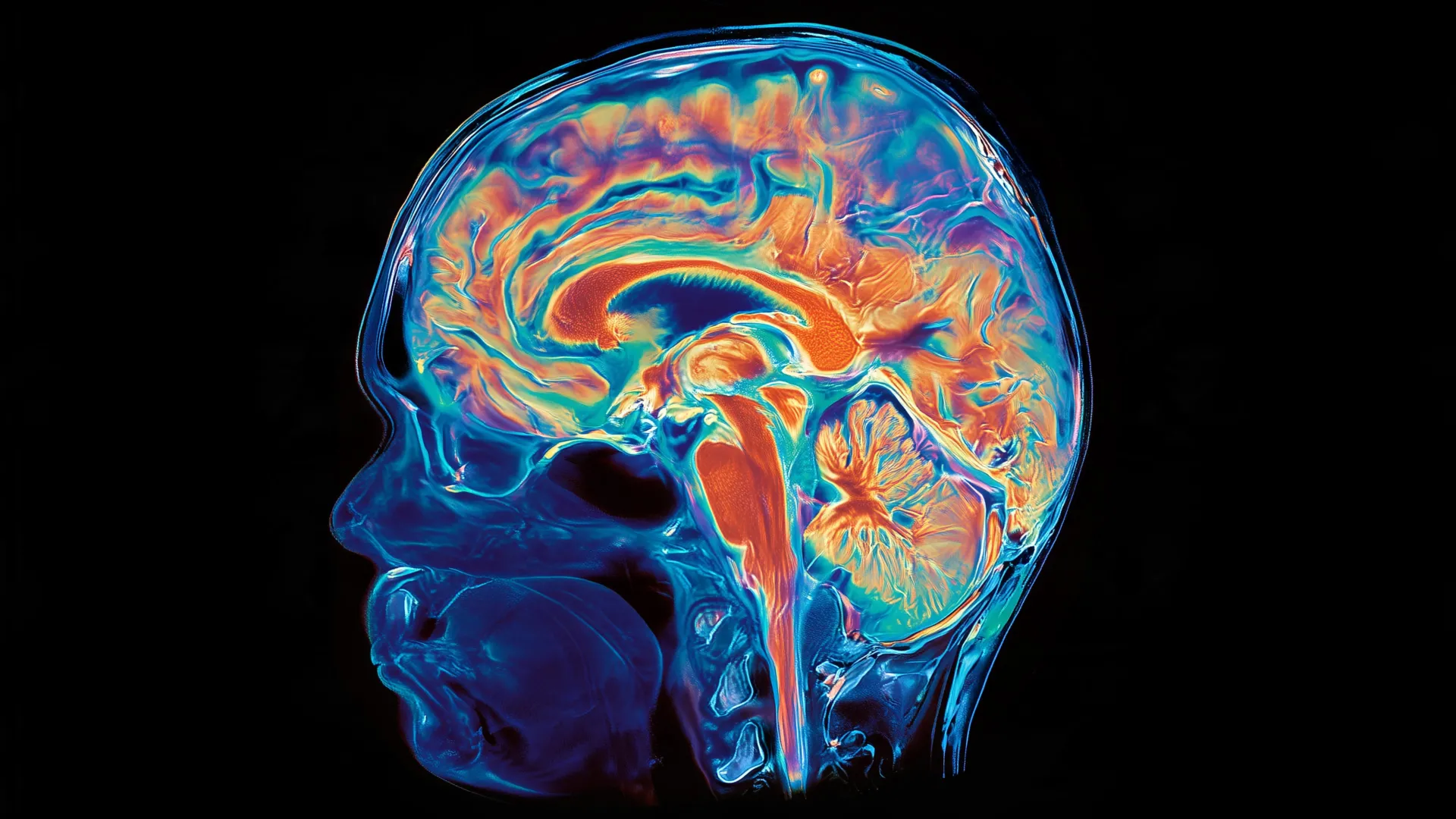
Scientists have found that the human brain develops from two distinct cellular systems, suggesting that evolution fused together two ancient nervous systems with very different jobs. The discovery also allowed researchers to grow human hindbrain neurons in the lab, opening new possibilities for studying ALS, spinal muscular atrophy, and other brainstem diseases.