Science
'Rok' solid recognition for Slovenian space scientist
Two men from the Armagh Planetarium and Observatory have had asteroids named in their honour in recognition of their work.
International news in seven languages
Topic
Two men from the Armagh Planetarium and Observatory have had asteroids named in their honour in recognition of their work.
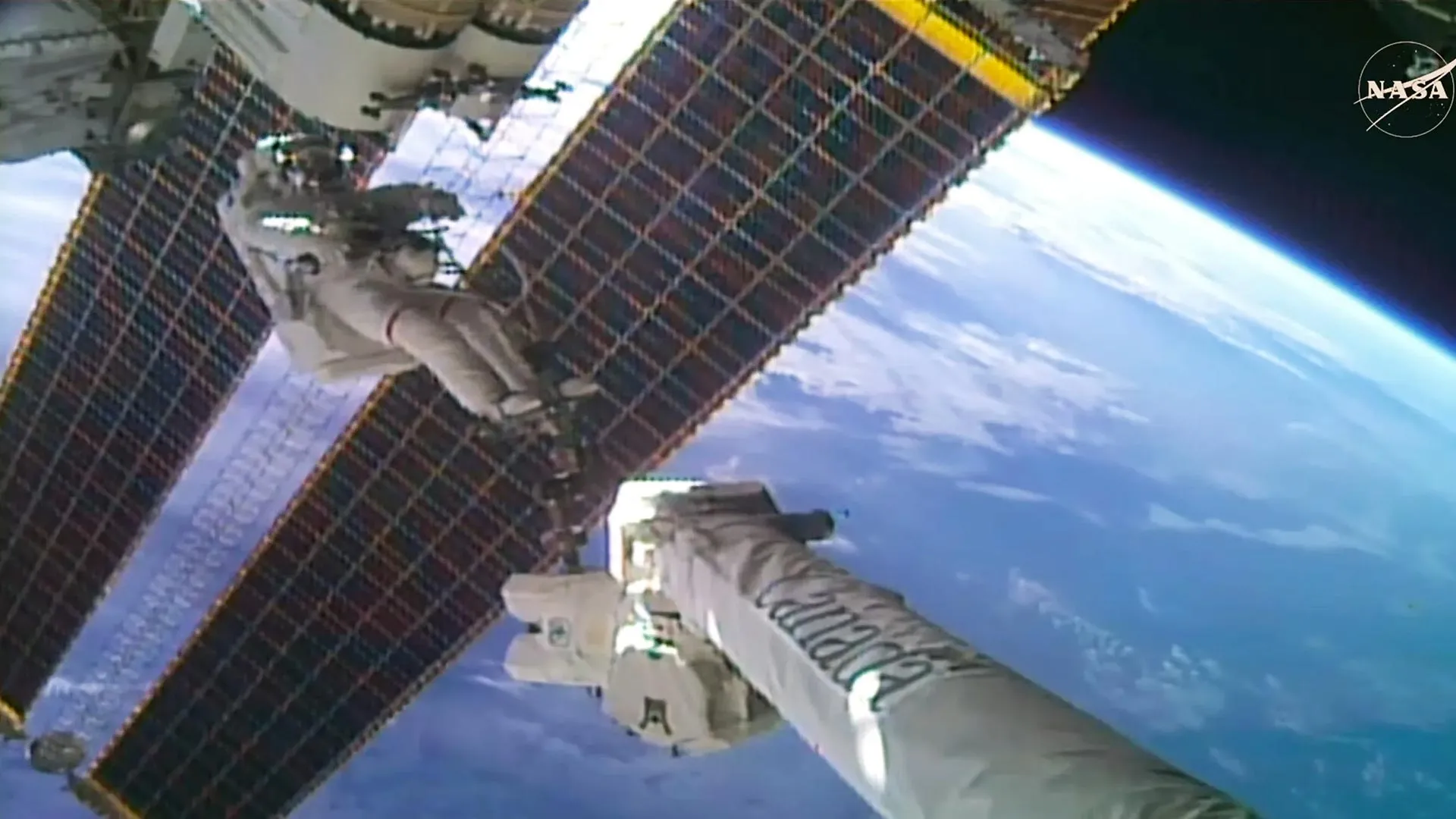
Two astronauts completed a 7-hour, 11-minute spacewalk to install a new solar array on the International Space Station, bringing NASA one step closer to a major power upgrade. Once the final array is installed on November 5, the station will have up to 30% more available power, supporting critical operations and its eventual controlled deorbit.
The Indian national space agency's mission aims to strengthen its indigenous navigation system and reduce reliance on the US-owned GPS. Meanwhile, Rahul Gandhi renewed his call for more election protests. DW has more.
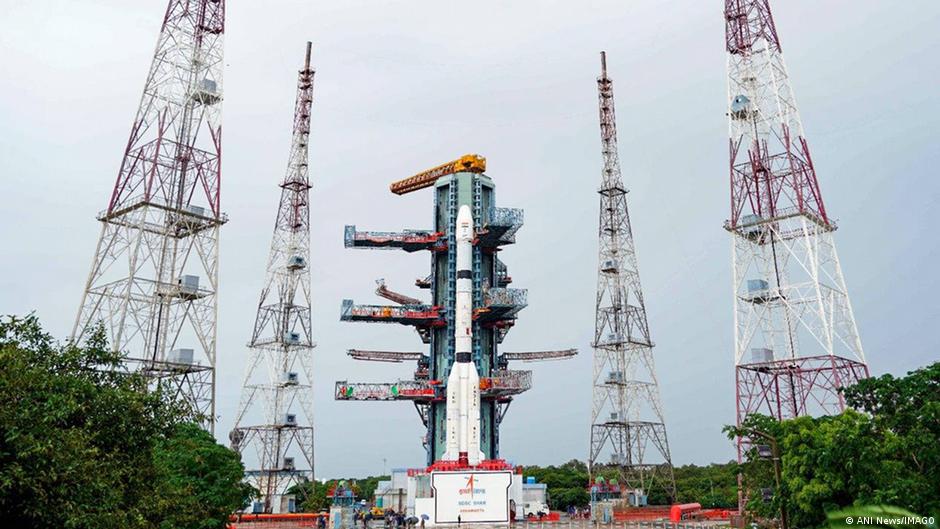
The Indian national space agency's NVS-03 mission aims to strengthen NavIC, India's indigenous navigation system, and reduce reliance on the US-owned GPS. DW has more.
Is there really any alien life on earth that is hidden in the dark? Is the world's first private space telescope to send Google's former boss looking for the mystery? A strong torch is burning far away from the night. It's a little worm flying in the trunk. Can you see the worm? Probably not, because the sun's light can shine. Show
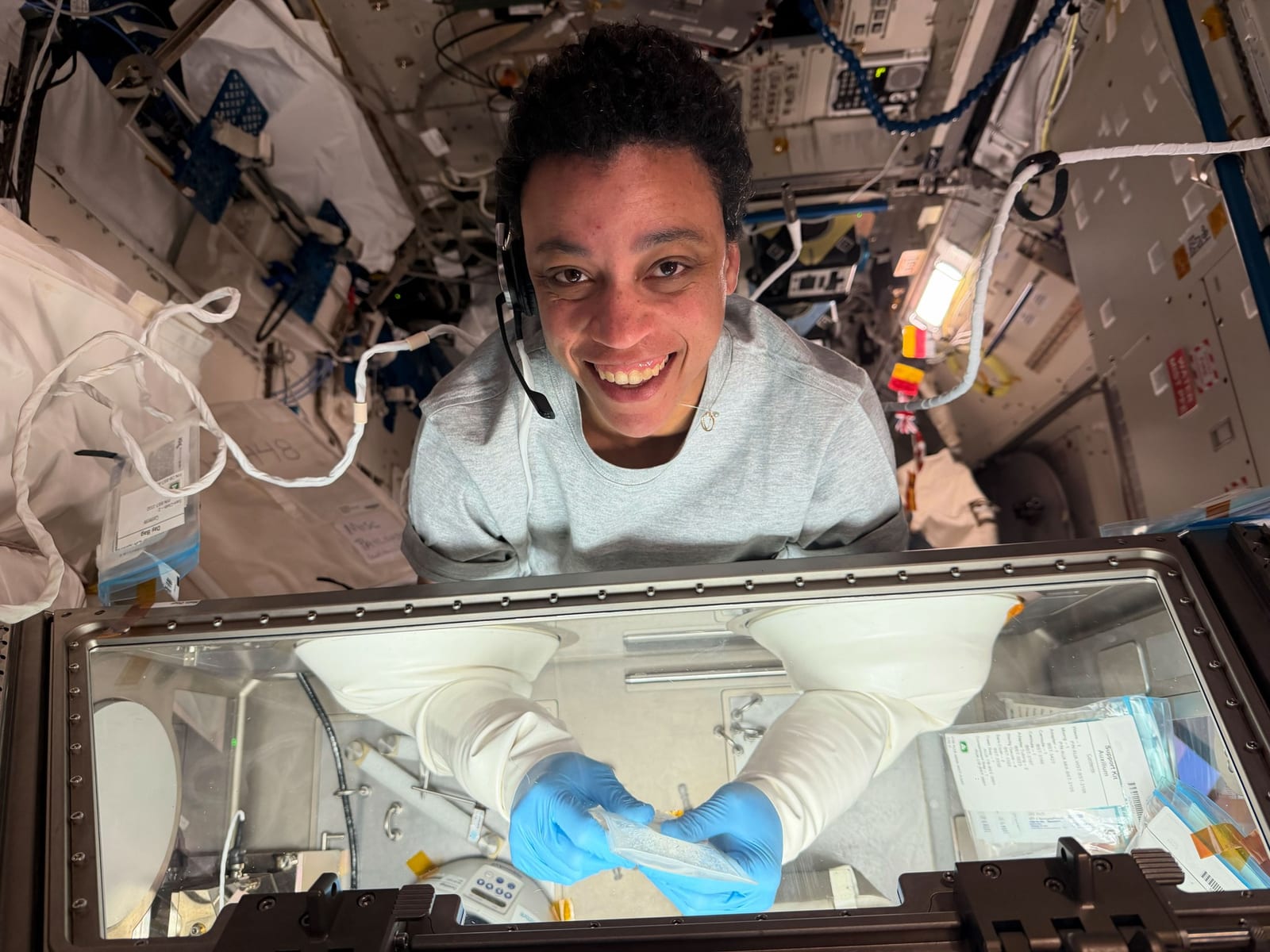
NASA astronaut and Expedition 75 flight engineer Jessica Watkins works inside the Kibo laboratory module’s Life Science Glovebox on Oct. 9, 2026, safely mixing living cell samples with a bioink and then filling a special cartridge with the cell‑ink mixture. The advanced research operations were part of the InSPA‑Auxilium Bioprinter‑Cell Printing investigation, which explores 3D […]
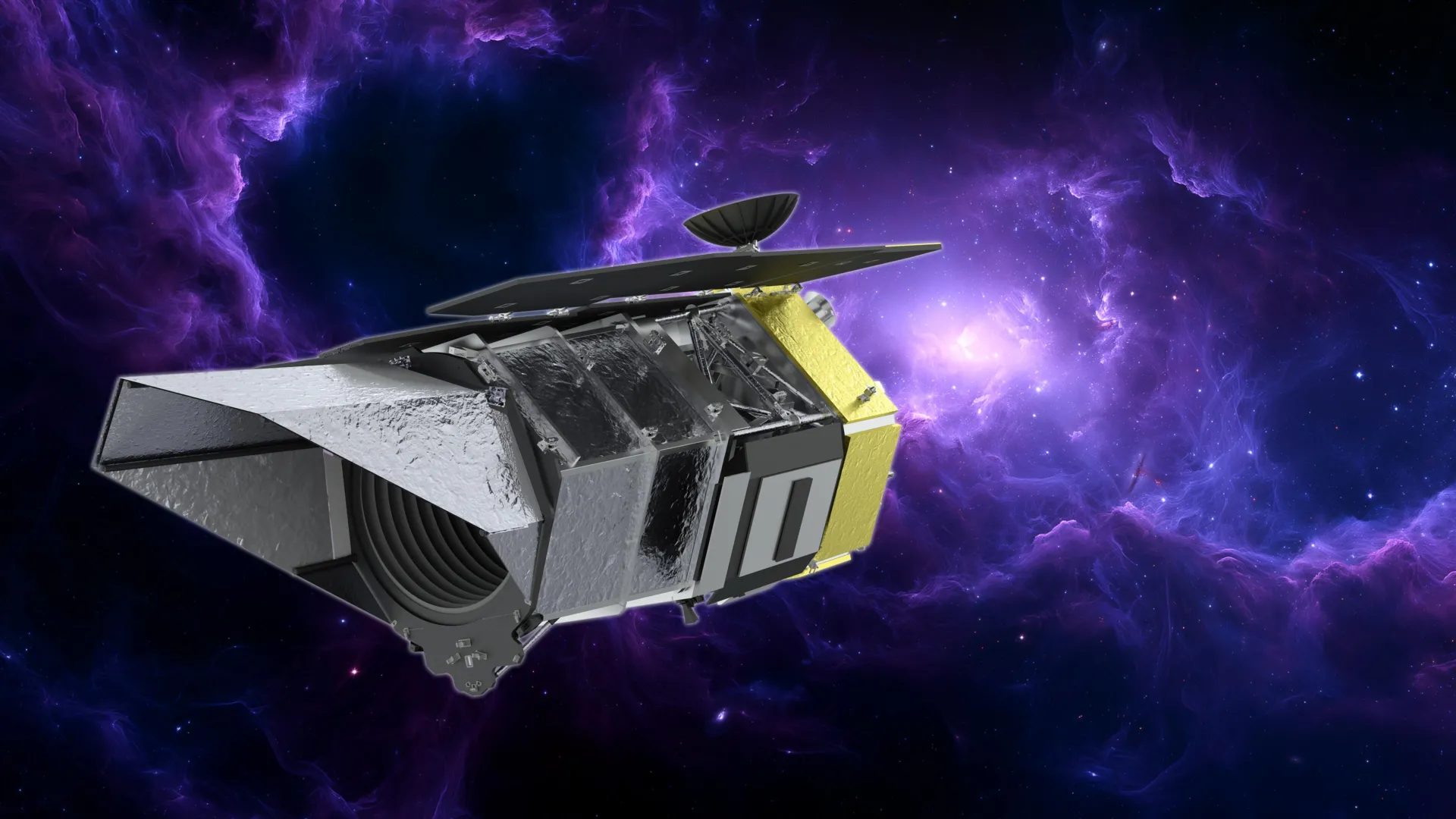
NASA’s Nancy Grace Roman Space Telescope has exceeded expectations after engineers made incredibly tiny adjustments to sharpen its view of the universe. By moving a mirror just one-sixteenth the width of a human hair, the team helped bring its powerful instruments into near-perfect alignment. Roman’s Wide Field Instrument now produces image quality nearly 30% better than predicted, promising exceptionally sharp cosmic surveys.
Ukraine's President Volodymyr Zelensky said he felt “betrayed” on Wednesday after access was seemingly restricted to US intelligence and Space X satellite services, raising new questions about US commitment to Ukraine. With Trump under pressure over rising fuel prices, is the White House hoping criticism of Kyiv can help shift the blame?
One year after the former prime minister's death, Kenyans are reflecting on his contribution to democracy and national reconciliation. Odinga's "handshakes" with his political rivals remain the subject of much debate.
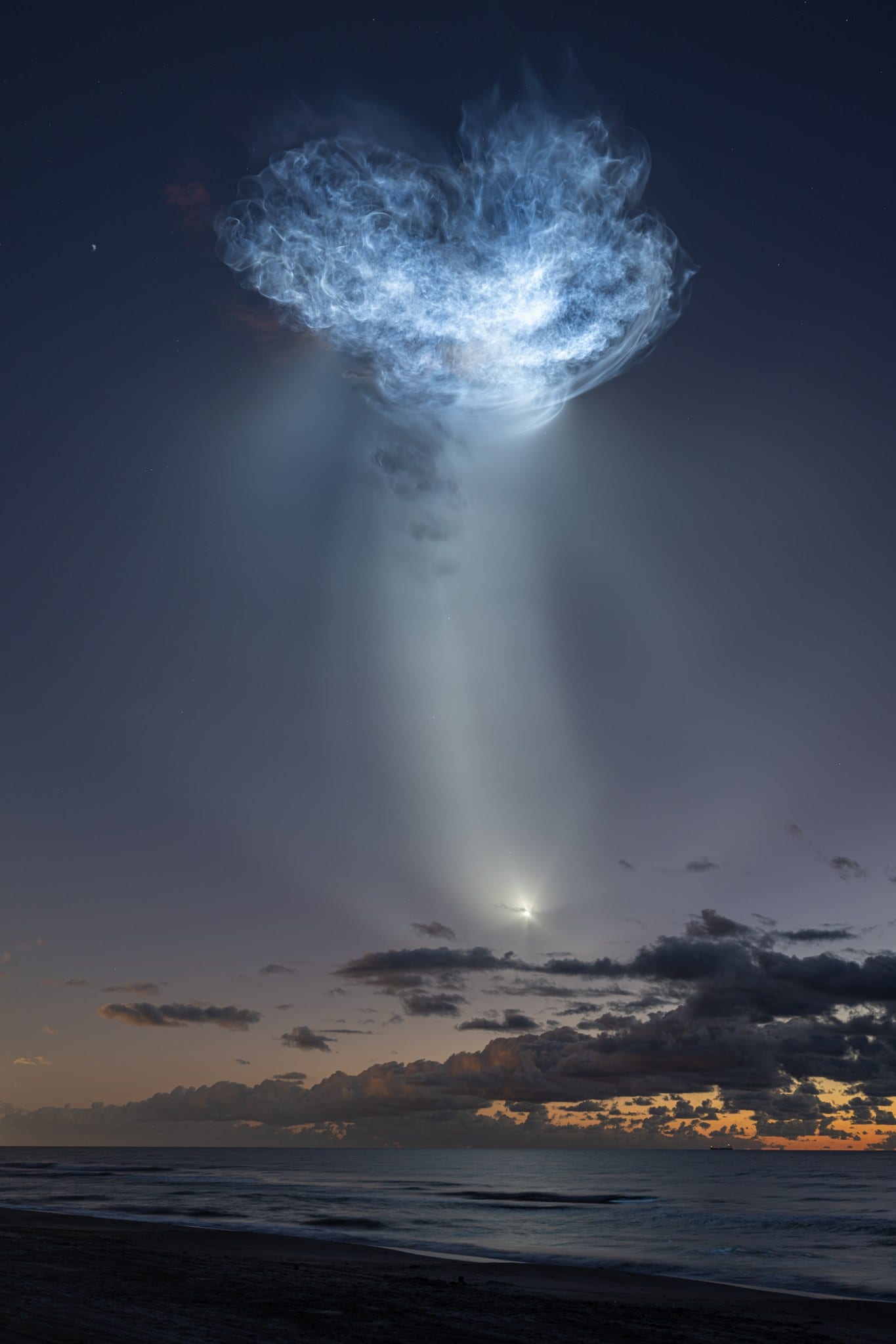
Sunlight illuminates the exhaust plumes of a SpaceX Falcon 9 rocket carrying the company’s Dragon spacecraft on Oct. 13, 2026. This visual phenomenon is known as a “jellyfish”; it happens near sunrise or sunset when the exhaust plume from the rocket becomes brightly illuminated, creating a glowing shape resembling a jellyfish. The mission lifted off […]
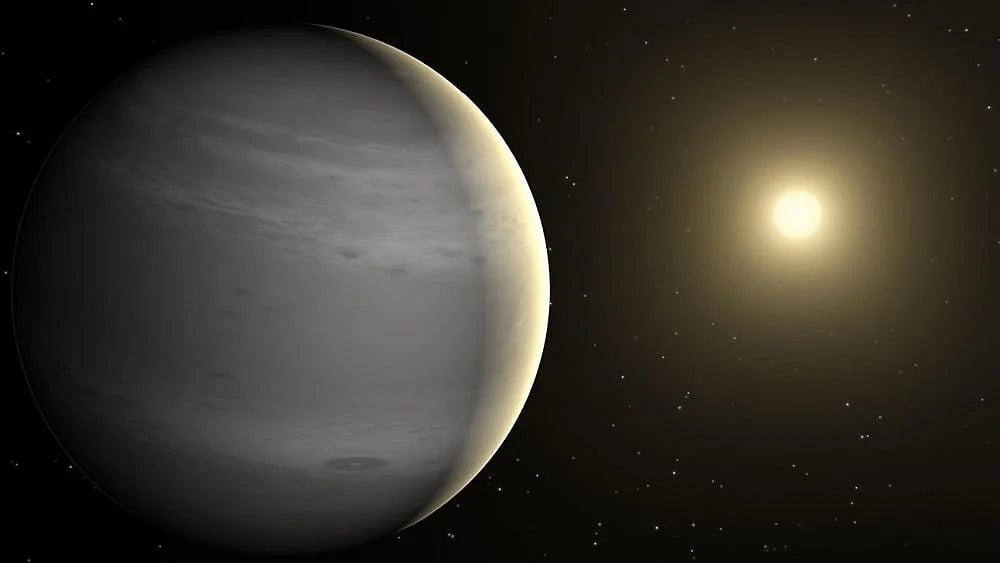
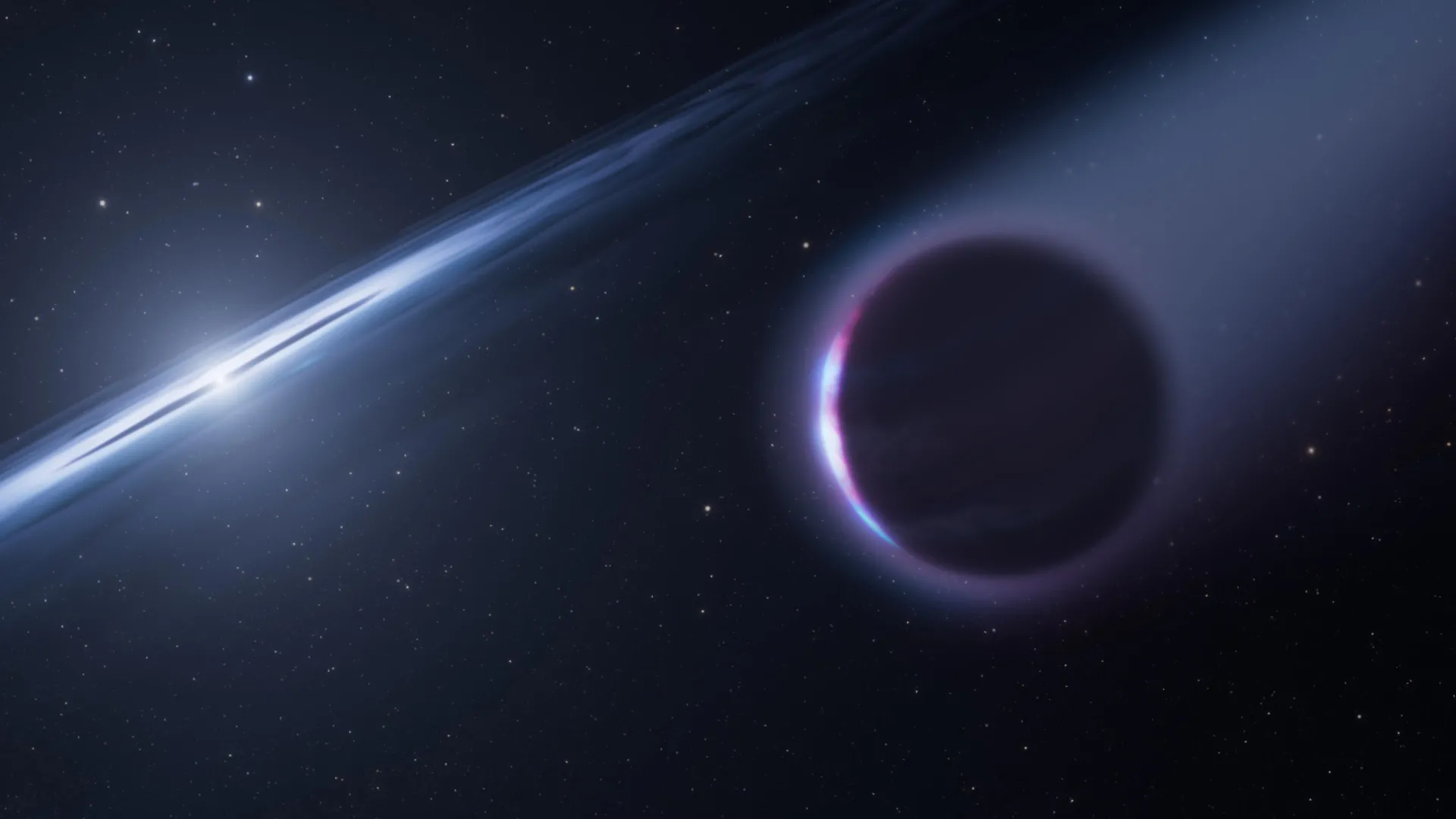
A strange chemical signature in old Hubble observations may point to a planet that formed after its star had already died. Astronomers found unusually high levels of niobium around the white dwarf HS 0209+0832, suggesting some of the star’s expelled material may have assembled into a new gas giant. TESS data also hints at a Jupiter-sized planet orbiting just 3.7 million miles from the star.
Space-based systems could detect and track incoming missile threats and intercept them either from land or space.
Space X founder Elon Musk accused oligarchs in India of keeping Starlink out of the country to protect their monopoly over consumers.
Belgian physicist Prof Francis Halzen has won for his pioneering work on an observatory that detects particles from space.
The city's space boom raises questions about the role of the state in backing important industries.
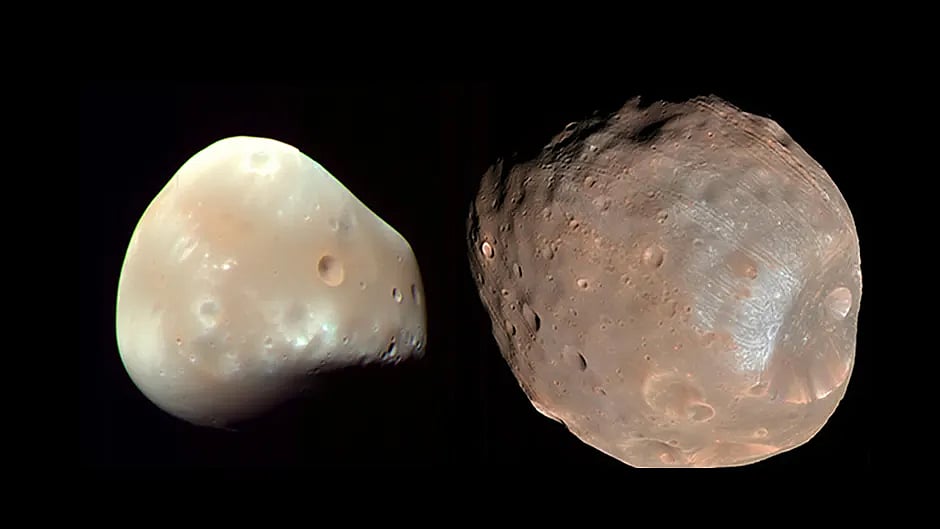
Most of our readers know H.P. Lakrofe as author. His name was created by a new man – Lavrofeyan Horer. However, Lavroft wrote several science fictions as well as Herrre. In many of them, he predicted the moonless Mars planet. No wonder that prophecy can really be fulfilled, but if you understand everything, we need to know about two moons of good. Draw the night
At least 746 people from 52 countries have been to space, from career astronauts to paying tourists.
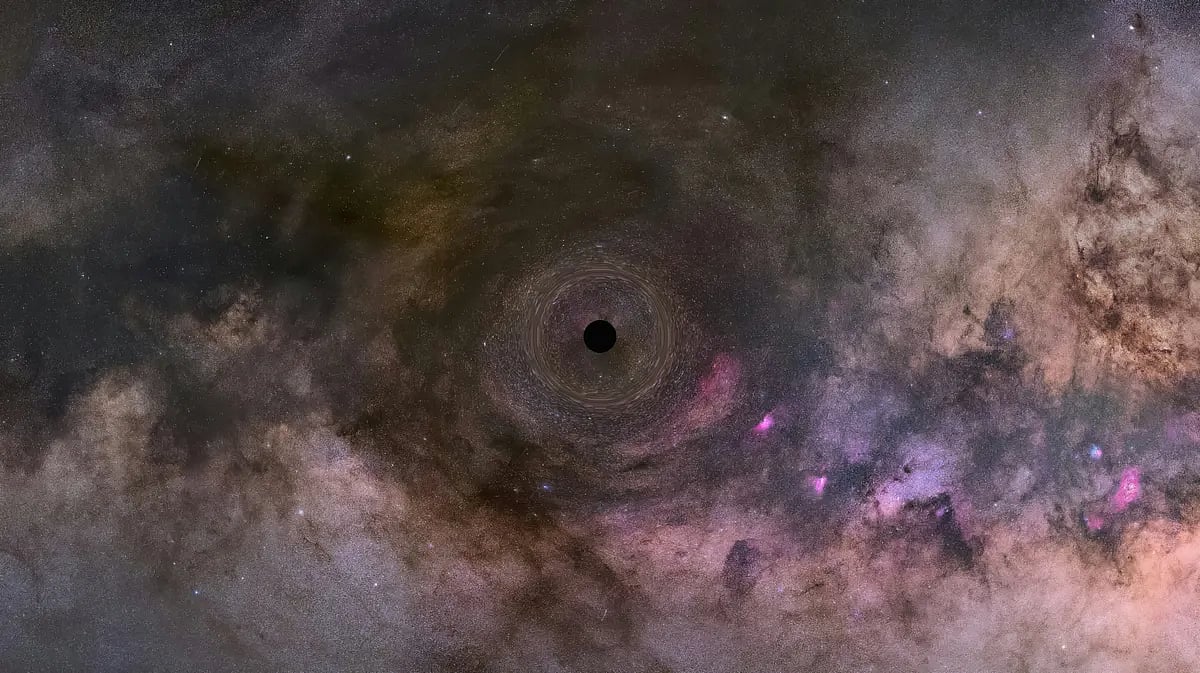
Your laptop's screen might have been hidden on a screen, like a monster from the Milkiwe Galaxy, who has not yet found any scientist! People with great interest in space may have wondered if they could find a black horse or a black hole!
The universe is about 13.8 billion years old. Today, however, the vastness of the watchful universe is about 85 billion light years. Apparently it's impossible. The question is, if light is only traveling for 13.8 billion years, how can we monitor the regions of the 46.5 billion light years away? The answer is hidden between one of the most important elements of modern world science. We know, through the light.