Advertisement
Advertisement

Topic

Solar System

Science

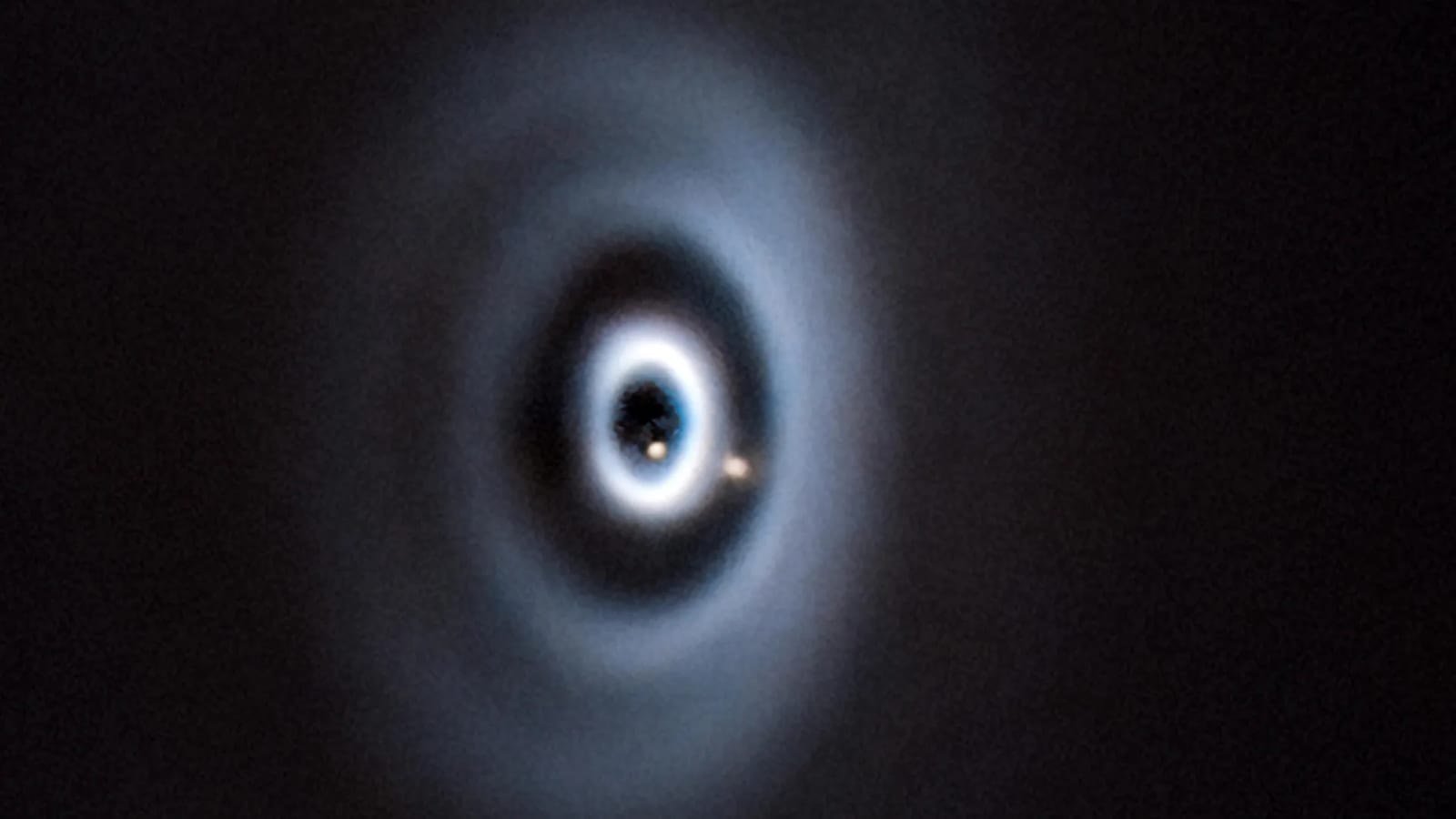
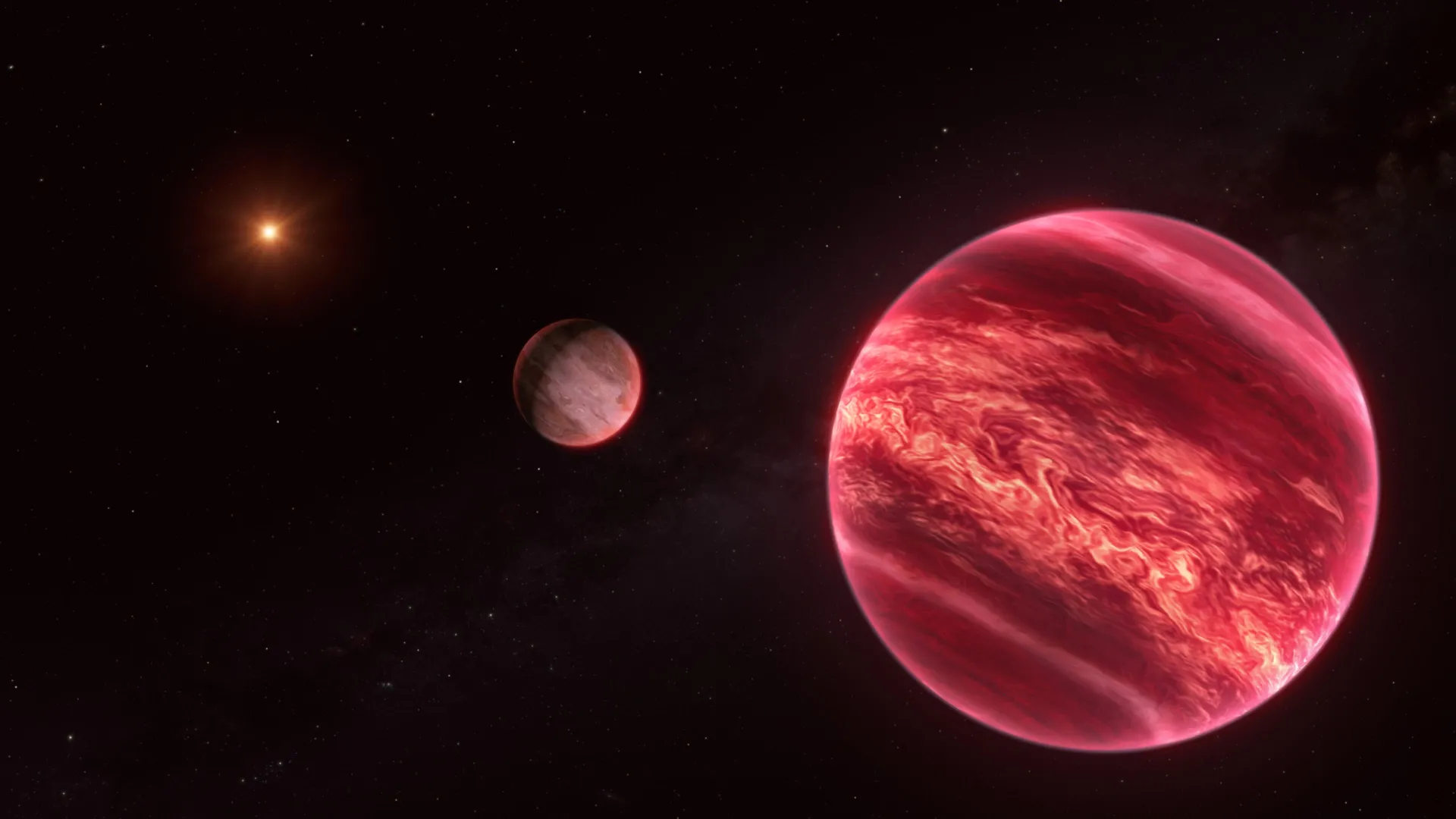
Astronomers may have discovered the first moon beyond our Solar System

Astronomers have uncovered evidence of a bizarre, potentially historic discovery: the first moon ever detected beyond our Solar System. Unlike familiar moons, this mysterious object is at least as massive as Jupiter and orbits a brown dwarf, which itself circles a star. The unusual arrangement challenges traditional definitions of planets and moons, leaving scientists unsure what to call it.
World

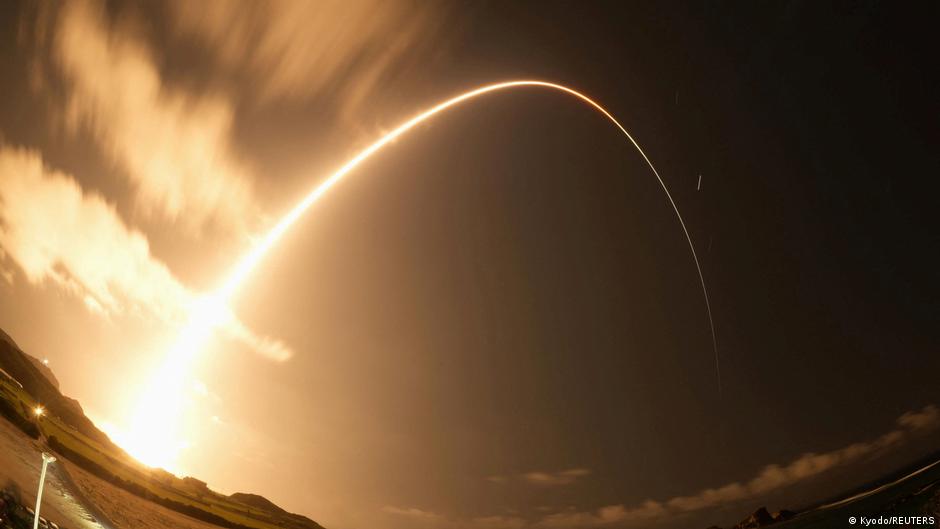
Japan probe sets course for Mars moon

The MMX spacecraft is on its way to Mars' moon Phobos to collect surface samples that could help answer long-standing questions about the formation of the Solar System.

Science

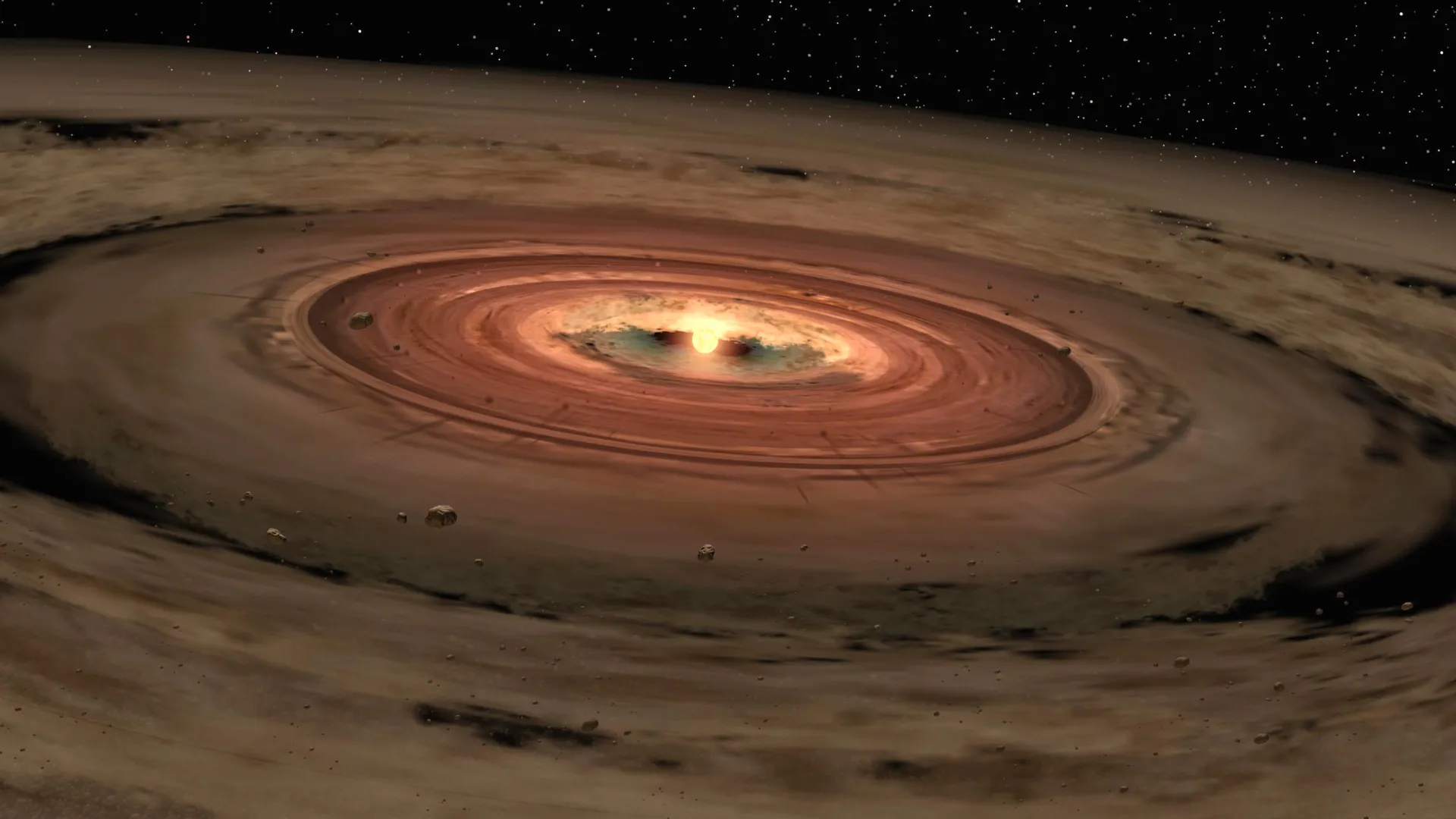
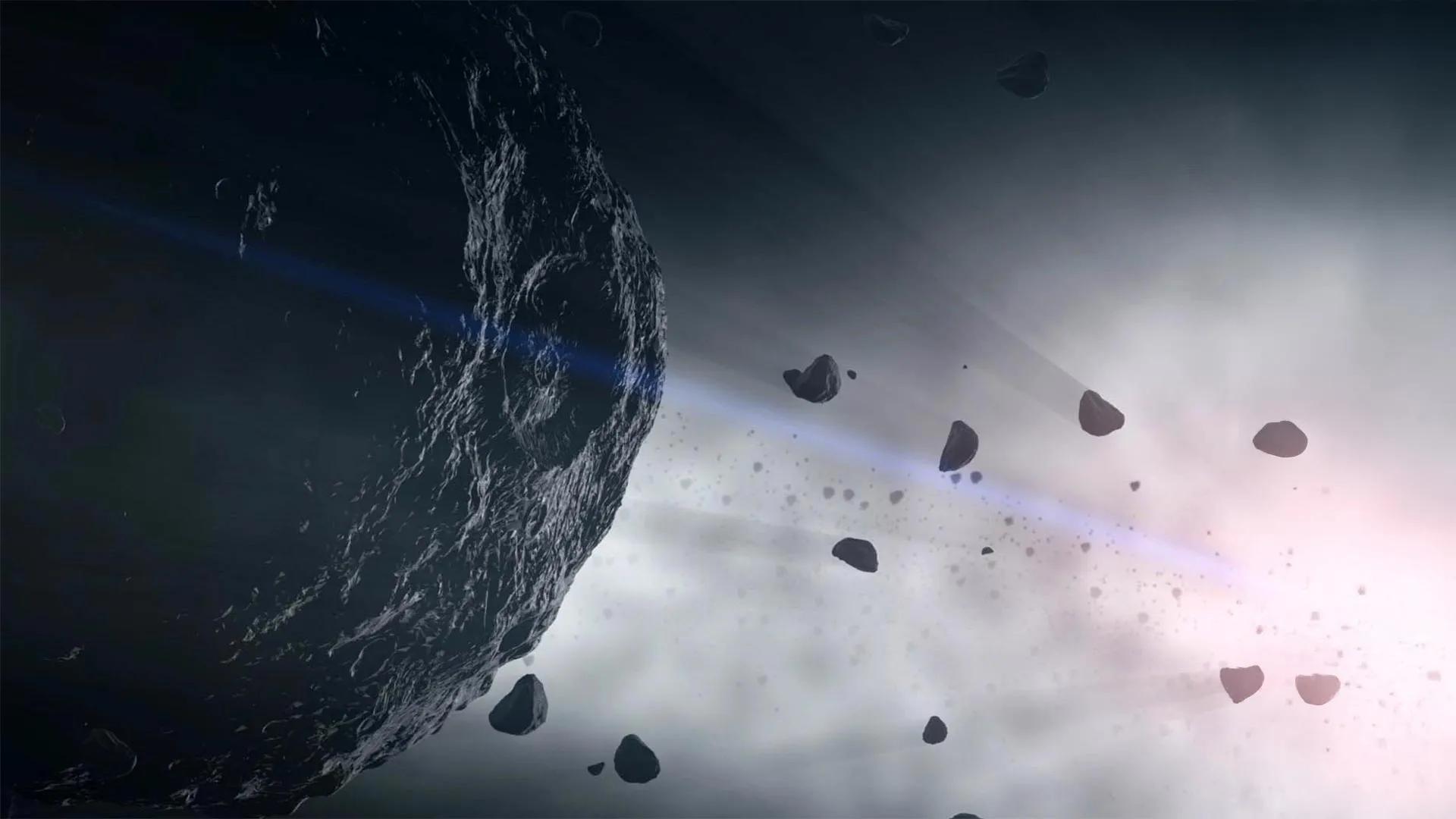
The Solar System chose fire over ice from the very beginning

Ancient iron meteorites reveal that some of the Solar System’s first solid bodies were built mostly from tiny heat-forged rock beads called chondrules, while water-rich dust was largely excluded. The finding pushes this selective planet-building process back to within the Solar System’s first million years.

Science

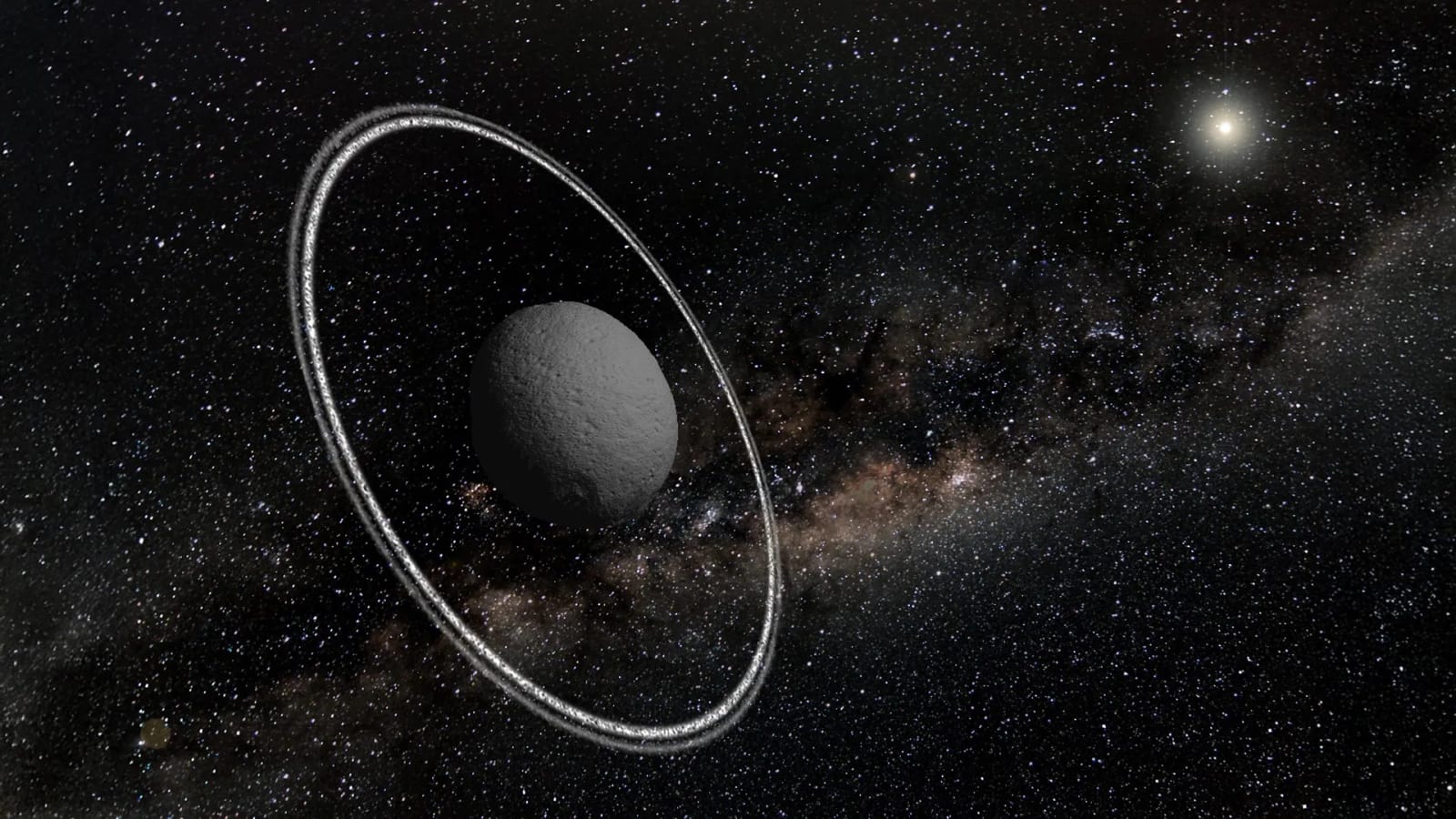
James Webb reveals Chariklo’s mysterious rings are changing faster than expected

The James Webb Space Telescope has revealed surprising changes in the rings around Chariklo, a small object orbiting between Saturn and Uranus. Over just a few years, its inner ring became more opaque while its outer ring became less opaque. The results suggest that rings around small Solar System bodies may be much more dynamic than scientists previously believed. What is causing the changes remains a mystery.