Business
Analysis: Trump's shock Russia deal highlights mounting pressure to curb fuel prices
The US president hopes to ease his party's pain before next month's midterm elections, writes the BBC's North America correspondent.
International news in seven languages
Topic
The US president hopes to ease his party's pain before next month's midterm elections, writes the BBC's North America correspondent.
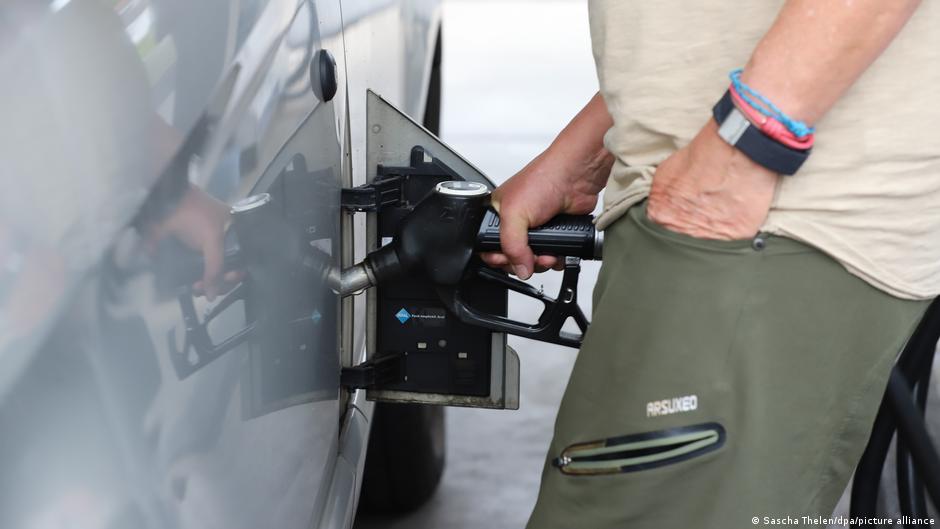
US President Donald Trump said Friday that Russia had agreed to immediately supply more than 300,000 tonnes of diesel to US and global markets in an effort to cut fuel prices before November's midterm elections. The move marks a stunning change of policy after the US and its allies hit Russia with waves of sanctions over its invasion of Ukraine.
Russia to supply 300,000 tonnes of diesel immediately, followed by 1.5 million more, as prices soar amid the Iran war.
Russia will supply diesel to global markets in a bid to lower prices, US President Donald Trump has said. The move reverses years of pressure on the Russian economy following the invasion of Ukraine.
Often dubbed "Russia's Google", the tech firm admits customers may experience disruption to digital services due to the attacks.
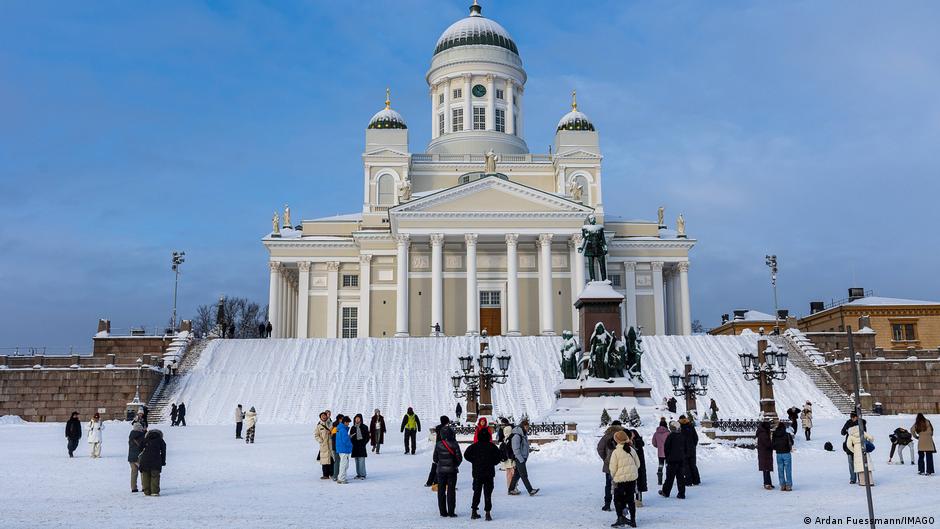
Finns have many reasons to feel content, but the country's pile of debt is not one of them. Russia's war in Ukraine has added to the fiscal burden. Can the Nordic nation absorb another shock?
Russia has detected no health issues or dangerous micro-organisms after tracing all contacts of a woman who reportedly died of plague, the governor of Siberia's Irkutsk region said Thursday. Russia has not confirmed the woman died of plague, and Governor Igor Kobzev said in his statement she had contracted "community-acquired pneumonia".
Russia is fighting for settlements it once firmly held in Donetsk, and has retreated from many others.
Drone attacks target Russian digital giant Yandex, as well as continuing strikes on missile plants and oil refineries.
Ukraine on Thursday accused Russia of deliberately targeting civilians after 30 people were killed when two buses were blown up in the frontline city of Kramatorsk, in one of the deadliest attacks in weeks. President Volodymyr Zelensky vowed that it "will not go unanswered" after photos posted by local authorities showed the burnt-out metal shell of the vehicles, with bodies and debris strewn across the road. FRANCE 24's Gulliver Cragg reports from Kyiv, Ukraine.
The suspicious death last week of a worker at a research lab in Siberia that has fueled global concerns about suspected pneumonic plague is just the latest example of how Russia manages the official narrative. The Kremlin has long maintained a culture of secrecy when it comes to controlling public information, especially involving accidents – from industrial disasters to health emergencies, as FRANCE 24's International Affairs Commentator Douglas Herbert explains.
Finns have many reasons to feel content, but the country's pile of debt is not one of them. Russia's war in Ukraine has added to the fiscal burden. Can the Nordic nation absorb another shock?
Russia and China block US efforts to expand the Darfur arms embargo to cover all of Sudan amid ongoing conflict.
The Russian and Iranian presidents met in Turkmenistan ahead of regional summit.
Russia’s attacks on trains, buses and ports are paralysing Ukraine’s transport network and endangering civilians.
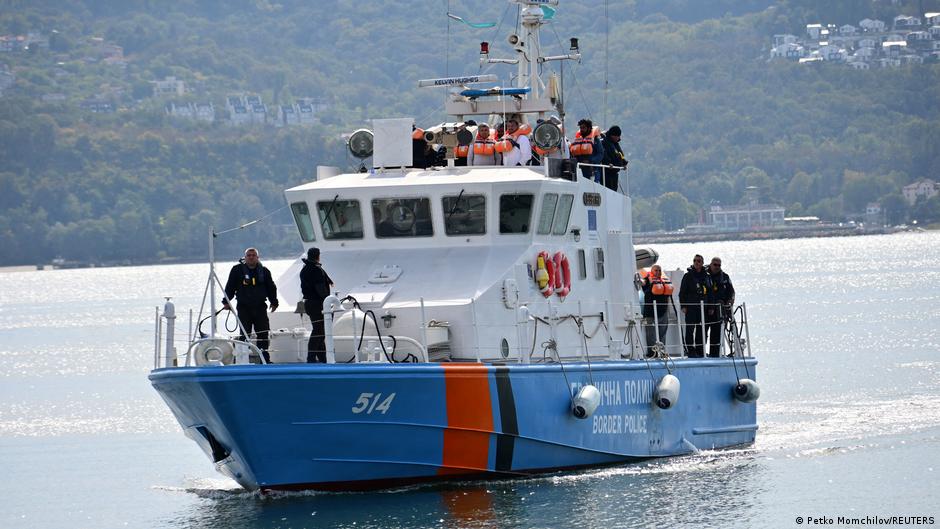
Two ships have sunk off the coast of Bulgaria and Romania after drone attacks in recent days. Bulgaria has held back on pointing the finger at Russia. What does that mean for security in the Black Sea and the region?
India, Turkiye, Egypt and the US have put forward proposals for ceasefires in bid to protect global energy and shipping.
Space-based systems could detect and track incoming missile threats and intercept them either from land or space.
As Russia targets Ukraine's data centers more and more, experts say the country's internet system is too robust to shut down entirely. However, services could become more expensive.
Britain and Germany will launch a joint partnership to counter sabotage and cyberattacks as Prime Minister Andy Burnham and Chancellor Friedrich Merz meet in Berlin on Thursday, shortly after both leaders warned of the hybrid threat from Russia. France 24's Nick Holdsworth has the latest from Berlin.