Science
NASA’s Hubble Charts Path for Roman with Gravitational Lenses
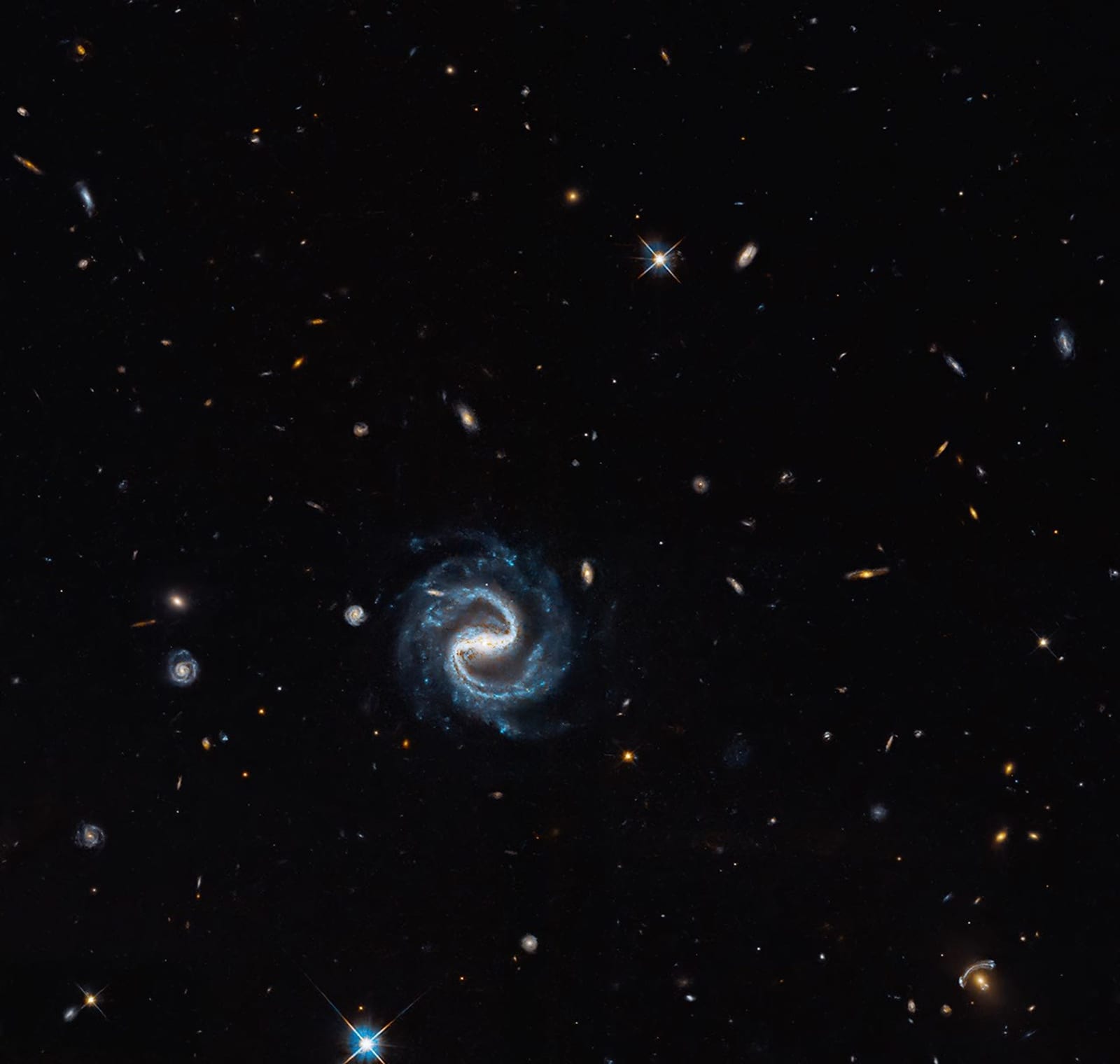
This observation is one of many gravitational lensing images taken by Hubble in preparation for science with the new Nancy Grace Roman Space Telescope.
International news in seven languages
Topic
This observation is one of many gravitational lensing images taken by Hubble in preparation for science with the new Nancy Grace Roman Space Telescope.
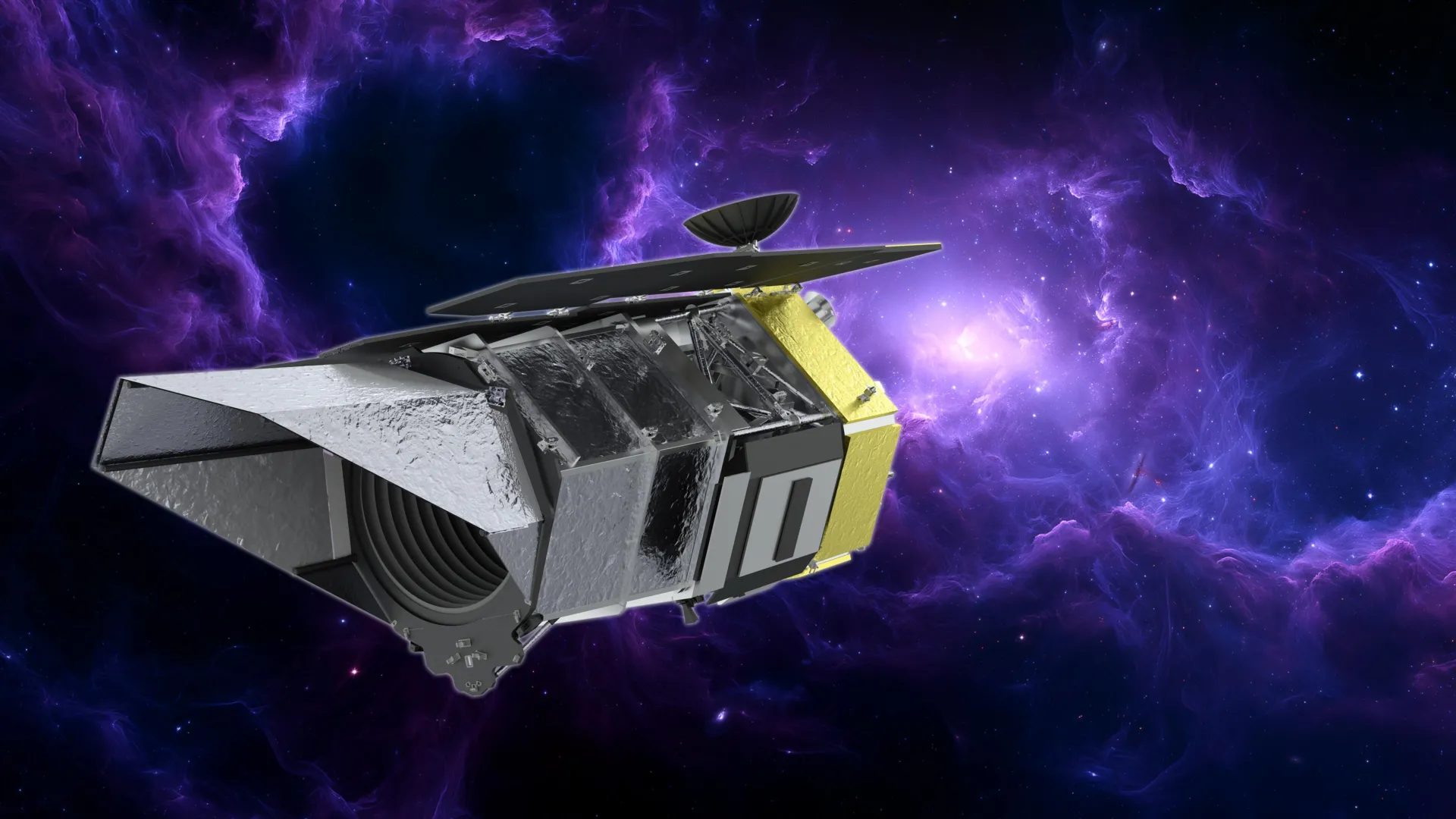
NASA’s Nancy Grace Roman Space Telescope has exceeded expectations after engineers made incredibly tiny adjustments to sharpen its view of the universe. By moving a mirror just one-sixteenth the width of a human hair, the team helped bring its powerful instruments into near-perfect alignment. Roman’s Wide Field Instrument now produces image quality nearly 30% better than predicted, promising exceptionally sharp cosmic surveys.
Working with the Bureau of Investigative Journalism, BBC Panorama reveals how the Russian billionaire hid his wealth with the help of Deloitte.
Canadian poet, essayist and translator Anne Carson won the Nobel Prize in literature Thursday for playful, genre-blending works that fuse the classical and the modern. The Toronto-born Carson, 76, draws on themes and stories from ancient Greek and Roman literature for writing that often blends elements of poetry, essay and fiction.
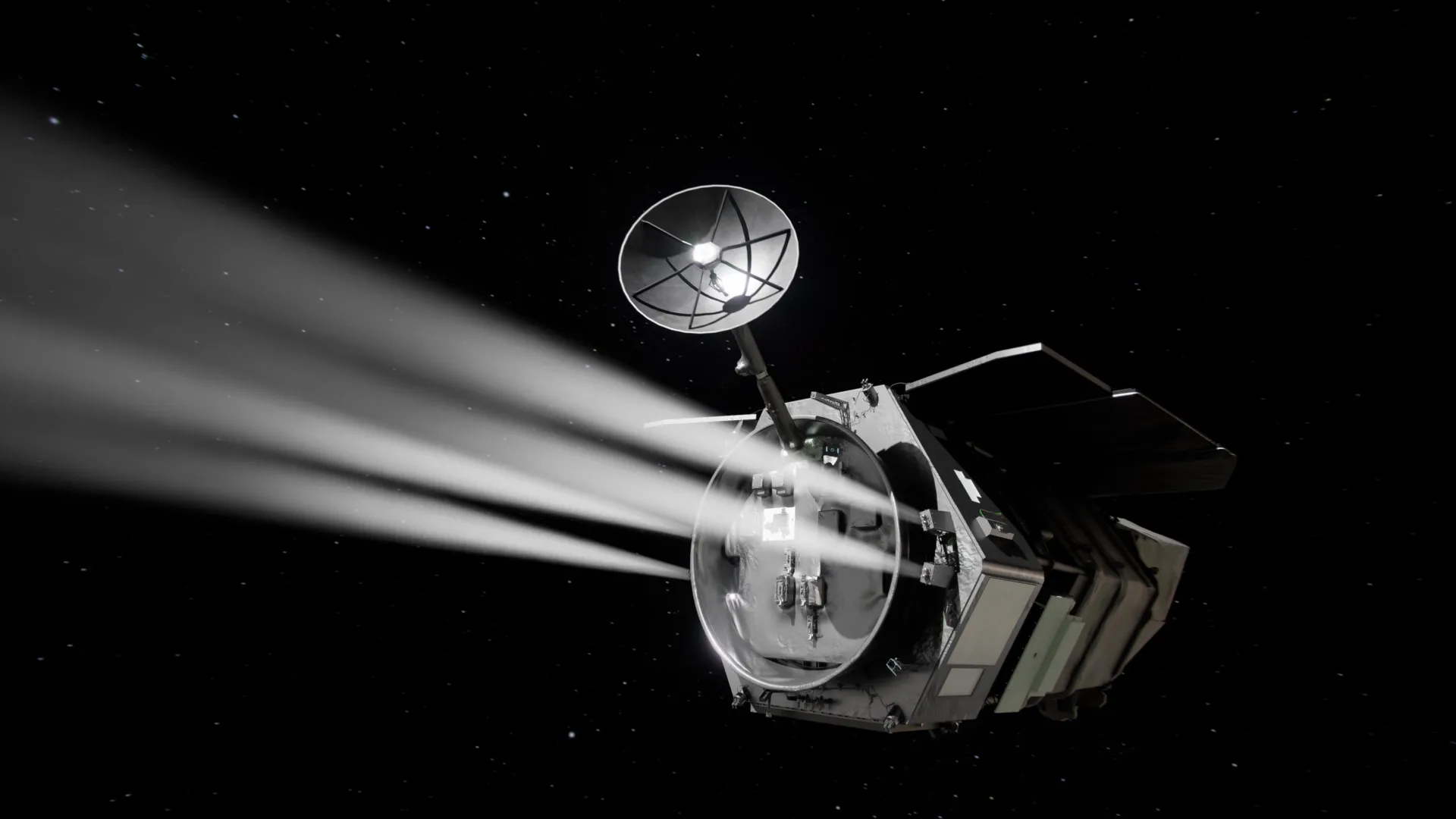
NASA’s Roman Space Telescope has demonstrated remarkable pointing stability and given its powerful planet-imaging coronagraph its first look at the cosmos. The telescope can already stay locked on a target with precision comparable to aiming a laser at a dime from about 150 miles away. Its coronagraph also captured stars in the Large Magellanic Cloud, confirming that the instrument can produce focused images.
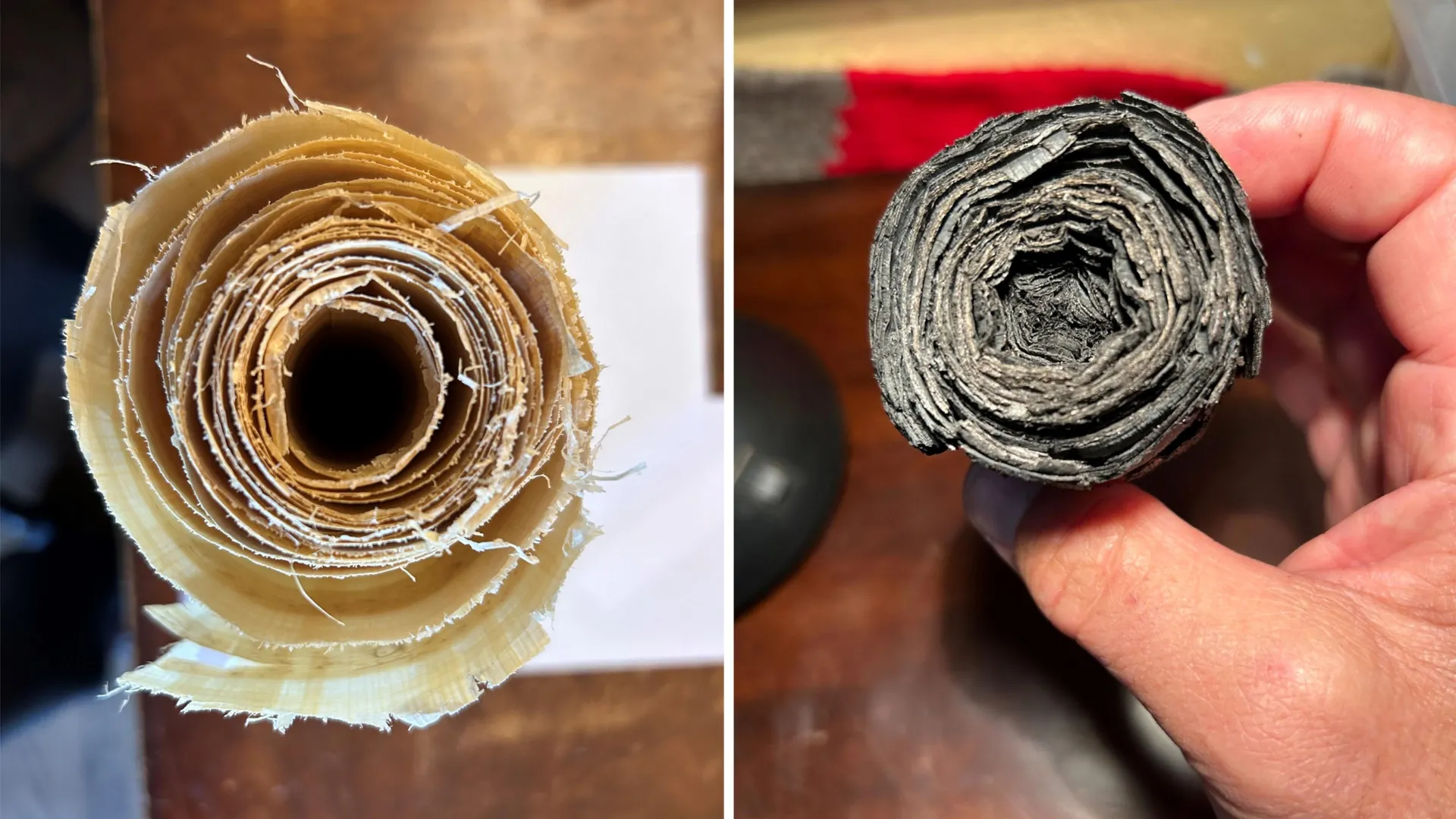
Scientists discovered that tiny amounts of lead in ancient ink can make writing inside burned papyrus scrolls stand out dramatically in X-ray scans. The technique could help unlock lost Greek and Roman texts preserved by the eruption of Mount Vesuvius nearly 2,000 years ago.
An ancient wall discovered in central Paris was hailed as a "major breakthrough" on Wednesday, as the archaeological find may have settled a long-standing debate about the location of the city's original settlement. A roughly 20-metre (66-foot) wall dating from the Gallo-Roman period was discovered in Paris this summer beneath a hospital on the Ile de la Cite, a stone's throw from Notre Dame Cathedral, the French culture ministry said.
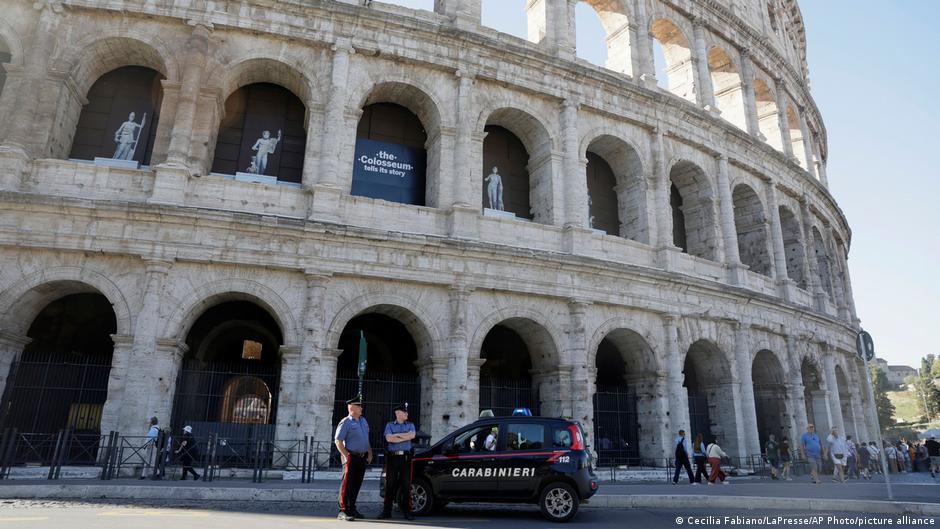
The man had been working on a new lighting installation in the iconic Roman amphitheater. Italian authorities said they were working on determining the circumstances of the accident.
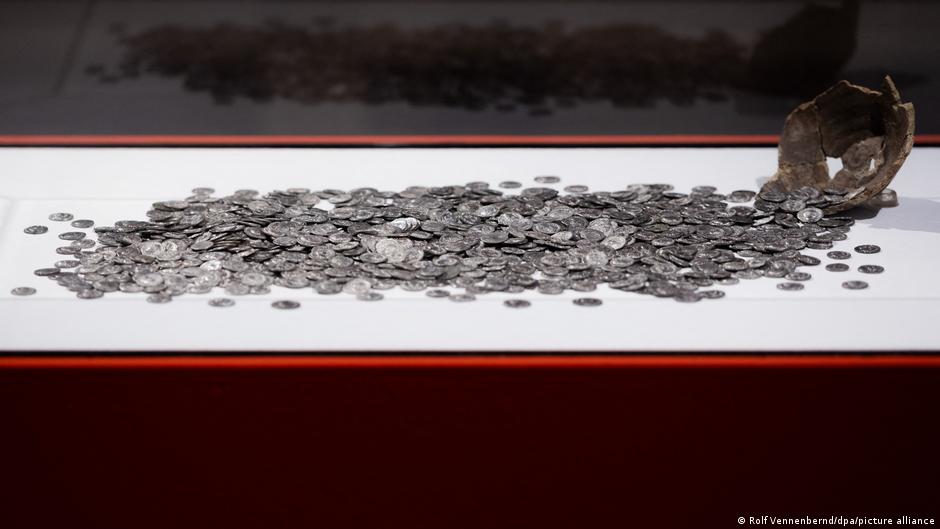
What began as a routine search in a field near Wesseling led to the discovery of nearly 1,000 Roman silver coins, one of the most significant archaeological finds in Germany in recent years.
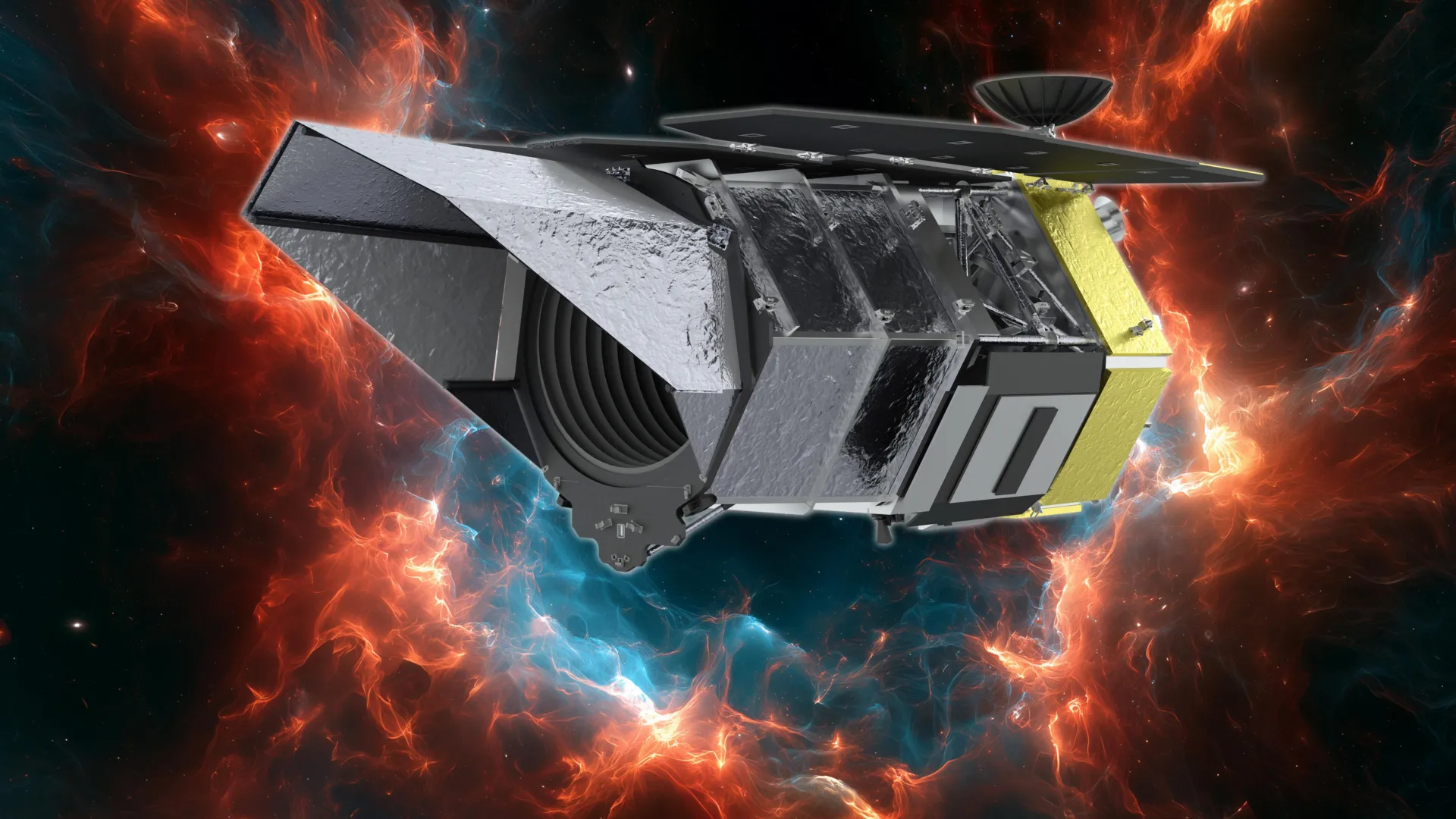
NASA’s Roman Space Telescope has successfully activated its 300-megapixel infrared camera, which will capture enormous stretches of the cosmos with Hubble-like sharpness. Its planet-hunting coronagraph is also working as expected, putting Roman another major step closer to beginning science operations in 2027.
NASA’s Roman Space Telescope may now have enough fuel for at least 22 years of science, more than double its original 10 year design life. An extremely precise course correction, extra fuel at launch, and additional expected savings could keep the powerful observatory studying the universe for decades.