World
The wave of Huti attacks on Saudi Arabia airports drives another escalation that can drag Trump
A new projectile hits the Riyadh airfield, the day after the bombing that killed at least 12 people
International news in seven languages
Topic
A new projectile hits the Riyadh airfield, the day after the bombing that killed at least 12 people
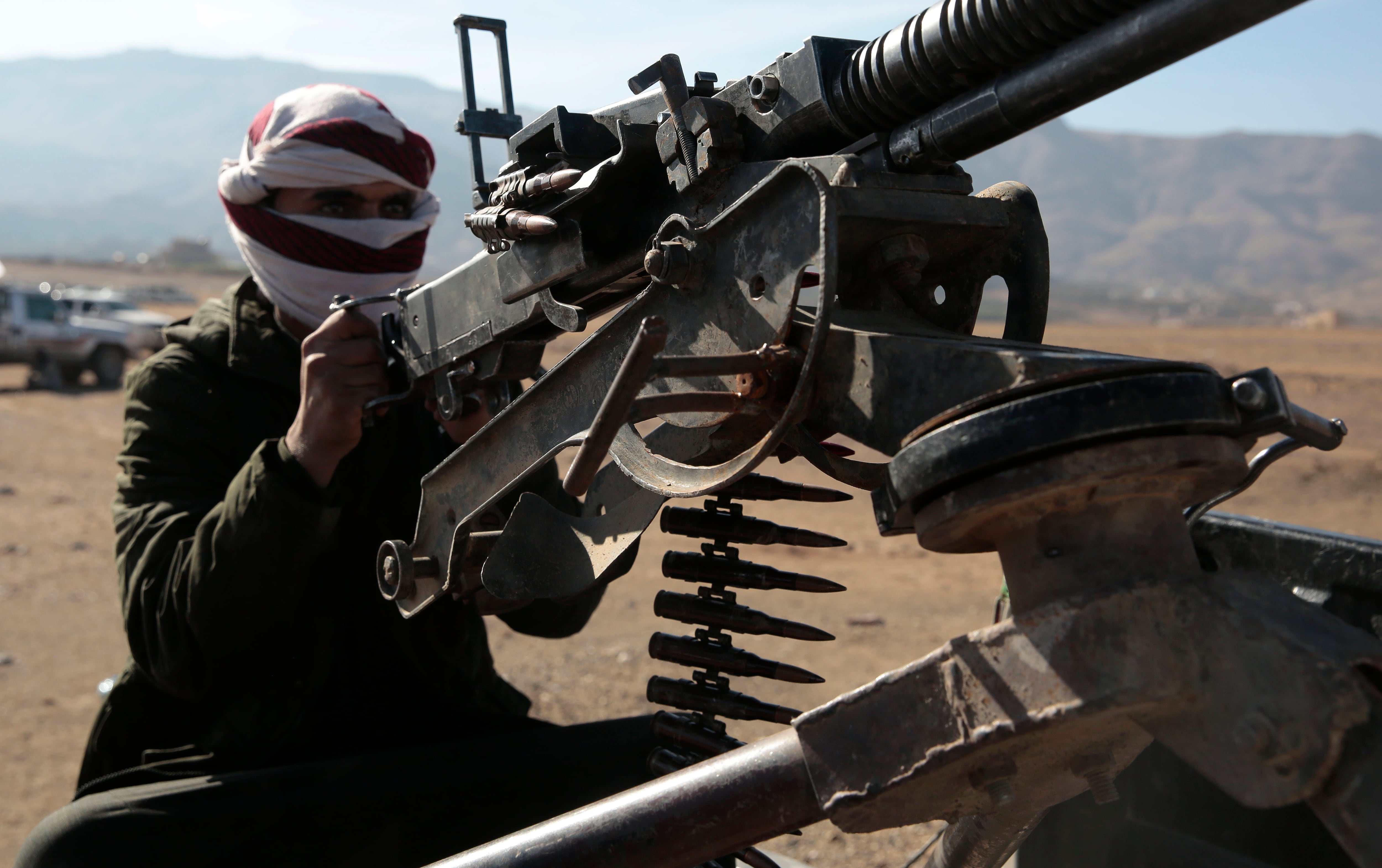
A missile reached King Khalid International Airport in Riyadh, leaving 12 dead and 309 injured, according to the Saudi Civil Aviation Authority. The Saudi-led coalition attributed the attack to the Iranian-backed Huti rebels. The airport suspended its operations and more than 600 flights were cancelled. The coalition promised to respond, while the United States assesses joining military operations against the Hutti.
The Iranian Foreign Minister spoke with his Saudi counterpart and offered to facilitate a dialogue "with Yemen," in the first contact between the two countries since the current escalation between Riyadh and the Bhutti rebels supported by Tehran began. The militia claimed several attacks on Riyadh International Airport since Saturday, 10 October, including an offensive that left 13 dead and 309 injured, as well as attacks on Saudi energy facilities.
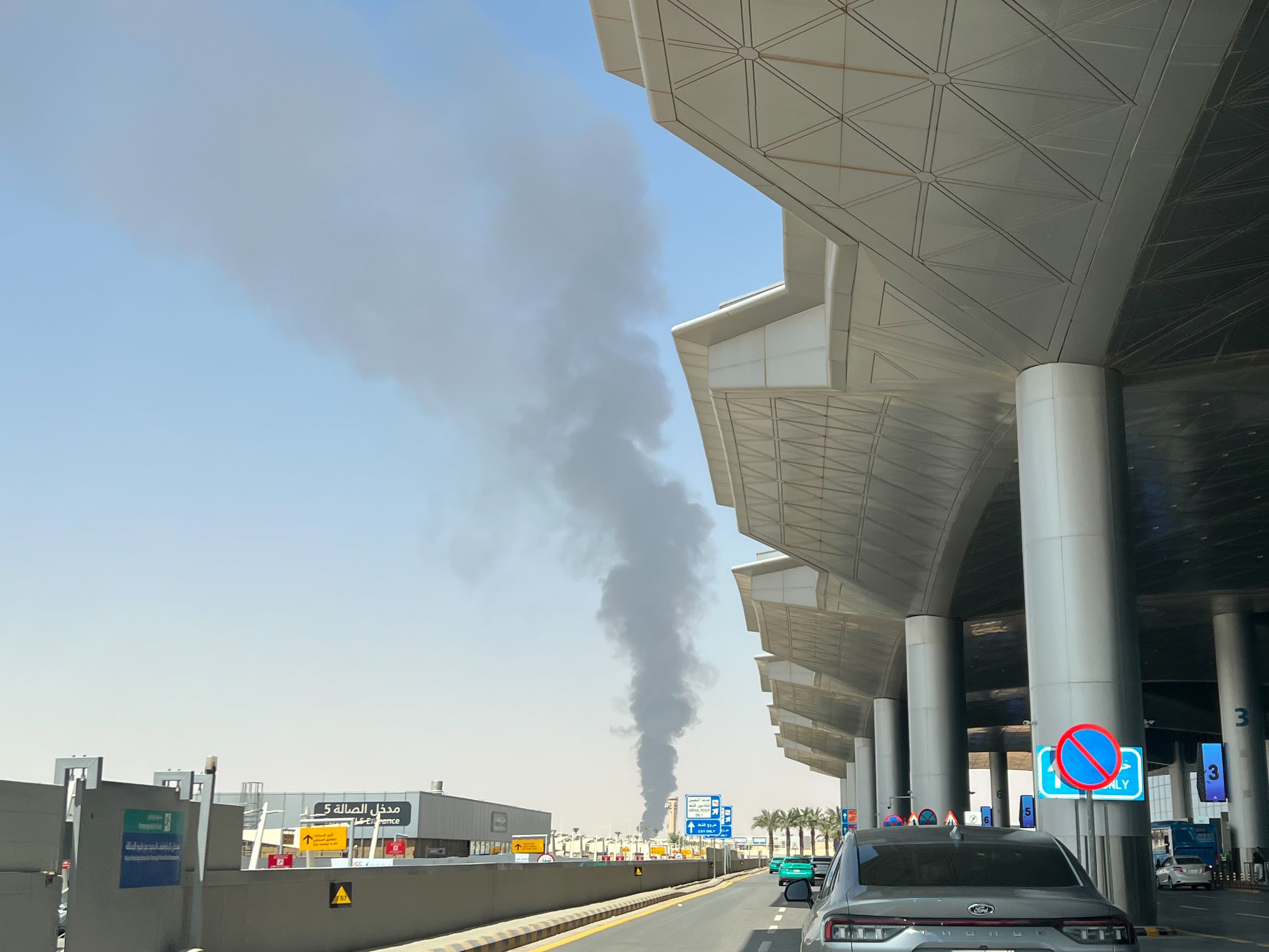
Saudi Arabia experienced the deadliest offensive in any Persian Gulf country since the beginning of the conflict in the Middle East, when a missile bombing of the Huti rebels, the third of the week on the same target, hit terminals 3 and 4 of King Khalid International Airport, also causing the cancellation of flights. Riyadh has promised to respond firmly, while the United States assesses joining the coalition against the Yemeni militias supported by Iran.
The fact occurs days after the Hutti of Yemen claimed similar attacks against the facility.
Among the deceased are four Saudis and one American. The local authorities have suspended all air operations at the airfield. It is the most lethal bombing of a Gulf country since the beginning of the war in Iran
An attack attributed to the Huti rebels reached Riyadh airport on Saturday, October 10. The doctors were called to the hospitals in the Saudi capital in the face of a "serious emergency." A diplomatic source aware of the attack told AFP that a "missile" hit the airport "at around 15: 00."
King Khalid International Airport suspended operations on 8 October following further attacks claimed by Yemen's Huti against Saudi Arabia. In response, Riyadh attacked command centres, missile and weapons systems and deposits in different cities. The attacks rekindle the fears of a further escalation of the regional conflict.
The militia warns that the Saudi skies are "the scene of military operations." Three people have died since Tuesday in attacks on Riyadh International Airport and Abha International Airport
Turkey, Saudi Arabia and Pakistan agreed to immediately activate their joint defence pact and to prepare for the deployment of military forces and capabilities on Saudi territory, at a time when Riyadh is facing a further escalation of attacks by the Hutti of Yemen. A few weeks ago, the rebel group quickly advanced and took key positions in the Bab el-Mandeb Strait, increasing tension in the region.
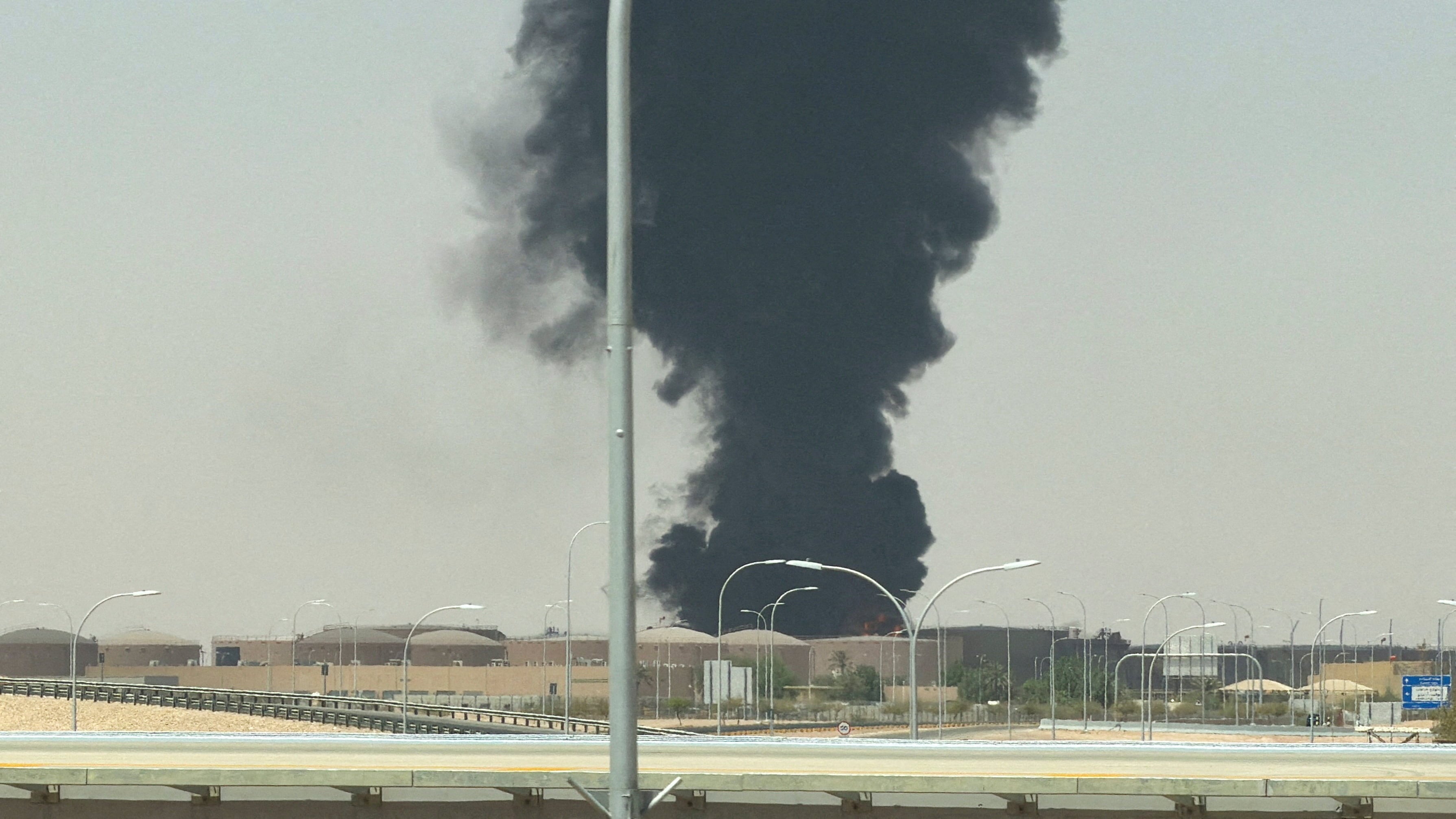
The Yemeni Hutti claimed on Saturday, October 3, the authority of the attack on an oil facility in Aramco in Riyadh, from which they unleashed flames. Shortly before, they had blamed the Saudi Army for 26 bombings against Sana'a, the Yemeni capital, which is under its control.
On Saturday, October 3, the Yemeni Hutti, aligned with Iran, claimed that they had attacked an Aramco oil facility in the Saudi capital, Riyadh, with ballistic missiles and drones, and said that the offensive was in retaliation for the Saudi attacks on Sana'a and other provinces of Yemen.
Without diplomatic relations between the two countries, Riyadh served the passengers, but denied Israel the dispatch of military aircraft to collect its citizens
The Riyadh-led coalition that faces the insurgent group said that it had directed an offensive with drones against a Medina power plant, one of the most sacred cities of Islam, an accusation that was answered by the Huti in turn denouncing Saudi attacks against Sana & apos; a and other cities of Yemen. It is the greatest escalation of tensions since the UN-mediated truce came into force in 2022.
Saudi Arabia seeks the support of Donald Trump in front of the Hutti in Yemen, but the White House has, for now, stopped a new military intervention. What pressure margin does Riad have on Washington? And what can the American President do about a conflict that threatens regional security and maritime routes? In this episode of East Express, we reviewed the history of the confrontation between the United States and the Hutti and analyzed the interests of Saudi Arabia and Trump's strategy with Sergio Castaño.
Despite recent attacks on Riyadh and its oil facilities, Saudi Arabia promises to resume oil shipments from Yanbu while receiving support from Western countries
The Hutti of Yemen claimed attacks on the capital of Saudi Arabia. For the first time since the conflict began in July, the Saudi Government was forced to activate air strikes alerts throughout the country. In Yemeni territory, fighting also continues between the internationally recognized Government and the rebel group, threatening thousands of civilians.
The residents of the Saudi capital woke up again in the morning of Sunday with an alert warning of a possible attack, followed by two strong explosions. The Huti movement of Yemen was attributed on Saturday, 19 September, to an offensive against strategic sites in the Saudi capital, where explosions were heard during the night for the first time since the resumption of hostilities between Riyadh and these pro-Iranian combatants.
Rebels claim to have hit Riyadh and state oil facilities Aramco in the Red Sea
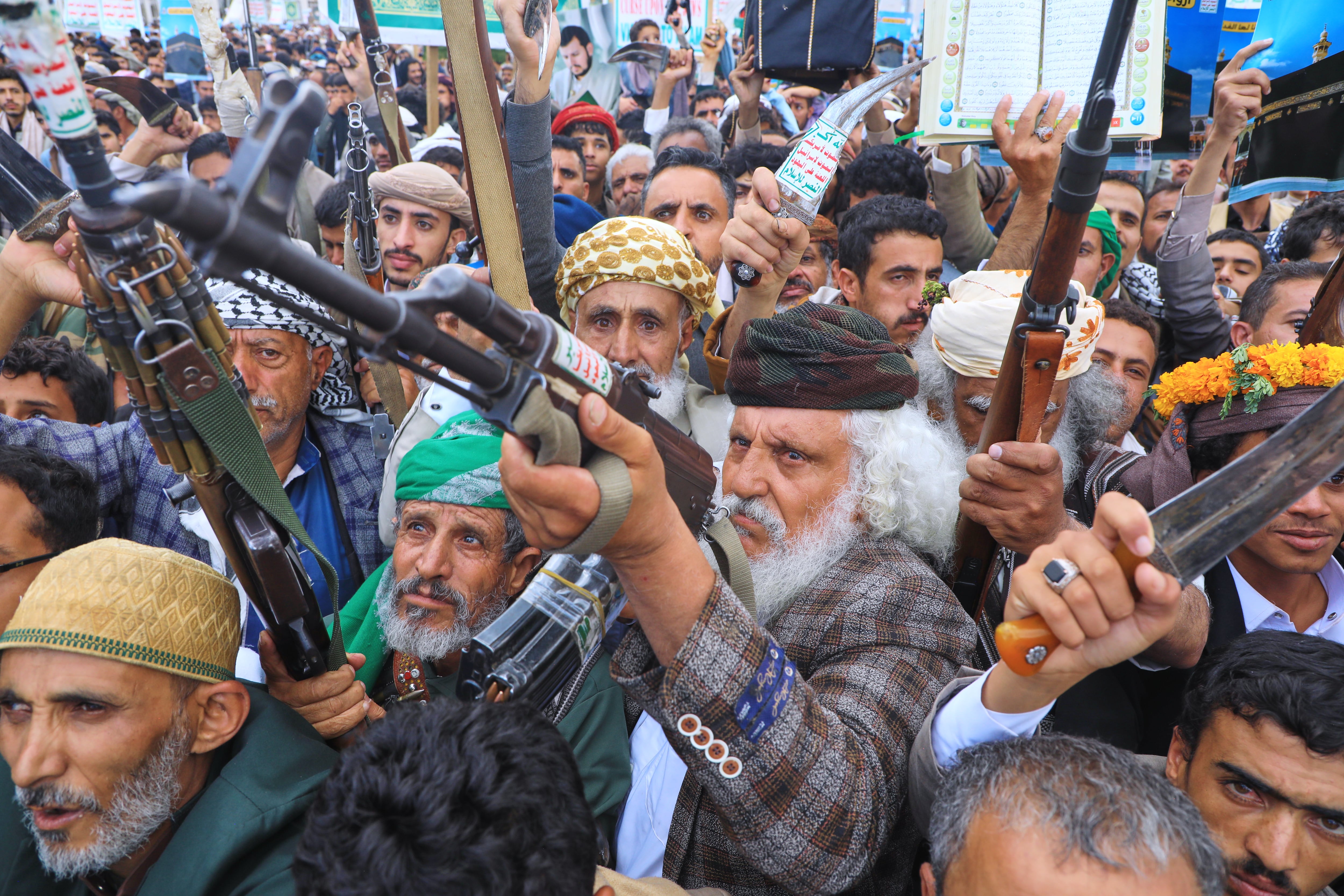
Riad is under maximum alert for the first time since the beginning of the Huti offensive in the Red Sea. The attacks took place one day after demonstrations in Yemen in support of the rebels, who reject allegations of having attacked Mecca and claim that their targets are Saudi oil facilities and military bases.