Advertisement
Advertisement

Topic

reveals

Health

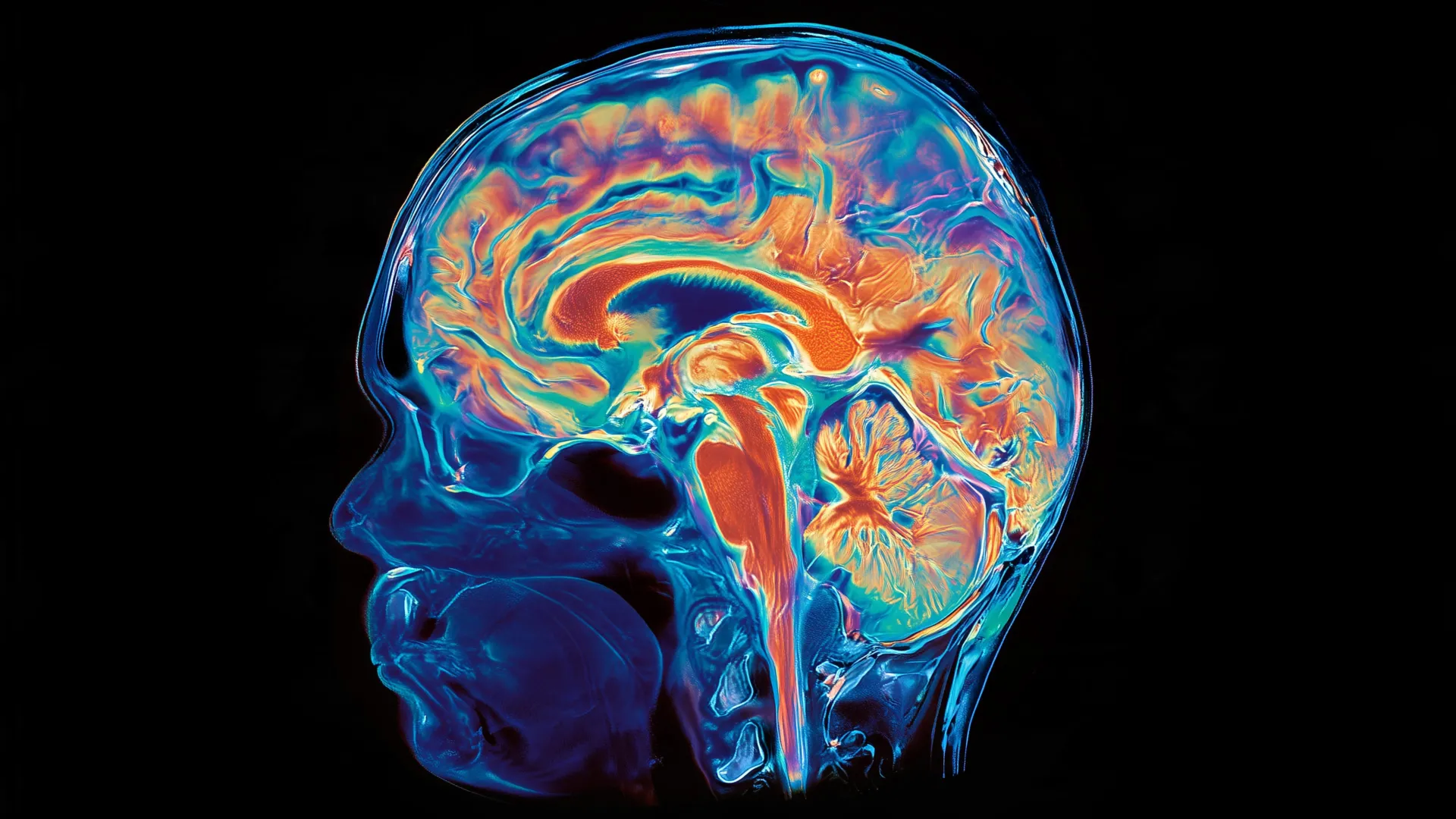
Glioblastoma breakthrough reveals how brain cancer cells become more aggressive

Scientists discovered that the thick, sticky fluid surrounding glioblastoma tumors can make brain cancer cells smaller, more flexible, and better at invading surrounding tissue. Even more troubling, some of these changes persist after the cells leave the thick fluid, revealing a previously overlooked mechanism that could help this deadly cancer spread.
Science

A tiny defect in a crystal reveals a big quantum surprise

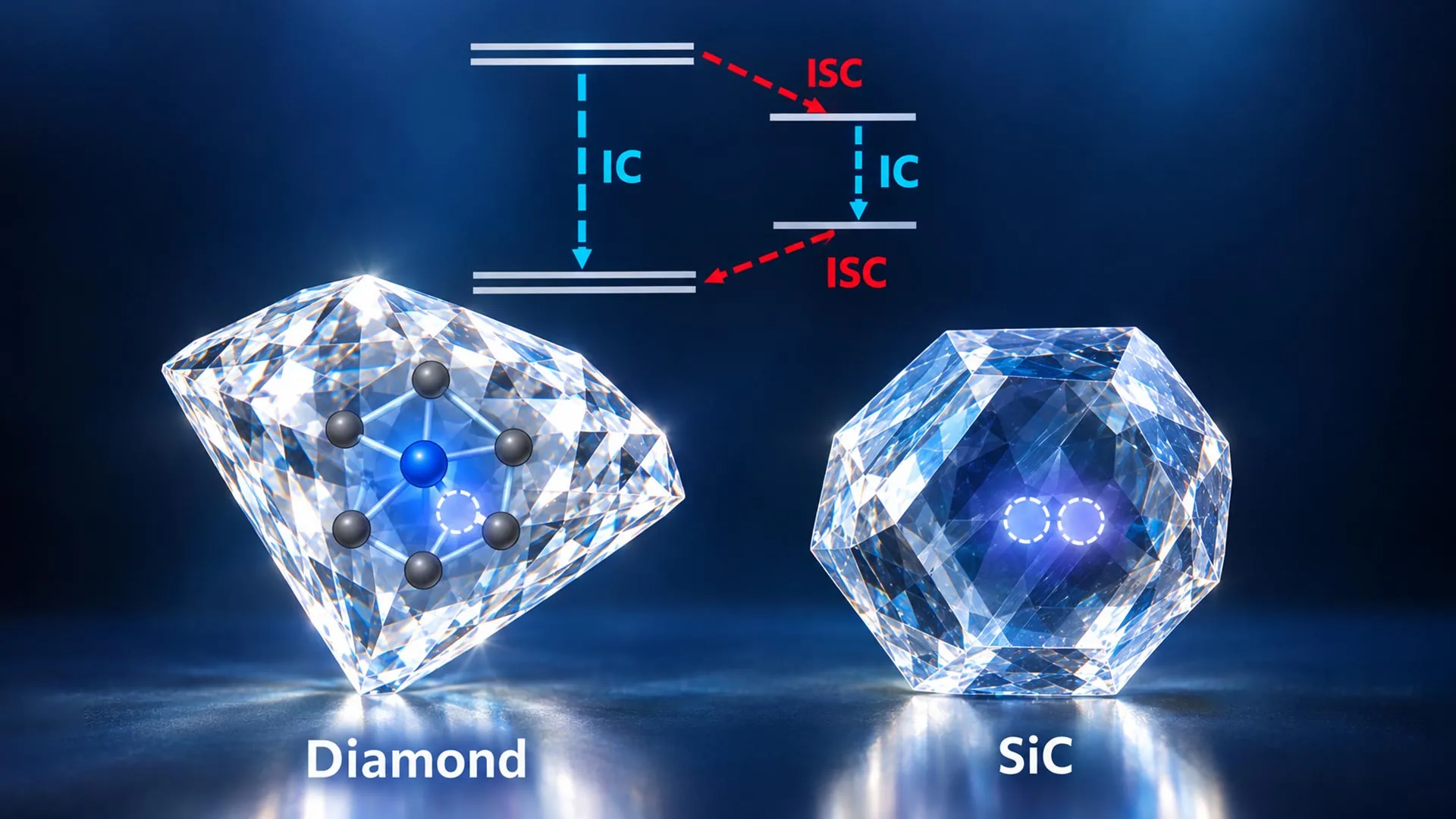
Researchers have solved a long-standing challenge in understanding how tiny defects in materials like diamond and silicon carbide behave when exposed to light. Their new computational method revealed a surprisingly important energy-loss mechanism in silicon carbide that scientists had previously underestimated. The finding helps explain a mystery that has puzzled researchers for years and could improve the design of quantum computers and sensors.

Science

NASA reveals 16 stunning galaxies hiding cosmic chaos

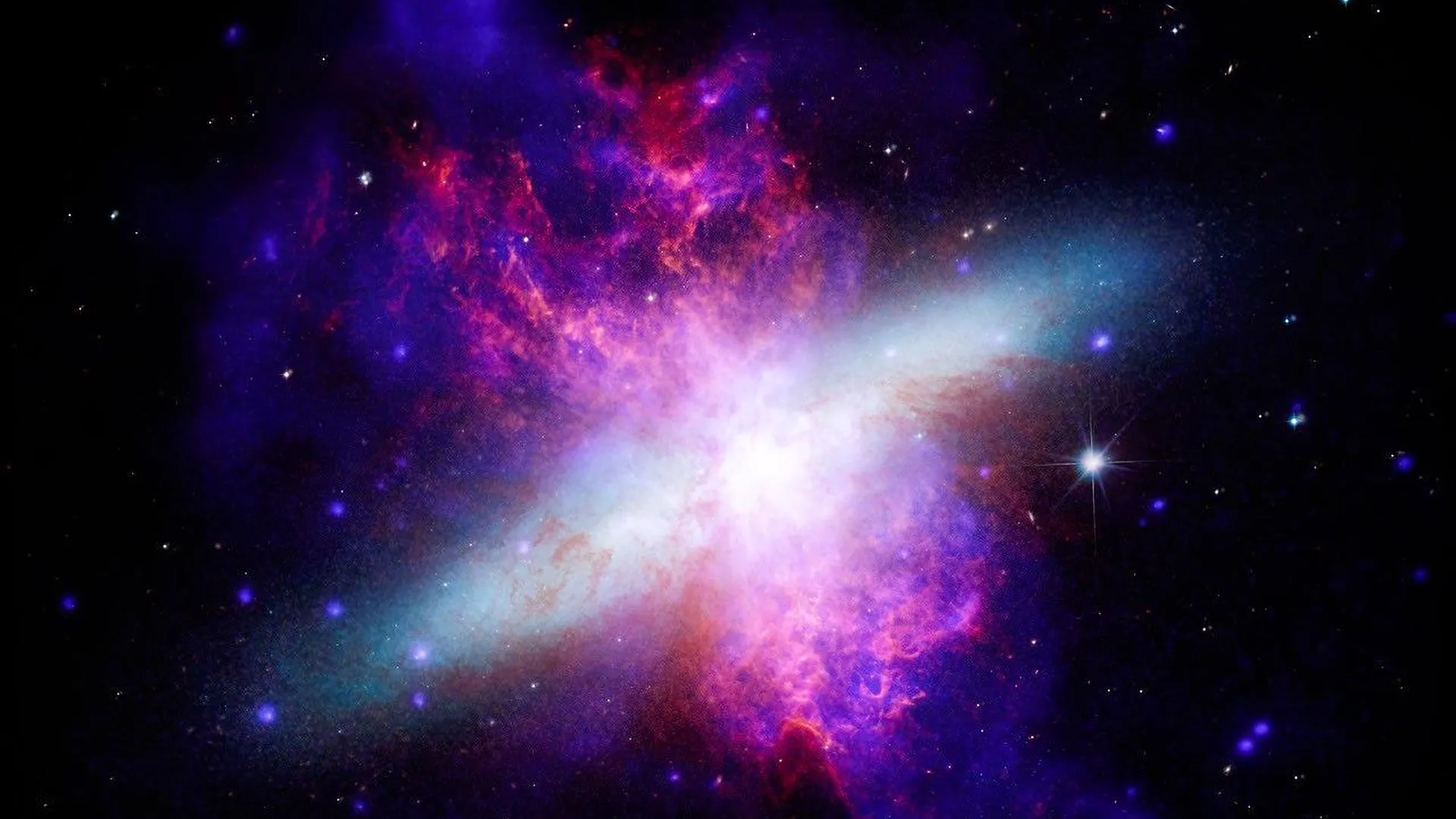
NASA's stunning new gallery of 16 galaxies reveals colossal black hole jets, explosive star formation, and spectacular cosmic collisions through the combined power of Chandra, James Webb, Hubble, and other telescopes. These extraordinary images expose the hidden forces shaping galaxies across the universe and offer clues about the Milky Way's own past and future.

Science

NASA’s Webb reveals the wild weather of a mysterious world 20 light-years away

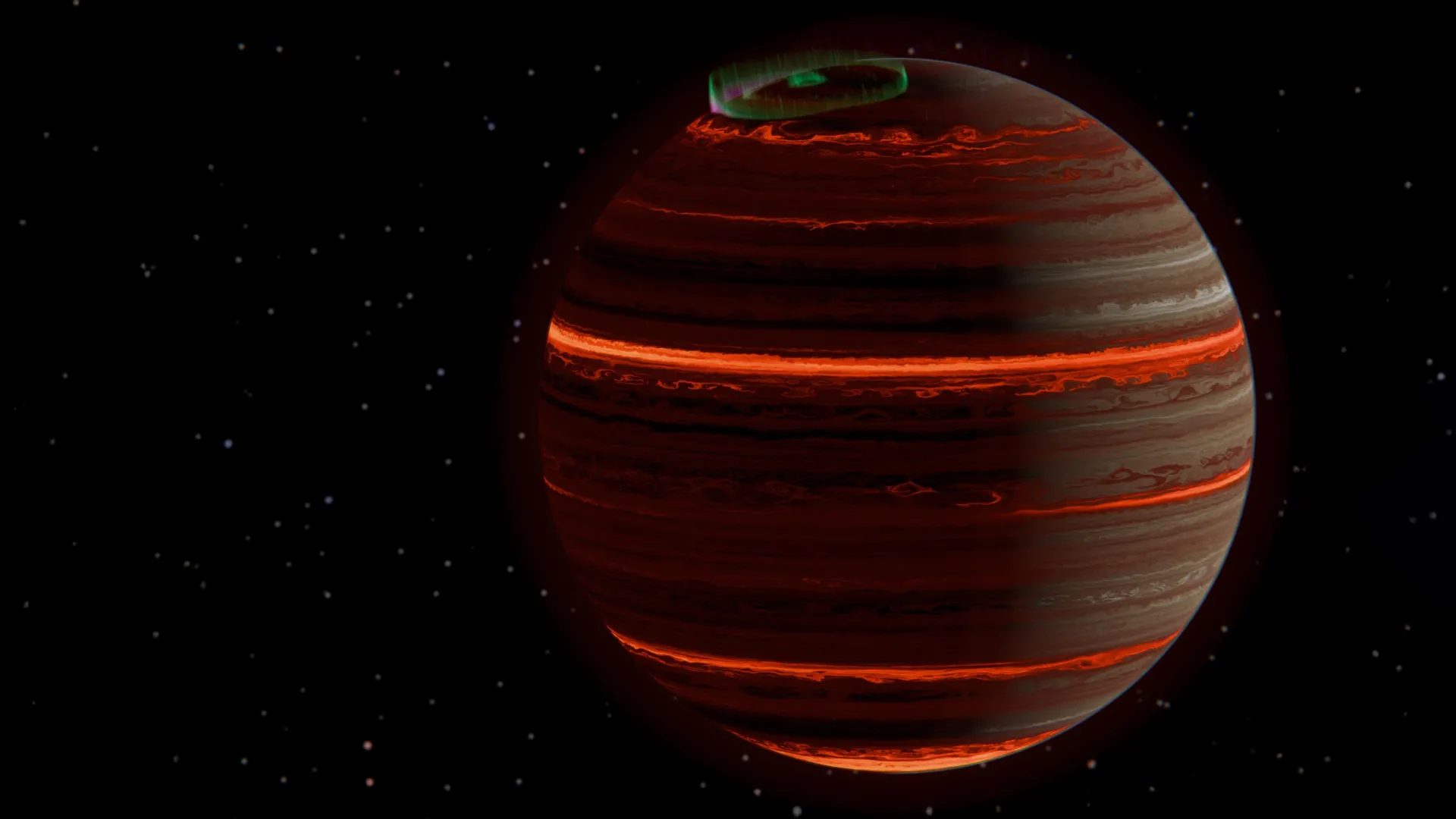
NASA’s James Webb Space Telescope has revealed that a turbulent world 20 light-years away has a surprisingly orderly weather system, with three recurring atmospheric states driven by temperature changes and shifting clouds. The breakthrough gives scientists a powerful new tool for uncovering weather patterns on distant worlds and understanding the conditions that shape their atmospheres.

Science

James Webb reveals a strange bulge in an alien planet's atmosphere

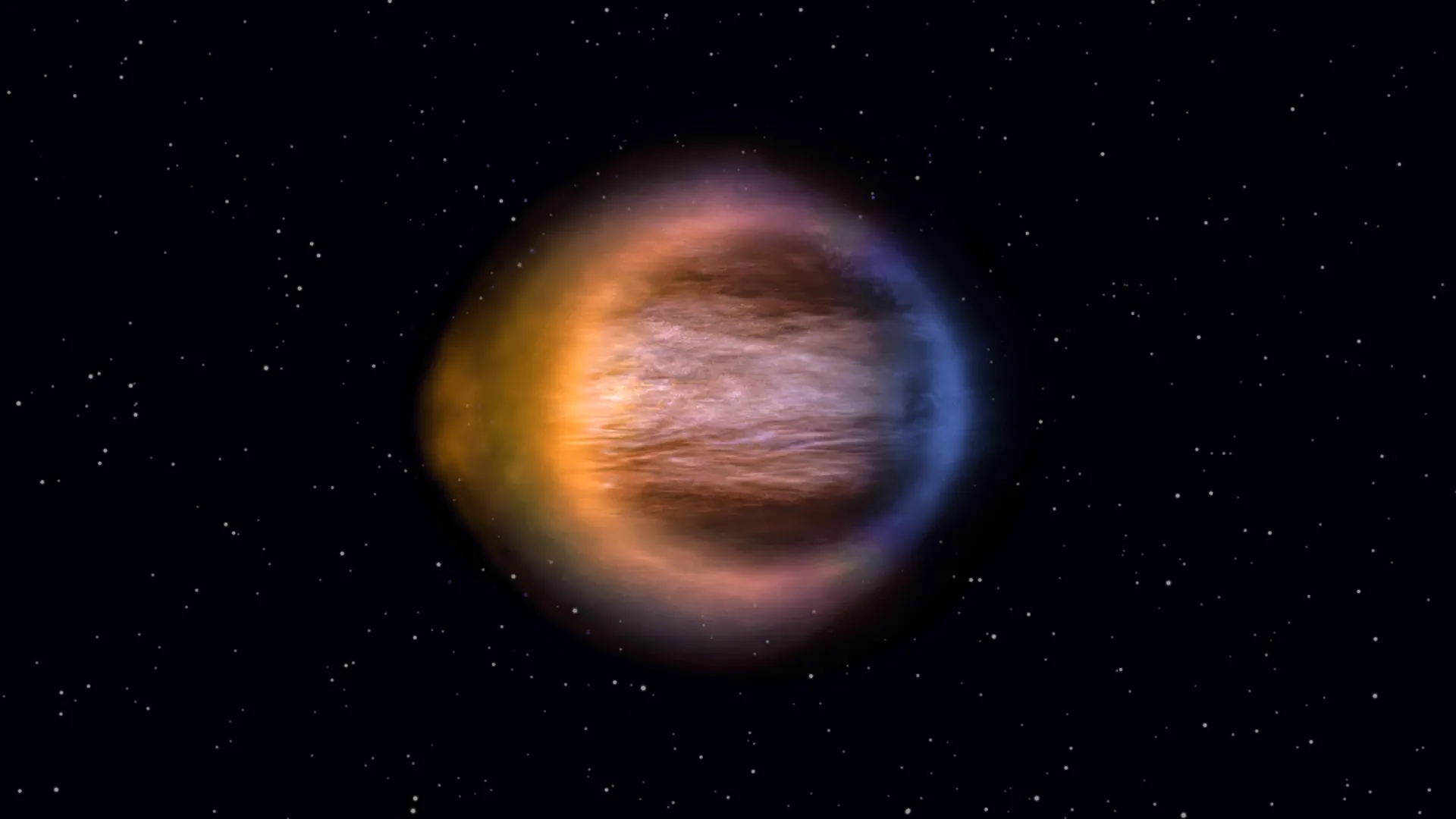
Astronomers using the James Webb Space Telescope have discovered that a distant alien planet's atmosphere is surprisingly lopsided. Located 1,300 light-years away, the scorching gas giant WASP-17b experiences powerful winds that redistribute heat, causing one side of its atmosphere to bulge outward. A groundbreaking new mapping technique revealed these hidden distortions, confirming predictions about how extreme temperatures and winds shape alien worlds.

Advertisement
Health

Stanford’s new microscope reveals living cells like never before

Stanford scientists have developed a revolutionary microscope that reveals the hidden inner workings of living cells in real time, without the fluorescent labels that can interfere with observations. The breakthrough could provide new insights into cancer, infectious diseases, and how drugs interact with cells.

Science

Rare study reveals a striking divide inside an Alzheimer’s patient’s brain

A rare examination of an Alzheimer’s patient’s brain revealed that regions cleared of amyloid plaques had remarkably little of the harmful tau buildup associated with memory loss, while neighboring areas showed extensive damage. The discovery suggests that removing amyloid may have lasting protective effects and could help slow Alzheimer’s progression, especially when treatment begins early.

Science

A 47-year study reveals the age when your body starts losing strength

A 47-year study has uncovered a surprising turning point in physical aging: fitness and strength begin declining around age 35, even among people who exercise regularly. Researchers found that this decline accelerates as people get older, but starting to exercise in adulthood can still improve physical performance.

Science

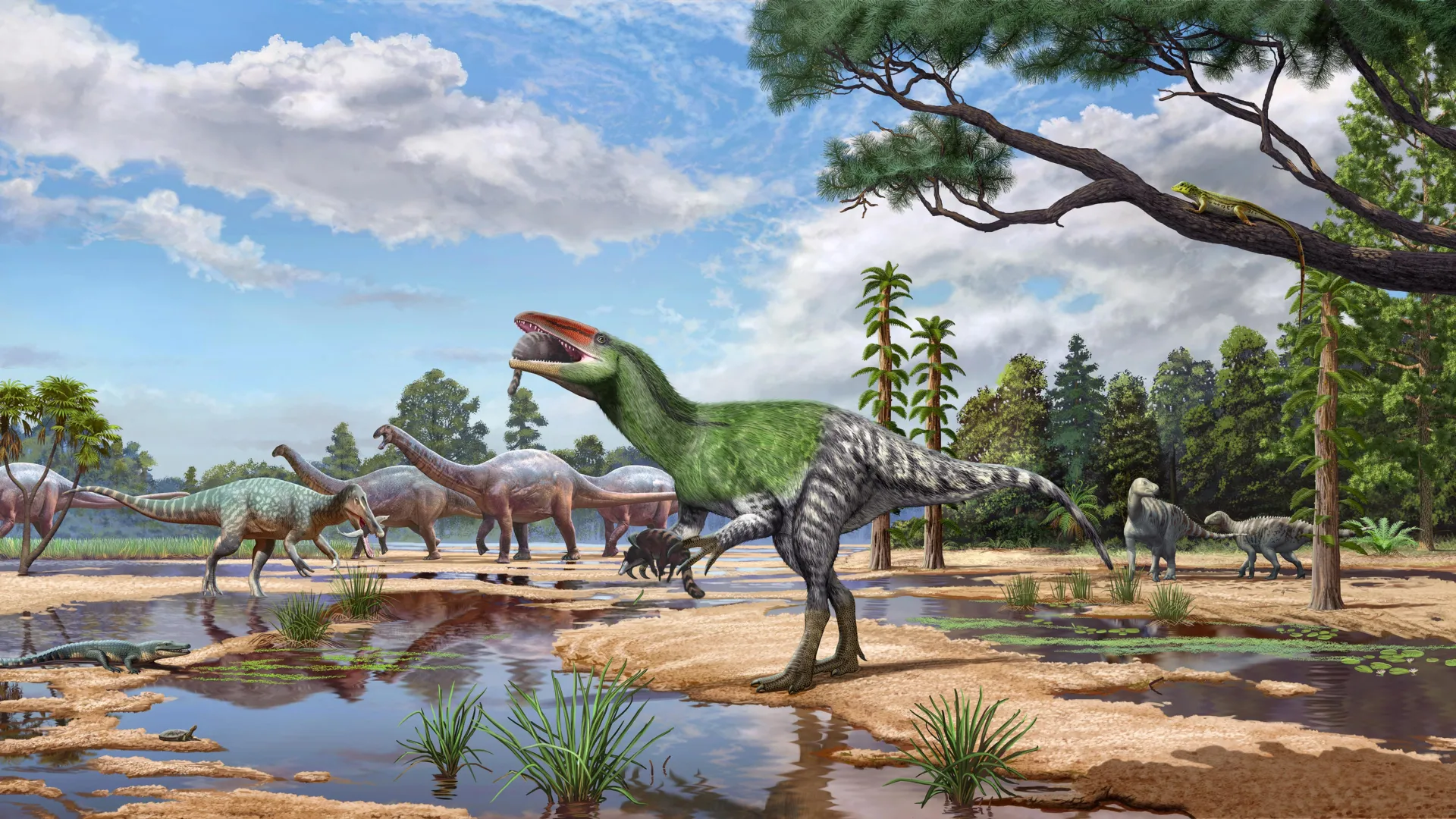
A forgotten fossil reveals a fearsome dinosaur with giant claws

A 120-million-year-old fossil forgotten in a museum for nearly a century has revealed a terrifying new dinosaur that may have been more dangerous to humans than a T. rex. The tiger-sized predator also provides the first evidence of megaraptorans in Europe, helping explain how these mysterious dinosaurs eventually became gigantic hunters.

Science

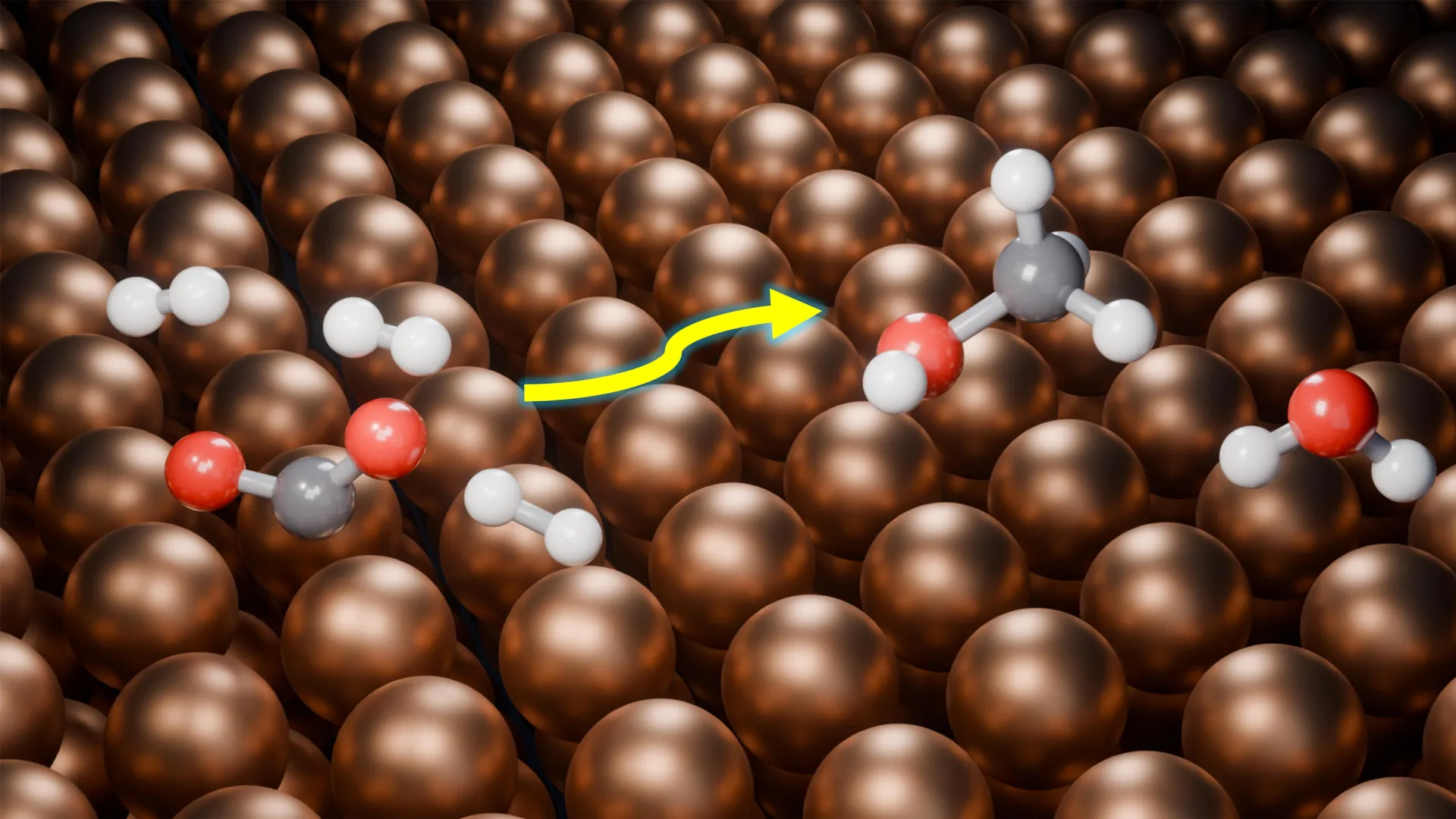
AI reveals a hidden chemical shortcut that could turn CO2 into fuel

Scientists used artificial intelligence to uncover nearly 10,000 chemical reactions involved in transforming carbon dioxide into fuels and chemicals, revealing crucial pathways that traditional models had missed. The discovery dramatically improved predictions of CO2 conversion and uncovered a surprising hydrogen reaction that could inspire more efficient catalysts.

Health

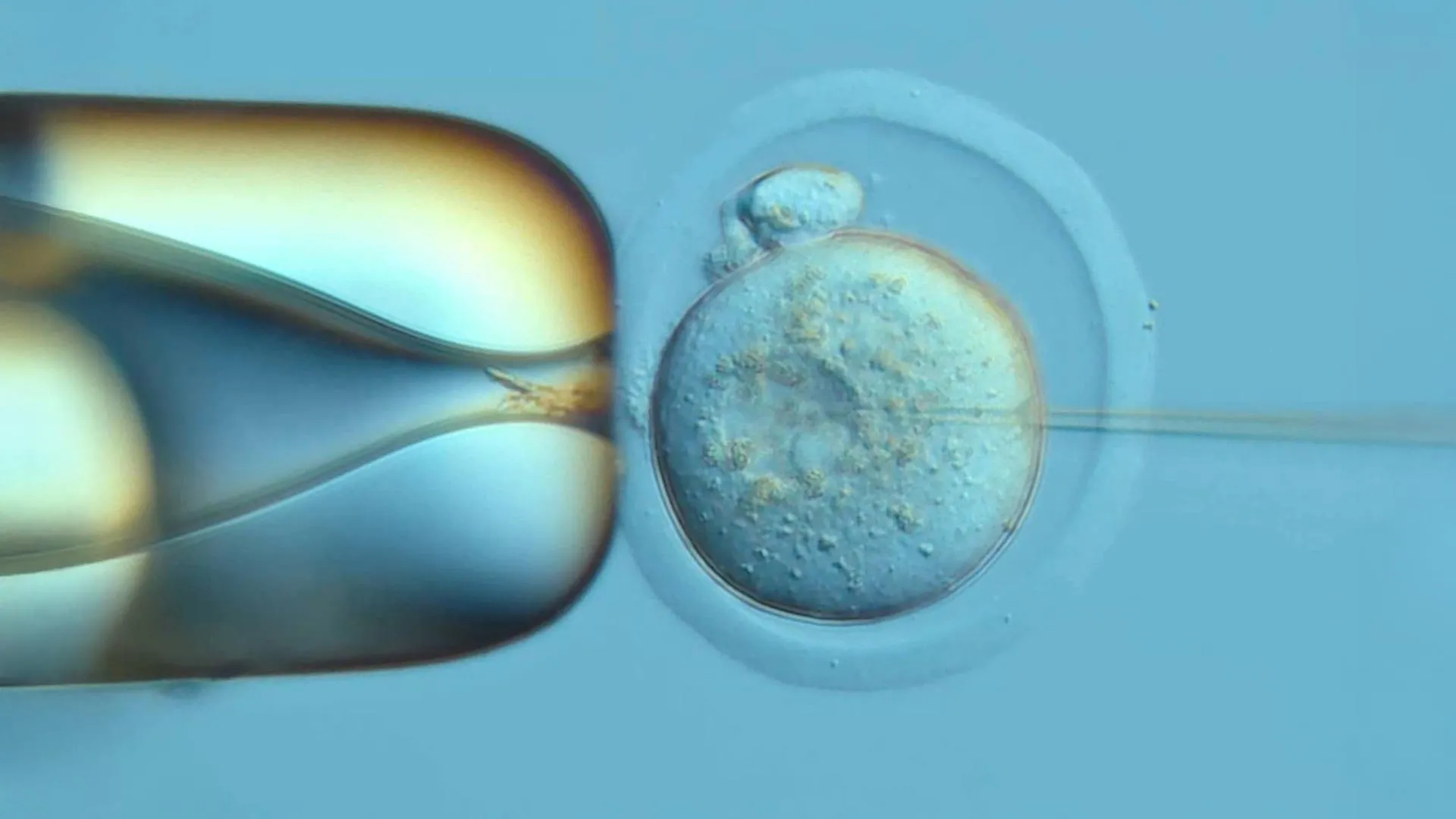
DNA recording system reveals how a single cell becomes a body

Scientists have traced the development of a mouse embryo from its first two cells to the formation of organs, using a remarkable DNA recording system that reveals the family history of individual cells. Their findings uncover how different cell types emerge on their own schedules and could help explain what goes wrong in birth defects, genetic disorders, and cancer.

Advertisement
Science

Einstein Probe reveals a hidden phase of neutron star collisions

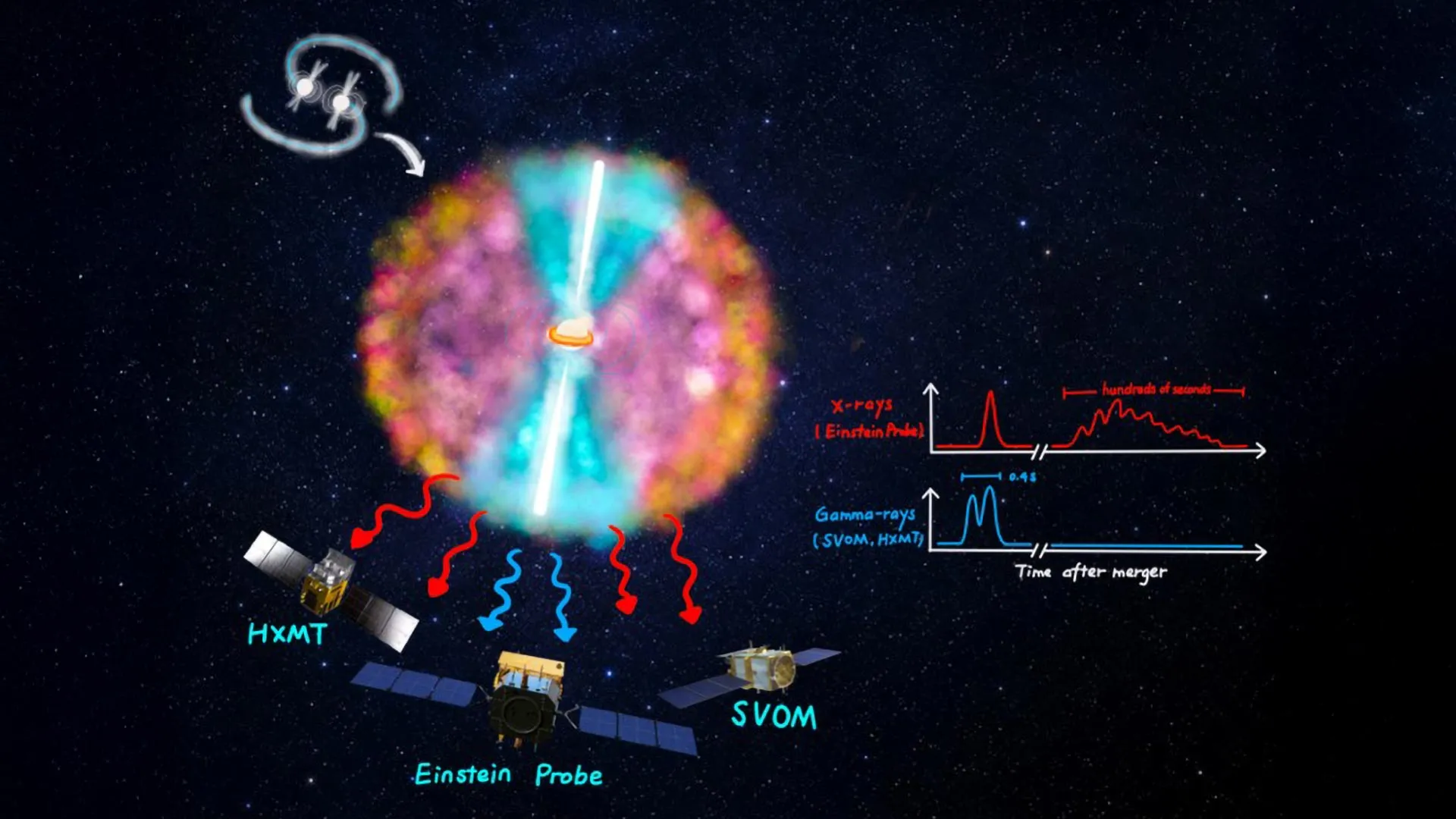
Einstein Probe revealed nearly 10 minutes of soft X-ray activity following a short gamma-ray burst, exposing a phase of neutron star mergers that previous missions may have missed. The prolonged emission could have been powered by a newly formed magnetar and may provide a valuable new counterpart to gravitational-wave signals.