Advertisement
Advertisement

Topic

reveal

Health

Your blood could reveal inflammatory bowel disease 10 years before diagnosis

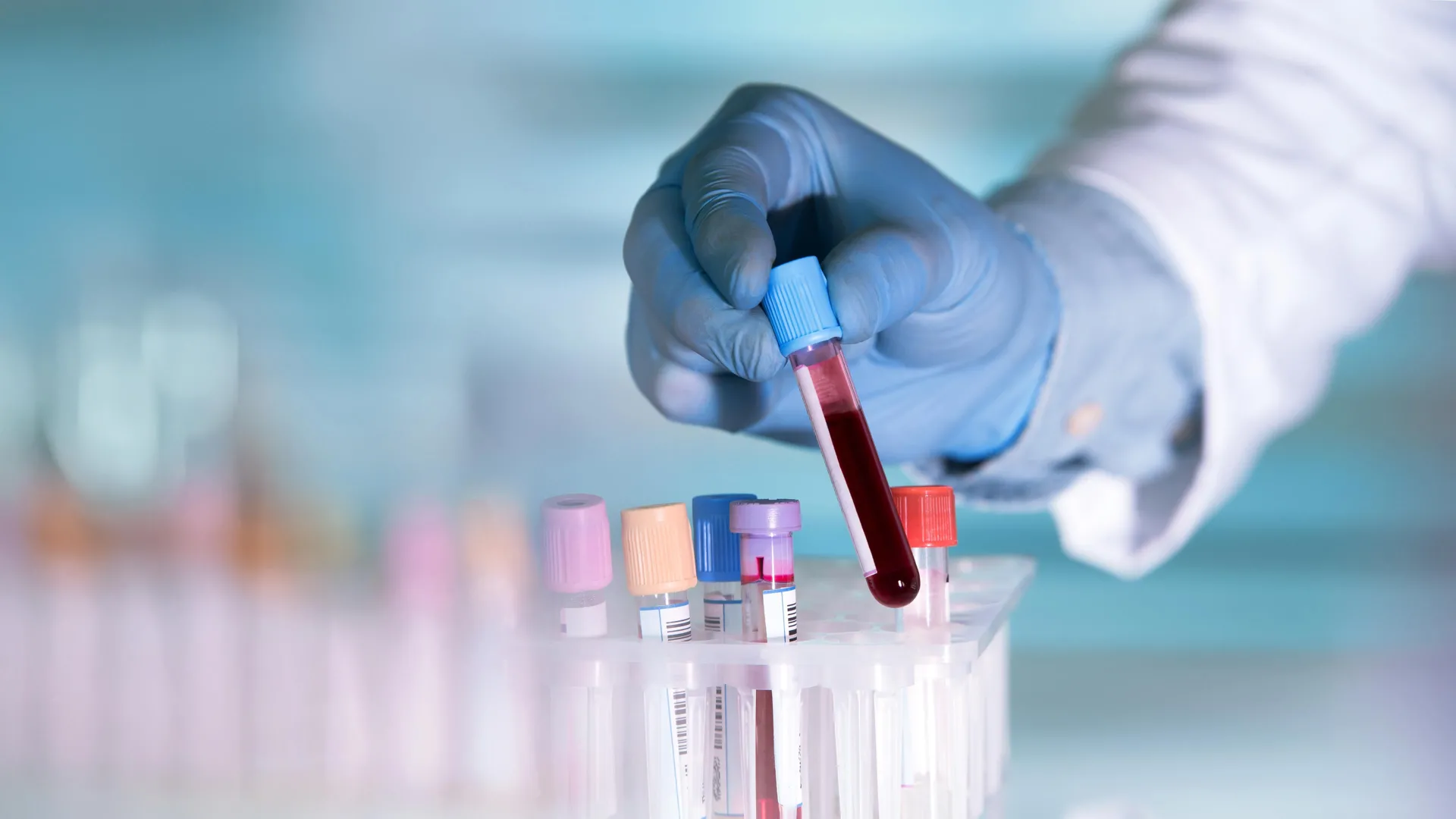
A major study has uncovered hidden warning signs of inflammatory bowel disease in the blood up to 10 years before diagnosis. Researchers discovered distinct antibody patterns that could help predict who would later develop Crohn’s disease or ulcerative colitis, even distinguishing people at risk of more complicated disease.
Science

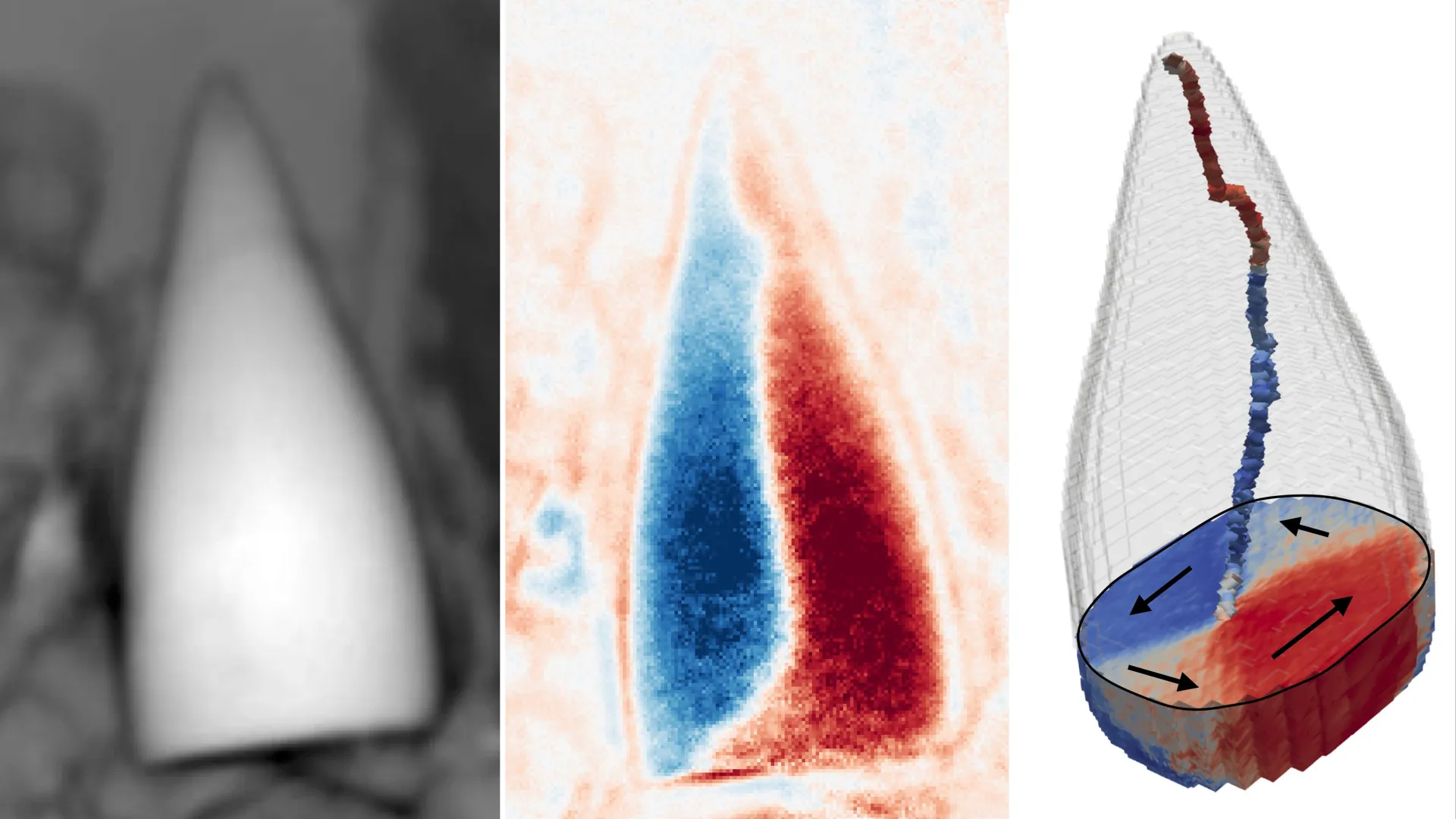
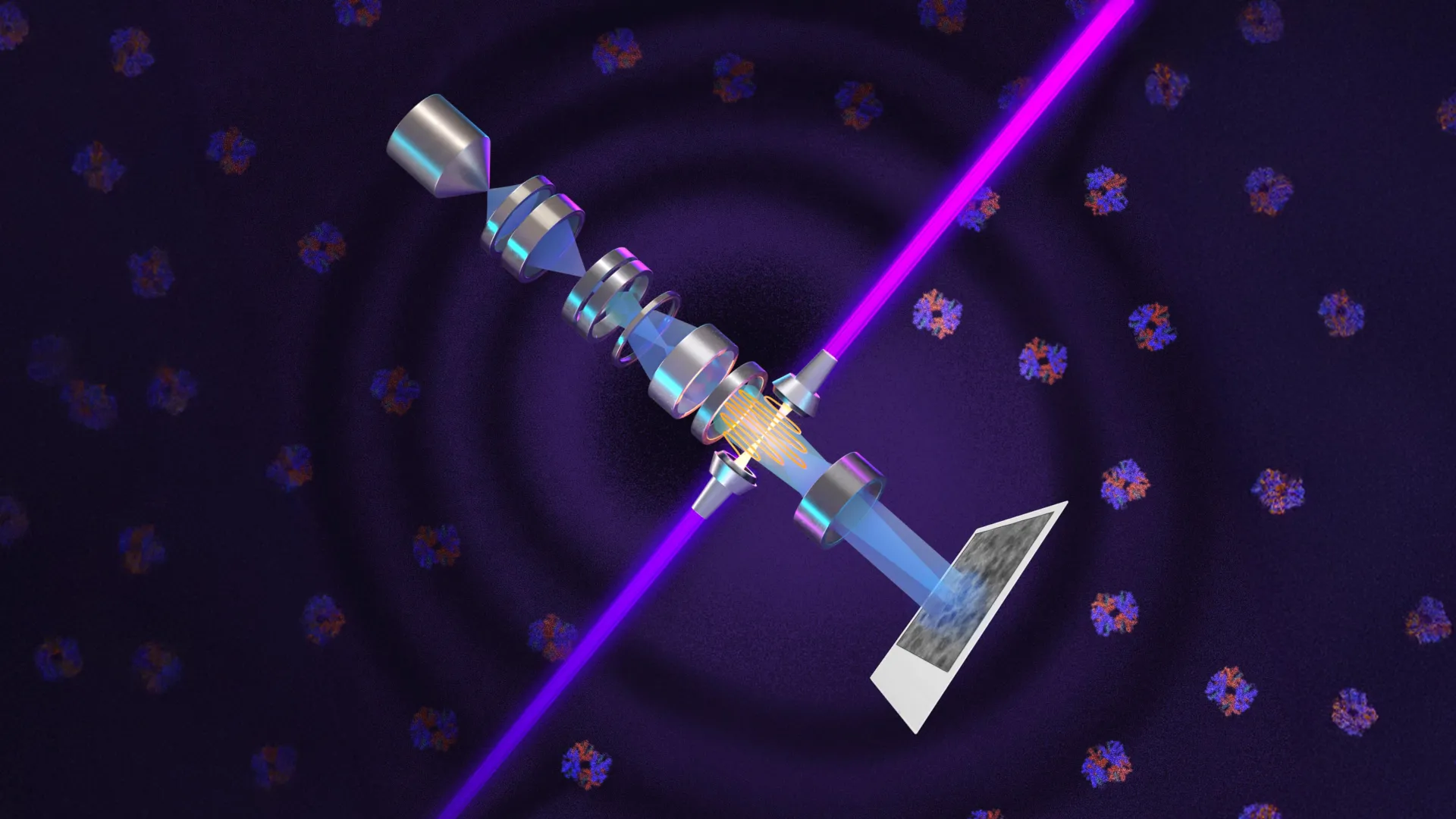
A revolutionary new microscope could reveal the hidden machinery of life

Researchers have developed a revolutionary microscope that uses an incredibly powerful laser to make previously invisible cellular structures easier to see. The technology dramatically improves image clarity, allowing scientists to examine small proteins that conventional electron microscopes struggle to capture. It could eventually reveal how tiny molecular machines interact inside cells, providing an unprecedented look at the hidden workings of life.

Science

Scientists reveal 93% of Australia's Indigenous population was lost in just 73 years

A groundbreaking study suggests that 2.22 million Indigenous Australians lived on the continent before European colonization, far more than previously believed. Researchers estimate that 93% of this population was lost within 73 years, revealing a demographic catastrophe on a scale that dramatically changes our understanding of Australian history.

Science

Scientists reveal why some workout recovery tricks can backfire

Ice baths, massages, compression garments, and recovery supplements promise faster muscle recovery, but research suggests their benefits are often overstated, and some techniques may even undermine long-term gains. Scientists say the most effective recovery methods are far simpler and cheaper: getting enough sleep, eating well, and giving muscles time to rebuild.

Health

Scientists reveal what seven days of fasting does to the human body

Scientists found that prolonged fasting triggers major changes throughout the body, but many of the most interesting effects only appeared after about three days without food. The results suggest fasting may influence health in ways that go beyond weight loss and could eventually inspire treatments that mimic its effects.

Advertisement
Science

Your gut bacteria may reveal how fast your brain is aging

A UCLA study links faster brain aging to specific gut bacteria and chemical byproducts, with older-looking brains also associated with poorer memory, focus, and mood. The findings suggest that biological signs of brain aging may appear decades before obvious symptoms and could eventually make the gut a target for prevention.

Science

Powerful simulations reveal how the first stars changed the universe

Ultra-detailed simulations are showing how the first stars lit up the dark Universe and seeded space with elements such as carbon, oxygen, and iron. The MEGATRON project could bridge JWST observations of the earliest galaxies with chemical clues preserved in ancient stars today.

Science

Help Overlap Zoo Reveal Cosmic Dust

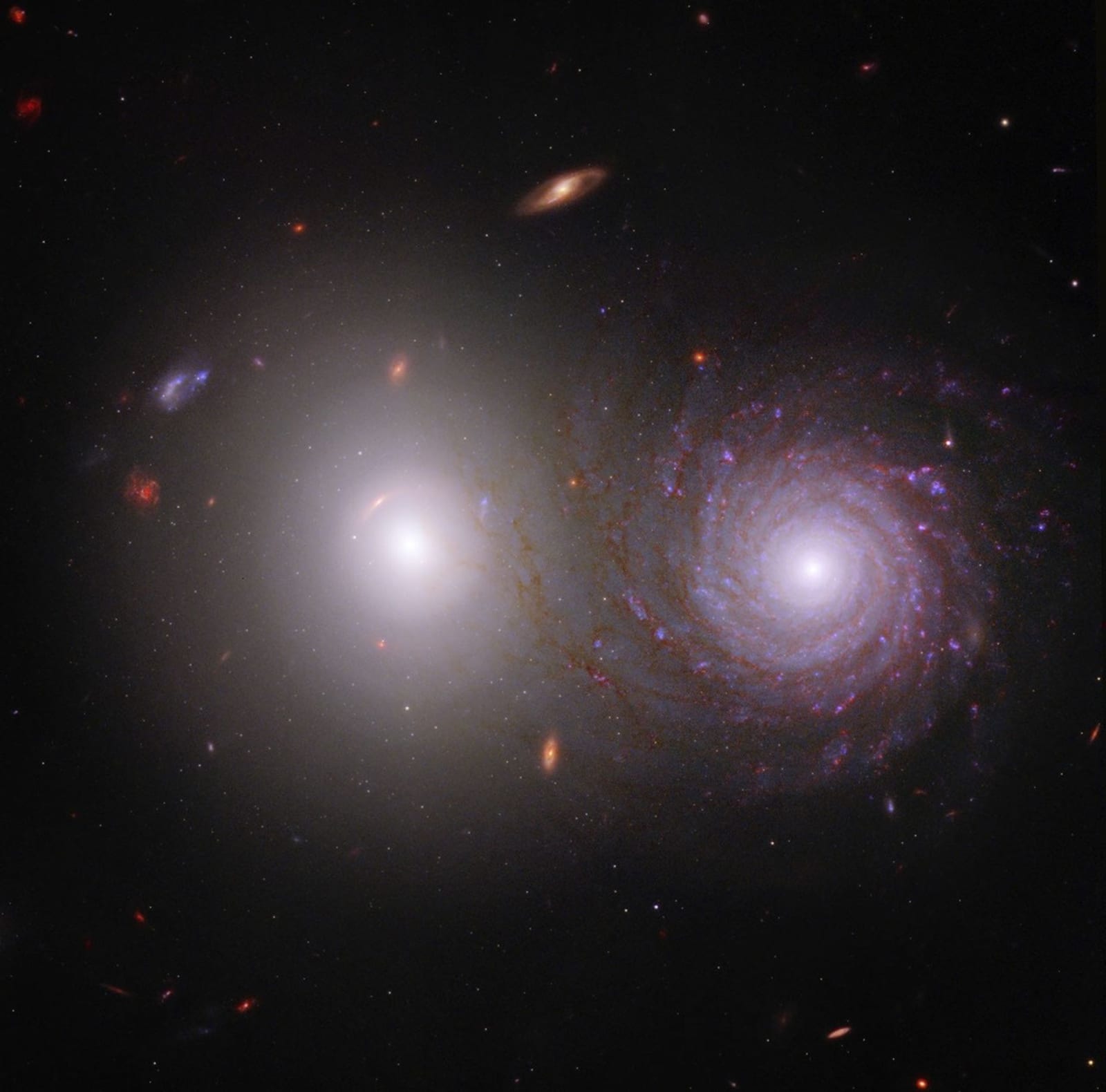
Galaxies, vast collections of billions of stars, gas, and dust held together by gravity, are scattered across the immensity of space. But every so often, a coincidence occurs: Two galaxies line up from our point of view on Earth (or from a space telescope) and appear to overlap in the sky. These rare overlapping galaxies […]

Health

Brain scans reveal which disorders are linked to faster brain aging

A massive MRI study found that Alzheimer’s disease, mild cognitive impairment, psychiatric disorders, and addiction are associated with distinct patterns of accelerated brain aging. The strongest effects appeared in Alzheimer’s and mild cognitive impairment, while ADHD and autism showed no significant overall difference.

Science

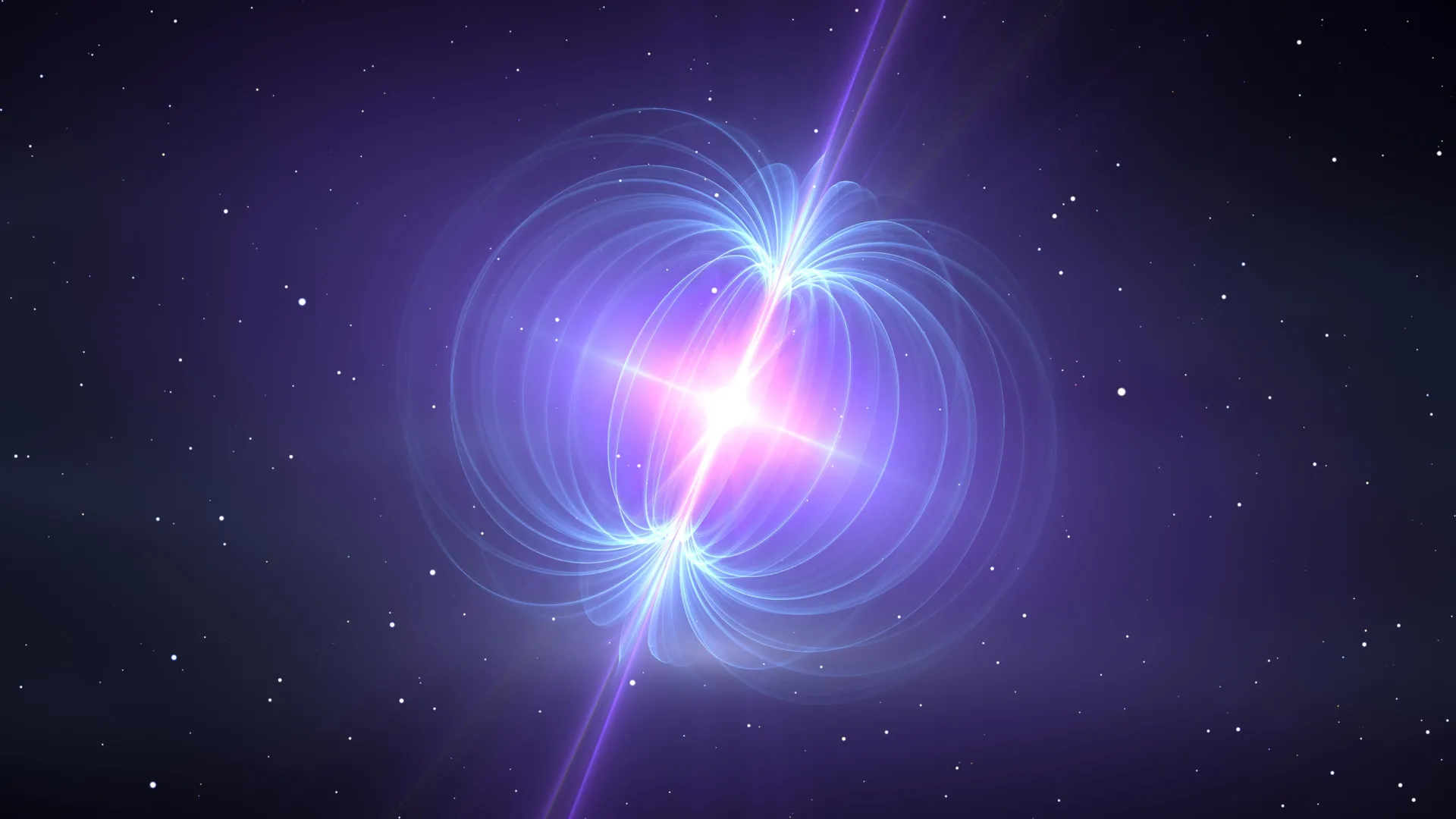
A record-breaking X-ray flash may reveal the birth of a magnetar

Astronomers have found strong evidence that some mysterious, minutes-long X-ray flashes are produced when two neutron stars collide and create a magnetar. One record-setting event glowed in X-rays for nearly 10 minutes, potentially opening a new way to find these extreme cosmic mergers.

Health

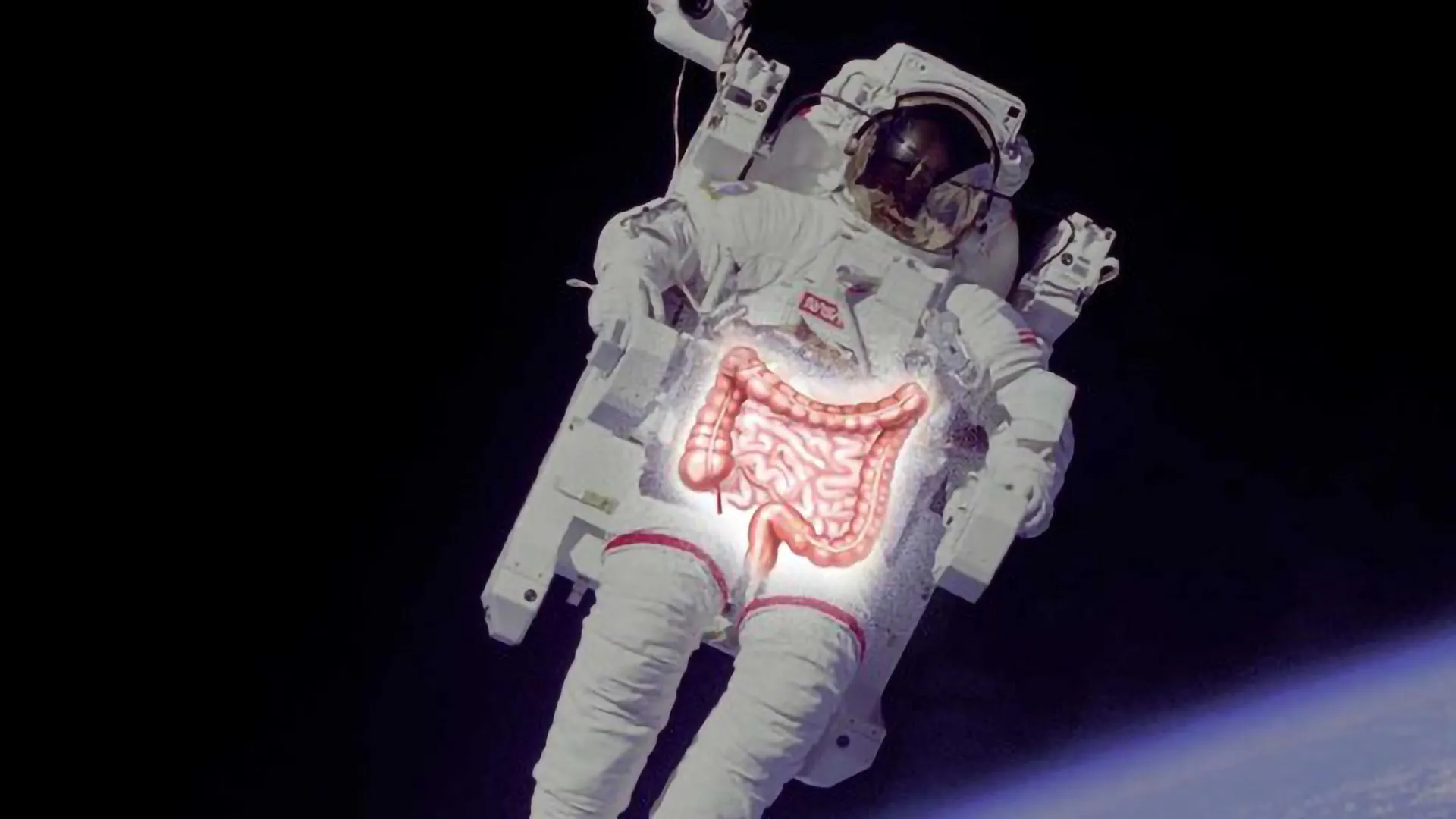
Blood tests reveal why astronauts get constipated in space

Spaceflight may dramatically change the gut within weeks, causing bacteria to break down more protein as food moves more slowly through the intestines. The shift could help explain astronaut constipation and may have wider effects on health, making it an important concern for future missions to Mars.

Science

New soil test could reveal how soil microbes help feed plants

Scientists have streamlined a method for measuring DNA-bound phosphorus in soil, making it cheaper and easier while preserving its accuracy. The technique could reveal how soil microbes help recycle phosphorus and ultimately support more sustainable fertilizer and nutrient management.

Advertisement
Science

1.7-billion-year-old fossils reveal a crucial clue to the rise of complex life

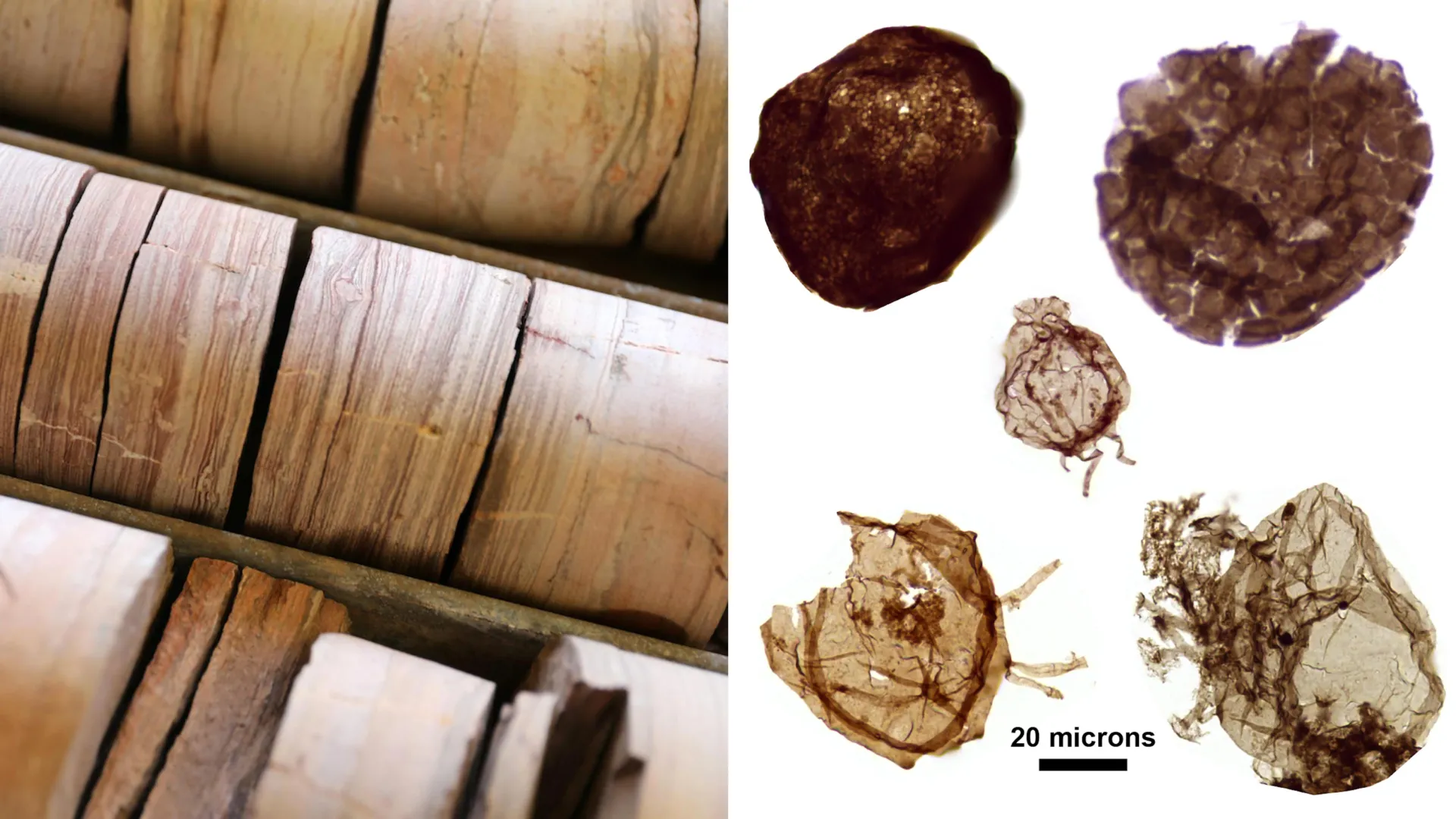
Scientists studying ancient Australian rocks uncovered more than 12,000 fossils from some of the oldest known eukaryotes on Earth. These early complex cells lived in settings ranging from coastal mudflats to the open sea, but only where oxygen was available. Oxygen-free environments contained simpler microbes instead. The findings strengthen the idea that oxygen played a crucial role in the emergence of complex life.