World
Rare pink diamond goes on display in France 100 years after amateur heist
The French royal jewel will be on public display for the first time since it was found hidden in an apple after a 1926 theft.
International news in seven languages
Topic
The French royal jewel will be on public display for the first time since it was found hidden in an apple after a 1926 theft.
Protests have taken place over the rules which have seen pupils wearing hijabs turned away from schools.
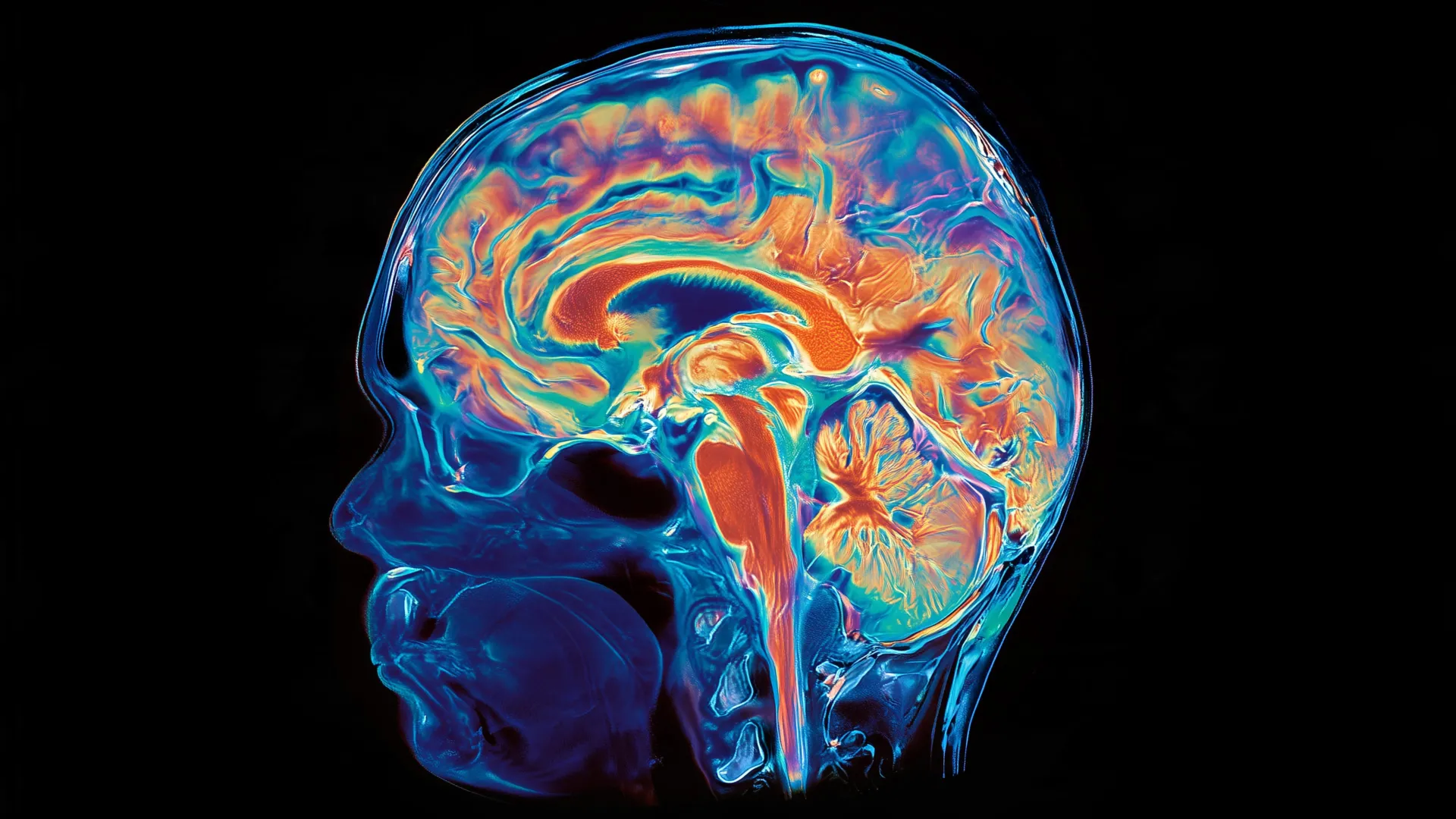
A rare examination of an Alzheimer’s patient’s brain revealed that regions cleared of amyloid plaques had remarkably little of the harmful tau buildup associated with memory loss, while neighboring areas showed extensive damage. The discovery suggests that removing amyloid may have lasting protective effects and could help slow Alzheimer’s progression, especially when treatment begins early.
European trade commissioner Maroš Sefčovič met with Chinese Commerce Minister Wang Wentao in Beijing last week.
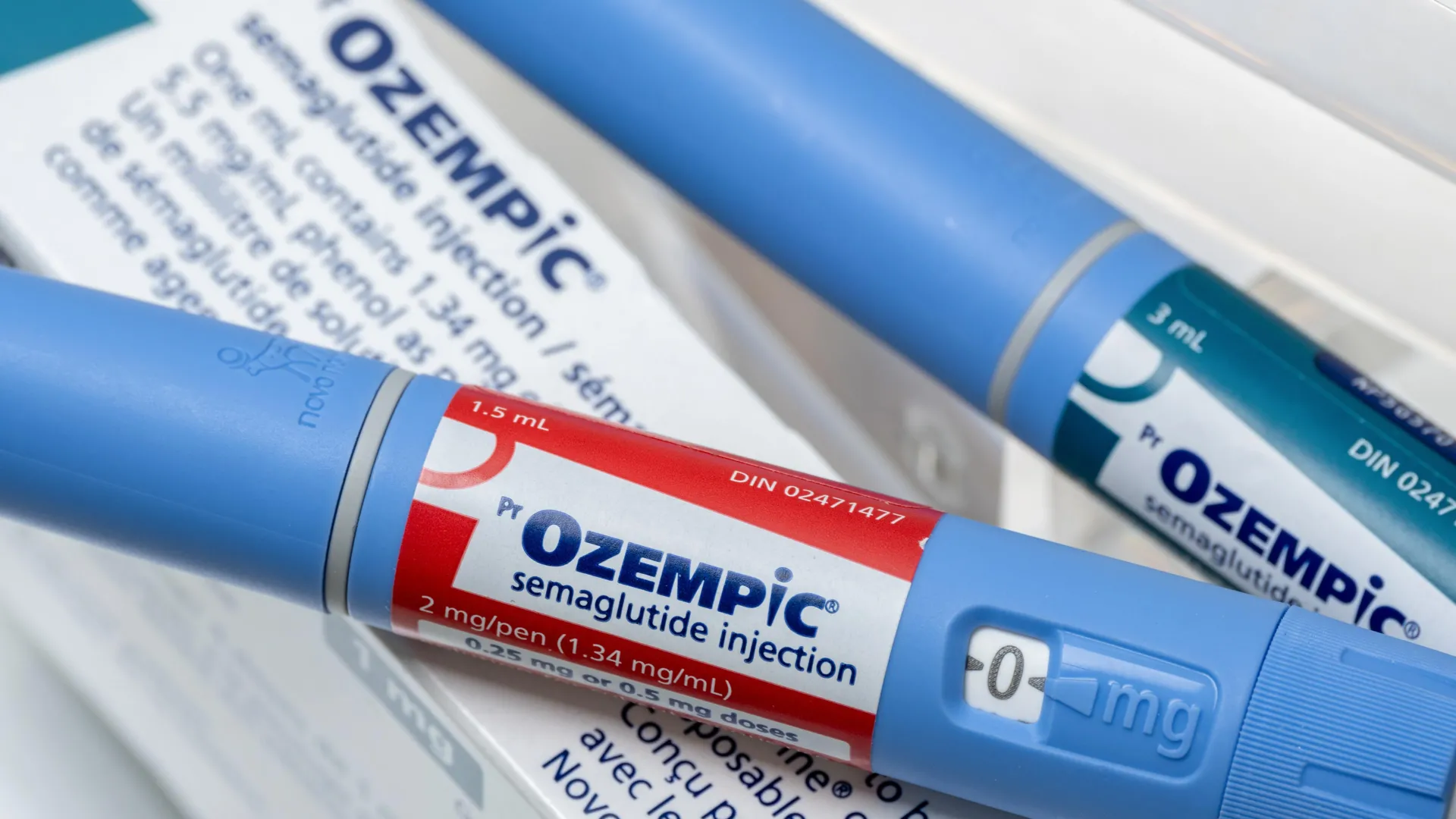
Popular diabetes and weight loss drugs such as Ozempic and Wegovy have been linked to a slightly increased risk of a rare condition that can cause sudden, potentially permanent vision loss. Although the risk remains very low, Rutgers researchers say the findings warrant attention as millions of people turn to GLP-1 medications.
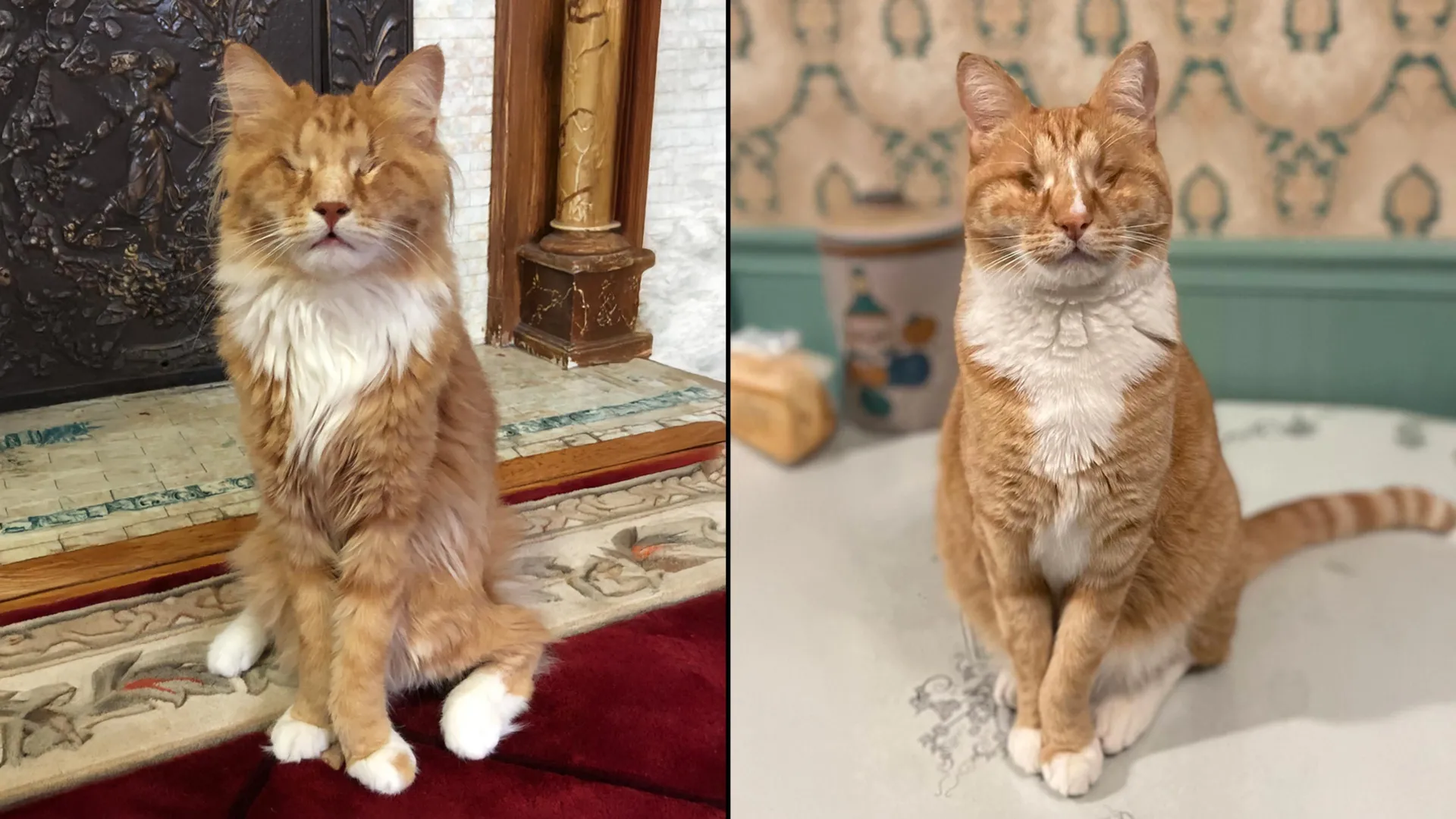
Two unusually long-legged cats have helped scientists uncover the first genetically confirmed cases of Marfan syndrome in domestic felines. Researchers at Cornell University discovered that the brothers carried two altered copies of a gene linked to the rare connective tissue disorder, which can affect the eyes, heart, and blood vessels. Surprisingly, the cats survived into adulthood because their genetic mutation still allowed some normal function.
The San Francisco 49ers and the Minnesota Vikings maintain their perfect starts to the season on another gripping Sunday in the NFL.
A rare albino Asian black bear was captured on camera in China’s Shennongjia National Park
Advocates of human rights and international justice cheered, even as Israeli officials fumed, after South African jurist and former UN human rights chief Navi Pillay won the Nobel Peace Prize on Friday. The 85-year-old drew wide praise for decades of work, including investigating crimes in Rwanda, Israel and the occupied Palestinian territories.
A rare David Bowie self-portrait is going on auction at Sotheby’s, featuring the musician and artist’s own handprints. The 1996 work is part of eight self-portraits Bowie created during a prolific period of painting, all of which were snapped up immediately. Done on paper, the painting emphasizes Bowie’s signature anisocoria and includes two of his […]
Apple may be best-known for its AirPods earbuds, but more and more people are catching onto the brand’s AirPods Max headphones as well. Seen on stars like Ariana Grande, Bella Hadid, Timothée Chalamet and the girls from Blackpink, the AirPods Max are Apple’s first-ever wireless headphones, with an instantly recognizable earcup design and big, powerful […]
Daryz repeats last year's success in the Prix de l'Arc de Triomphe, becoming just the ninth horse to win Europe's richest Flat race more than once.
A rare tree, Fay's whitebeam, that is only found on cliffs in Somerset is being protected.
The twister was caught on camera in Ulladulla, New South Wales, damaging property and downing trees.
Wildlife cameraman Dan Abbot is caught off guard by a humpback whale, a rare sight in Welsh waters.
Maria Paula spent nearly 30 years looking for a diagnosis for the chronic pain she was suffering from, until she met a medical student who changed her life.
Experts called it a "special surprise" to find an "incredibly sparse moth" in this habitat.
The programme to help the Moss carder species will focus on Cornwall, Kent and the North Pennines.
A major analysis suggests Phelan-McDermid syndrome, a genetic disorder closely linked to autism, may affect about 1 in 7,300 people and more than 45,000 Americans. Researchers warn that thousands of cases may remain hidden because genetic testing is often not performed, even as targeted treatments move into clinical trials.
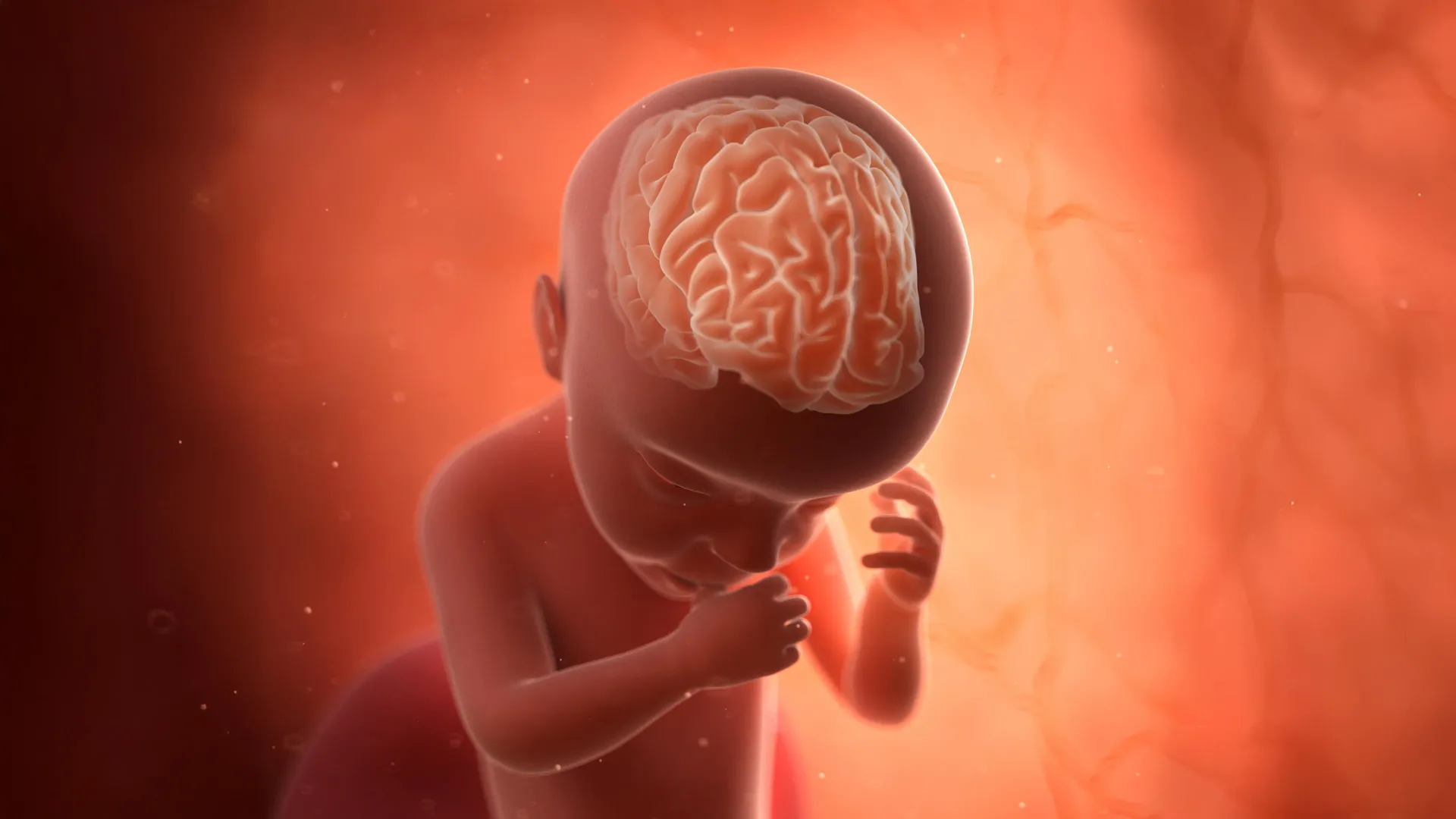
A major Swedish study of 3.7 million people has found that rare TORCH infections passed from a pregnant woman to the fetus are linked to much higher risks of autism and intellectual disability later in life. Children with a congenital TORCH infection were about three times more likely to be diagnosed with autism, more than seven times more likely to have an intellectual disability, and up to 30 times more likely to have severe to profound intellectual disability.