Politics
Ruling party dominates early results in Russia’s wartime parliamentary vote
The Kremlin wants the elections to showcase popular support for the war in Ukraine and legitimise its action.
International news in seven languages
Topic
The Kremlin wants the elections to showcase popular support for the war in Ukraine and legitimise its action.
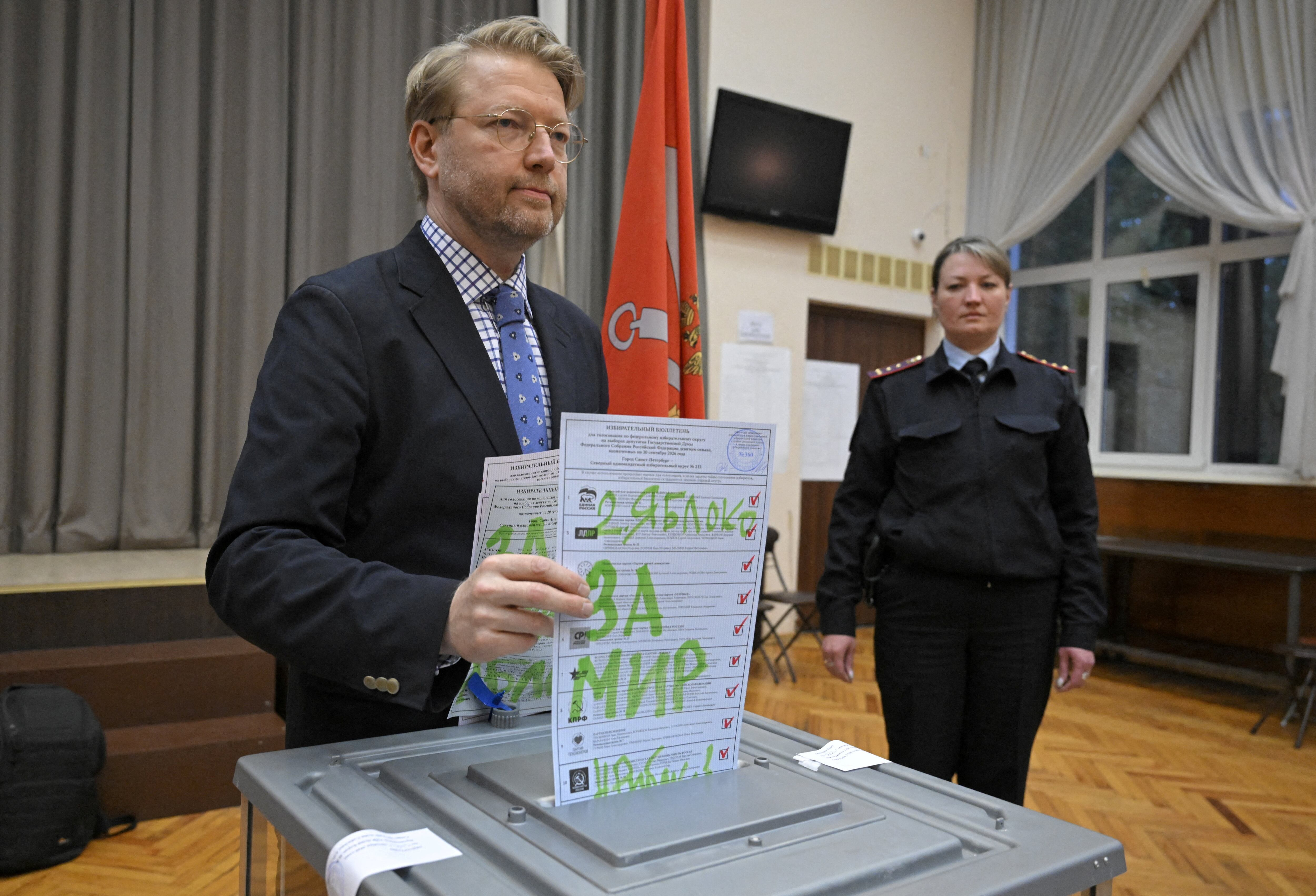
Vladimir Putin's party was a step away from securing the parliamentary majority in the first legislative elections his country held in times of war. The Kremlin leader has highlighted the results as a sign of popular support for the military campaign in Ukraine. This process, of which the opposition factors have been almost completely excluded, defines half of the seats of the Duma or Lower House: 225 of the 450 curules.
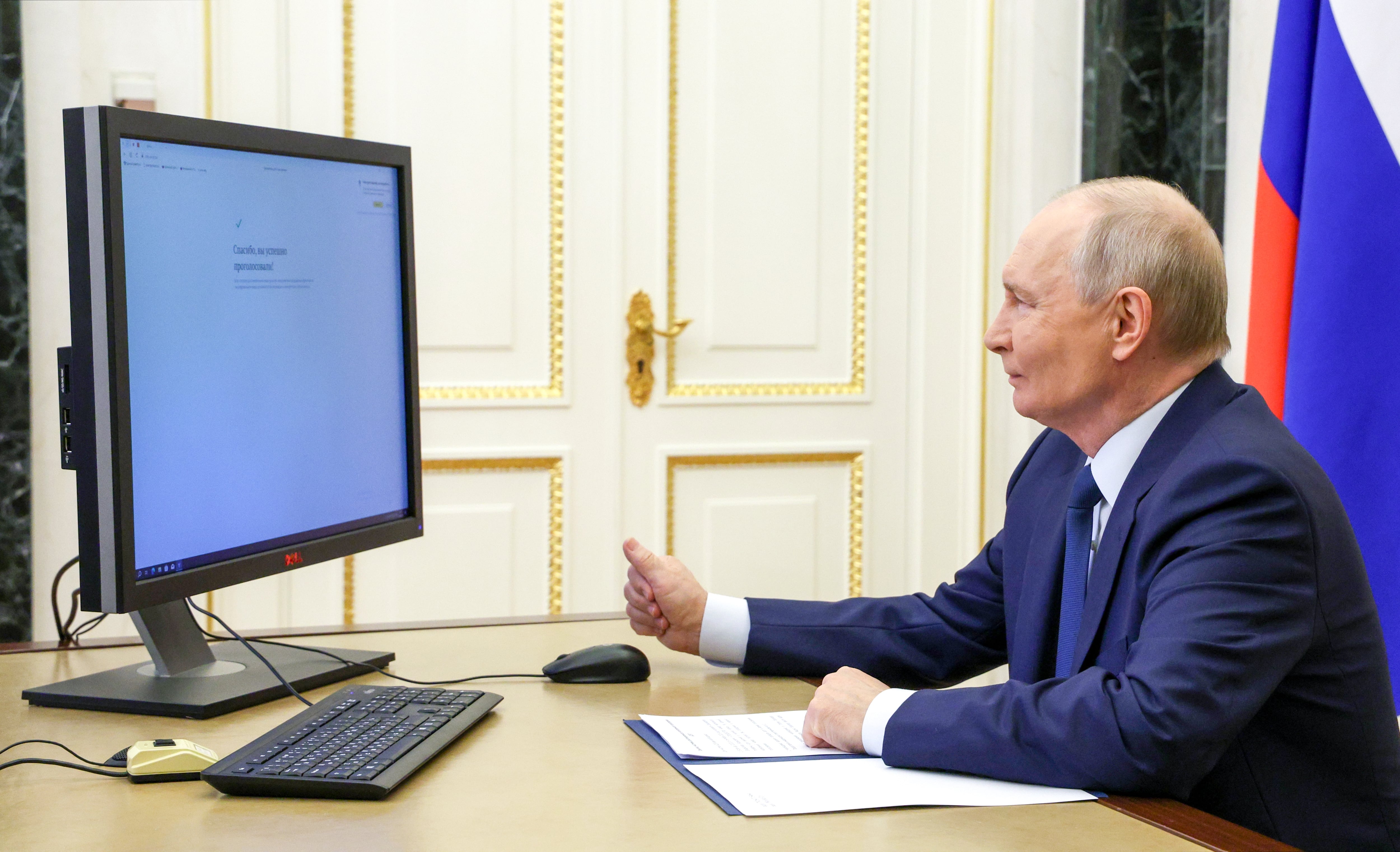
The Kremlin party, United Russia, gets 57% of the votes at the start of the count in elections where only the government has access to the electronic voting system
The Ukrainian Army launched 1,110 drones in the early morning of 20 September against Russian territory, about 450 of them against the capital, in what the mayor of Moscow called "the biggest drones attack" since the beginning of the war. The offensive takes place on the last day of the parliamentary elections to renew the State Duma, which Putin promotes as a war support poll. Meanwhile, Russian attacks in Ukraine kill five people, including three children.
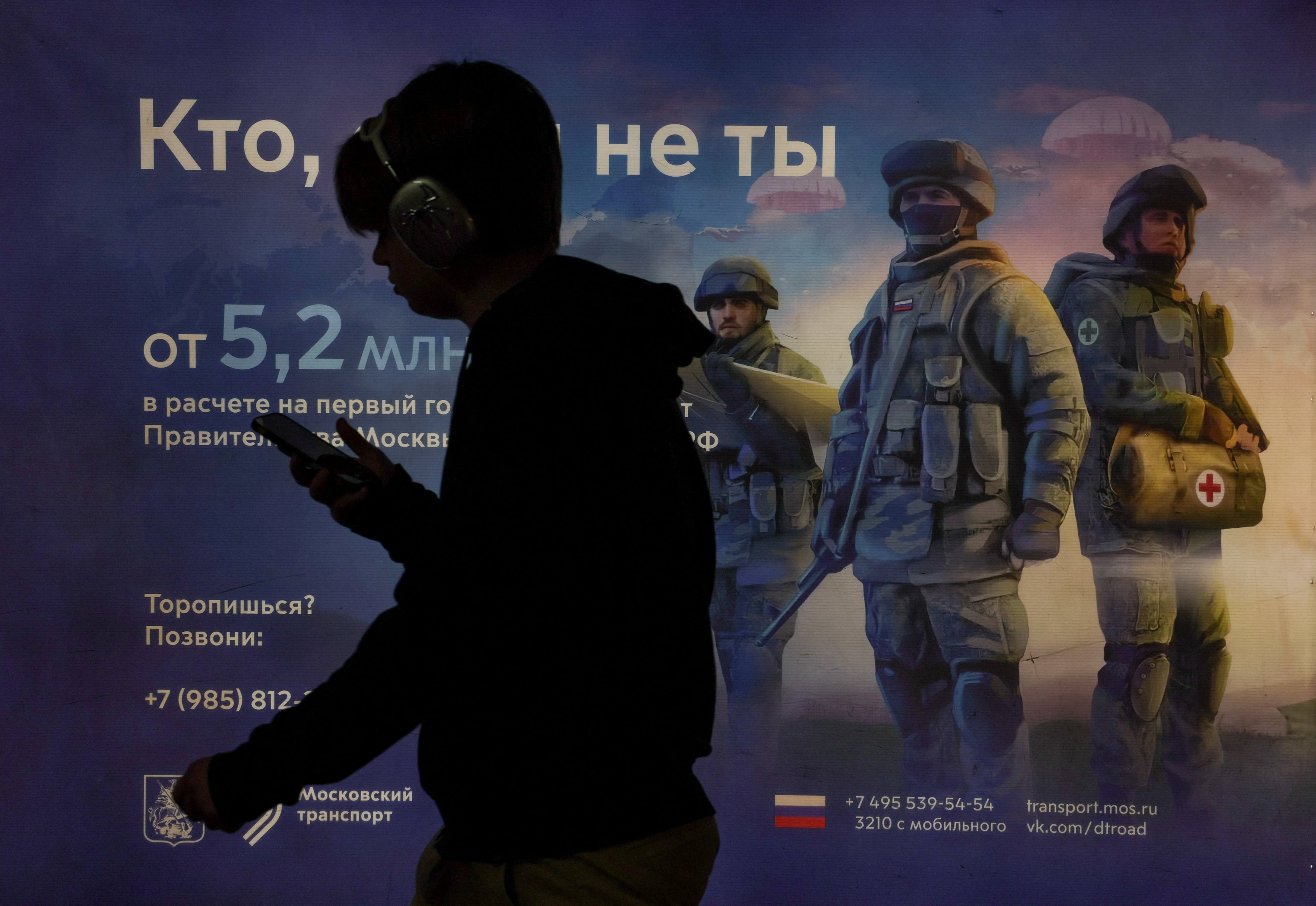
The Kremlin has strengthened its ideology of the State since the previous legislative elections. No one will speak of peace in the future State Duma
The current Secretary-General will lead his last major summit at the head of an agency he has tried to modernize and whose validity he has tried to defend in times of attacks on multilateralism. While the search for his successor is still under way, there will also be interesting points outside the New York meeting, such as the signing of the agreement between the United States, Denmark and Greenland and a first meeting between Donald Trump and the Acting President of Venezuela, Delcy Rodríguez.
As the West continues to denounce Russian aggression in Ukraine and to support Kyiv with a host of economic and military measures, Russian President Vladimir Putin says that Nato is expanding its reach and influence with the intention of preparing for war with Russia. Analysis by Dr Alexander Titov, lecturer in Modern European History at Queen's University Belfast in the UK.
On September 18, the legislative elections in Russia began. As of 20 September, about 100 million people are called to vote to renew the 450 seats of the Duma, the lower house of the Russian Parliament. The United Russia party, President Vladímir Putin, who currently controls the Duma, should win without surprises; the only anti-war party was removed from the trial by the Supreme Court. Putin wants to give an impression of "normalcy" in the country, in the midst of a war that has already taken over four years.
The Russians have already begun to vote in a number of parliamentarians that are held until Sunday and in which even the parties loyal to the Kremlin recognize irregularities
Nestlé is assessing its options after Russia placed the Swiss food giant’s local assets under temporary external administration.
There is no doubt about the outcome of this vote, but for the Kremlin it remains important.
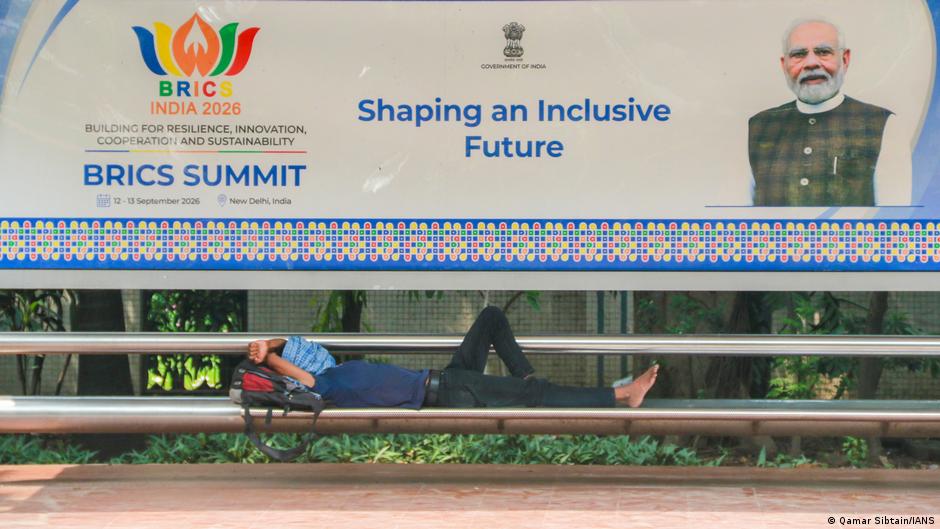
The BRICS summit 2026 takes place in Delhi this weekend. Unlike last year, Putin and Xi are expected to attend. Can India keep the expanded bloc united?
In an interview with DW, Ukrainian President Volodymyr Zelenskyy said his country was in a strong position to negotiate and offered to meet Vladimir Putin in Miami.
Nato chief Mark Rutte has said he is confident the UK government understands the need for a "credible path" to increase defence spending.
Ice hockey legend Alexander Ovechkin has lent Vladimir Putin's party a helping hand in its parliamentary election campaign. That's in keeping with a pattern of support by an athlete who claims not to be political.
Alison Sargent is pleased to welcome Grégoire Roos, Director of the Europe and Russia and Eurasia Programmes at Chatham House. According to Roos, Russia’s parliamentary election is revealing because of what the electoral process can still tell us about the political system Vladimir Putin has constructed. In the absence of any meaningful competition, and anti-war opposition excluded, Roos argues that the most revealing signals may lie elsewhere: in turnout, the timing of voting, the performance of the remaining parties, and the Kremlin’s effort to frame participation itself as evidence of natio
Russian President Vladimir Putin signed a decree on Thursday to transfer assets of Swiss food giant Nestle and three French groups to a company called LEV Management. Most Western companies quickly sold their Russian operations and holdings after Moscow launched its full-scale invasion of Ukraine, and the Kremlin has since made it difficult for firms to leave the country.