World
Why there is more than one North Pole (and how difficult it is to define how many are in total)
There is more than one definition of North Pole and, in case it was little, some of these places on the planet don't even stand still.
International news in seven languages
Topic
There is more than one definition of North Pole and, in case it was little, some of these places on the planet don't even stand still.
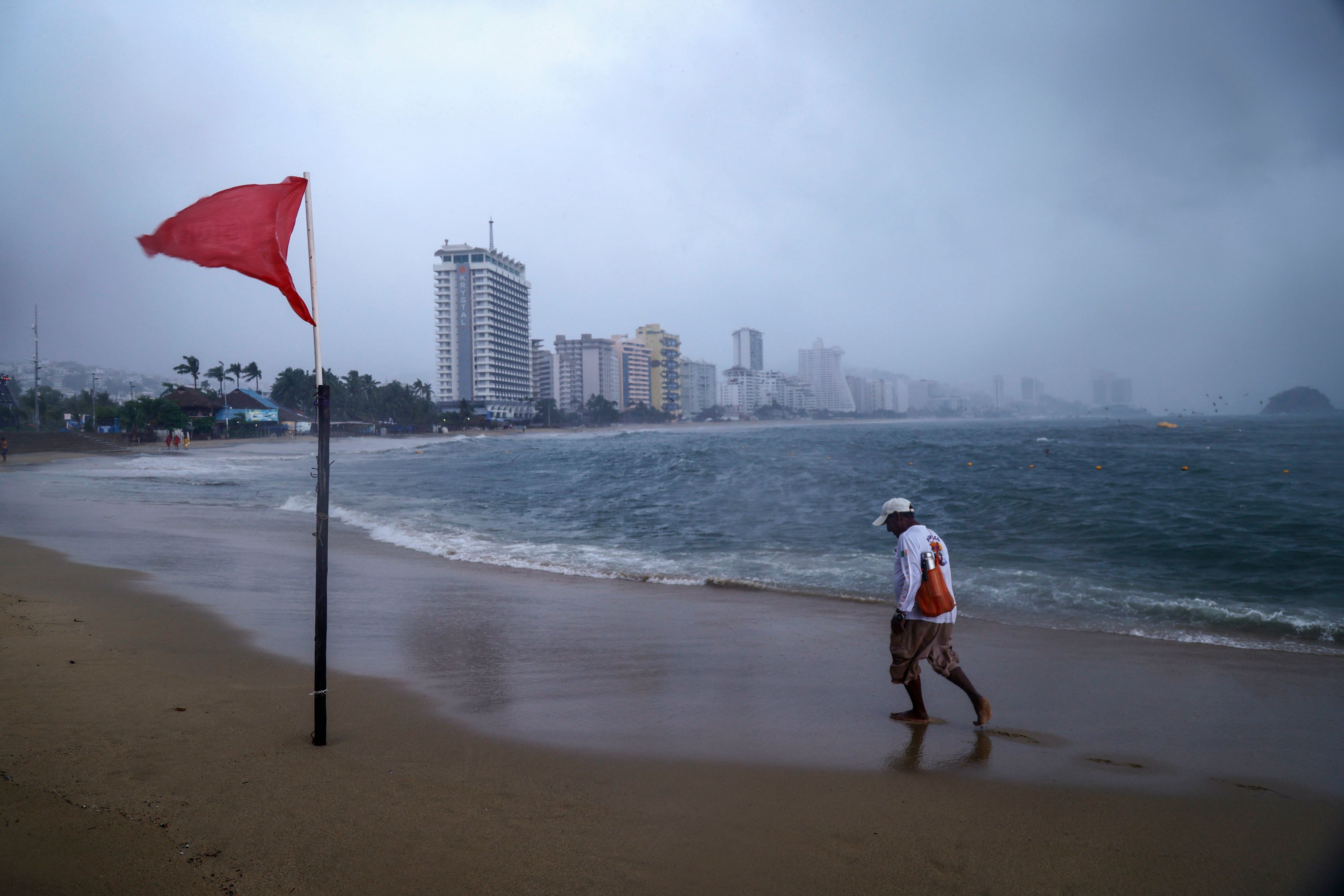
The roads are cut, the trees are fallen and the roofs are torn from the curl, but no one is dead or seriously injured. The Mexican peoples on the Pacific coast, highly exposed to the arrival of Hurricane Polo, resisted the passage of the powerful cyclone on Tuesday.
The category 3 storm approaches the state of Baja California Sur, on the coast of the North-West Pacific of Mexico.
Hurricane Polo is approaching the Baja California Peninsula, having bordered much of the Mexican Pacific coast. This weather phenomenon reached category 5 several times in recent days, according to experts. The authorities have arranged about 564 shelters, both in Baja California Sur and Sonora, and about four ships to take care of any eventuality. Report by our correspondent, Juan Carlos Aguirre.
Hurricane Polo approaches Baja California Sur after several days moving through the Mexican Pacific. Although it has lost intensity since it reached higher categories, the system remains dangerous and keeps authorities and coastal populations under surveillance due to the rains, strong winds and high waves that it could generate on the peninsula.
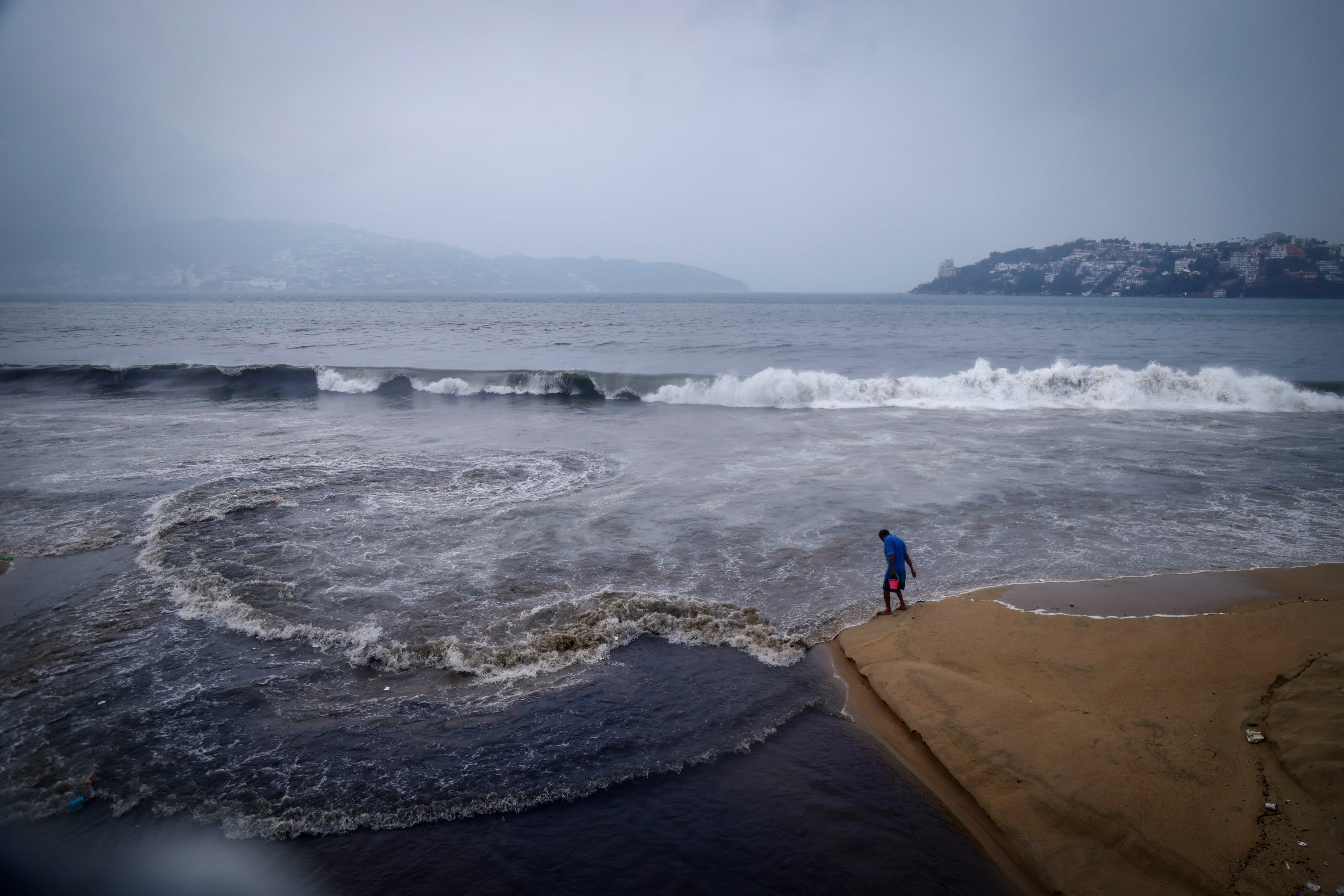
Sand sacks stacked in front of the first line beach business in Michoacán and rubble scattered in the streets. The huge waves of Hurricane Polo, which have ranged between categories 4 and 5, have hit coastal communities, causing damage to homes and businesses. Polo has shown how much destruction a hurricane can cause without even touching land.
Mexico's southwestern communities brace for Hurricane Polo, while Hawaii faces its third hurricane threat of the year.
Heavy rains could cause life-threatening flooding and landslides in Mexico, the US National Hurricane Center warned.
The cyclone has resumed its strength on the Mexican Pacific coast. The States of Guerrero, Michoacán, Oaxaca, Colima and Jalisco are on alert.
The cyclone, which is held off the Mexican coast, tests the civil protection systems that faced 'Otis' in 2023
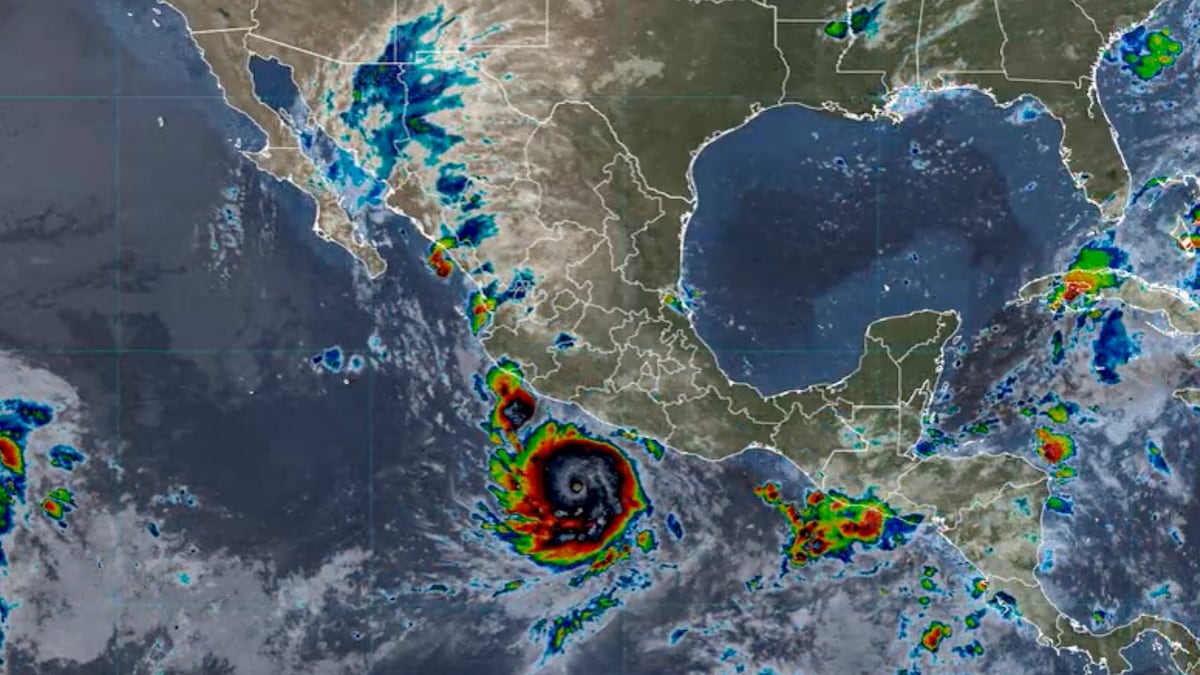
In less than 24 hours, Hurricane Polo went from a category 1 to category 5 storm, one of the strongest in the Pacific Ocean in recent decades. Although it is far from the Mexican coast, strong waves and winds could cause serious damage. President Claudia Sheinbaum said that the hurricane is not expected to touch land, but to pass near Aztec territory, so sudden floods and landslides could occur.
The BBC's Courtney Sargent explains how El Niño could have rapidly turned Hurricane Polo into one of the Pacific season's most powerful storms.
Hurricane Polo, one of the strongest Pacific cyclones in decades, brought dangerous waves and heavy rain to Mexico.
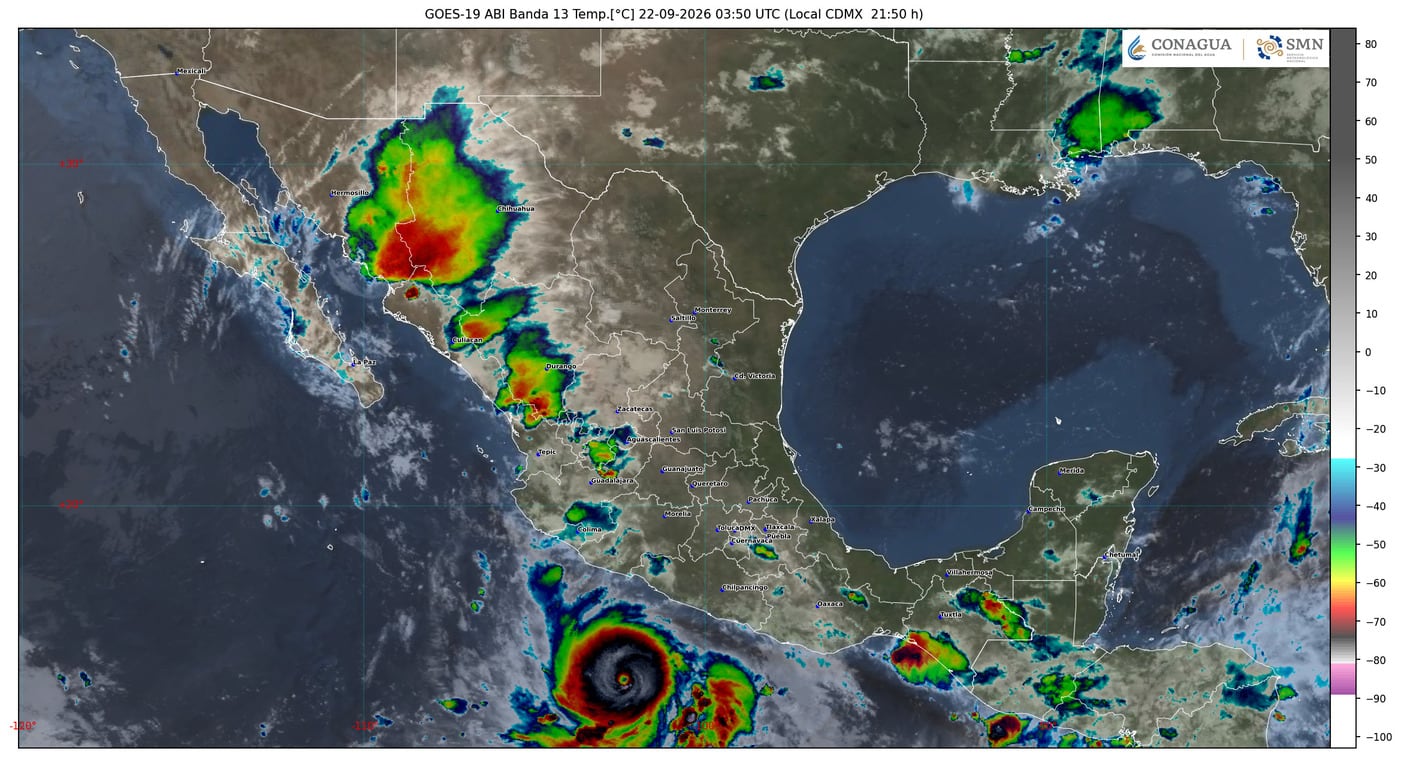
Hurricane Polo, described as an "extremely dangerous" storm by the U.S. Hurricane Center. The United States, slowly advances off the south-west coast of Mexico. While the phenomenon - degraded to category 4 after having previously reached level 5 - is expected to not touch land and to move parallel to the Mexican coastal line, the intense and heavy rains threaten above all the areas of Guerrero and Michoacán. At least six ports have been partially or totally restricted.
Hurricane Polo has passed in less than 24 hours from category 1 to 5, the maximum on the Saffir-Simpson scale, and Mexican authorities are on alert. On Tuesday, the hurricane increased to the maximum category 5 in the Mexican Pacific and, if heavy rains are forecast, it is not expected to hit land.
Hurricane Polo has strengthened into one of the most powerful Pacific cyclones in decades and is expected to skirt Mexico’s southwestern coast as a Category 5 storm. The Miami-based National Hurricane Center described Polo as an “extremely dangerous” storm, with maximum sustained winds of 165 miles per hour.
The large storm in the Pacific Ocean is being driven by warm waters caused by the El Niño weather phenomenon.
The authorities maintain surveillance over five States as the cyclone progresses without a direct impact on land for now.
Polo was strengthened in a few hours to the highest level on the Saffir-Simpson scale. Its expected trajectory marks a parallel advance to the coasts of Mexico, but it generates alerts in some states.
The classes are suspended at points of Guerrero and Michoacán. Authorities also issue warnings in Oaxaca, Jalisco and Colima for heavy rains, high waves and possible landslides