Politics
What to know as Brazil prepares for tense presidential run-off
Polls show leftist incumbent Lula closing gap on right-wing rival Flavio Bolsonaro ahead of second round of voting.
International news in seven languages
Topic
Polls show leftist incumbent Lula closing gap on right-wing rival Flavio Bolsonaro ahead of second round of voting.
Marine Le Pen is set to officially launch her presidential campaign this weekend at the National Rally two-day party congress in Orléans. The latest Ifop poll, carried out in the wake of the mass protests and riots in France, suggests the far right leader would win the first round of the presidential election by a wide margin, and far-left candidate Jean-Luc Melenchon emerged as her most likely opponent in the runoff. FRANCE 24's Emerald Maxwell reports.
The midterm elections are just two weeks away in the United States and Donald Trump is stumping for candidates in states that he won by double digits in 2024. Polls showing support for the Republican Party is slipping drastically, even in some deep red states. Story by Monte Francis.
Polling suggests most Albertans favour remaining part of the country, although the debate alone has proven divisive.
Polls have found that Trump's hardline immigration enforcement effort has divided voters before the 2026 midterm race.
The vote in London's Holborn and St Pancras parliamentary seat tests whether Burnham can restore faith in Labour.
A late right-wing shift, a banking scandal and economic frustration may be behind Bolsonaro's last-minute gains.
With neither candidate getting more than 50% of the vote, the election will go to a run-off on 25 October.
Flavio Bolsonaro, the son of former far-right populist President Jair Bolsonaro, is taking on incumbent left-wing President Lula da Silva. Polls show the first round of voting will likely lead to a runoff.
Zeljka Cvijanovic, the Serb nationalist candidate backed by disqualified secessionist leader Milorad Dodik, took the lead for the Serb seat of the three-member presidency.
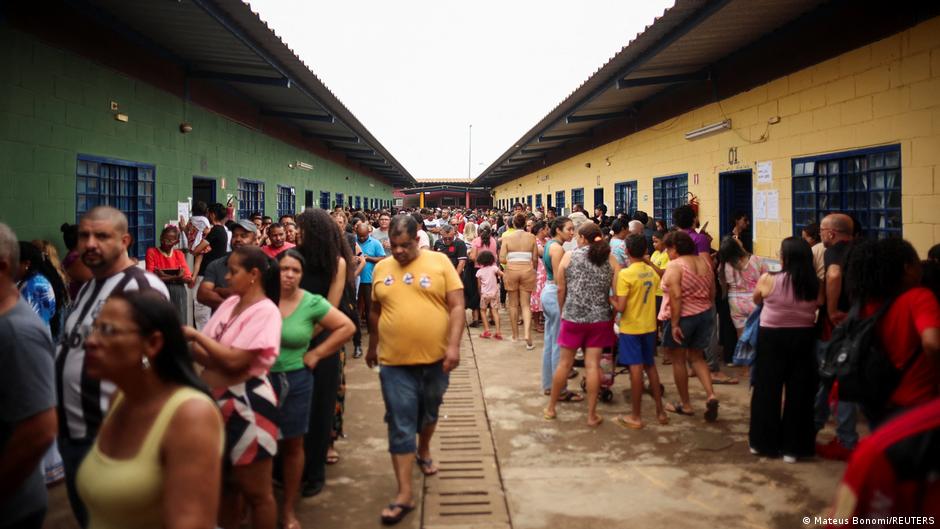
Polls have opened in Bosnia and Herzegovina, where voters are taking part in parliamentary, presidential and local elections.
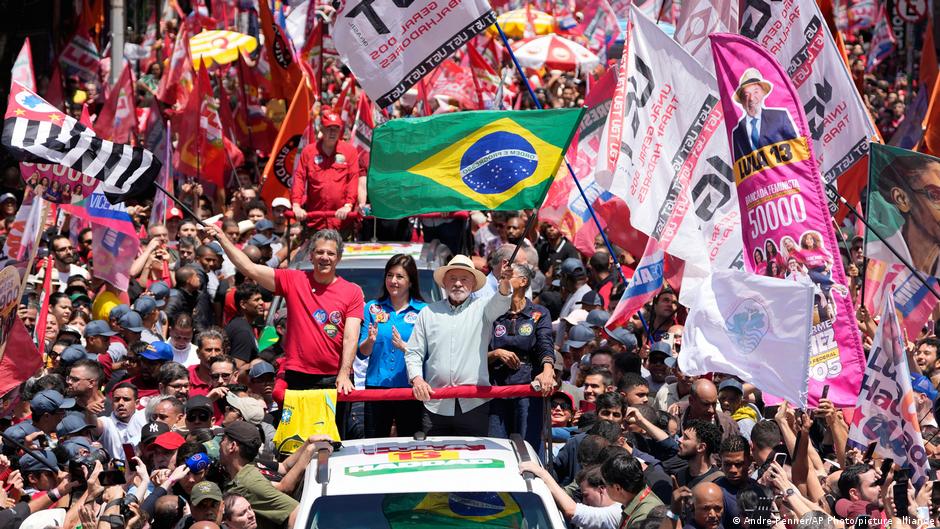
Brazil's President Luiz Inacio Lula da Silva and his main challenger Flavio Bolsonaro wrapped up their campaigns on Saturday in the powerhouse state of Sao Paulo, where a fifth of the nation's vote is based, seeking to rally supporters and convince the undecided on the eve of Sunday's nail-biter election. Mareeke Reethof, lecturer in Latin American Politics at the University of Liverpool, shares further insights.
Flavio Bolsonaro, the son of former far-right populist President Jair Bolsonaro, is taking on incumbent left-wing President Lula da Silva. Polls show the first round of voting will likely lead to a runoff.
Latvian Prime Minister Andris Kulbergs was set to retain power and form a coalition after his centrist United List won parliamentary elections on Sunday, the biggest in the country's post-independence history. While the result is expected to reinforce the Baltic country’s pro-European and pro-Ukrainian stance, populist parties also made significant gains.
Polls show tight race between incumbent Lula and right-wing rival Flavio Bolsonaro amid concerns over crime and economy.
Latvia is not expected to shift its pro-Europe and pro-Ukraine trajectory, but coalition negotiations could be complex.
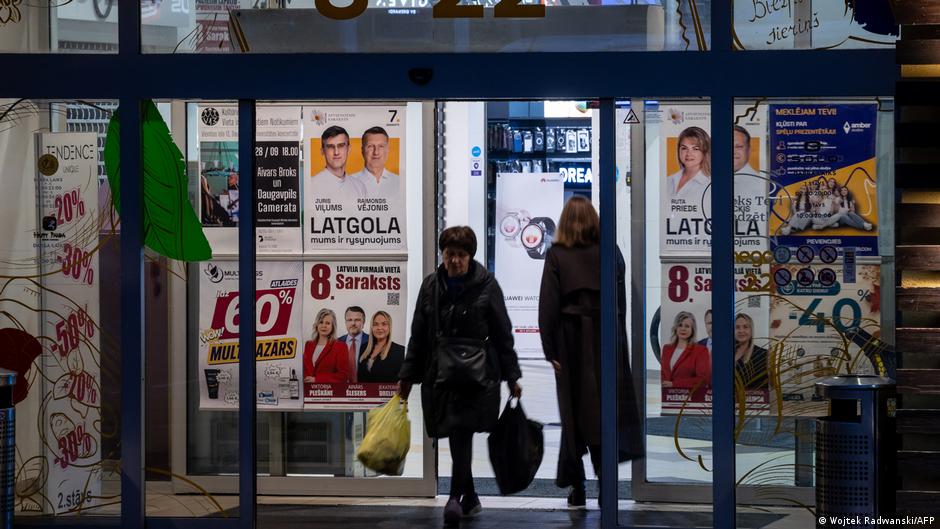
On October 3, Latvians will elect a new parliament with Russia looming large over the campaign. Security fears dominate the agenda, but so does a debate over the economic cost of cutting ties with Moscow.
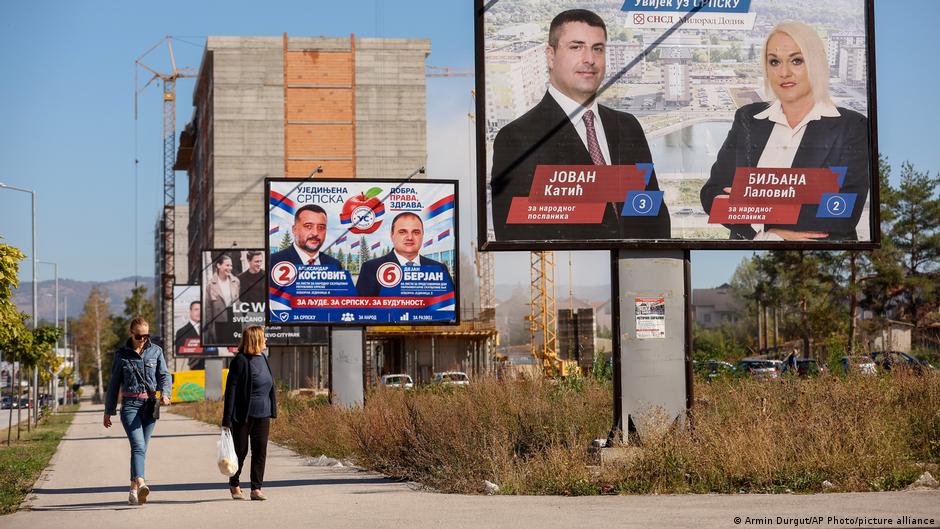
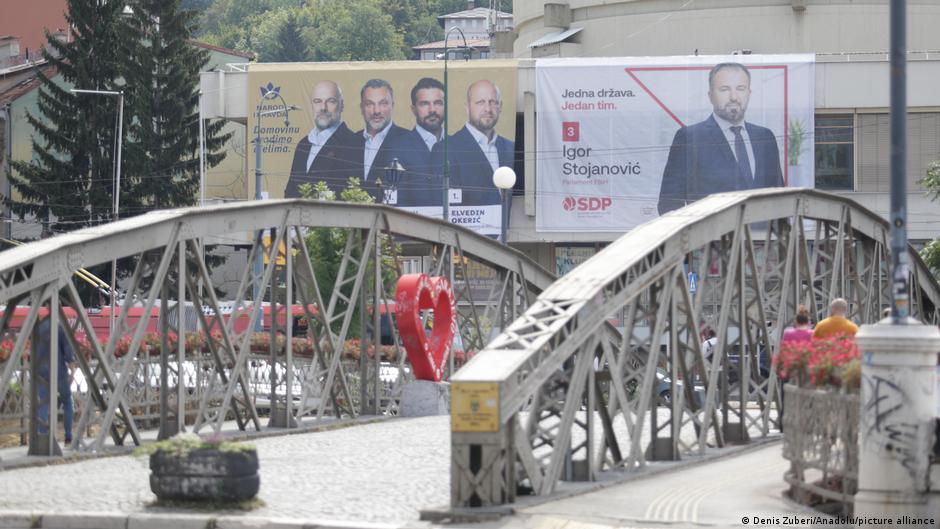
Bosnia goes to the polls on October 4 to elect several parliaments and presidents. While voters worry about the economy and emigration, the campaign is focused on ethnicity, exposing the country's political paralysis.
Millions of Moroccans vote today for a 395-seat parliament amid new digital proxy and anti-fraud measures.
Republicans hold a $103 million cash advantage across national party committees as the fight for control of Congress enters its final six weeks.