World
Food affordability fears plague Gaza as Israel halts commercial goods
Commercial goods, such as fresh fruit, vegetables, meat and winter clothing, have not entered Gaza for two days.
International news in seven languages
Topic
Commercial goods, such as fresh fruit, vegetables, meat and winter clothing, have not entered Gaza for two days.
The WHO says the lack of a confirmed diagnosis remains a key uncertainty, with no sign of ongoing transmission.
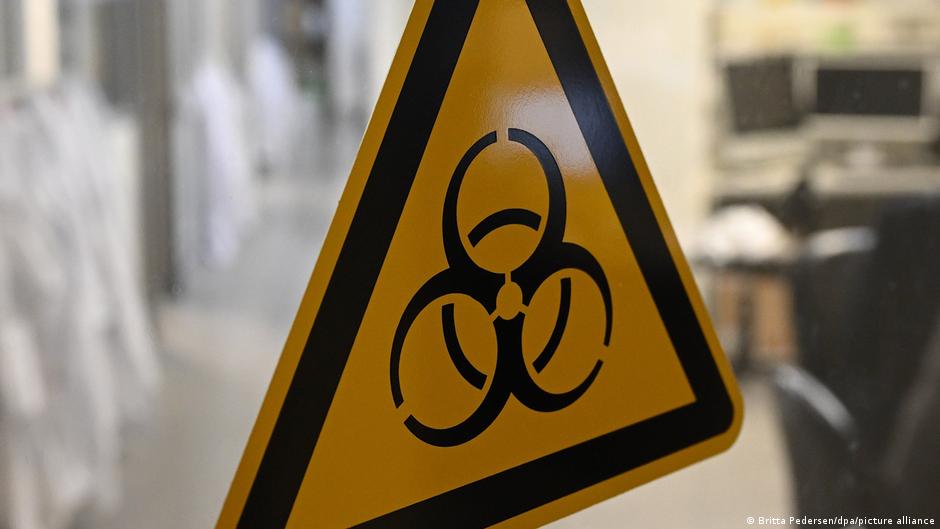
The suspicious death last week of a worker at a research lab in Siberia that has fueled global concerns about suspected pneumonic plague is just the latest example of how Russia manages the official narrative. The Kremlin has long maintained a culture of secrecy when it comes to controlling public information, especially involving accidents – from industrial disasters to health emergencies, as FRANCE 24's International Affairs Commentator Douglas Herbert explains.
Senior WHO official urges Russia to provide more information on the suspected pneumonic plague cases.
Fears that the death may have been caused by pneumonic plague has prompted calls for more transparency from Russia.
The death of a worker from a Russian lab that researches plague has prompted questions about the disease.
Uncertainty surrounds the death of an employee at a Russian anti-plague institute. Here's what infectious disease experts say about how worried you should be.
Russia denies plague cases after laboratory technician's death; US demands 'transparency' as WHO monitors situation.
The death of an employee at an anti-plague institute in Irkutsk is still being looked into, the authorities said. US Secretary of State Marco Rubio called for Russia to be transparent about its findings.
Russian authorities say the situation is stable and there are no reports of secondary cases.
Plague is still endemic to Siberia, the location of the first known prehistoric human outbreak.
WHO said it was in contact with Russian authorities, and has offered support if needed, while assessing the risk to the general public as low based on available information.
Russian authorities quarantine hospital, monitor 200 contacts after suspected pneumonic plague death in Siberia.
Donald Trump says the US was looking "very strongly" at the case of a lab technician who died at a research centre in Siberia.
After a worker at a Russian plague research institute in Siberia died October 2, 2026, nearly 200 of her contacts were under medical observation. But authorities there denied pneumonic plague had caused the death.
According to local media reports, as many as 189 people have also been placed under medical observation in Irkutsk in eastern Russia.
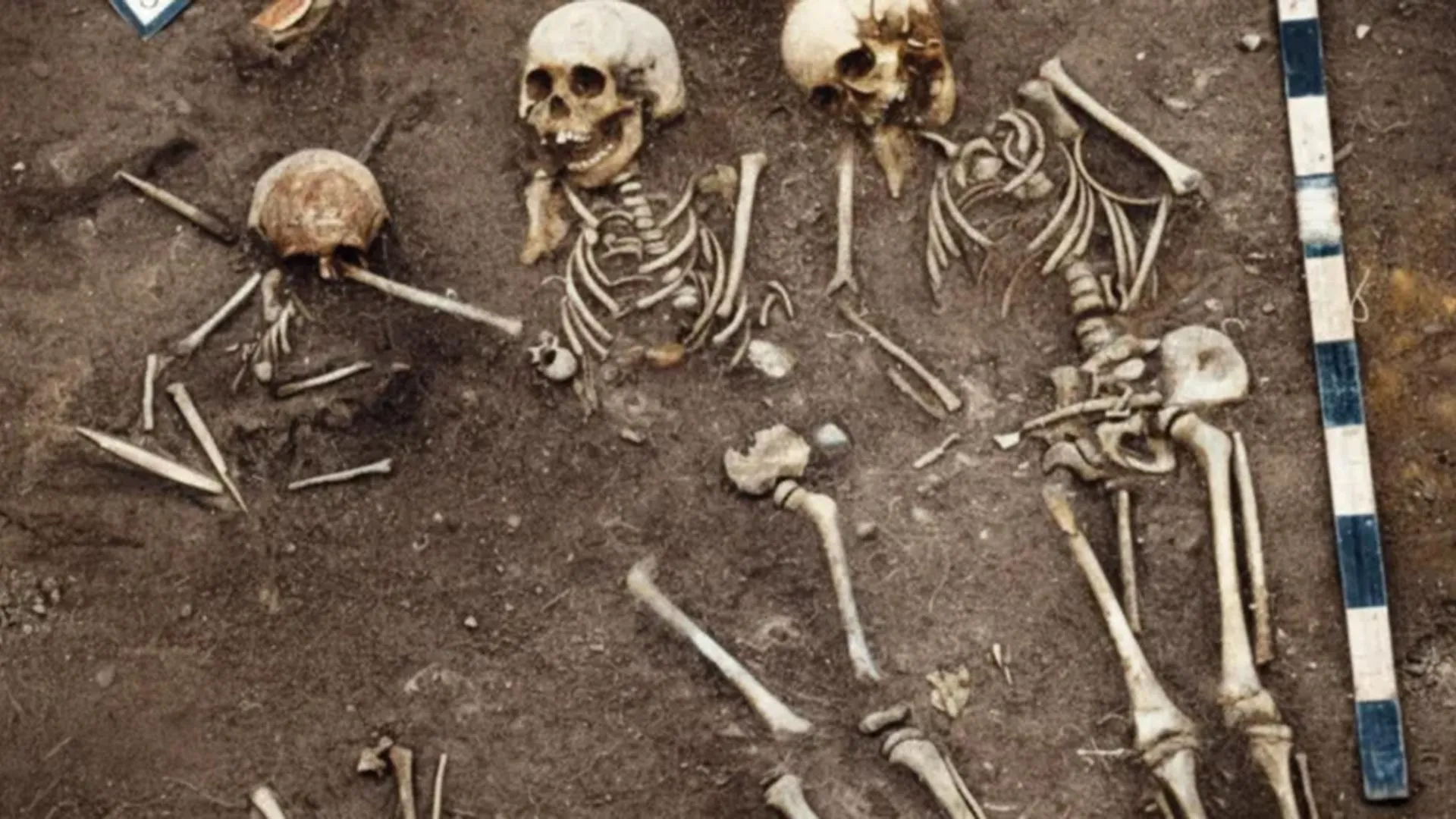
Ancient DNA reveals that plague repeatedly returned to Europe for more than 400 years after the Black Death, evolving into new lineages and spreading through trade, migration, and war. Researchers also developed a method to date ancient plague genomes more precisely, linking many of them to specific outbreaks recorded in historical sources.
Ancient DNA reveals that plague was already killing hunter-gatherers in Siberia 5,500 years ago, long before cities and flea-driven epidemics. The prehistoric strains may have been especially dangerous because they carried a genetic factor capable of provoking severe immune reactions.