Advertisement
Advertisement

Topic

Ormuz

World

Middle East recovers oil exports despite continued attacks

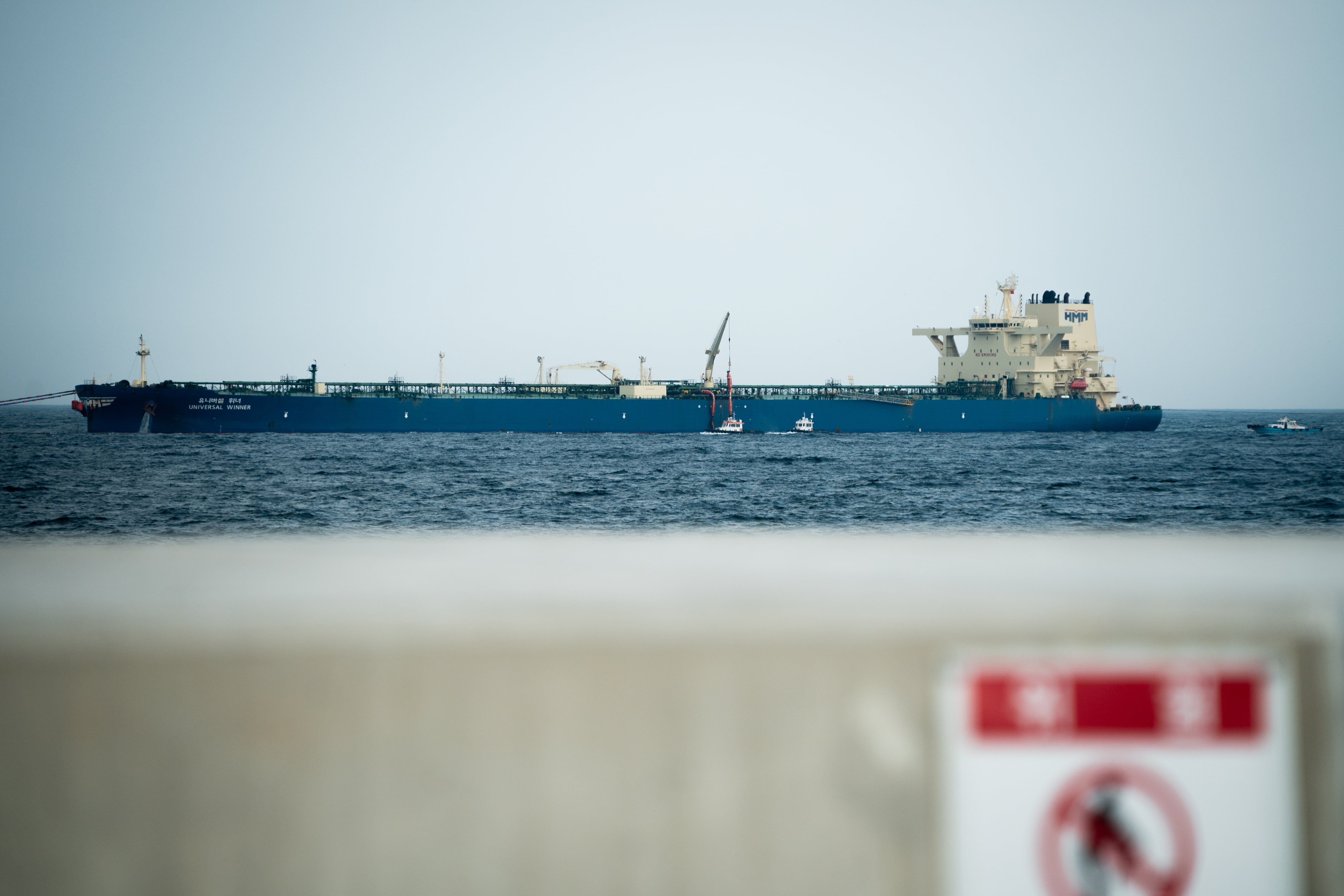
Middle East oil exports over four days in the last week of September exceeded pre-war levels between the United States, Israel and Iran. The flows reached 22.5 million barrels a day, also driven by alternative routes to the Strait of Ormuz and even though the war has not ceased, and instead, the attacks continue and spread throughout the region. International crude oil prices dropped significantly on Monday, October 5.

World

Exports of crude oil returned to pre-war levels

The flow of oil ships has partly resumed in the Strait of Ormuz and the Arabian Peninsula has reorganized its oil flows, via the east-west Saudi pipeline or the one to Fujairah, in the Gulf of Oman. But tensions persist on refined products. And while G7 members have agreed to release 100 million barrels of their strategic reserves, China is again buying oil to rebuild its stocks.

World

Oil: Middle East exports return above pre-war levels

Despite the explosive situation in the Straits of Ormuz and Bab al-Mandeb, the flow of crude oil from the Middle East exceeded its pre-war average in the last week of September, according to Kpler. But between attacks on ships, supply tensions and high pump prices, the recovery remains fragile.

Politics

The G7 takes steps to try to lower fuel prices

On 2 October, the G7 agreed to jointly release 100 million barrels of oil and diesel to try to reduce international prices for crude oil and its derivatives. On the decision, US President Donald Trump said prices will fall soon because the naval blockade in the Strait of Ormuz will end in the short term. The measure, also promoted by the International Energy Agency, seeks to alleviate winter prices in the northern hemisphere.

World

What is the gravity of the energy situation in the G7 countries?

The G7 countries are armored by the arrival of winter. On October 2, the group announced the release of 100 million barrels of oil and diesel to stop the price escalation, in the midst of the crisis resulting from the war in the Middle East and the closure of the Strait of Ormuz, as well as under pressure from US threats to block its oil exports. We discussed the subject in the # InvitadoDelDiaF24 with Nelson Baldeon, a consultant on energy geopolitics and strategic resources.

World

Ormuz Strait: why the great return of oil is not enough to lower prices

In September, oil exports from the Gulf region reached levels almost similar to those before the start of the American-Israeli war against Iran. U.S. President Donald Trump promised a price drop as soon as the Iranian threat to the Strait of Ormuz would no longer have as much effect on oil flows. That's not what's going on.

Advertisement
World

Higher diesel prices: Washington urges Europeans to tap into their reserves

On the eve of an EU meeting, the US is calling for additional diesel volumes to be placed on the market, according to the press, under threat of banning its exports. Gas oil prices reach record prices on both sides of the Atlantic, penalised by the Ukrainian strikes on Russian refineries and Iran's blocking of the Ormuz Strait.

World

Iran says it expects an answer from the US. UU after further indirect talks

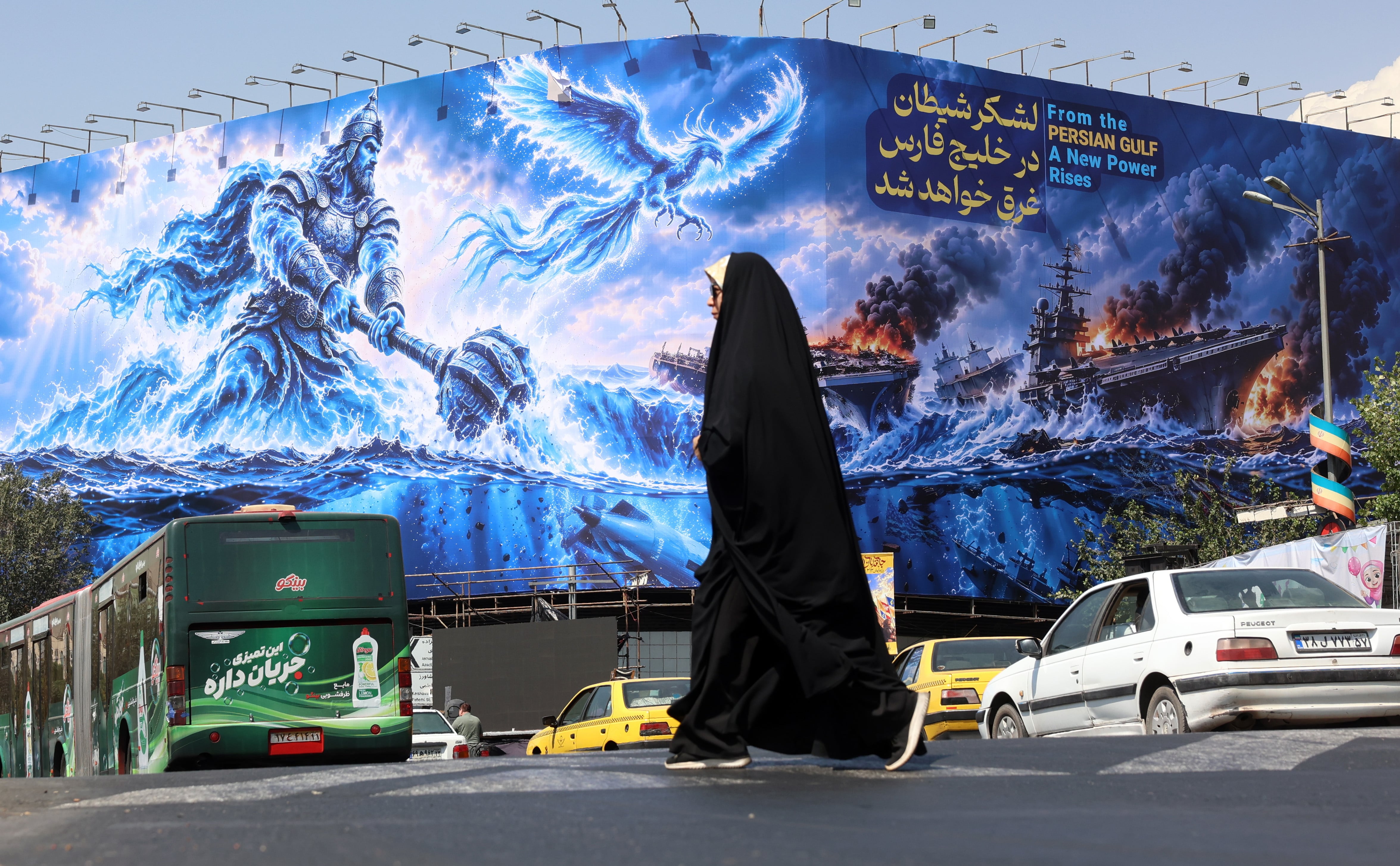
Iranian Foreign Minister Abbas Araqchi said Tehran hopes to receive a response from Washington on Tuesday to his proposal to reopen the Strait of Ormuz. In return for re-establishing transit through this vital maritime route, Iran requires guarantees that include a regional ceasefire, the lifting of sanctions on its oil sector and the end of the U.S. naval blockade.

World

Ormuz Strait: Iran says to wait for US response on its plan

Tehran hopes to obtain on Tuesday an official response from Washington regarding its proposals on the reopening of the Strait of Ormuz. Iran requires, inter alia, a seven-day ceasefire throughout the Middle East, the thawing of its assets held abroad and the lifting of sanctions against its oil sector.

World

Trump rejects Iranian offer on the Strait of Ormuz

If Donald Trump claims that discussions with Tehran could "make great progress," the US President announced that he had rejected Iran's proposal to reopen the Strait of Ormuz within seven days in exchange for a easing of sanctions. Explanations from Axelle Simon and Morgan Payre.

Advertisement
World

Seven days to reopen the Strait of Ormuz: Iran sets conditions in exchange for critical US concessions. United States.

Foreign Minister Abbas Araqchi spoke with journalists covering the UN Security Council meeting to make public a new initiative that could allow the resumption of navigation along the road through a fifth of world oil. Tehran would agree to the opening if Washington lifted its naval blockade, suspended sanctions against Iranian oil and included Lebanon in negotiations for a new ceasefire.