Advertisement
Advertisement

Topic

nuclear

Science

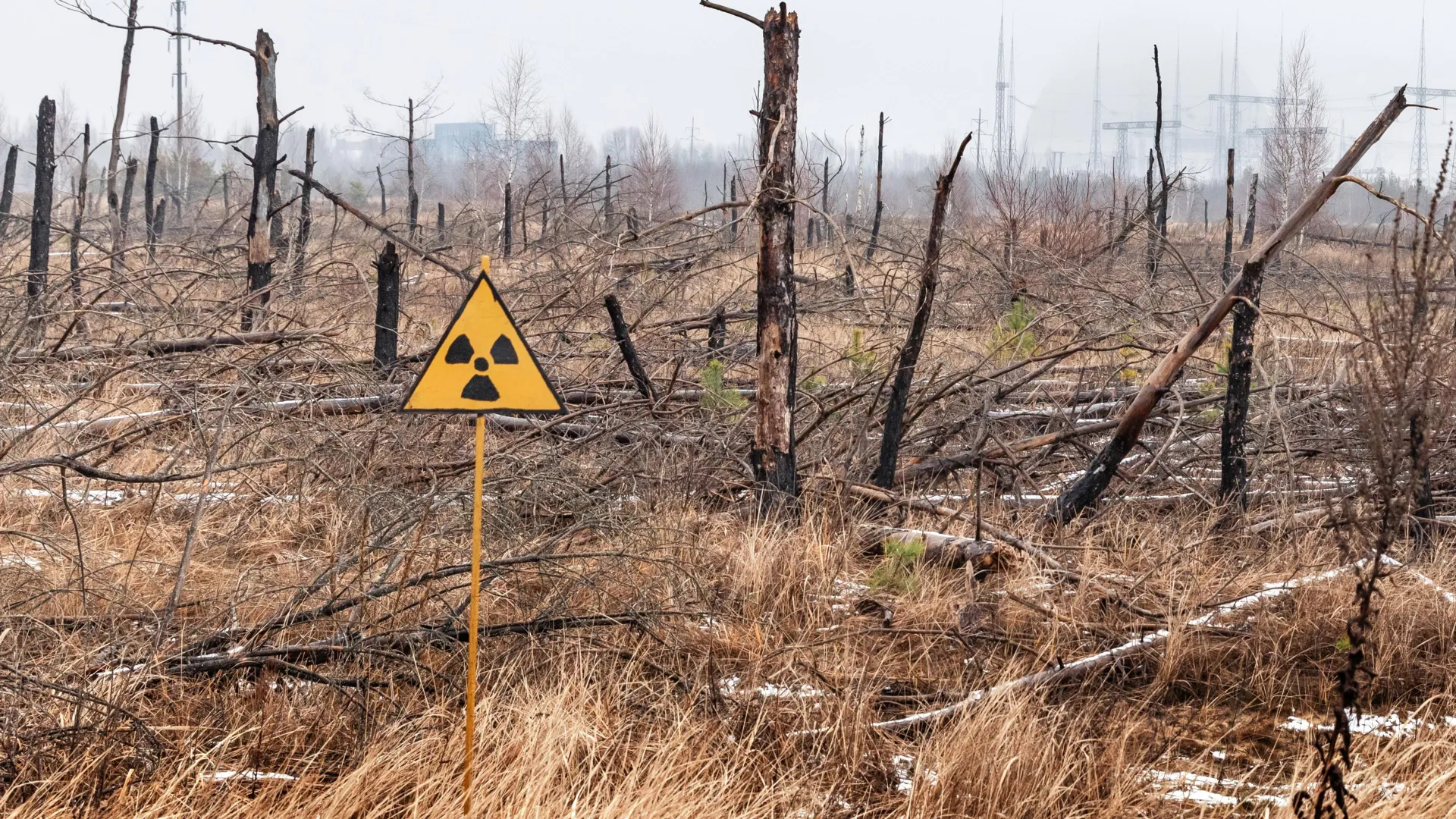
40 years later, Chernobyl's nuclear fallout is not what scientists expected

Forty years after the Chornobyl disaster, tiny radioactive particles still linger in the soil, carrying a dangerous legacy. Using powerful X-rays, scientists discovered that some of these particles have remained surprisingly stable, trapping radioactive substances inside instead of releasing them into the environment.

Science

Scientists build a nuclear clock that could make atomic clocks obsolete

Scientists in Vienna have achieved a major breakthrough in timekeeping by creating the world’s first self-stabilizing nuclear clock, a technology that could eventually surpass even the most precise atomic clocks. Instead of relying on electrons in atoms, the clock uses the tiny nuclei of thorium atoms, which are far less sensitive to outside disturbances.

Science

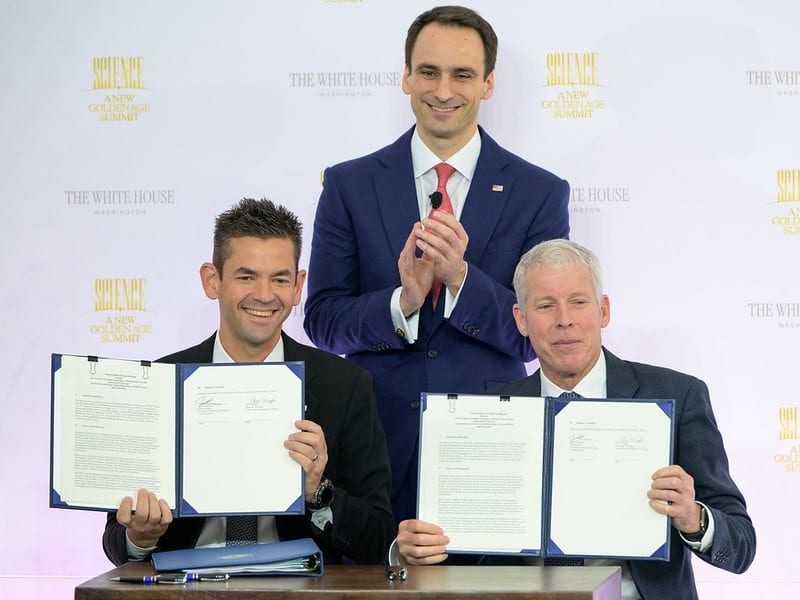
NASA, Energy Department Advance New Era of Nuclear-Powered Exploration

Editor’s note: This release was updated Oct. 8, 2026 with the formal name of the summit. As the Golden Age of deep-space exploration begins, NASA and the U.S. Department of Energy are advancing the development of safe, reliable, next-generation nuclear technologies for space. Together, the agencies will supercharge civil space exploration, unlock bold scientific discovery, […]

Advertisement