Advertisement
Advertisement

Topic

Night Sky Network

Science

November’s Night Sky Notes: Light-Day Away

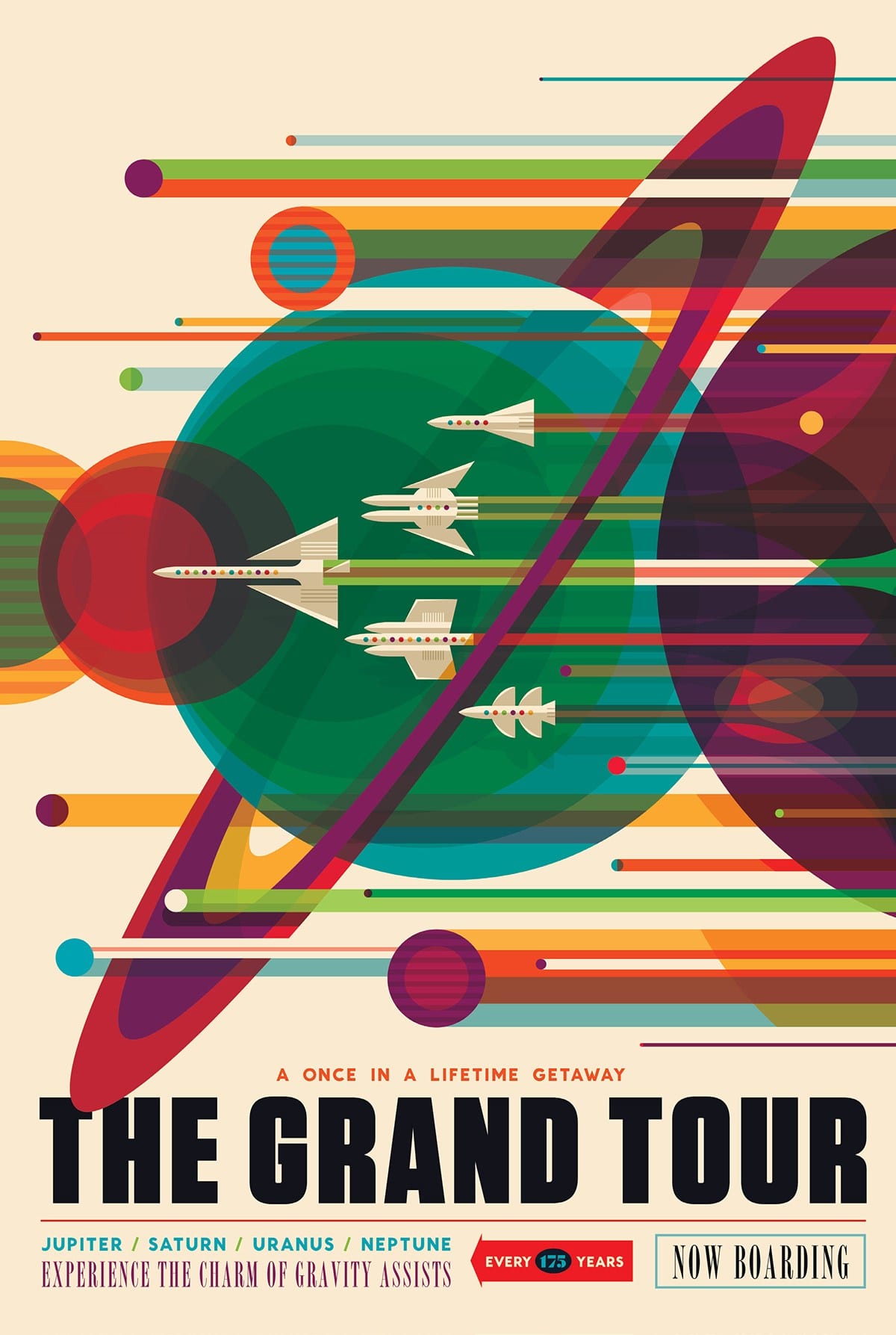
Twin Travelers In 1977, NASA launched twin spacecraft Voyager 1 and 2, taking advantage of a once-every-175-year planetary alignment of the four largest planets in our solar system: Jupiter, Saturn, Uranus, and Neptune. Using six gravity assists between them, this Grand Tour gave us up-close views of the gas and ice giants, including several moons. […]
Science

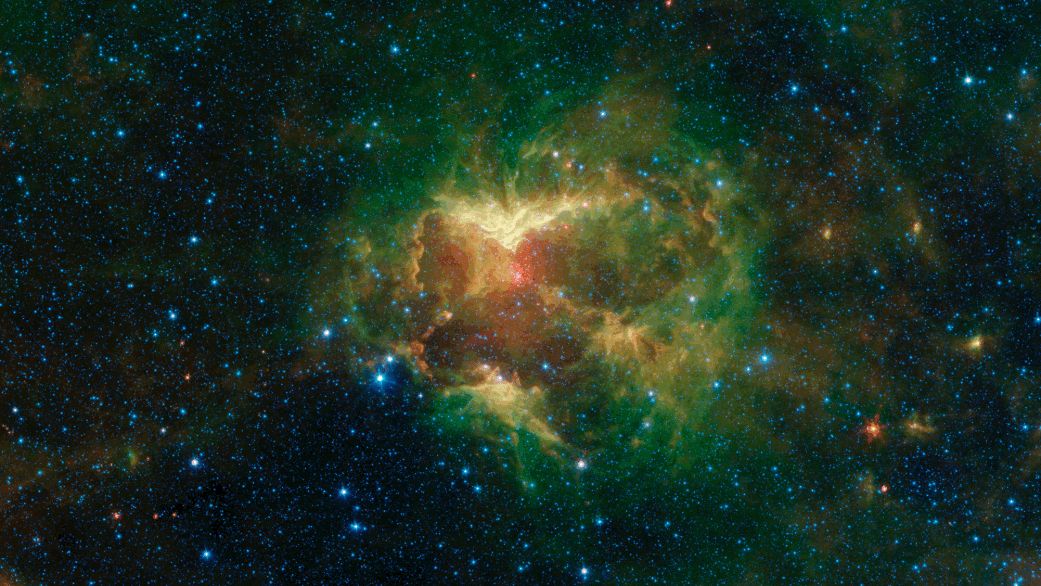
October’s Night Sky Notes: Spooky Stargazing

The Ghoul Located within the constellation Perseus lies a star called Algol, also known as ‘Demon Star’ or ‘The Ghoul’. You can spot this star during the autumn months, along with Cassiopeia and Andromeda in the northeastern sky, beginning after 9 PM. In Greek mythology, this star represents the ‘blinking eye’ of the gorgon Medusa. […]

Science

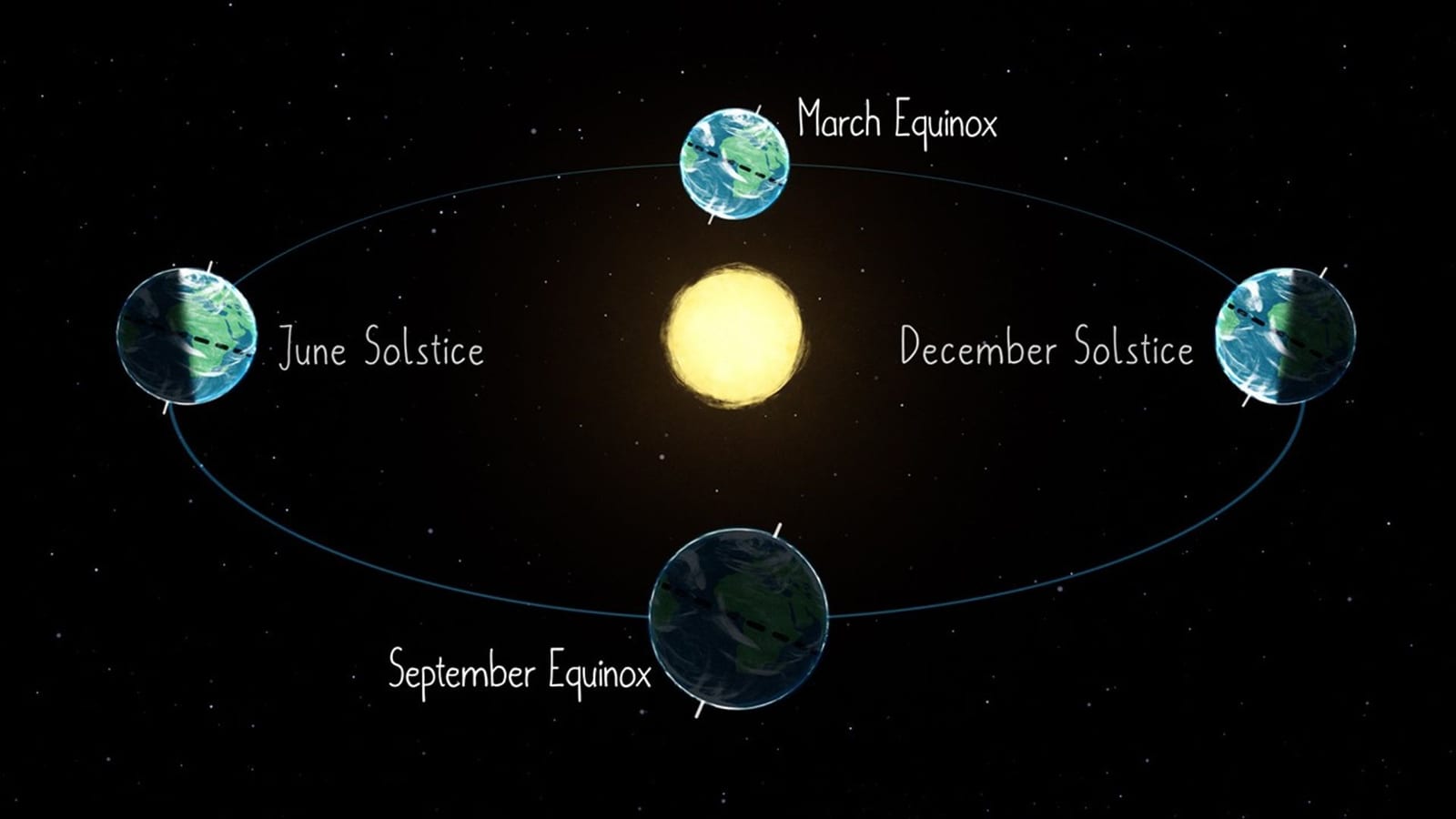
Embracing the Equinox

Depending on your locale, equinoxes can be seen as harbingers of longer nights and gloomy weather, or promising beacons of nicer temperatures and more sunlight. Observing and predicting equinoxes is one of the earliest skills in humanity’s astronomical toolkit. Many ancient observatories around the world observed equinoxes along with the more pronounced solstices. These days, […]