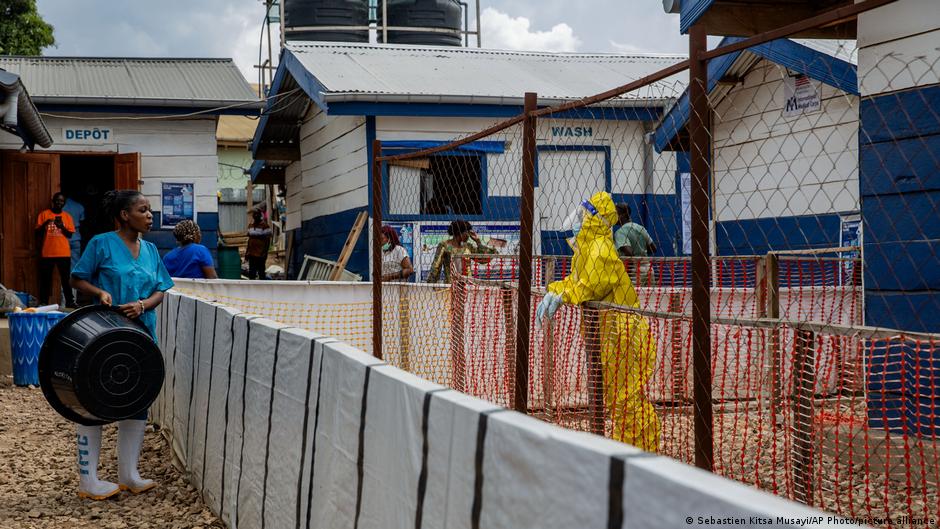
Nigeria has reported its first known case of Ebola during Africa's latest outbreak originating in the DRC. Health Minister Muhammad Ali Pate said the patient was a woman who had recently flown to Abuja from Uganda.
The arrest of several men wearing anti-government T-shirts and the disruption of a political meeting have renewed debate over free expression and protest rights in Nigeria.
An effective response to the coronavirus (COVID-19) pandemic requires the understanding and use of social and behavioural data alongside biomedical data. Recognizing this need, the Behavioural Insights and Sciences Unit of the World Health Organization (WHO) and the WHO Regional Office for Africa (AFRO) designed a survey tool tailored to Africa, to make it easier for countries to collect context-specific social and behavioural data. The objective was to inform the COVID-19 response at the country level while also allowing regional comparisons. This case study describes how the tool was adapted
In tonight's edition: Kenya confirms a second case of Ebola. Also, Nobel Peace Prize winner Navi Pillay warns that international justice is facing growing pressure. Plus millions of people in Nigeria have been without TikTok for about a month.
There has been a huge popular success for the IPO of the Dangote Refinery now ending on October 27th, 2026, after a 2-week extension. With the escalation of the conflict in the Middle East, the closure of the Strait of Hormuz has caused a surge in global crude prices and, in turn, supply shortages – pushing African and European countries to turn in mass to the Dangote refinery. The leading African producer of crude oil seeks to transform its status to a regional hub for refining and petrochemicals. FRANCE 24's Chinwe Ossundu reports.
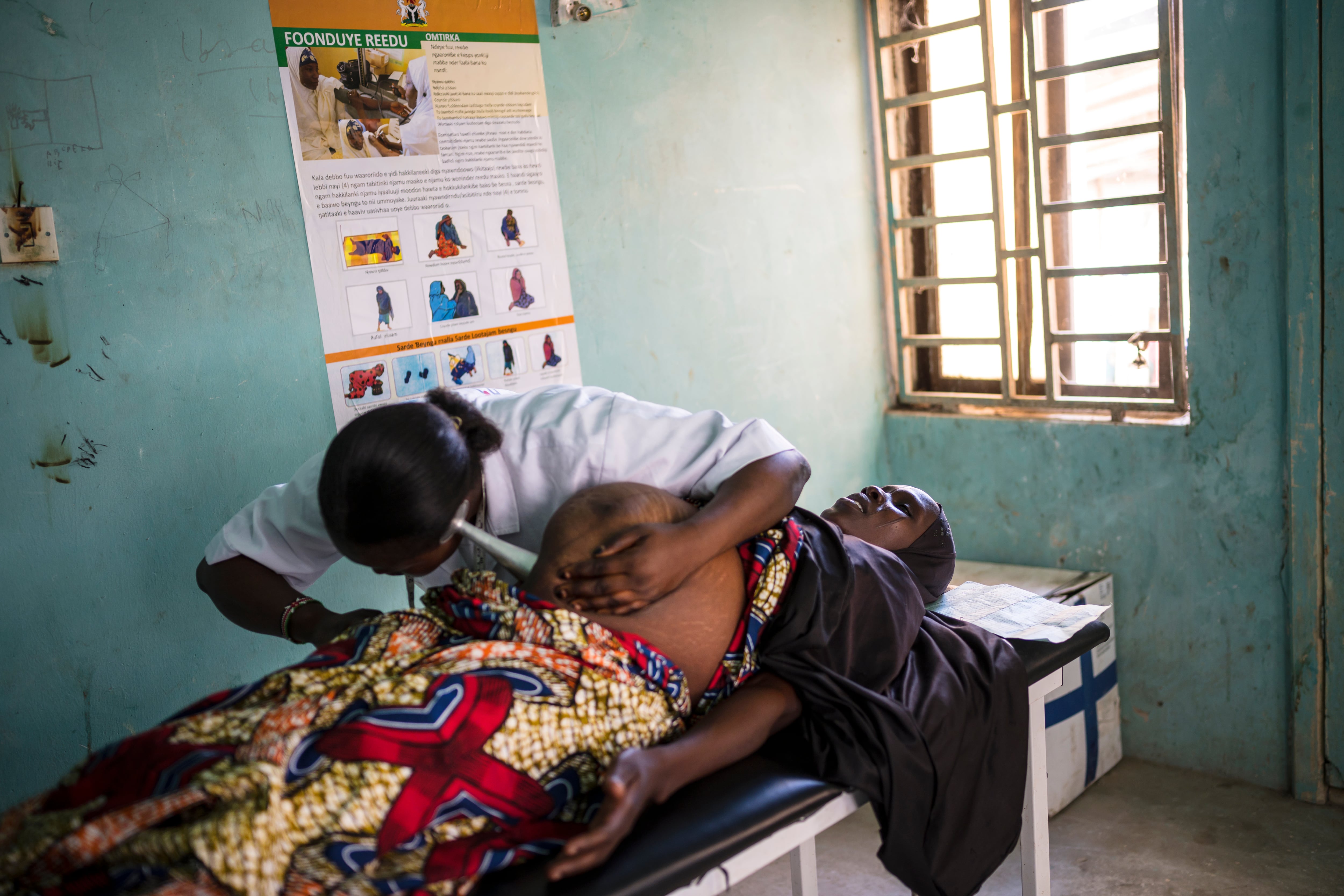
In the world's country with the highest absolute number of maternal deaths, the decision to practice this intervention is influenced by families, religious beliefs, prejudices, cultural expectations or economic considerations, making it difficult to access this life-saving operation
Nigeria’s Postal Service has launched a National Digital Alphanumeric Postcode System. The system is designed to help Nigerians find the postcodes of locations across the country. Before now, house identification in Nigeria was based on an unreliable house numbering system. Locating places was difficult, time consuming and sometimes even expensive. But there may challenges using the new system in a country with poor urban planning and illegal building constructions.
In tonight's edition: Ethiopia and Eritrea break diplomatic ties, accusing each other of stoking internal conflicts. Also, Nigeria rolls out a digital postcode system for every building. Plus we speak to one of the co-founders of the Rural Women's Assembly as it is recognised for its work challenging power systems.
A report published by the African whistleblower protection platform reveals that it has identified nearly 300 properties in the United States linked to Nigerian politicians. Most properties acquired in cash with public money, while these personalities held official positions.