Politics
Netanyahu: Coalition with Arab parties would be ‘shameful’
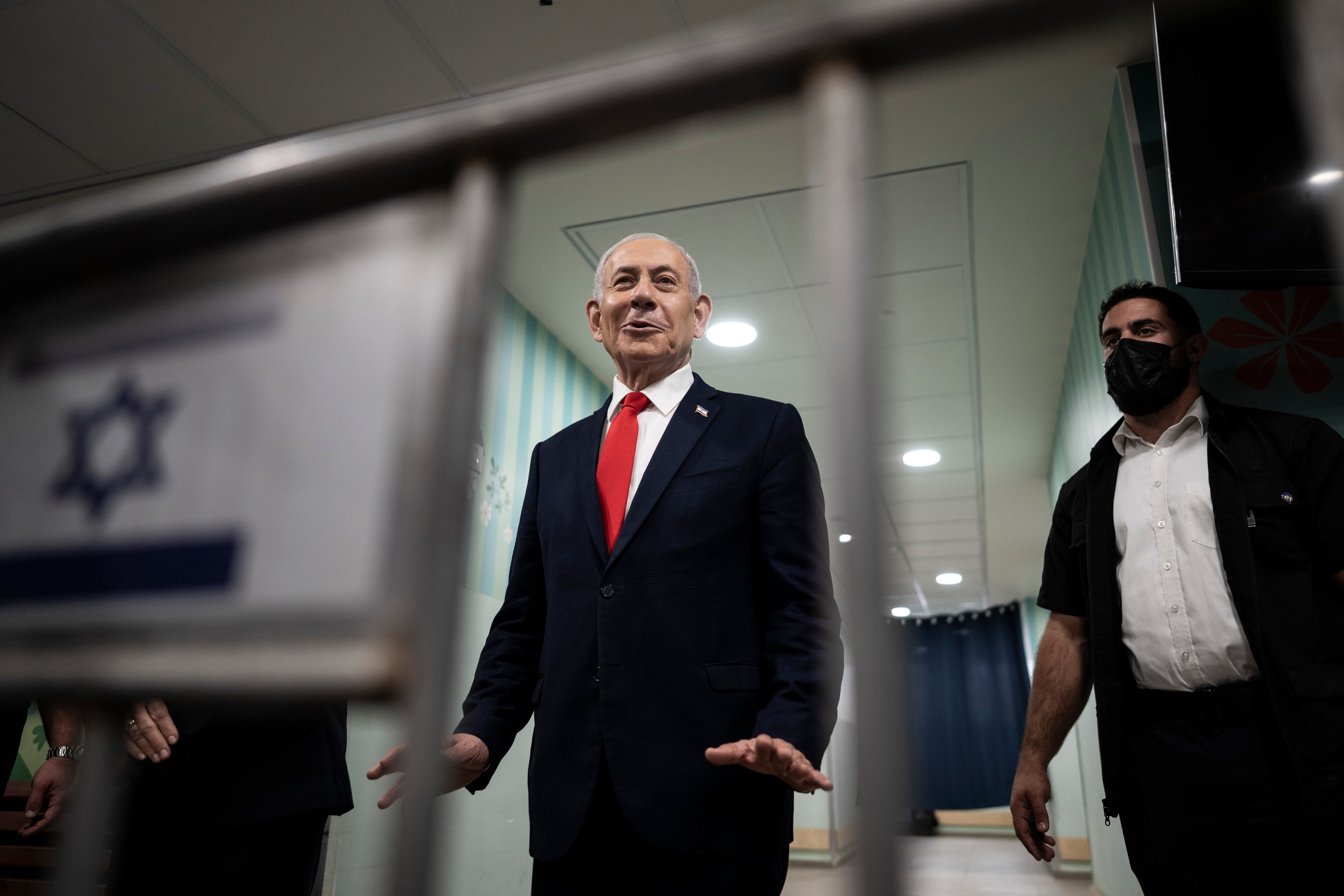
Netanyahu has called the prospect of working with Arab parties to form a government ‘a disgrace and a shame’.
International news in seven languages
Topic
Netanyahu has called the prospect of working with Arab parties to form a government ‘a disgrace and a shame’.
With more than half of votes counted, Netanyahu's bloc holds slight lead over opposition, but shy of majority.
After the preliminary results of the legislative elections in Israel were known, Prime Minister Benjamin Netanyahu claimed the role of his political bloc and said he will work to form a "strong and stable" right-wing government. During his speech to Likud supporters, he thanked his coalition allies, called on the unity of the Zionist majority and reiterated his rejection of the possibility of the Arab parties having a decisive role in the formation of the next government. From the Likud headquarters, our special envoy Erika Olavarría gives us more details.
Exit polls show Prime Minister Benjamin Netanyahu's alliance and Gadi Eisenkot's opposition bloc both well off the numbers needed to form a governing majority.
While partial results show the pro-Netanyahu and anti-Netanyahu blocs almost even, it may take days for the final tally. DW has the latest.
Israeli opposition leader Gadi Eisenkot says millions of Israelis voted for change, tired of Netanyahu’s ‘lies’.
At Likud headquarters, the party of Prime Minister Benjamin Netanyahu, the militants await the appearance of the Israeli leader to know his reaction to the preliminary results of the legislative elections. Among the sympathizers, caution prevails: many believe that it is still too early to define the final result, but they maintain the hope that Netanyahu and his coalition will be able to form government. From Tel Aviv, our special envoy Erika Olavarría tells us all the details.
The elections in Israel leave several historical milestones that help to understand the political moment that the country lives. Starting with the historic participation in the polls, what happened to Netanyahu and his party and finally the Arab parties and their good performance. From Tel Aviv, our correspondent Janira Gómez Muñoz tells us the details of the day.
The prime minister-friendly block would achieve 54 seats over 120, and the Jewish opposition, 49, once more than 70% of the votes were counted. Arab parties will be key to negotiations
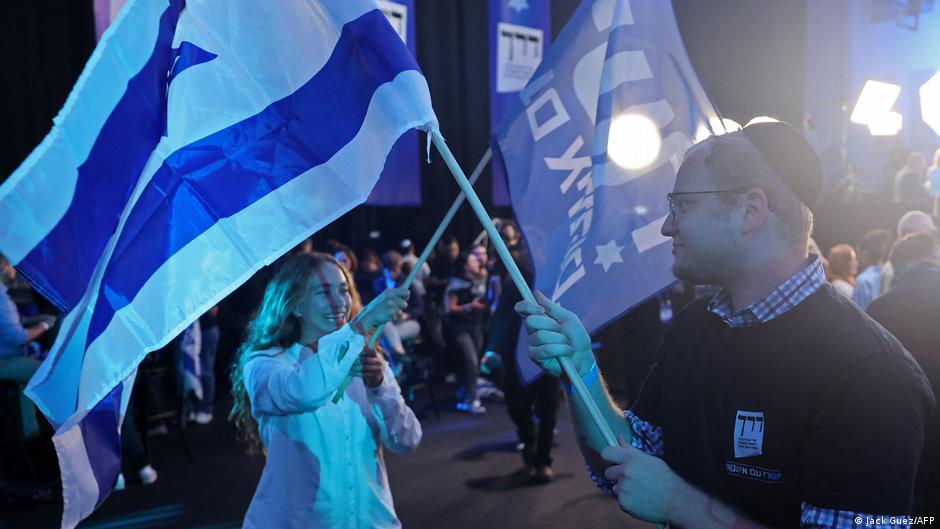
During the day of legislative elections in Israel, young people became protagonists and reflected a deeply divided society. Among hymns, slogans and rap songs outside the polling stations, some expressed their rejection of Prime Minister Benjamin Netanyahu, while others defended nationalist positions and supported the Israeli right. In a context marked by war, political polarization and debate on the future of the country, they also weigh the disputes that have marked the last years of the Netanyahu Government, since the polém
After the election day in Israel, we look at the challenges that the Israeli Prime Minister comes to these elections. Among them is the increased participation of the Arab electorate, a factor that could reduce the scope for manoeuvre of its political bloc. In addition to this, the discontent of the population following the attacks of 7 October 2023, the consequences of which continue to mark the public debate and which have led some voters, including victims and families of the affected, to express their rejection of the Government in the ballot box. Daniel Schwartz, historian, journalist and
Israeli Prime Minister Benjamin Netanyahu and rival Gadi Eisenkot on Wednesday both pledged to form a government after an election left neither bloc with a parliamentary majority. Record voter turnout followed a divisive campaign dominated by the October 7, 2023 attack, while Arab Israeli parties made significant gains.
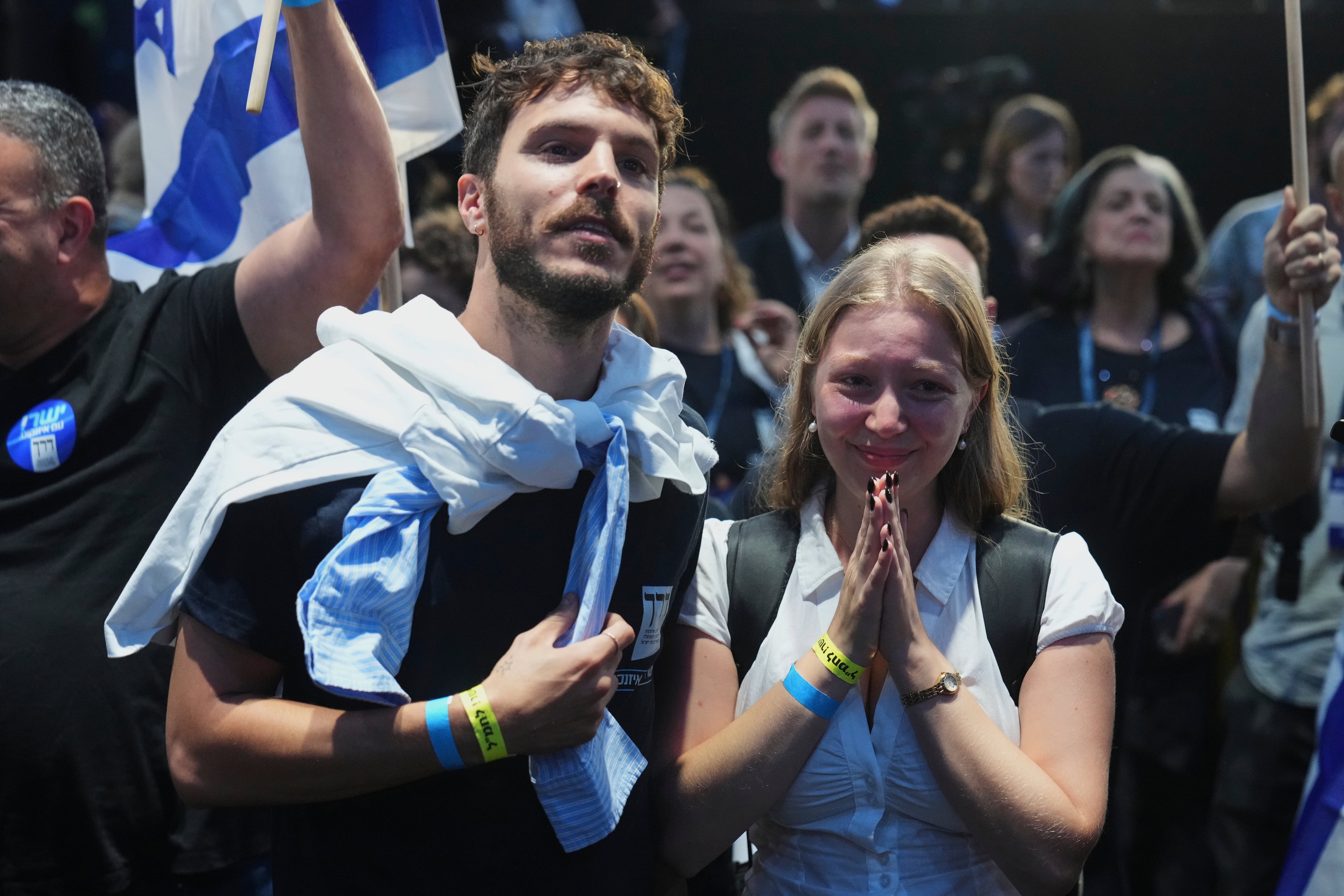
The anti-Government Israelis welcome the advance of the opposition, but are concerned that the Likud is the first force
During the voting day there was a record turnout, these being the first elections in Israel since the Hamas attack of October 7, 2023. Benjamin Netanyahu and coalition parties asked to extend the day, but the opposition leader objected. In view of the large participation of the Arab parties, Netanyahu also called on its voters to exercise their right in a "urgency." From Tel Aviv, our special envoy, Erika Olavarría tells us the details.
There is no parliamentary majority in Israel after more than half of the votes are counted. Outgoing Prime Minister Benjamin Netanyahu came slightly in the lead, but neither he nor his rival Gadi Eisenkot obtained the number of seats needed to form a majority. They both said on Wednesday they were ready to form a government. The parties will now embark on weeks of intense negotiations to try to form a government coalition.
While Netanyahu's party is projected to be the biggest in parliament, the anti-Netanyahu coalition looks set to have more seats. But no bloc has a clear majority.
Israeli Prime Minister Benjamin Netanyahu has urged voters to back his Likud party minutes before polls close.
Some seven million Israelis were called to the polls for the general elections – the first since Hamas attacks on October 7, 2023. This Tuesday is a holiday in the country. The two blocks, that of the Israeli Prime Minister Benjamin Netanyahu, and that of the opposition led by former Chief of Staff Gadi Eisenkot, are in a row in the polls.
Annette Young is pleased to welcome Alain Greilsammer, Professor of Political Science at Bar-Ilan University in Tel Aviv. In the wake of the October 7 attacks, regional tensions with Iran, and deepening domestic divisions, Greilsammer argues that the election will be fundamentally shaped by concerns over democratic accountability, judicial independence and the unequal distribution of civic obligations. He warns Netanyahu’s policies risk transforming Israel into “something like an authoritarian or non-democratic state.” He suggests that Israel’s Arab political parties could play a decisive role
Exit polls show no outright winner, but suggest Netanyahu's coalition is tied with the main Jewish-led opposition bloc.