Science
Seal pups spotted at nature reserve for 12th year
Two pups have been recorded at South Walney, home to Cumbria's only breeding grey seal colony.
International news in seven languages
Topic
Two pups have been recorded at South Walney, home to Cumbria's only breeding grey seal colony.
At COP17 and COP31, governments must accelerate positive tipping points in energy, food and finance.
At Stanford University, researchers managed to grow human brain tissue in the brain of genetically modified mice, to occupy more than 90% of the released cortical space. This feat was published in the journal "Nature" on October 8. The objective: to understand the development of the brain and certain neurological diseases.
Spark of hope for a natural world beset by crisis, as conservation efforts succeed amid a 73 percent drop in wildlife.
Two-mile long Pebble Ridge looks artificial but was created by waves and storms over centuries Northam Burrows in Devon has an impressive coastal defence: a bank of limestone cobblestones, 2 miles long and standing more than 2 metres above high tide. It looks artificial, but the bank is natural, made by wave action over centuries. Known as the Pebble Ridge, this is an example of a coastal boulder deposit. Longshore drift carries rocks from nearby eroding cliffs eastwards down the coast to Northam Burrows. During big storms, powerful waves carry a mixture of stones, gravel, pebbles and sand up
The tuna is one of several wildlife recoveries highlighted in a major new report from WWF.
Researchers have captured key steps in a chemical reaction that helps nature transfer energy with remarkable efficiency. Ultrafast X-rays revealed how changes involving electrons and protons are closely linked to the rearrangement of surrounding water molecules. Because similar reactions drive photosynthesis and other energy-conversion processes, the technique could help scientists develop better catalysts, fuel cells, and flow batteries.
Steve Backshall says growing up with rescue animals helped inspire his passion for nature.
Campaigners are pushing for more wildlife-rich green spaces to be created within urban communities.
Local Nature Recovery Strategy is approved for one of England's "most nature-depleted areas".
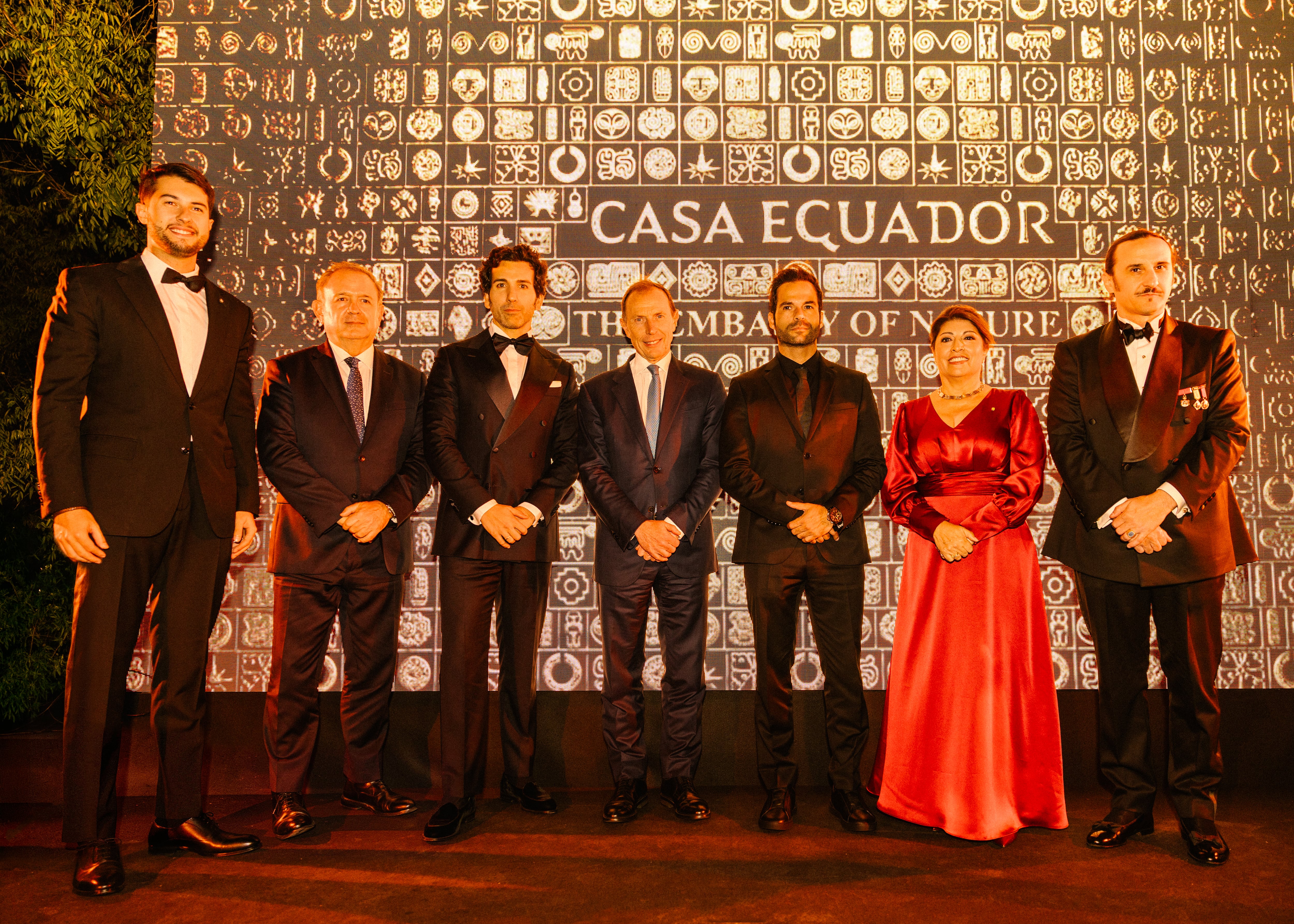
TEON (The Embassy of Nature), a decentralized international institution founded to give voice and legal representation to nature in political and economic forums, brought together 500 people in Madrid to address a growing challenge: how to finance the conservation of biodiversity and heritage without making them objects of exploitation.
Staffordshire Wildlife Trust acquires an area of wet woodland, marsh and pastureland due to the will.
Artificial intelligence system delivers a three-day forecast as accurate as previous two-day predictions Google’s WeatherNext AI model is better than existing systems at forecasting cyclones, according to a paper published in Nature. The AI-based technology gives an extra day of warning, providing a three-day forecast for hurricanes or typhoons that is as accurate as previous two-day predictions. Continue reading...