Weather
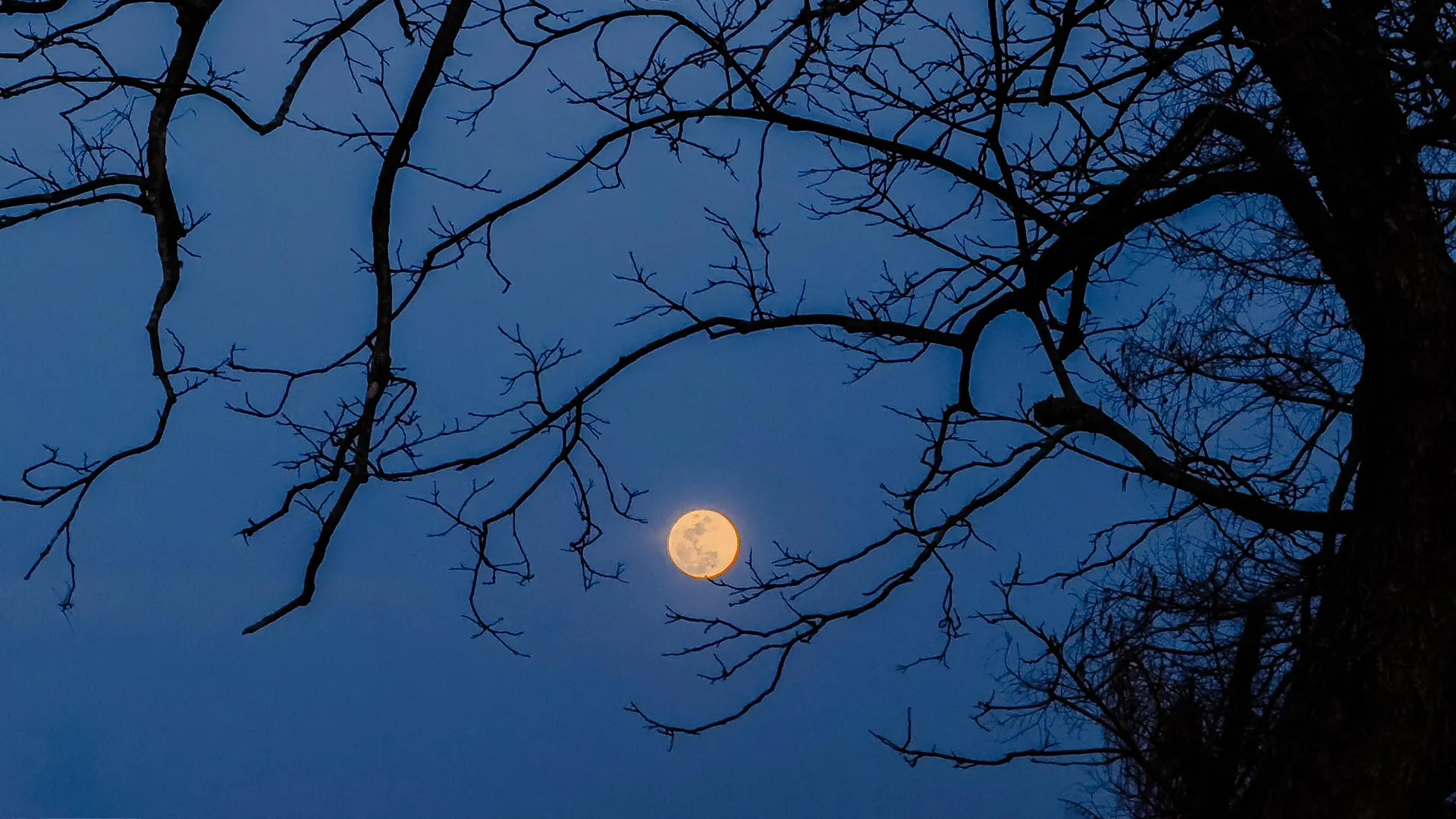
October's full Hunter's Moon to light up night sky this weekend
October's full Moon, known as the Hunter's Moon, will rise on Sunday night. Will the weather be in your favour?
International news in seven languages
Topic
October's full Moon, known as the Hunter's Moon, will rise on Sunday night. Will the weather be in your favour?
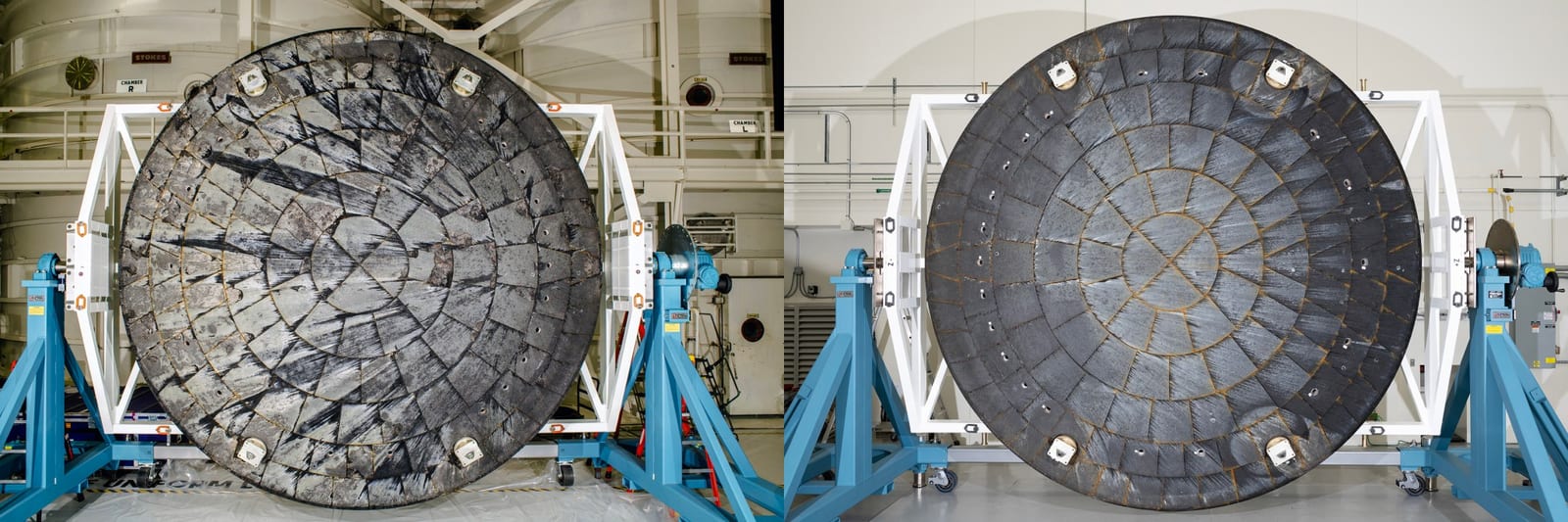
NASA’s Artemis II mission sent four astronauts around the Moon and brought them safely back to Earth, laying a foundation for crewed flights to the Moon’s surface. Additional engineering data analysis of the Orion spacecraft’s heat shield confirmed initial data showing the heat shield performed as expected. In particular, NASA measured whether the thermal protection […]
NASA has selected 12 U.S. institutions to receive $12 million to accelerate academic research and technology development in support of the agency’s priorities for exploring the Moon, Mars, and deep space. Through NASA’s Minority University Research and Education Project (MUREP) Space Technology Artemis Research (M‑STAR) initiative, selected institutions will each receive up to $1 million […]
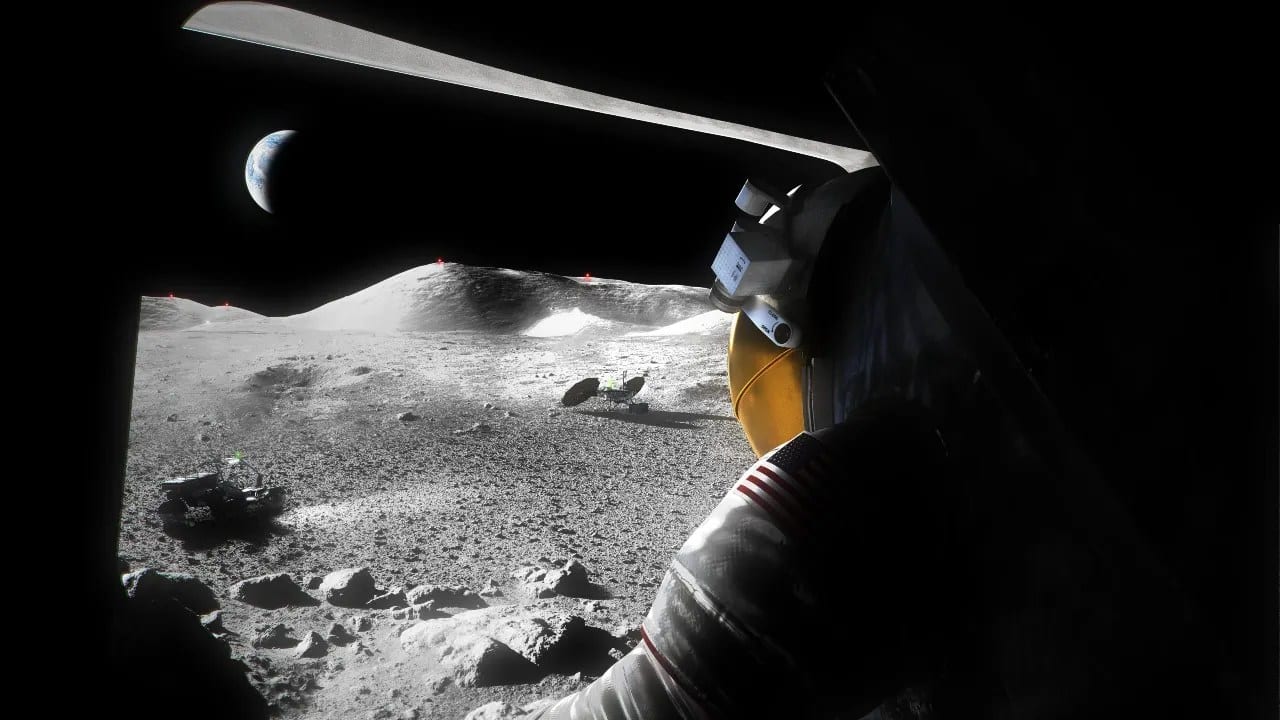
NASA will provide an update on its plans to return American astronauts to the surface of the Moon by 2028 at 2 p.m. EDT, Friday, Oct. 23, at the agency’s Kennedy Space Center in Florida. Learn where to watch online: https://www.nasa.gov/live Participants in the briefing include: The update will include details about NASA’s Artemis III […]
Scientists may have solved a long-standing mystery about why the Moon’s two sides are so different, using samples collected from its farside for the first time. Their findings suggest that uneven heating from Earth's gravitational pull drove enormous flows of ancient magma, creating the dramatically different lunar landscapes we see today.
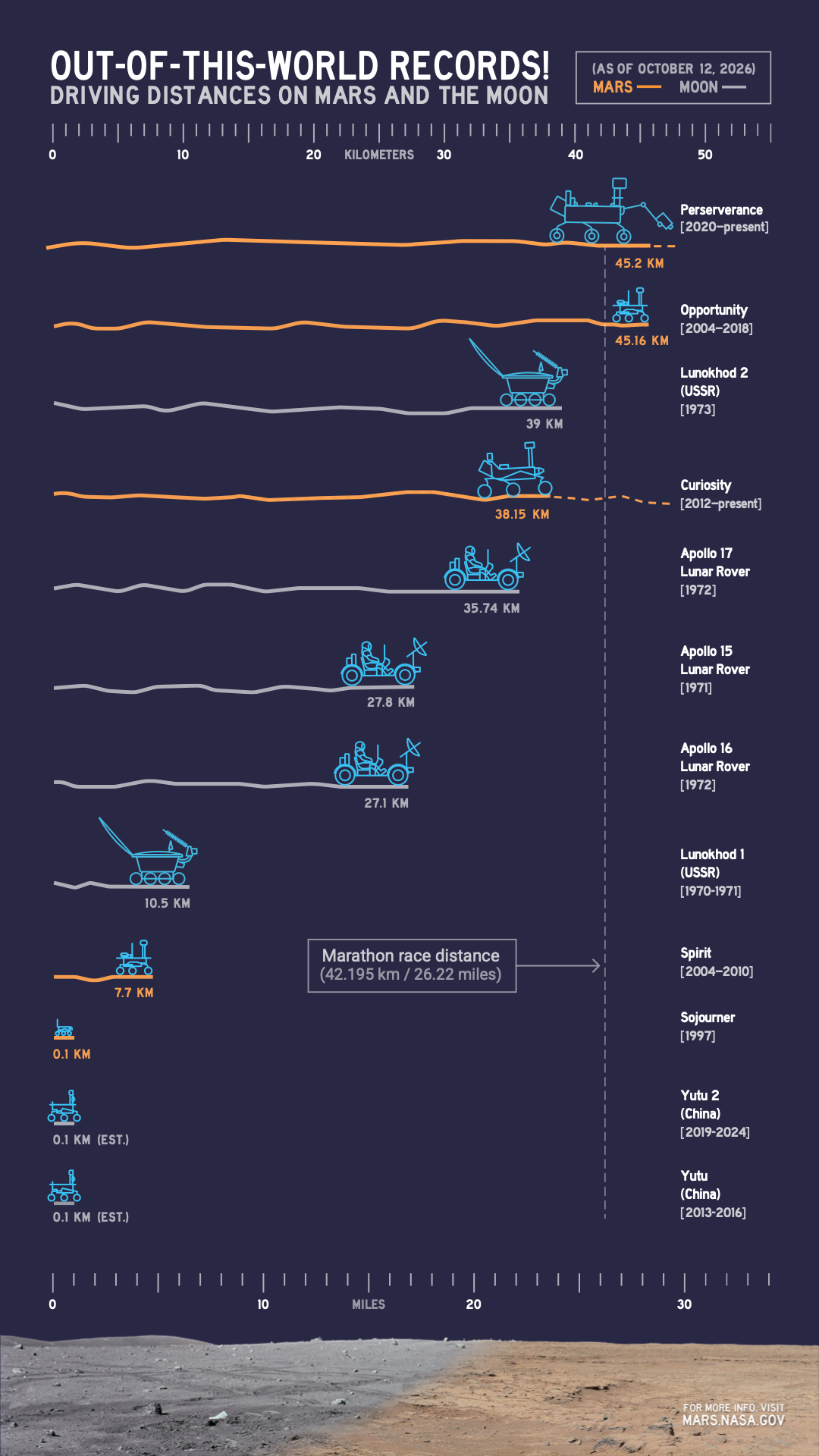
Description This infographic illustrates the distances driven by various rovers on the surface of Earth’s Moon and Mars. Of the vehicles shown, the NASA Mars rovers Perseverance and Curiosity are still operational and moving across the surface; the figures shown for those two are distances driven as of Oct. 11, 2026. As of that date, […]
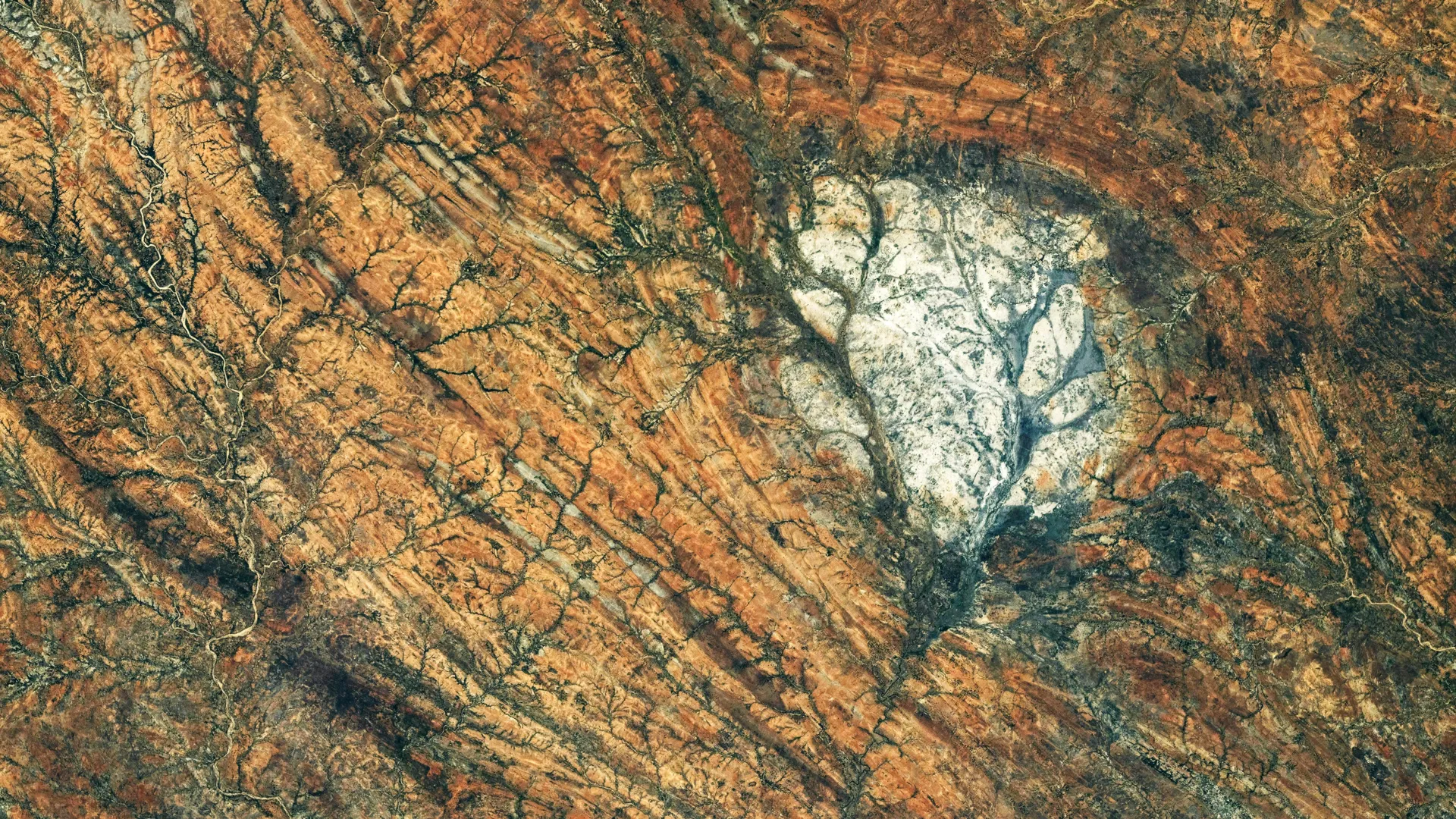
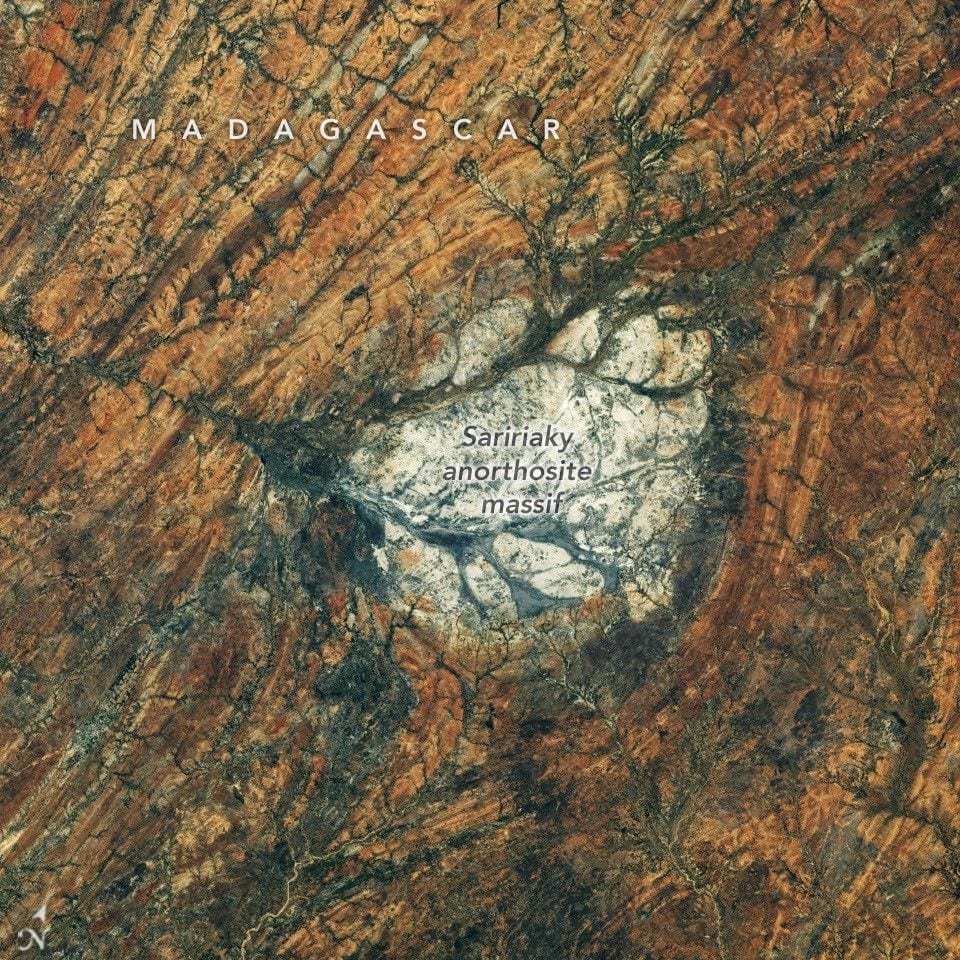
An astronaut aboard the International Space Station photographed a remarkable formation in Madagascar that looks surprisingly similar to the Moon’s bright highlands. Made of anorthosite, a rock abundant on the lunar surface, the formation dates back at least 600 million years and bears the scars of ancient continental collisions.
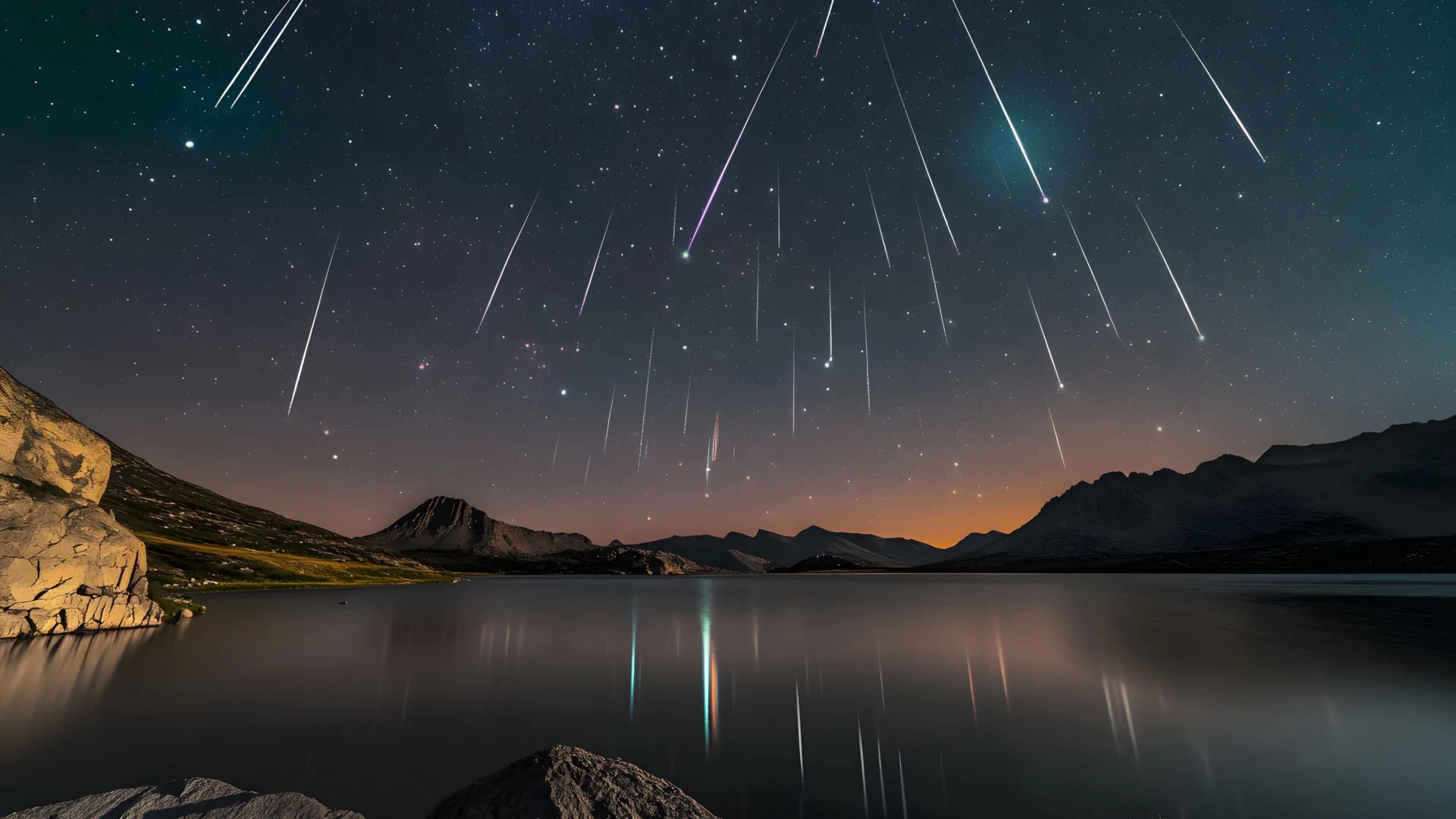
October’s skies are packed with celestial surprises, from Jupiter disappearing behind the Moon to two meteor showers lighting up the darkness. NASA highlights four must-see events, including shooting stars from Halley’s Comet and a glowing Hunter’s Moon just before Halloween.
NASA’s SpaceX Crew-12 astronauts have returned to Earth after 237 days in space, traveling more than 100 million miles and completing over 3,792 orbits while conducting research to prepare for future missions to the Moon and Mars. The mission also made history with record-setting spacewalk achievements and experiments that could transform medicine both in space and on Earth.
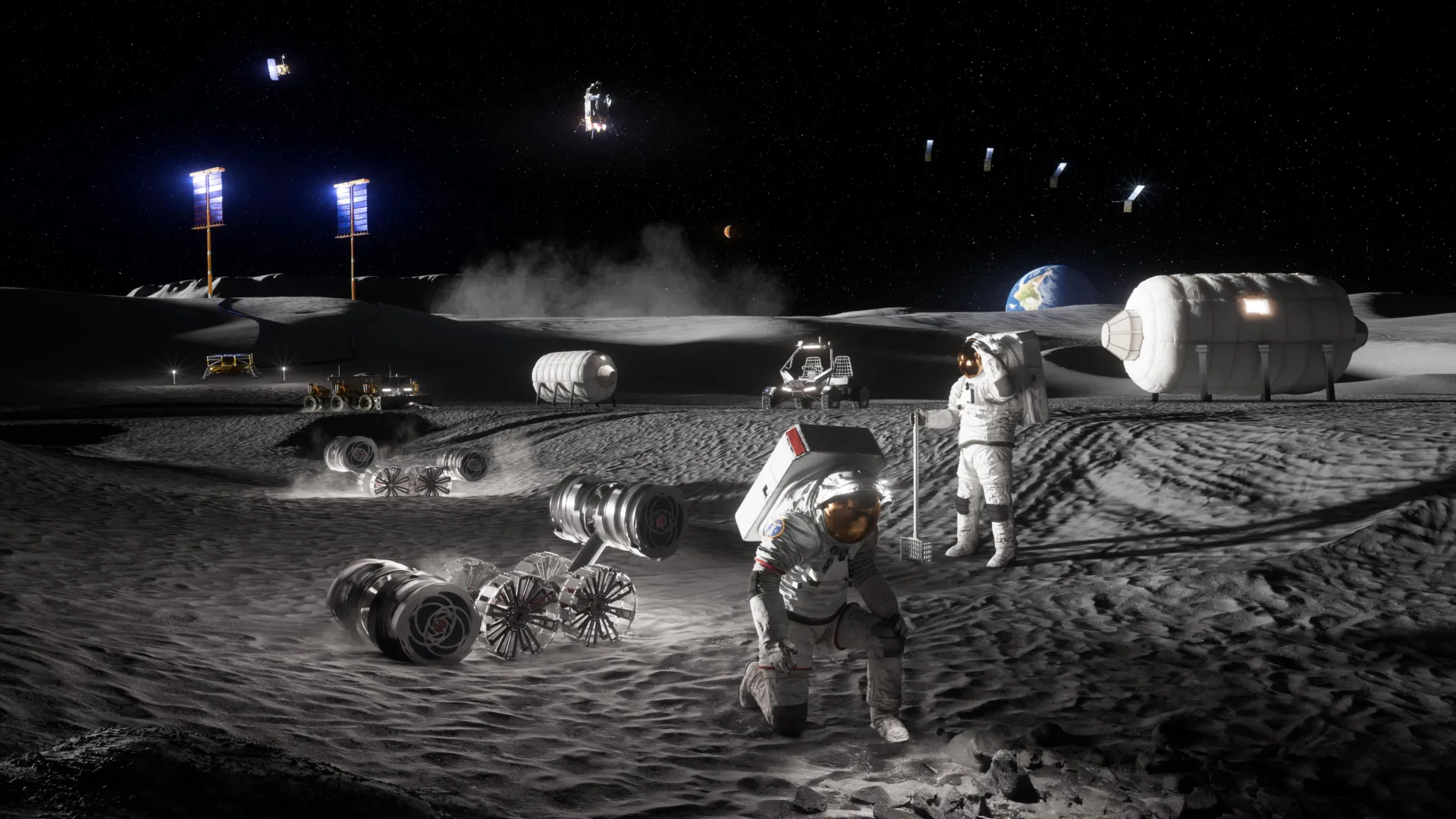
NASA is preparing for humanity’s first Moon base with three investigations that will hunt for underground shelters, uncover hidden ice, and track dangerous conditions on the lunar surface. The findings could reveal how astronauts can survive and thrive on the Moon while laying the groundwork for future journeys to Mars.
Pioneering computer scientist led the development of the software for Nasa's Apollo mission and was awarded the Presidential Medal of Freedom.
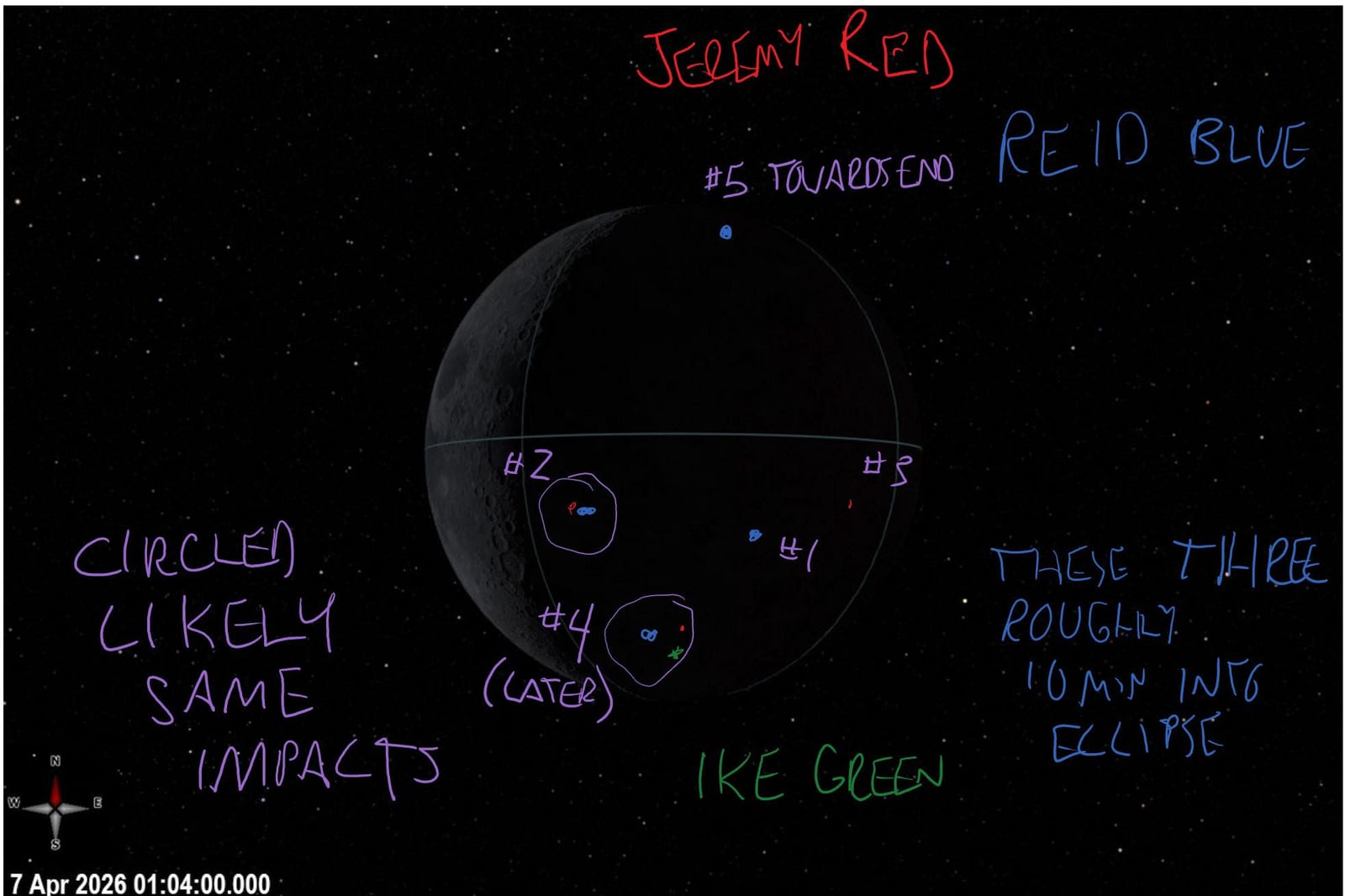
A visualization of a dark Moon eclipsing the Sun is marked with handwritten notes in this April 6, 2026, screenshot from an Artemis II crew member’s tablet. NASA astronauts Reid Wiseman (in blue) and Victor “Ike” Glover (in green) and CSA (Canadian Space Agency) Jeremy Hansen (in red) observed impact flashes and their locations, which […]
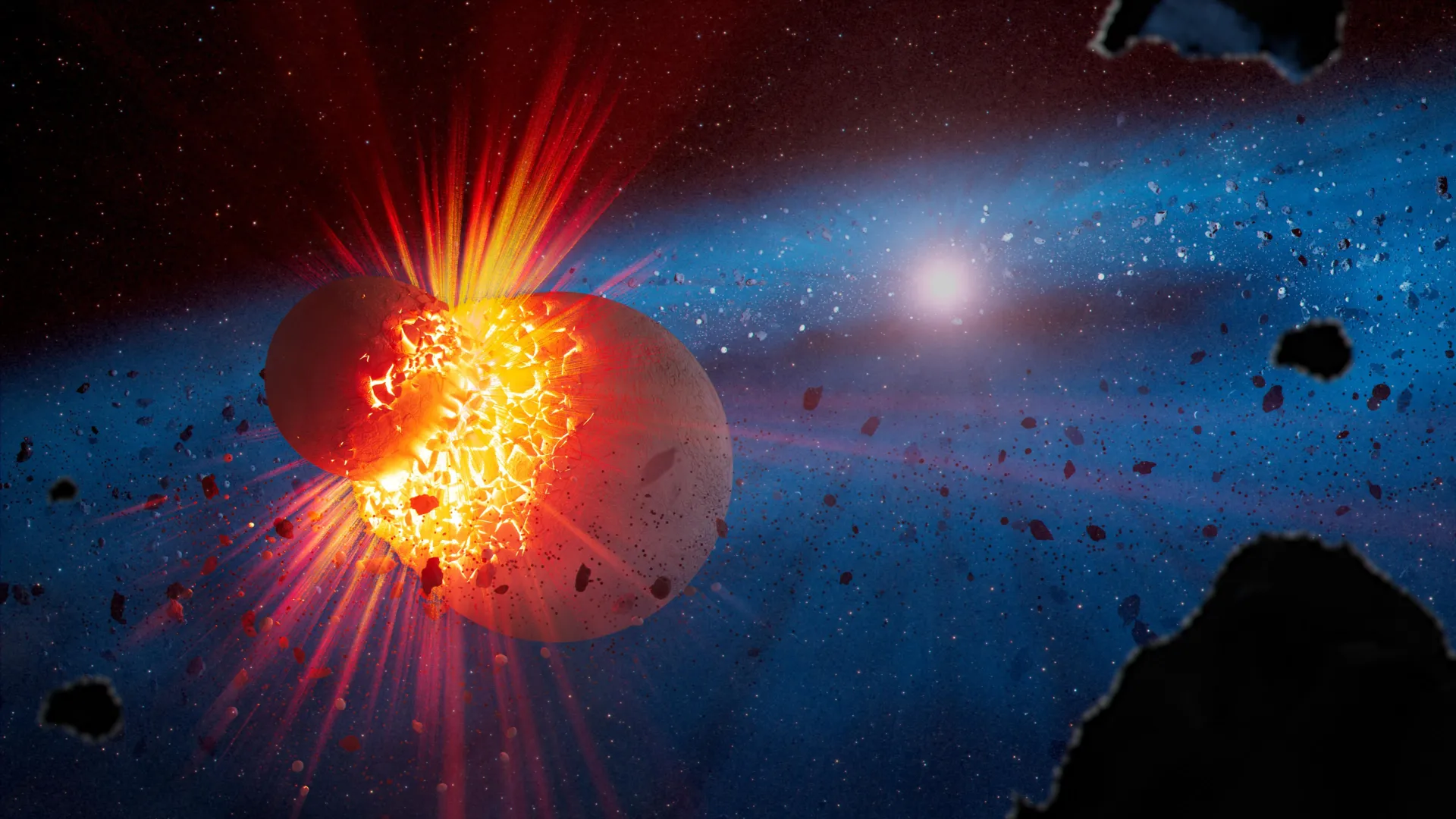
NASA’s James Webb Space Telescope is giving astronomers a glimpse of the kinds of violent collisions that may have shaped our own solar system, including the giant impact thought to have created the Moon. By studying 21 rare “extreme debris disks” around young stars, researchers found that their dust can reveal the scale and intensity of planetary collisions.
NASA has selected the GIMLI project to investigate whether the Marius Hill Pit opens into a vast underground cave or lava tube. Using radar, seismic sensors, gravity measurements, and cameras, researchers will search beneath the lunar surface and estimate the size of any hidden void. Such caves could preserve clues to the Moon’s volcanic history and potentially provide protected shelters for future astronauts.
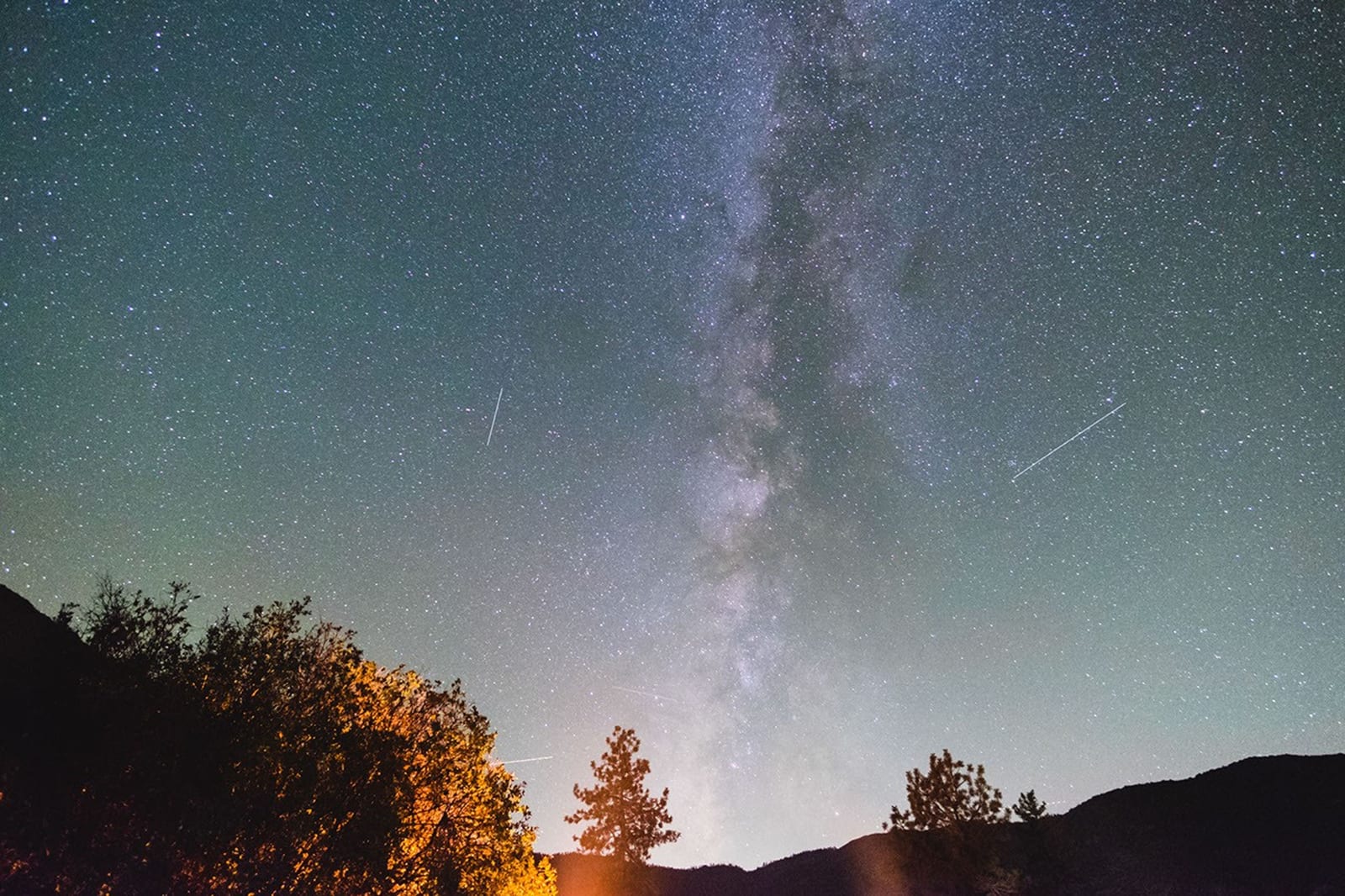
October skywatchers can see Saturn at opposition, catch meteors from Halley’s Comet during the Orionid peak, and watch the Moon sweep past the famous Pleiades star cluster. Moonlight may obscure some Orionids, but the best viewing should come before dawn after the Moon sets.
A bright lens of anorthosite, a rock type prevalent on the lunar surface, is cradled within sheared rocks in the country’s south.
“I want to be able to look at a rocket launch and say, ‘I touched a piece of this.’” That’s how Richard Spolzino describes the thing he’s chasing. Not a title, not a specific mission, not even NASA itself, just the ability to point at something real and know his work made it possible. At […]
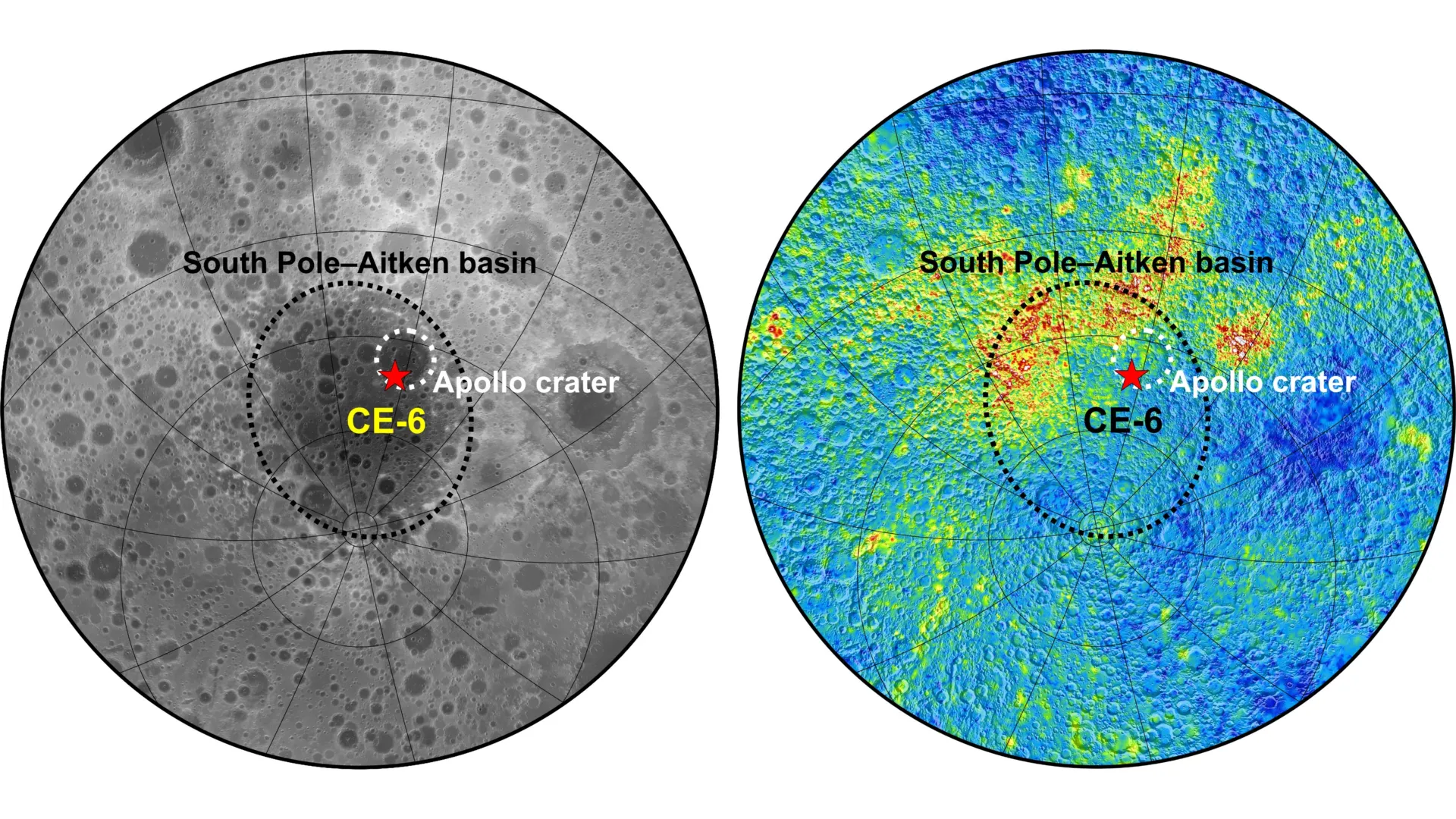
Scientists studying Chang’e-6 lunar soil have discovered a previously unknown magnetic mineral in natural Moon samples: a form of metallic iron called γ-Fe. Found inside tiny impact-glass particles, the nanoscale iron can preserve a stable magnetic signal, potentially acting like a microscopic fossil of the Moon’s long-lost magnetic field.
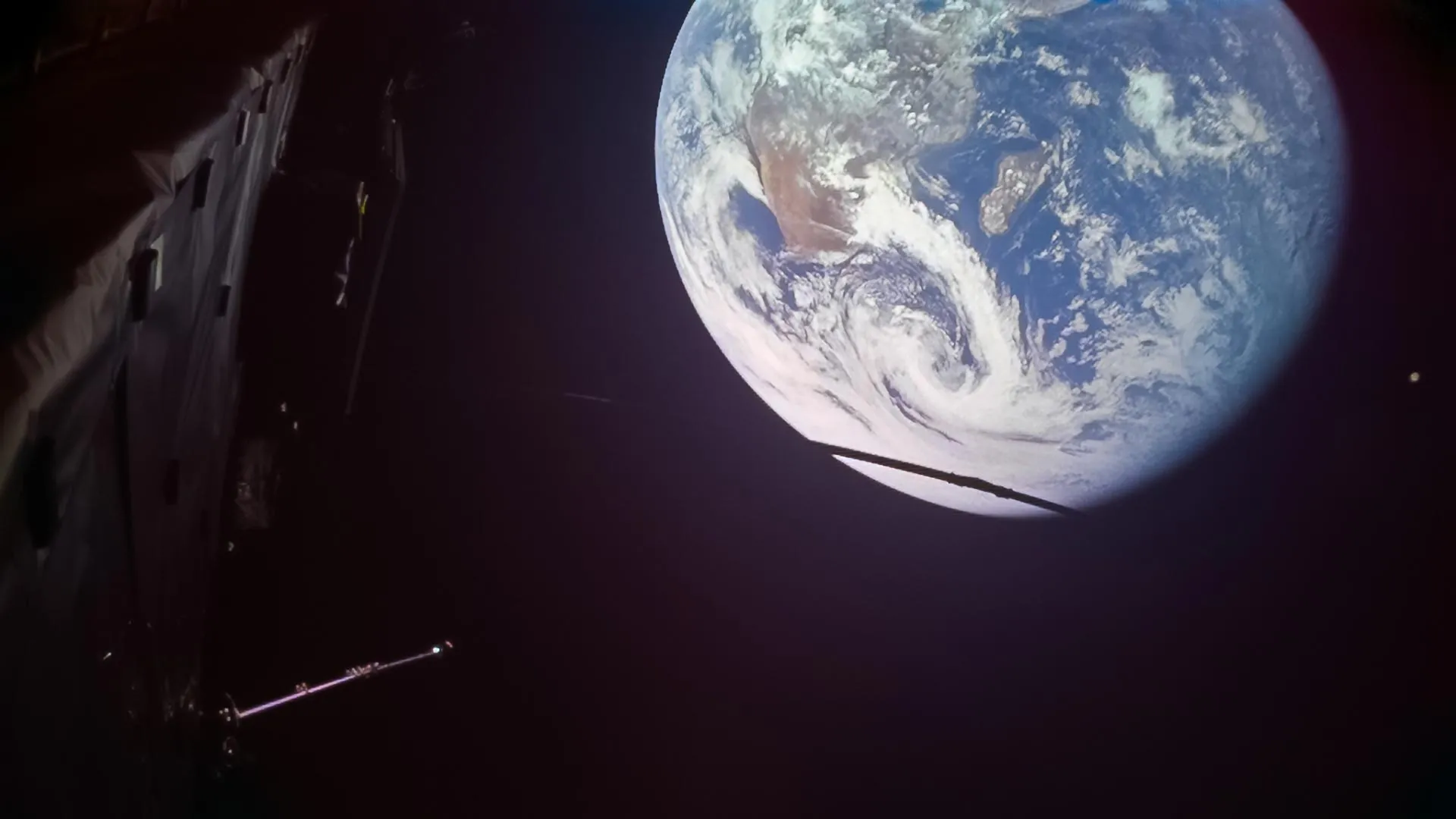
ESA’s Juice spacecraft raced past Earth on September 28, using our planet’s gravity to dramatically reshape its path toward Jupiter without burning much fuel. The flyby changed its direction by 20 degrees and increased its speed by 3.5 km/s, while also giving scientists a rare chance to test its instruments on Earth and the Moon.
A Meteor Shower and the Moon Near the Pleiades See Saturn at opposition, catch the Orionid meteor shower, and watch the Moon pass close to the Pleiades, also known as the Seven Sisters. Skywatching Highlights Transcript Saturn takes center stage, a meteor shower lights up the sky, and the Moon visits the Seven Sisters. That’s […]