Advertisement
Advertisement

Topic

Milky Way

Science

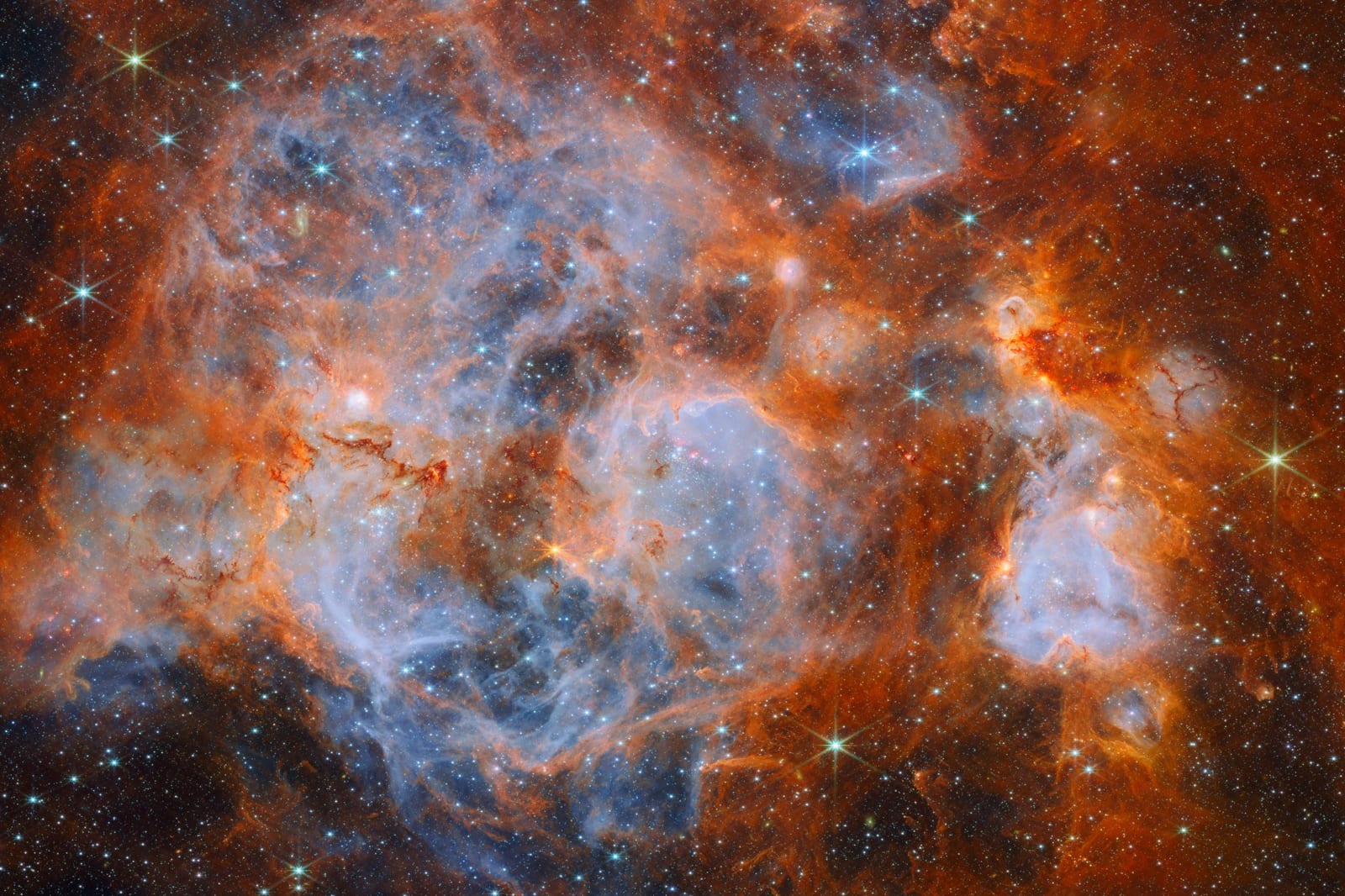
Webb Sees Turbulent Star Nursery

In this Webb image released on Oct. 22, 2026, we see a turbulent cauldron of star formation filled with dense clumps of gas. This region is named N159 and is located 161,000 light-years away in the Large Magellanic Cloud, one of the satellite galaxies orbiting the Milky Way galaxy. This region has a lower metallicity […]
Science

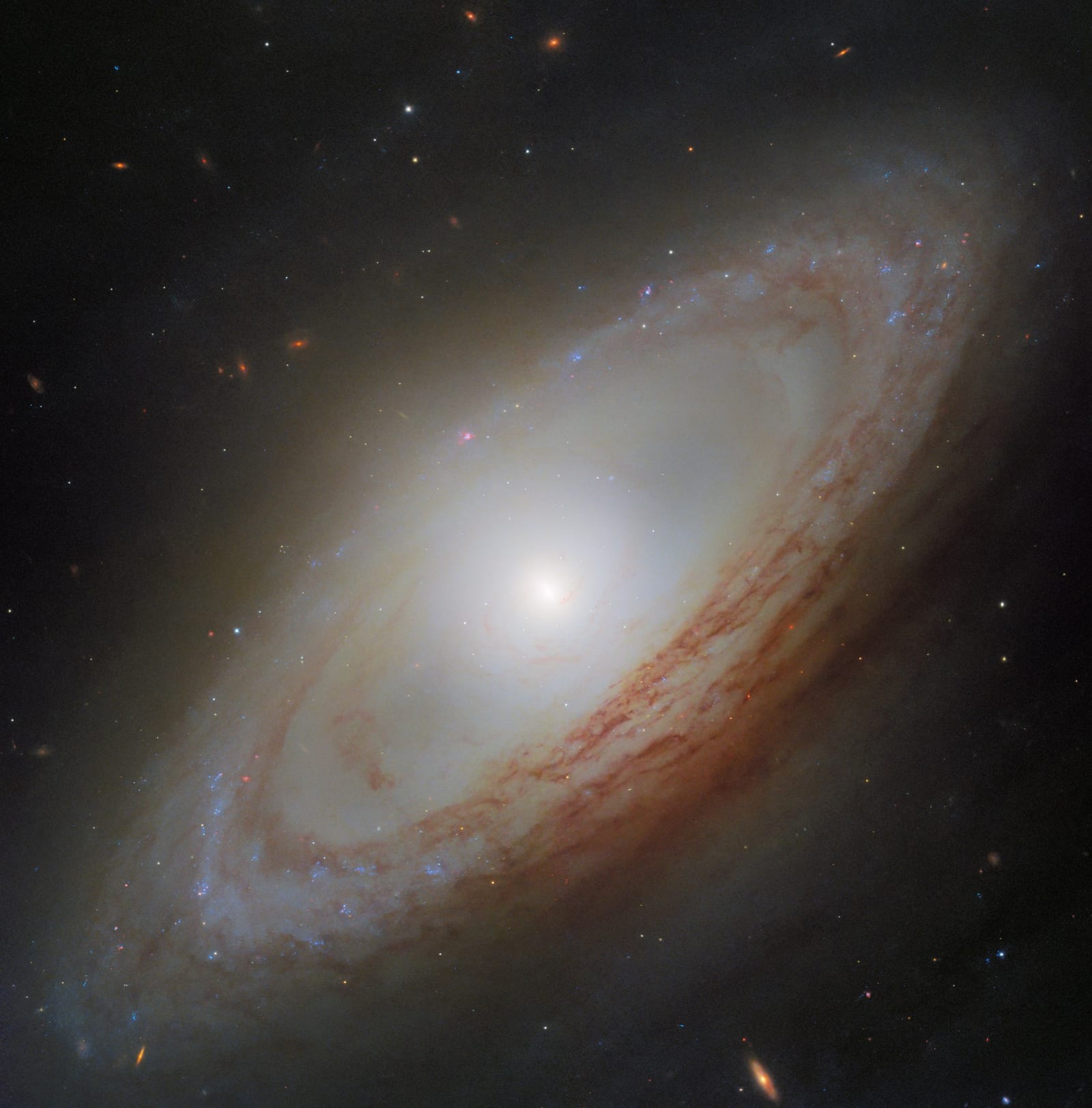
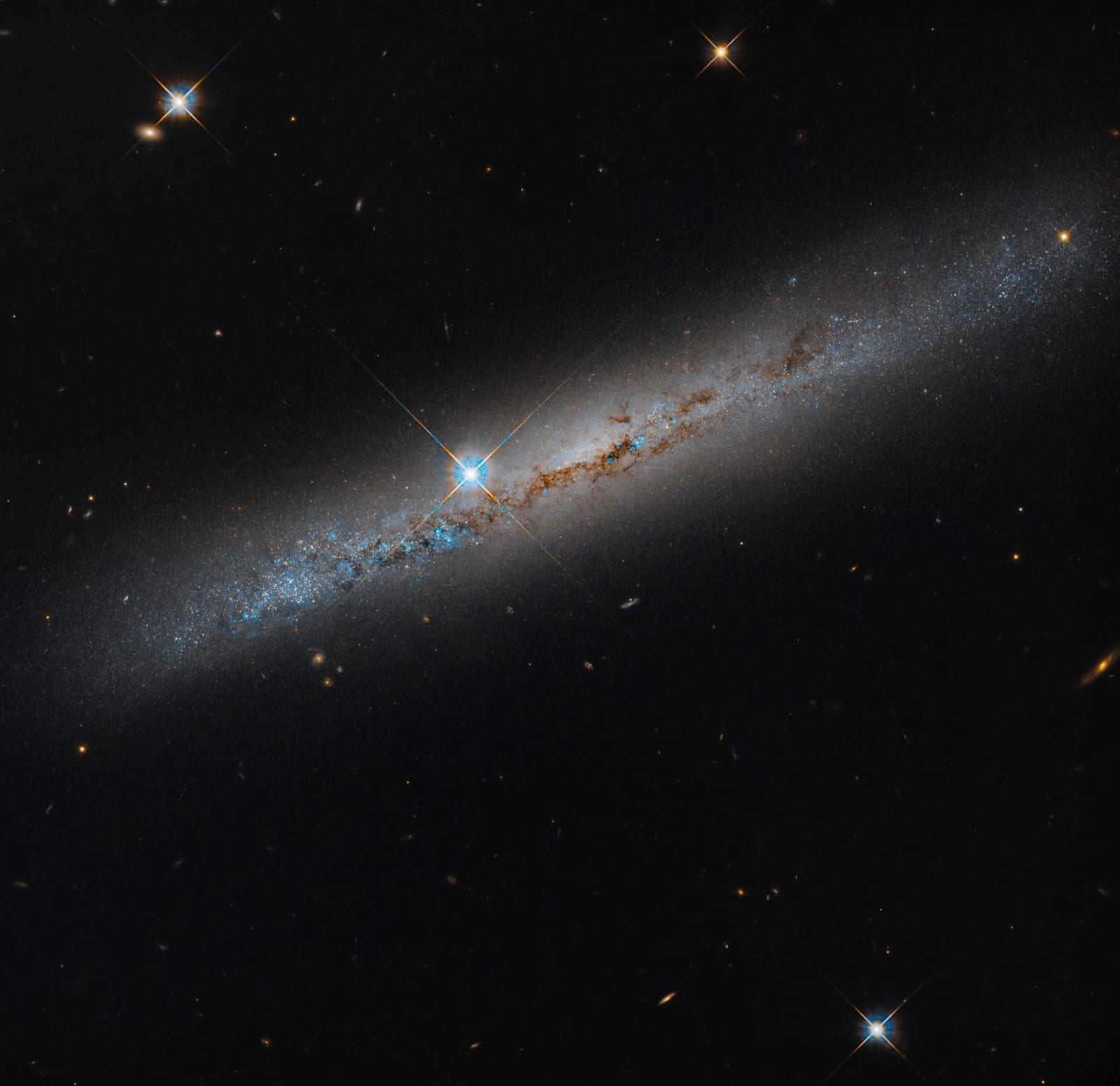
Spiral’s Edge

This NASA Hubble Space Telescope image released on Oct. 16, 2026, features the edge-on, intermediate spiral galaxy NGC 1827, located roughly 37 million light-years away in the constellation Columba, the Dove. Hubble captured the image as part of a survey looking at 260 satellite galaxies around 22 Milky Way-like host galaxies within a radius of […]

Science

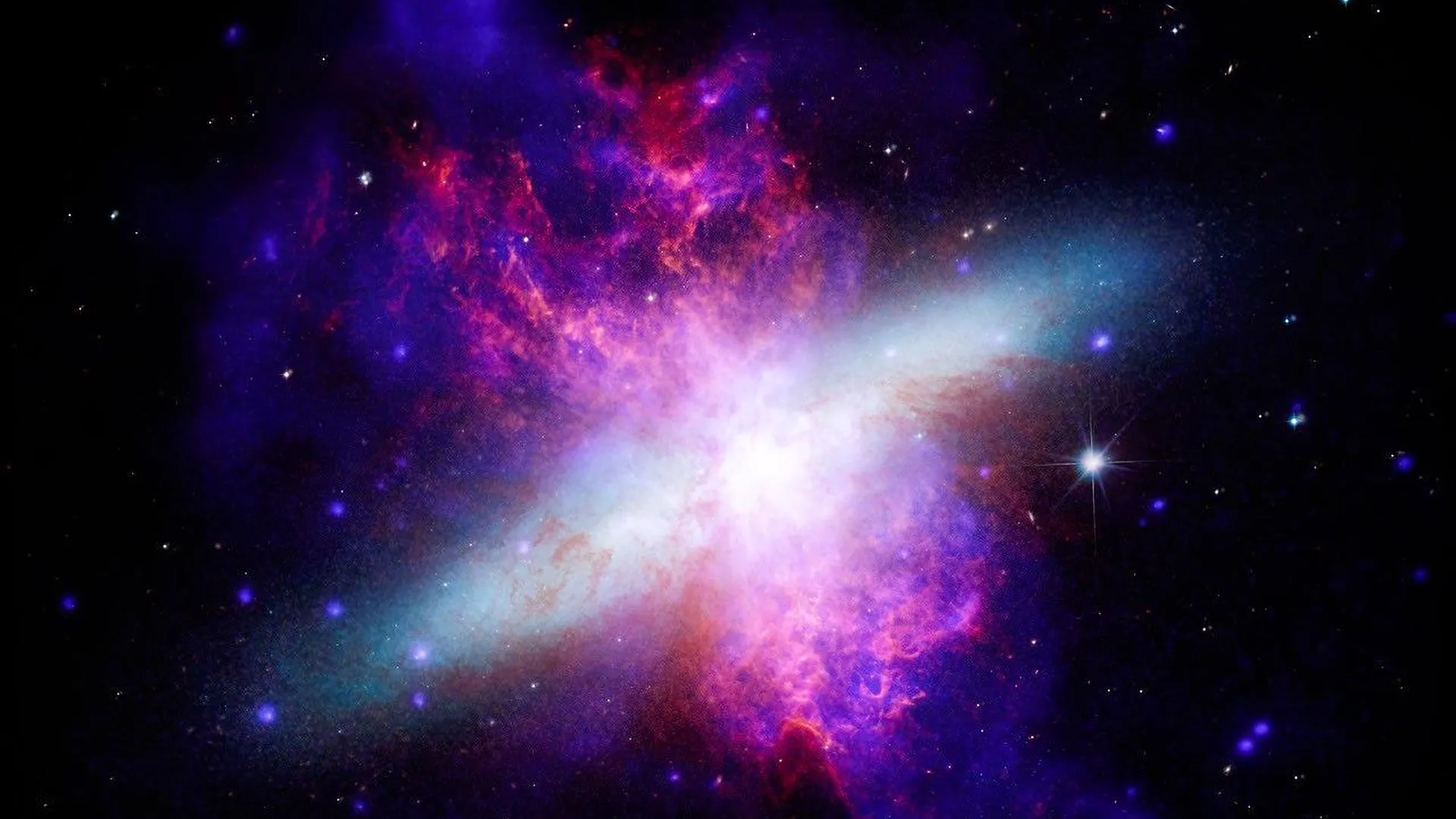
NASA reveals 16 stunning galaxies hiding cosmic chaos

NASA's stunning new gallery of 16 galaxies reveals colossal black hole jets, explosive star formation, and spectacular cosmic collisions through the combined power of Chandra, James Webb, Hubble, and other telescopes. These extraordinary images expose the hidden forces shaping galaxies across the universe and offer clues about the Milky Way's own past and future.

Science

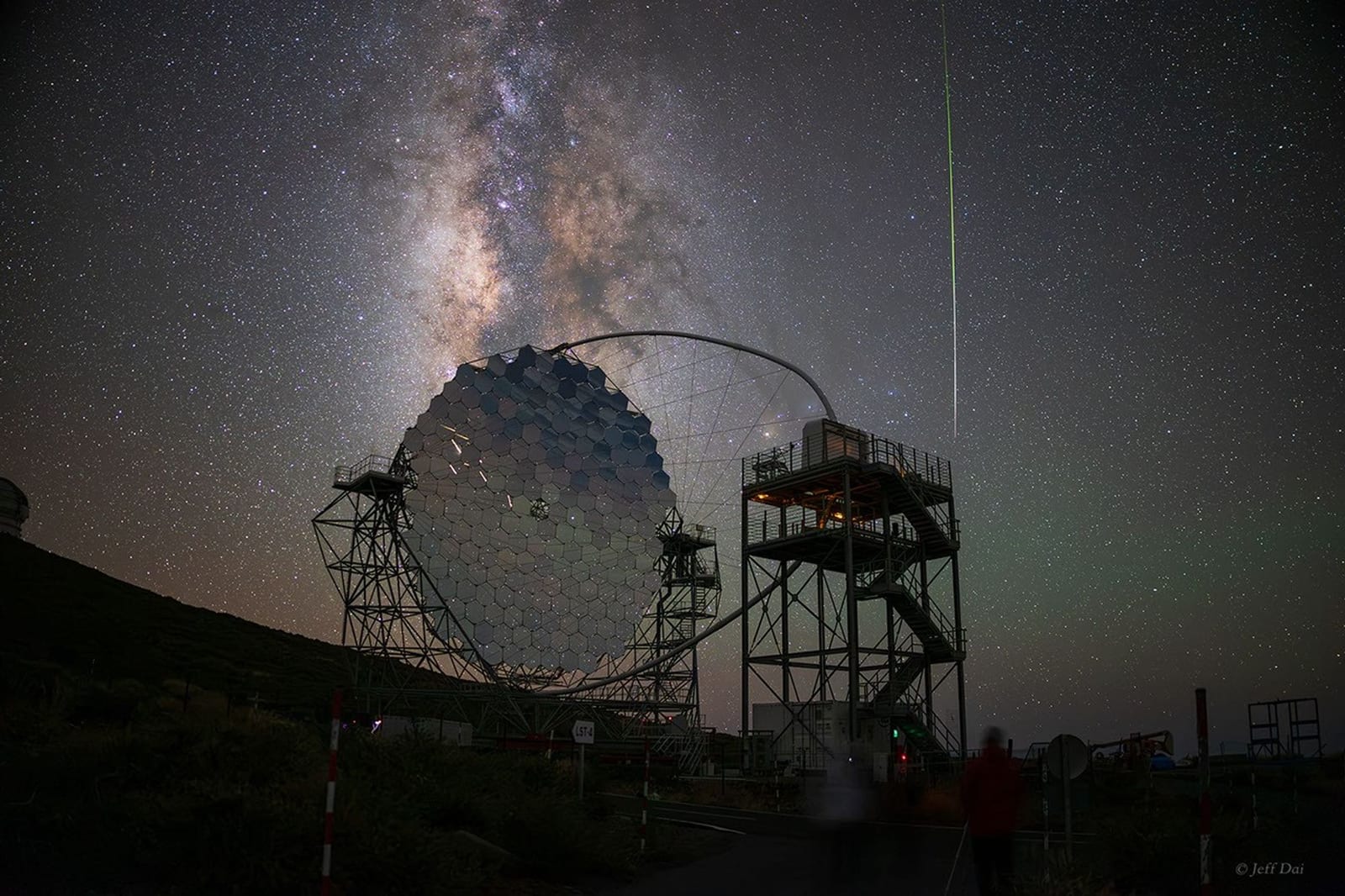
APOD: 2026 September 26 – Mirrored Meteor and Milky Way

APOD Science APOD APOD: 2026 September 26 –… Today’s APOD Archive Submissions Index Search Calendar RSS Education About Discuss APOD Astronomy Picture of the Day Discover the cosmos! Each day a different image or photograph of our fascinating universe is featured, along with a brief explanation written by a professional astronomer. Mirrored Meteor and […]

Science

Hubble Spots Chaotic Secret in Galaxy

A chaotic secret hides within this seemingly serene image of spiral galaxy NGC 4698 taken by NASA’s Hubble Space Telescope and released on Sept. 18, 2026. As a spiral galaxy like our own Milky Way galaxy, NGC 4698 has spiral arms that curl around within a thin disk of stars, gas, and dust. These arms […]

Science

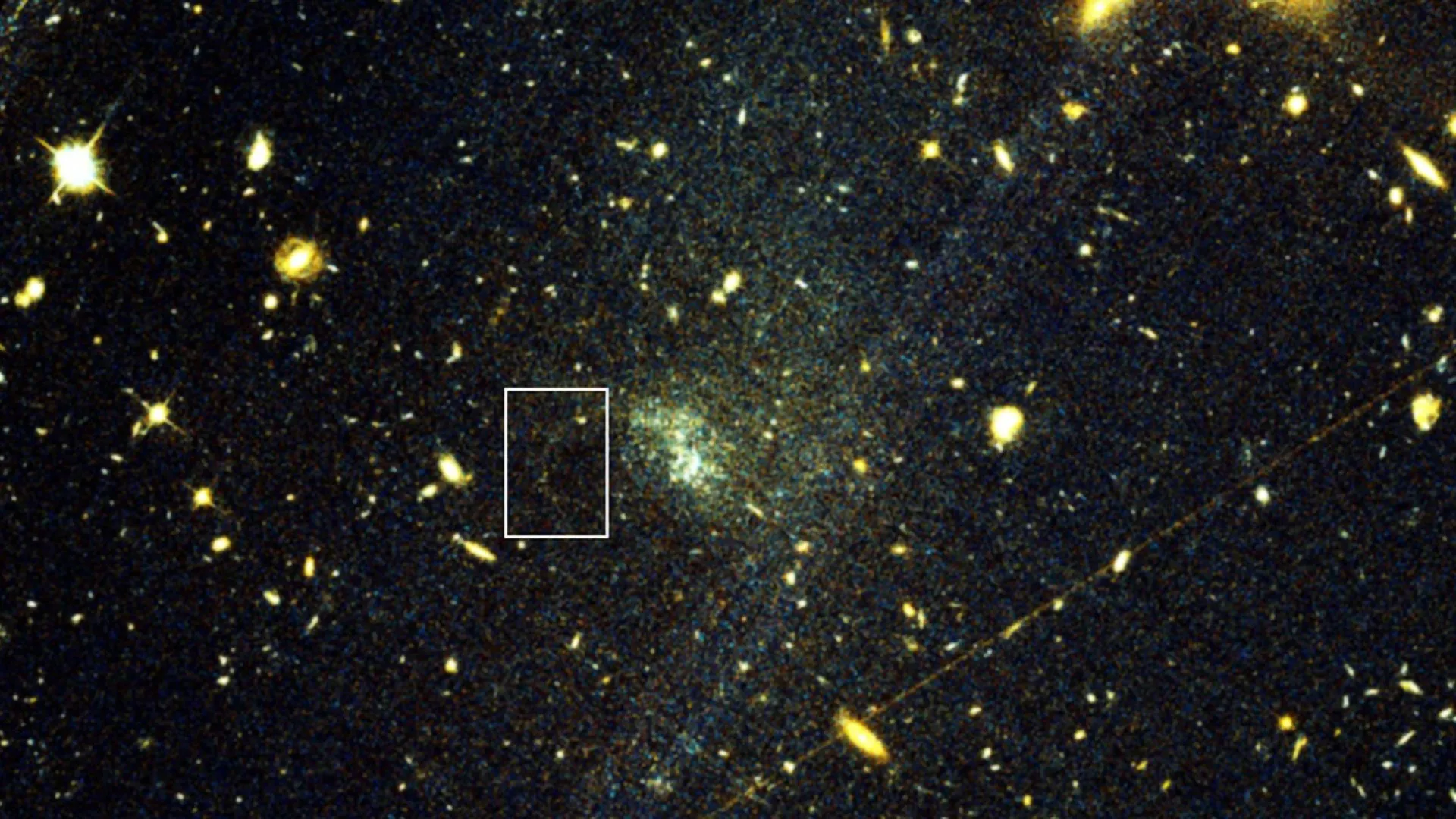
First stellar stream beyond the Milky Way could reveal dark matter

Astronomers have discovered the first globular cluster stellar stream beyond the Milky Way, opening a new way to study dark matter in distant galaxies. These faint trails of stars trace a galaxy’s gravitational structure and could eventually help scientists map invisible matter across the universe.

Science

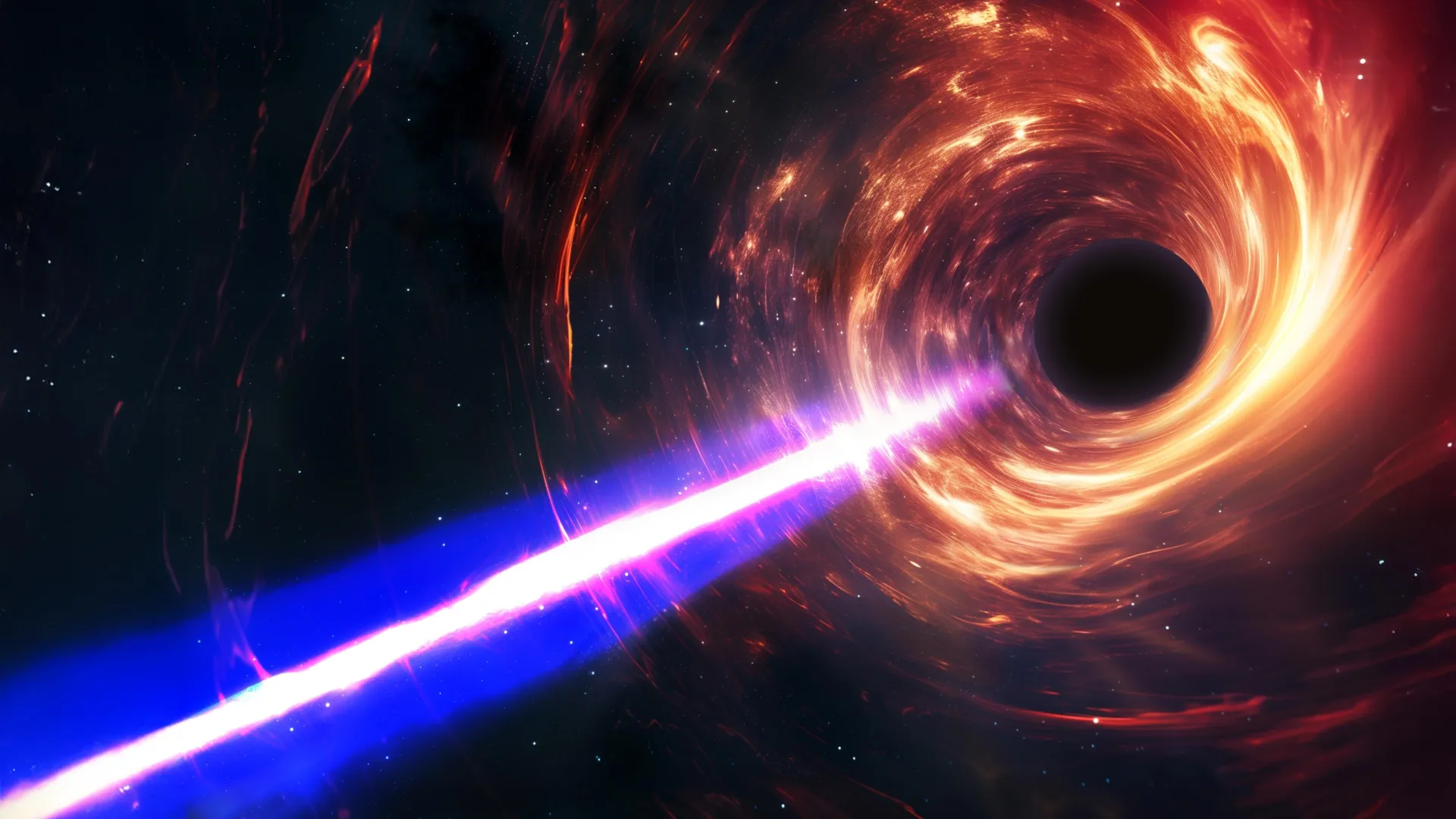
Black holes of every size follow the same surprising rule

Scientists have found evidence that black holes of vastly different sizes may launch powerful jets according to the same universal rule. Supermassive black holes can produce jets soon after tearing apart a star, then fire up again hundreds or thousands of days later when their feeding rate drops to about 2% of the Eddington limit. That same threshold is known to trigger jets from much smaller black holes in the Milky Way.