Germany's Merz under pressure as AfD eyes second state win
Exit polls have the far-right AfD leading the Social Democrats in Mecklenburg-Western Pomerania and the Left Party ahead in Berlin. Merz referred to the outcome as "a disaster". DW has more.
International news in seven languages
Topic
Exit polls have the far-right AfD leading the Social Democrats in Mecklenburg-Western Pomerania and the Left Party ahead in Berlin. Merz referred to the outcome as "a disaster". DW has more.
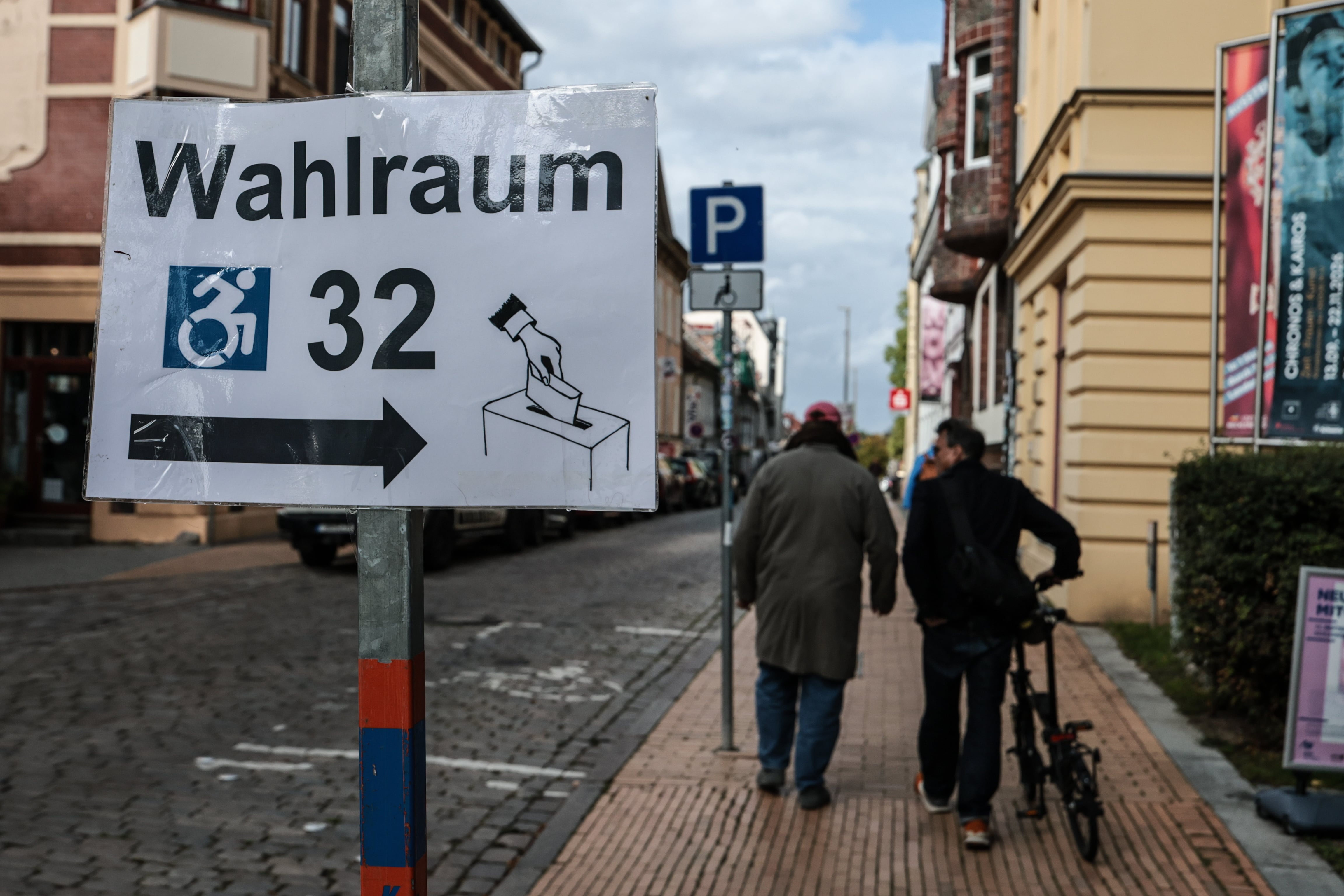
Nearly four million German voters are called to the polls on Sunday for two regional elections where the progress of the far-right AfD party and the radical left could cause further turmoil in Berlin and affect Chancellor Friedrich Merz, already very fragile. We're talking to our columnist Antoine Mariotti.
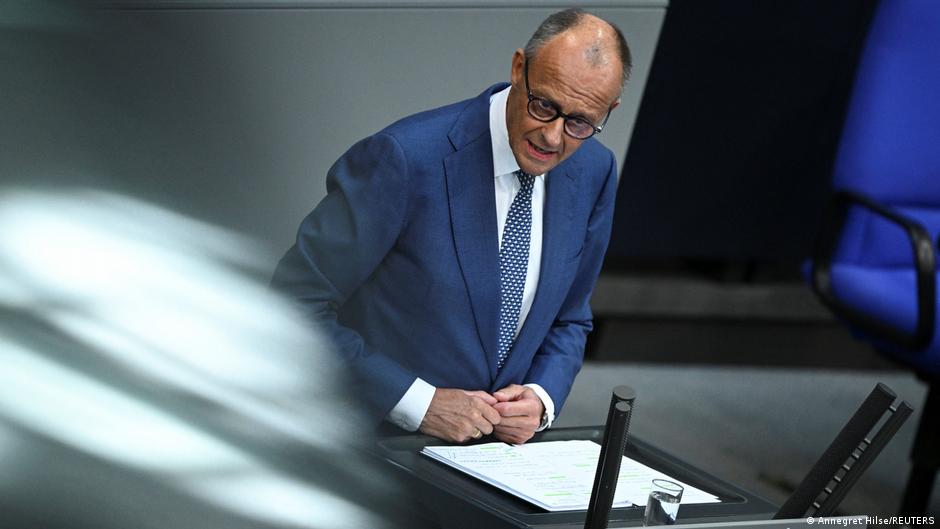
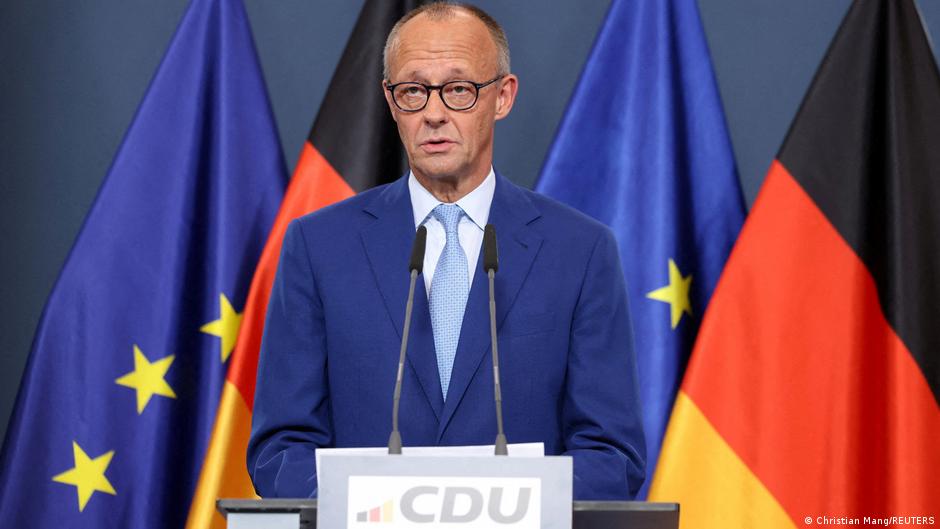
German Chancellor Friedrich Merz on Sunday described his CDU party's heavy losses in two regional elections as a "disaster", but vowed to push ahead with a reform drive. The far-right Alternative for Germany (AfD) party took first place in the northeastern state of Mecklenburg-Western Pomerania, exit polls showed, and also gained in strength in another election in Berlin.
Foreign Minister Merz assumes the "disaster" in Mecklemburgo-Pomerania, where he wins AfD and his party is left for the first time without parliamentary representation. Die Linke's post-communists win in Berlin
Two German states are heading to the polls today – in Berlin and the state of Mecklenburg-Western Pomerania. The far-right AfD party is expected to make further gains after securing a historic win in Saxony-Anhalt two weeks ago, though it has no realistic path to power in Berlin. Sunday's vote is a key test for Chancellor Friedrich Merz, one that could determine whether he can hold on to power. Details with Jamie Smith-Maillet, FRANCE 24 international affairs editor.
The Germans go to the polls this Sunday in two regional elections, in Berlin and Mecklemburgo-West Pomerania, where the advances of the extreme right and left could destabilize the government of Chancellor Friedrich Merz, who is at its lowest point in the polls and with tensions within his own coalition.
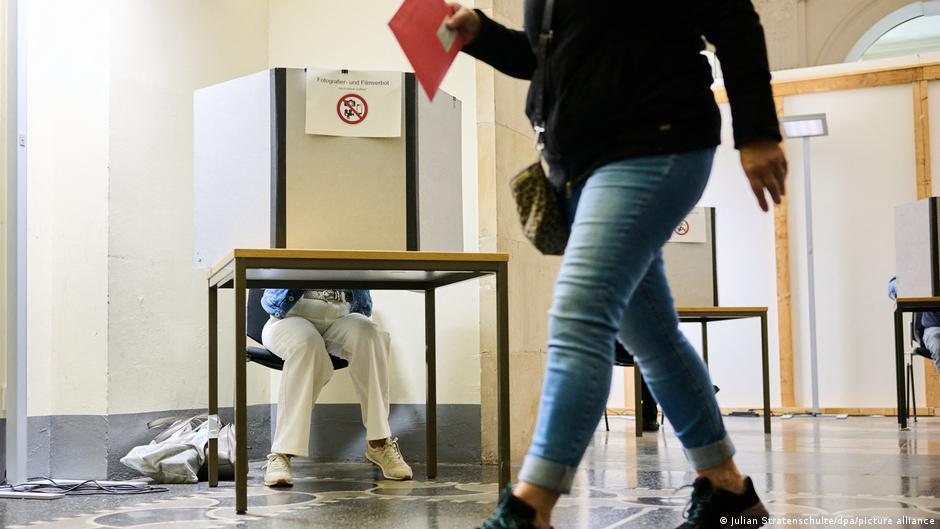
Germans began voting Sunday in two closely watched state elections that could deliver fresh gains for the far-right and far-left, piling pressure on Chancellor Friedrich Merz as he struggles with low approval ratings and tensions within his governing coalition.
Will German Chancellor Friedrich Merz survive Sunday's regional elections? The debate was opened after the recent electoral failure of its Conservative party in Saxony-Anhalt, where the far right achieved an overwhelming victory.
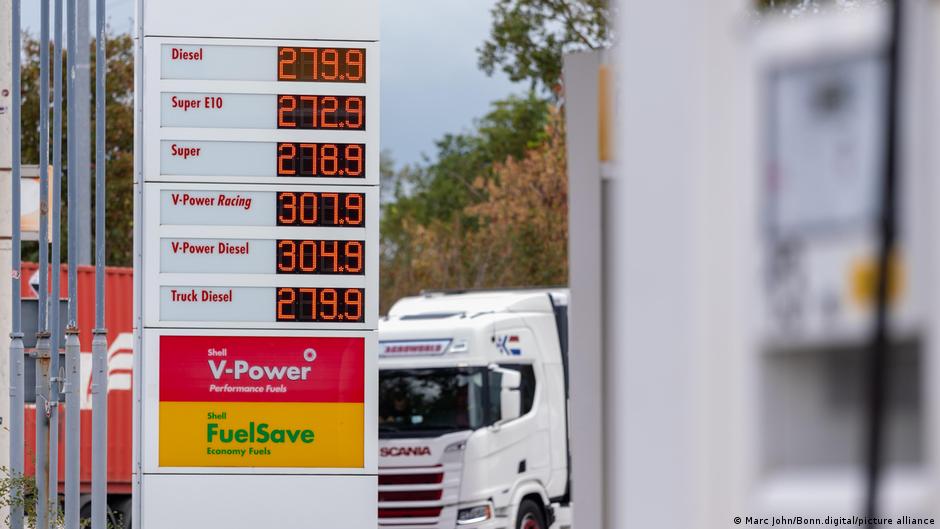
Germany will cut taxes on gasoline and diesel by about 17 cents a litre from October, the government said Friday. The move comes ahead of state elections in the capital Berlin and the northeastern state of Mecklenburg-Western Pomerania where Chancellor Friedrich Merz's conservative Christian Democrats are expected to be soundly defeated.
Germany's coalition government is grappling with record-high fuel prices ahead of two state elections this weekend. Follow DW for more stories making headlines in Germany.
Merz and the rest of the countries in that group demand cuts of hundreds of billions and refuse to consider the Body plan to restructure the payment of recovery funds
Chancellor Friedrich Merz's record-low approval ratings have emboldened his opponents. There are three ways to remove a chancellor from office in Germany.
A visibly shaken but also determined Friedrich Merz spoke in Berlin about the AfD's election victory in Saxony-Anhalt and the CDU's bitter defeat. He insisted on sticking to his reforms.
The Christian Democrats have emerged as the strongest party following local elections in the state of Lower Saxony. The vote was closely watched as an indicator of the strength of the far-right AfD, which came in third.
Germany's chancellor nixxed his trip over doubts about his leadership after party losses to the AfD in state elections. Meanwhile, Defense Minister Pistorius is in Washington for talks with his US counterpart.
Following the CDU's crushing defeat in the Saxony-Anhalt state election, many are expressing doubts about the party's leader, Chancellor Friedrich Merz. But the CDU doesn't appear to have a viable alternative.